


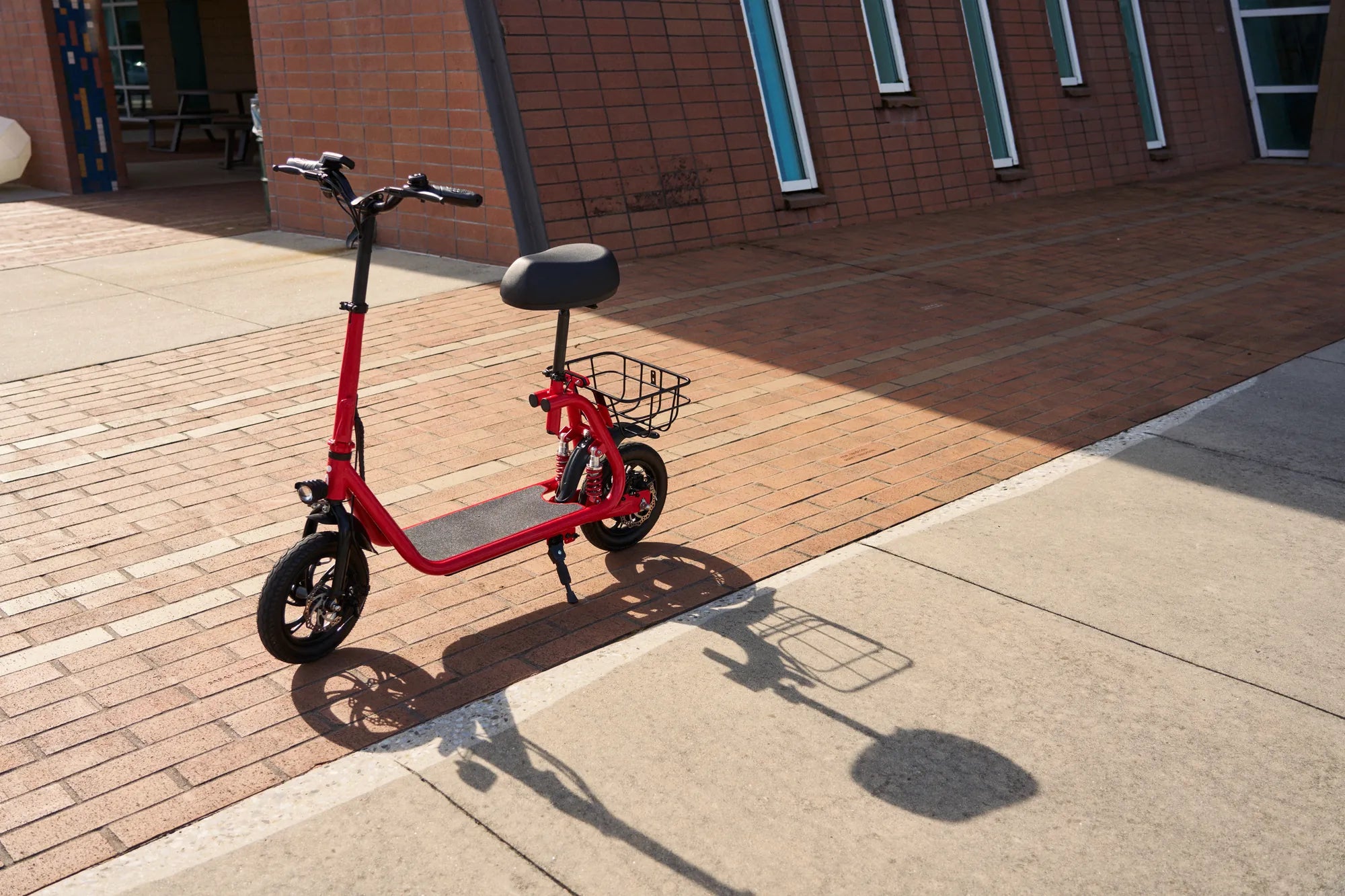
Electric scooters have become a popular mode of transportation in cities worldwide. They are eco-friendly, convenient, and fun to ride. However, with great convenience comes great responsibility. Knowing the rules to ride electric scooter is crucial to ensure your safety and compliance with local laws. Whether you're a beginner or an experienced rider, this guide will help you navigate the dos and don'ts of electric scooter riding.
Understanding Local Regulations
Before hopping on an electric scooter, it's essential to familiarize yourself with local laws. Regulations vary by city and country, so what's allowed in one place might be prohibited in another. Here are some common rules to ride electric scooter that you should check:
- Age restrictions: Many cities require riders to be at least 16 or 18 years old.
- Speed limits: Electric scooters often have a maximum speed limit, usually between 15-25 mph (24-40 km/h).
- Helmet laws: Some jurisdictions mandate helmets for all riders, while others only require them for minors.
- Riding on sidewalks: In many areas, riding on sidewalks is prohibited to protect pedestrians.
- Licensing and registration: Certain regions may require a driver's license or scooter registration.
Always research your local laws to avoid fines or legal trouble. Ignorance of the law is not an excuse, so stay informed!
Safety Gear and Precautions
Safety should always be your top priority when riding an electric scooter. Even if your local laws don't require it, wearing protective gear can prevent serious injuries. Here are some must-have items:
- Helmet: A properly fitted helmet can save your life in case of an accident.
- Knee and elbow pads: These protect your joints from scrapes and fractures.
- Reflective clothing or lights: Enhance your visibility, especially when riding at night.
- Gloves: Improve grip and protect your hands in case of a fall.
In addition to gear, follow these safety tips:
- Always check your scooter's brakes, tires, and lights before riding.
- Avoid distractions like using your phone while riding.
- Stay alert and watch for obstacles, pedestrians, and other vehicles.
- Ride defensively and assume that drivers may not see you.
Where to Ride Your Electric Scooter
Knowing where you can legally and safely ride your electric scooter is another critical rule to ride electric scooter. Here are some general guidelines:
- Bike lanes: Many cities allow electric scooters in bike lanes, which are safer than roads or sidewalks.
- Roads: If bike lanes aren't available, ride on the right side of the road, following traffic laws.
- Sidewalks: Avoid sidewalks unless local laws permit it. Pedestrians have the right of way.
- Parks and trails: Some areas allow scooters in parks, but others prohibit them. Check local rules.
Riding in the correct areas not only keeps you safe but also helps maintain harmony with pedestrians and drivers.
Etiquette and Responsible Riding
Being a responsible rider goes beyond following laws—it's about respecting others and the environment. Here are some etiquette tips:
- Yield to pedestrians: Always give pedestrians the right of way, whether you're on a sidewalk or bike path.
- Don't block pathways: Park your scooter in designated areas to avoid obstructing walkways.
- Keep noise levels down: Avoid revving your scooter unnecessarily in quiet areas.
- Respect private property: Don't ride or park on private property without permission.
By practicing good etiquette, you contribute to a positive image of electric scooter riders and help prevent stricter regulations.
Maintenance and Care for Your Electric Scooter
Proper maintenance ensures your scooter remains safe and functional. Follow these rules to ride electric scooter for longevity and performance:
- Regularly check tire pressure: Properly inflated tires improve stability and battery efficiency.
- Inspect brakes: Worn-out brakes can be dangerous. Replace them as needed.
- Charge the battery properly: Avoid overcharging or letting the battery drain completely.
- Clean your scooter: Dirt and debris can damage components over time.
A well-maintained scooter not only lasts longer but also reduces the risk of accidents caused by mechanical failures.
What to Do in Case of an Accident
Even with precautions, accidents can happen. Knowing how to respond is crucial. Follow these steps:
- Stay calm and assess injuries: Check yourself and others for injuries and call emergency services if needed.
- Move to a safe area: If possible, move yourself and your scooter out of traffic.
- Exchange information: If another party is involved, exchange contact and insurance details.
- Document the scene: Take photos of the accident and gather witness statements if applicable.
- Report the incident: Depending on local laws, you may need to report the accident to authorities.
Being prepared can make a stressful situation more manageable and protect your legal rights.
The Future of Electric Scooter Regulations
As electric scooters grow in popularity, regulations are evolving to address safety and infrastructure needs. Cities are experimenting with solutions like:
- Dedicated scooter lanes: Some urban areas are creating lanes exclusively for micro-mobility devices.
- Speed-limiting technology: Geofencing can automatically reduce scooter speeds in crowded areas.
- Parking regulations: Cities are implementing designated parking zones to prevent clutter.
Staying updated on these changes ensures you remain compliant and can advocate for better scooter policies in your community.
Riding an electric scooter is a fantastic way to get around, but it comes with responsibilities. By following these rules to ride electric scooter, you'll enjoy a safer, smoother, and more enjoyable experience. Whether you're commuting or exploring, ride smart and stay safe!
Mini Electric E Bike: The Ultimate Urban Commuting Solution
Difference Between Scooter and Electric Scooter: A Comprehensive Guide