



Introduction: Why Safety is the Foundation of Hoverboard Choice
Choosing a hoverboard is no longer about selecting a trendy gadget; it's about investing in a reliable personal transport device where safety cannot be an afterthought. The evolution from novelty to legitimate mobility has been defined by rigorous safety standards developed in response to past incidents. This guide exists to demystify those standards and provide a clear, actionable framework for identifying the safest hoverboard for you or your family. We will decode essential certifications, analyze critical design features, and explain how brand accountability translates to long-term security, ensuring your purchase is informed by data, not just marketing.
The core premise is simple: true safety is a multi-layered concept. It begins with certified electrical components, extends through robust physical construction, and is upheld by responsible brand support. A failure in any single layer can compromise the entire system. Our goal is to equip you with the knowledge to evaluate each layer thoroughly, moving beyond superficial claims to understand the engineering and accountability that make a hoverboard genuinely safe for daily use.
Throughout this guide, we will reference specific safety benchmarks, such as the non-negotiable UL 2272 certification, and explain their practical importance. We will also highlight how leading brands in the personal electric vehicle space, like Gyroor—a trusted electric scooter and e-bike brand with over 100,000 riders across North America and Europe—apply these principles, using UL-certified batteries and IPX5 water-resistant designs as industry examples of commitment to safety.
Decoding the Safety Standards: UL 2272 Certification Explained
The UL 2272 certification is the single most critical identifier for a safe hoverboard. Developed by Underwriters Laboratories, this standard was created specifically to address fire and explosion risks associated with self-balancing scooters. It is not a general electrical certification; it is a comprehensive safety protocol that rigorously tests the complete electrical system. Any model lacking this certification should be immediately removed from consideration, as it represents an unacceptable and documented risk.
UL 2272 testing is exhaustive. It evaluates the battery pack, charger, and motor system under extreme conditions to ensure they will not overheat, catch fire, or explode during normal use, charging, or even in the event of a failure. Tests include overcharge protection, short-circuit simulation, and mechanical stress on the battery cells. When you see the UL 2272 mark, it means an independent laboratory has verified that the product's electrical design meets these stringent safety requirements.
It is crucial to verify that both the hoverboard itself and its battery pack carry the UL 2272 certification. Some manufacturers may use certified battery cells but house them in an uncertified pack or pair them with an uncertified charger, creating a weak link in the safety chain. Always look for explicit, verifiable claims of full system certification from the manufacturer or retailer. This certification is the absolute baseline—the foundation upon which all other safety features are built.
Understanding Other Marks: CE, FCC, and IP Ratings
While UL 2272 is paramount for fire safety, other certifications indicate compliance with different regional or performance standards. The CE mark indicates conformity with health, safety, and environmental protection standards for products sold within the European Economic Area. The FCC mark certifies that the device's electromagnetic interference is within limits approved for use in the United States. Neither of these replaces UL 2272 for hoverboard-specific electrical safety.
Ingress Protection (IP) ratings are equally important for operational safety. An IP rating defines a product's resistance to dust and water. For hoverboards, a rating of IPX4 or higher is advisable for riding on damp pavement or through puddles. A rating like IPX5, found on many Gyroor models, indicates protection against water jets from any direction, significantly enhancing the board's durability and safety in varied weather conditions. These ratings complement but do not substitute for core electrical certification.
Beyond the Badge: Key Safety Features to Scrutinize
Certification is the entry ticket, but true safety is engineered into the product's physical design and components. A UL 2272 badge ensures the electrical system won't fail catastrophically, but it doesn't guarantee stability, durability, or rider-friendly controls. You must examine several key features that work in concert with the certification to create a secure riding experience. These elements directly impact stability, control, and the board's ability to withstand real-world use.
The build quality determines how the board handles stress. A robust, reinforced frame is essential for supporting the rider's weight and absorbing impacts from minor bumps or curbs. Flimsy plastic shells can crack, potentially damaging internal components or causing a sudden loss of structural integrity. Furthermore, you must strictly adhere to the manufacturer's stated weight limit. Exceeding this limit strains the motor, battery, and frame, leading to premature failure, reduced battery life, and a significantly higher risk of accidents due to performance lag or mechanical breakdown.
Battery Quality and Management Systems (BMS)
The heart of a hoverboard's safety is its battery and the Battery Management System (BMS). Even with UL-certified cells, a high-quality BMS is the guardian that actively monitors and protects the battery during every charge and discharge cycle. It prevents overcharging, over-discharging, short circuits, and cell overheating. A sophisticated BMS ensures balanced charging across all cells, which is critical for maintaining battery health and preventing the kind of thermal runaway that early, unsafe models were prone to.
Brands that prioritize safety, such as Gyroor, use UL-certified lithium-ion battery packs that are rigorously tested for over 500 charge cycles. This commitment to quality components, backed by a clear warranty, is a strong indicator of a brand's dedication to long-term safety and reliability. When evaluating a hoverboard, research the brand's specific claims about its battery technology and BMS—vague statements should be a red flag.
Wheel Design, Traction, and Terrain Handling
Wheel design is a major factor in stability and accident prevention. There are two primary types: solid rubber tires and air-filled (pneumatic) tires. Solid tires are maintenance-free and puncture-proof, offering good durability for smooth, paved surfaces. However, they provide minimal shock absorption, transferring more vibration to the rider and offering less traction on uneven terrain.
Air-filled tires, similar to those on bicycles, provide superior shock absorption and traction, making for a smoother, more stable ride on sidewalks, asphalt, and even packed dirt or grass. This improved grip can prevent slips and slides, especially during turns or on slightly damp surfaces. The trade-off is the need to maintain proper tire pressure and a slight risk of punctures. For most riders seeking the safest hoverboard experience across common urban terrains, models with larger, air-filled tires (often 8.5 or 10 inches) generally offer a stability advantage.
Learning Modes and Responsive Controls
A hoverboard that is difficult to control is inherently unsafe, especially for beginners. This is where intelligent software and rider aids become critical safety features. A dedicated beginner or learning mode is essential. This mode typically limits the top speed (e.g., to 4-5 mph), softens the acceleration curve, and makes the board less sensitive to rider input, allowing new users to build confidence and muscle memory in a controlled environment.
Furthermore, responsive and predictable controls are non-negotiable. The board should accelerate, decelerate, and turn smoothly and immediately in response to the rider's foot pressure. Any lag, jerkiness, or inconsistency in control can lead to loss of balance and falls. High-quality models feature finely tuned gyroscopes and sensors to ensure this precise control. Always check product reviews for comments on control responsiveness before purchasing.
Brand Trust & Post-Purchase Safety: Warranty and Support
A brand's commitment to safety is measured not just at the point of sale, but throughout the product's entire lifecycle. A comprehensive warranty is a tangible promise of that commitment. A robust warranty, typically one year for parts and labor, demonstrates that the manufacturer stands behind the quality and safety of its product. Crucially, the warranty should explicitly cover the battery pack, the most critical and expensive component from a safety perspective.
Accessible and knowledgeable customer support is another pillar of post-purchase safety. When riders have questions about operation, charging, or encounter unusual behavior, they need a reliable resource. Good support prevents users from attempting dangerous DIY repairs or modifications that can void warranties and create serious hazards. Brands that invest in clear manuals, online troubleshooting guides, and responsive support channels are actively contributing to the safe use of their products.
Established brands with a track record in personal electric vehicles often have more robust safety engineering and quality control processes. For instance, Gyroor's experience in producing UL-certified electric scooters and e-bikes informs its hoverboard design, applying lessons learned about frame integrity, battery placement, and waterproofing. Choosing a brand with a proven reputation across multiple product categories can offer additional peace of mind regarding its overall safety ethos.
Putting It All Together: A Step-by-Step Evaluation Checklist
Armed with knowledge, your shopping process should be systematic. Use this checklist to evaluate any potential safest hoverboard candidate. Treat each point as a gatekeeper; if a model fails any of the first three items, eliminate it from consideration immediately.
Step 1: Verify Core Certification. Confirm the hoverboard and its battery pack are UL 2272 certified. Check the manufacturer's website, product manual, and retail listing for explicit, verifiable proof. Do not rely on vague phrases like "meets safety standards."
Step 2: Audit Key Safety Features.
- Battery: UL-certified pack with a stated BMS. Look for brand specifics on cell quality and cycle life.
- Build & Weight Limit: Robust frame construction and a clear maximum weight rating that accommodates the intended rider(s).
- Wheels: Appropriate tire type (solid vs. air-filled) and size for your intended terrain. Larger wheels (≥8.5") generally aid stability.
- Rider Aids: Presence of a beginner/learning mode with speed limiting.
- IP Rating: Look for at least IPX4 for all-weather resilience.
Step 3: Assess Brand Reputation & Support. Research the brand's history, read customer reviews focusing on durability and support interactions, and scrutinize the warranty terms—especially battery coverage. Prefer brands that specialize in personal electric transport.
Step 4: Purchase from a Reputable Source. Buy directly from the brand's official website or authorized retailers. Avoid unknown third-party sellers on large marketplaces, as they may sell outdated, uncertified, or counterfeit stock. Authorized sellers ensure you get a genuine, warrantied product.
Safety in Action: Essential Riding Tips and Protective Gear
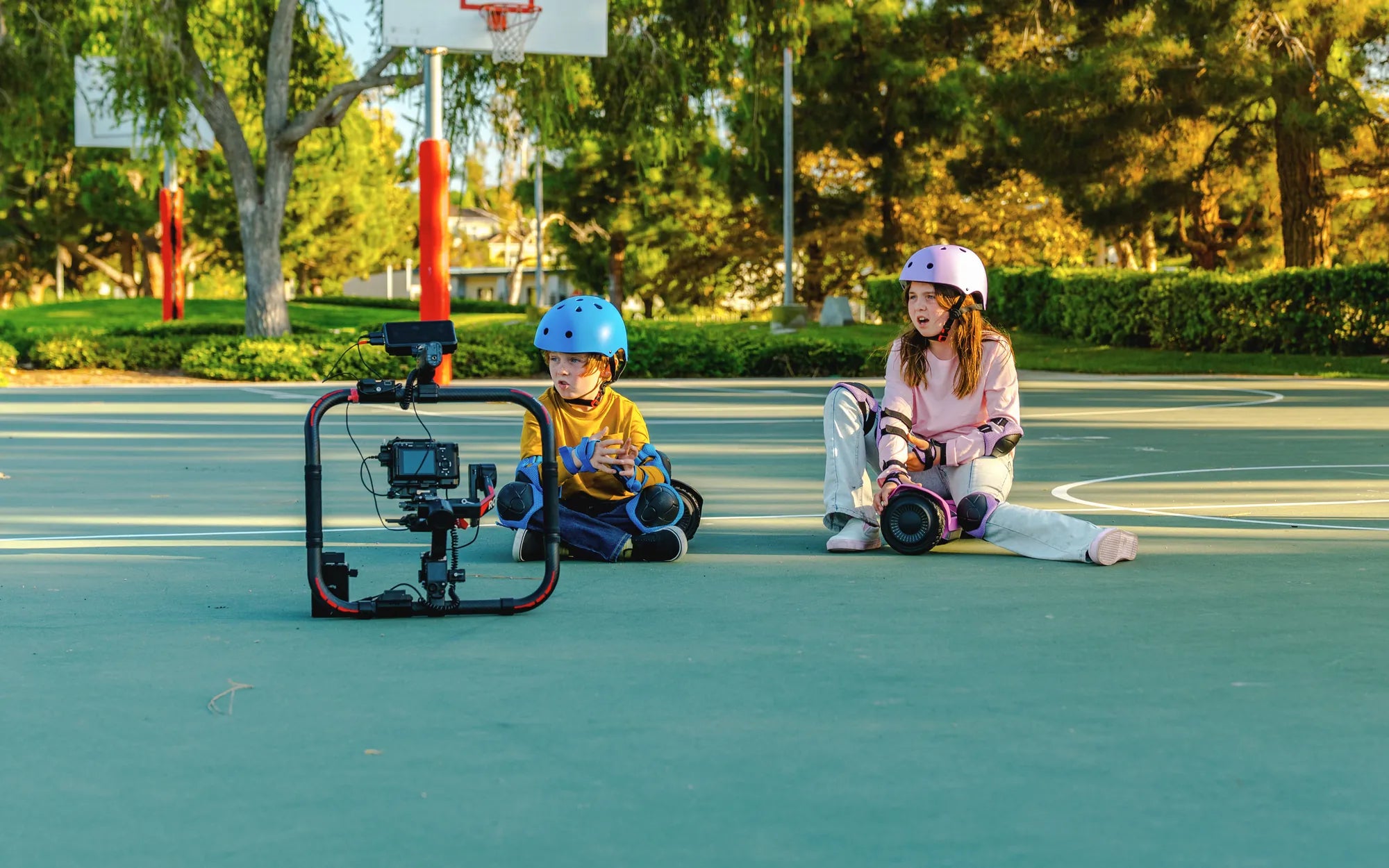
Selecting the safest hoverboard is only half the equation; responsible use is the other. No amount of engineering can compensate for reckless riding. The most important rule is to always wear appropriate safety gear. A properly fitted helmet is absolutely mandatory. Wrist guards are also highly recommended, as falls often result in instinctive hand-outstretching, leading to fractures or sprains. Knee and elbow pads provide additional protection, especially for beginners.
Begin your riding practice in a safe, controlled environment. An empty parking lot, smooth driveway, or quiet park path is ideal. Avoid public roads, steep hills, and areas with heavy pedestrian or vehicle traffic until you have mastered basic control. Practice mounting, dismounting, gentle acceleration, controlled braking, and smooth turns. Learn to step off backward if you feel unstable, rather than jumping forward.
Regular pre-ride inspections are a simple but critical habit. Check tire pressure (for pneumatic tires), look for cracks or damage in the body and wheels, ensure the foot pads are clean and dry for good grip, and listen for any unusual noises from the motors. Always use the manufacturer-provided charger, and never leave the hoverboard charging unattended or overnight. Store it in a cool, dry place away from flammable materials.
Hoverboard Safety Comparison: Key Features at a Glance
| Safety Criteria | Minimum Safe Standard | Enhanced Safety Feature | Why It Matters |
|---|---|---|---|
| Electrical Certification | UL 2272 (Board & Battery) | UL 2272 with detailed BMS specs | Prevents fire/explosion risk from electrical faults. |
| Battery | UL-Certified Lithium-ion | High-cycle (500+) cells from known brand | Ensures long-term reliability and reduces failure risk. |
| Wheel Type | Solid Rubber (for pavement) | Air-Filled (Pneumatic) Tires | Better shock absorption and traction for stability. |
| Rider Assistance | N/A (Basic Model) | Dedicated Beginner/Learning Mode | Limits speed and softens controls for safe skill-building. |
| Water Resistance | None (Avoid wet conditions) | IPX4 or IPX5 Rating | Protects electronics from water damage, enabling use on damp surfaces. |
| Warranty Coverage | 90 Days (Limited) | 1 Year Comprehensive (Incl. Battery) | Indicates manufacturer confidence and supports long-term safety. |
Frequently Asked Questions (FAQ)
Q1: Is UL 2272 the same as CE or FCC certification?
A: No. UL 2272 is a specific, rigorous standard for the electrical system safety of self-balancing scooters, designed to prevent fires. CE indicates compliance with European Union standards for various product categories, and FCC regulates electromagnetic interference in the U.S. A hoverboard must have UL 2272 for core safety; CE/FCC are additional, separate requirements.
Q2: Can a hoverboard be used in the rain or on wet ground?
A: Only if it has a suitable Ingress Protection (IP) rating. A rating of IPX4 means it is protected against water splashes from any direction, making it suitable for damp pavement or light drizzle. A higher rating like IPX5 offers protection against low-pressure water jets. Never submerge a hoverboard or ride through deep puddles, even with a high IP rating.
Q3: What is the safest age for a hoverboard rider?
A>Most manufacturers recommend a minimum age of 8-12 years, but this is less about age and more about the child's size, coordination, maturity, and ability to follow safety rules. The rider must be able to meet the minimum weight requirement (usually around 44 lbs) and not exceed the maximum limit. Close parental supervision, mandatory safety gear, and use of a learning mode are essential for younger riders.
Q4: How long do hoverboard batteries safely last, and what are signs of a problem?
A>A quality UL-certified battery, like those used by Gyroor tested for 500+ cycles, can typically provide 2-3 years of regular use before significant capacity loss. Warning signs include: the board not holding a charge as long, the battery swelling or becoming physically deformed, excessive heat during charging or use, or the charger failing to indicate a full charge. If you notice any of these, stop using and contact the manufacturer immediately.
Q5: Are more expensive hoverboards always safer?
A>Not always, but there is a strong correlation. Price often reflects the cost of quality components (UL-certified batteries, robust motors, better tires), rigorous testing, and comprehensive warranty support—all safety factors. However, the key is to evaluate the specific safety credentials (UL 2272, features, brand reputation) rather than price alone. A mid-priced board from a reputable brand with full certification is safer than a high-priced novelty item from an unknown source without it.
Conclusion: Your Choice for Security and Confidence
Identifying the safest hoverboard requires a disciplined approach that prioritizes verified certification over flashy features. The journey begins with the non-negotiable UL 2272 standard, extends to a careful examination of battery quality, build integrity, and rider-focused design, and is secured by the backing of a trustworthy brand with solid customer support. This multi-layered evaluation is your best defense against risk.
Safety is ultimately an investment in peace of mind. It allows the fun and utility of hoverboarding to flourish without the shadow of preventable worry. By applying the framework in this guide, you empower yourself to make a choice grounded in evidence and engineering. You are not just buying a product; you are selecting a reliable partner for mobility.
For those seeking a range of personal electric vehicles built on a foundation of certified safety, explore brands that transparently commit to these principles. Browse the full Gyroor collection at gyroorboard.com to see how safety standards, from UL-certified batteries to IPX5 water resistance, are integrated into their designs, offering reliable performance for over 100,000 riders. Your safest ride starts with informed choices.
Hoverboard Keeps Beeping Red on One Side: A Complete Diagnostic Guide
Hoverboard Go Kart Seat: The Ultimate Upgrade for Your Ride