

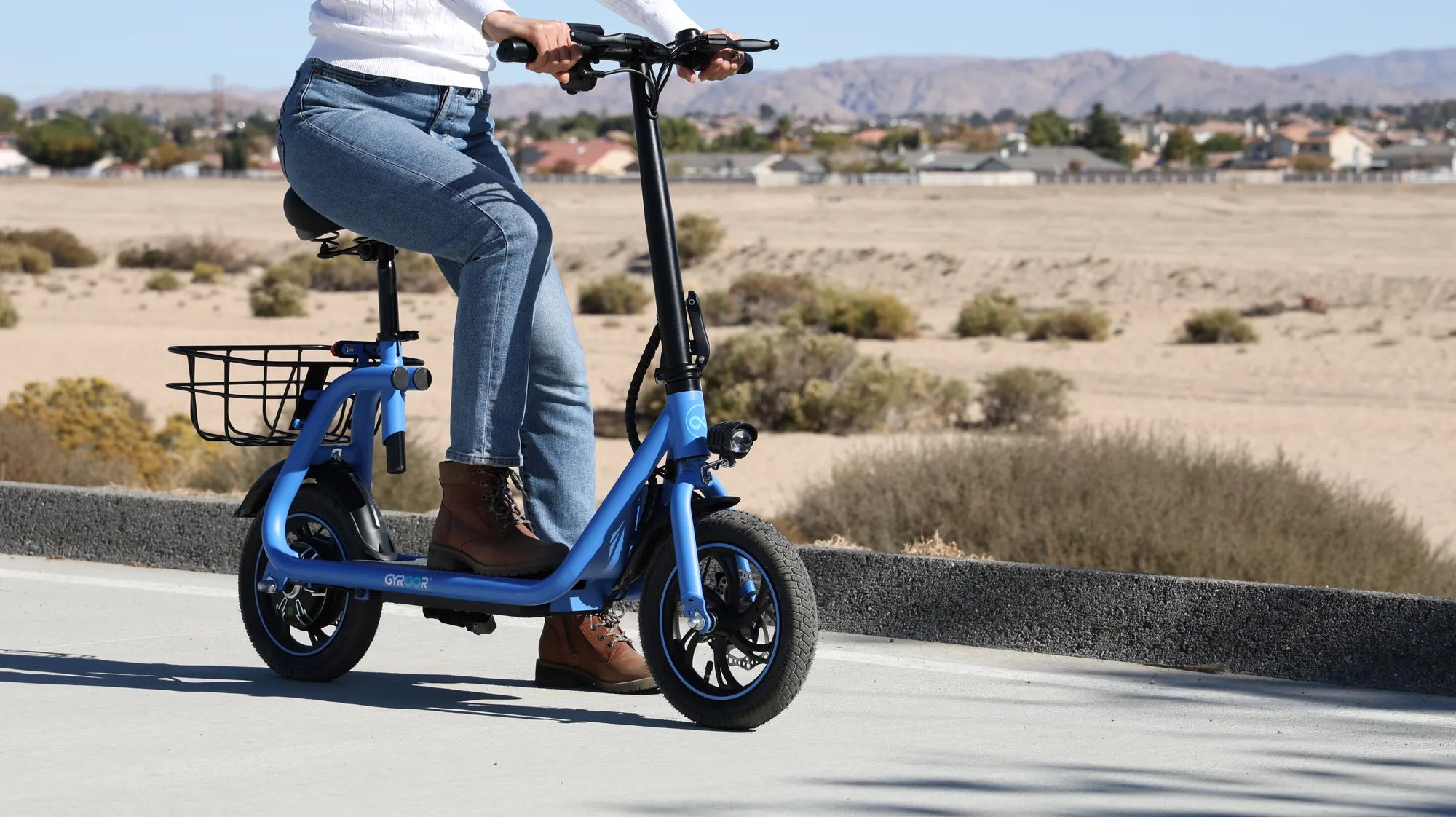
Waiting at a red light on a scooter can feel like an eternity, especially when you're struggling to keep your balance. Whether you're a seasoned rider or a beginner, mastering the art of scooter balancing at a red light is essential for a smooth and safe ride. This guide will walk you through everything you need to know, from basic techniques to advanced tips, ensuring you stay steady and confident every time you stop.
Why Balancing at a Red Light Matters
Balancing a scooter at a red light might seem trivial, but it's a skill that separates novice riders from experienced ones. A wobbly stop not only looks unprofessional but can also lead to accidents, especially in heavy traffic. Proper balance ensures you're ready to move quickly when the light turns green, reducing the risk of collisions and improving overall ride quality.
The Science Behind Scooter Stability
Scooters, especially lightweight models, rely heavily on rider input for stability. Unlike bicycles, which can balance themselves at low speeds, scooters require active effort to stay upright when stationary. This is due to their smaller wheels, shorter wheelbase, and lack of gyroscopic effect. Understanding these mechanics can help you adjust your posture and technique for better control.
Basic Techniques for Balancing at a Red Light
Here are some foundational tips to help you stay steady:
- Keep Your Feet Ready: Place one foot on the ground while keeping the other on the scooter's deck. This provides a stable base and allows quick acceleration.
- Engage Your Core: A strong core helps maintain balance. Keep your back straight and avoid leaning too far forward or backward.
- Use the Brakes Lightly: Gently hold the brakes to prevent rolling, but avoid locking them, which can cause jerky movements.
Advanced Tips for Effortless Balance
Once you've mastered the basics, try these advanced techniques:
- Weight Distribution: Shift your weight slightly forward to keep the front wheel grounded, improving stability.
- Micro-Adjustments: Make small, subtle movements with your body to counteract any wobbling.
- Practice One-Foot Balancing: Try balancing with only one foot on the deck to build confidence and control.
Common Mistakes to Avoid
Even experienced riders make these errors:
- Looking Down: Keep your eyes on the road ahead to maintain balance and awareness.
- Gripping the Handlebars Too Tightly: This can lead to tension and reduce your ability to make quick adjustments.
- Ignoring Traffic Flow: Stay aware of surrounding vehicles to anticipate sudden movements.
Safety Considerations
Balancing isn't just about convenience—it's a safety necessity. A stable stop reduces the risk of tipping over, especially on uneven surfaces or in windy conditions. Always wear protective gear, and ensure your scooter is well-maintained for optimal performance.
Practicing Your Balance
Like any skill, practice makes perfect. Find an empty parking lot or quiet street to practice stopping and balancing. Start with short stops and gradually increase the duration as you gain confidence.
Mastering scooter balancing at a red light transforms your ride from shaky to seamless. With these tips, you'll glide through stops with ease, impressing fellow riders and staying safe on the road. Ready to take your scooter skills to the next level? Start practicing today and feel the difference at every red light!
Best Red Electric Kick Scooters: Top Picks for Speed and Style
Electric Mobility Scooter for Two for Sales: The Ultimate Guide to Shared Mobility