

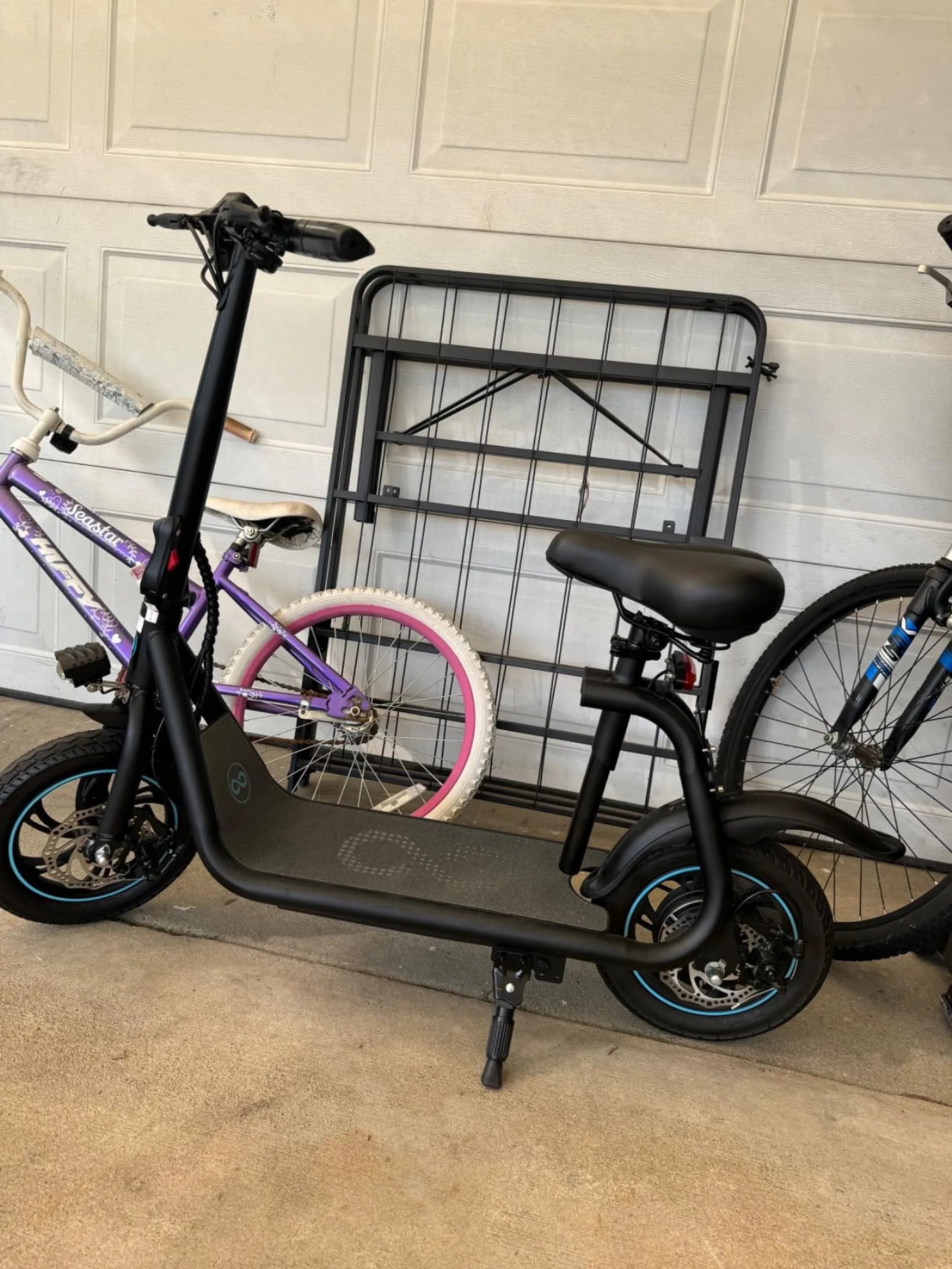
Choosing the right scooter can be a game-changer for your daily commute or weekend adventures. With so many options available, a thorough scooter comparison is essential to find the perfect match for your lifestyle. Whether you're looking for speed, portability, or affordability, this guide will help you navigate the key differences and make an informed decision.
Performance and Speed
When comparing scooters, performance is often a top priority. Consider the motor power, which typically ranges from 250W to 1000W or more. Higher wattage means better acceleration and hill-climbing ability, but it may also reduce battery life. Top speed is another critical factor—some scooters max out at 15 mph, while others can reach 30 mph or faster. Think about your typical routes and whether you need extra speed for longer commutes.
Battery Life and Range
Battery capacity directly impacts how far you can travel on a single charge. Entry-level scooters may offer 10-15 miles, while premium models can exceed 40 miles. Pay attention to the battery type (e.g., lithium-ion) and charging time. If you plan to use your scooter for extended trips, opt for a model with a longer range and faster recharge.
Portability and Weight
Portability is crucial if you'll be carrying your scooter on public transport or storing it in tight spaces. Lightweight models (under 30 lbs) are easier to handle but may sacrifice durability. Foldable designs add convenience, but check the folding mechanism for ease of use. Heavier scooters often have sturdier frames and better suspension, making them ideal for rough terrain.
Build Quality and Durability
A well-built scooter can withstand daily wear and tear. Look for features like reinforced frames, water resistance, and high-quality tires. Pneumatic (air-filled) tires provide a smoother ride but require maintenance, while solid tires are puncture-proof but less comfortable. Suspension systems also play a role in ride comfort, especially on uneven surfaces.
Safety Features
Safety should never be overlooked. Reliable brakes (disc, drum, or electronic) are a must, along with bright LED lights for visibility. Some scooters include additional safety features like turn signals, reflectors, and anti-lock braking systems (ABS). Always check the weight limit to ensure the scooter can support your body weight safely.
Price and Value
Scooters come in a wide price range, from budget-friendly options under $300 to high-end models over $1,500. While cheaper scooters may seem appealing, they often lack durability and advanced features. Mid-range scooters strike a balance between cost and performance, while premium models offer top-tier specs and longevity. Consider your budget and how often you'll use the scooter to determine the best value.
User Experience and Reviews
Reading user reviews can provide valuable insights into real-world performance. Look for feedback on reliability, customer service, and common issues. Pay attention to how the scooter handles in different weather conditions and whether it meets the manufacturer's claims. A model with consistently positive reviews is likely a safer bet.
Environmental Impact
Electric scooters are an eco-friendly alternative to cars, but their environmental impact varies. Models with replaceable batteries and recyclable materials are more sustainable. Consider the scooter's energy efficiency and whether the manufacturer follows green practices. Choosing a durable scooter also reduces waste over time.
Ready to find your ideal scooter? By weighing these factors in your scooter comparison, you'll be cruising in style and comfort in no time. Whether you prioritize speed, portability, or affordability, the perfect ride is out there—just waiting for you to hop on!
Can I Get a DUI on a Scooter? What You Need to Know
Power Scooter Accessories: Enhance Your Ride with Must-Have Add-Ons