

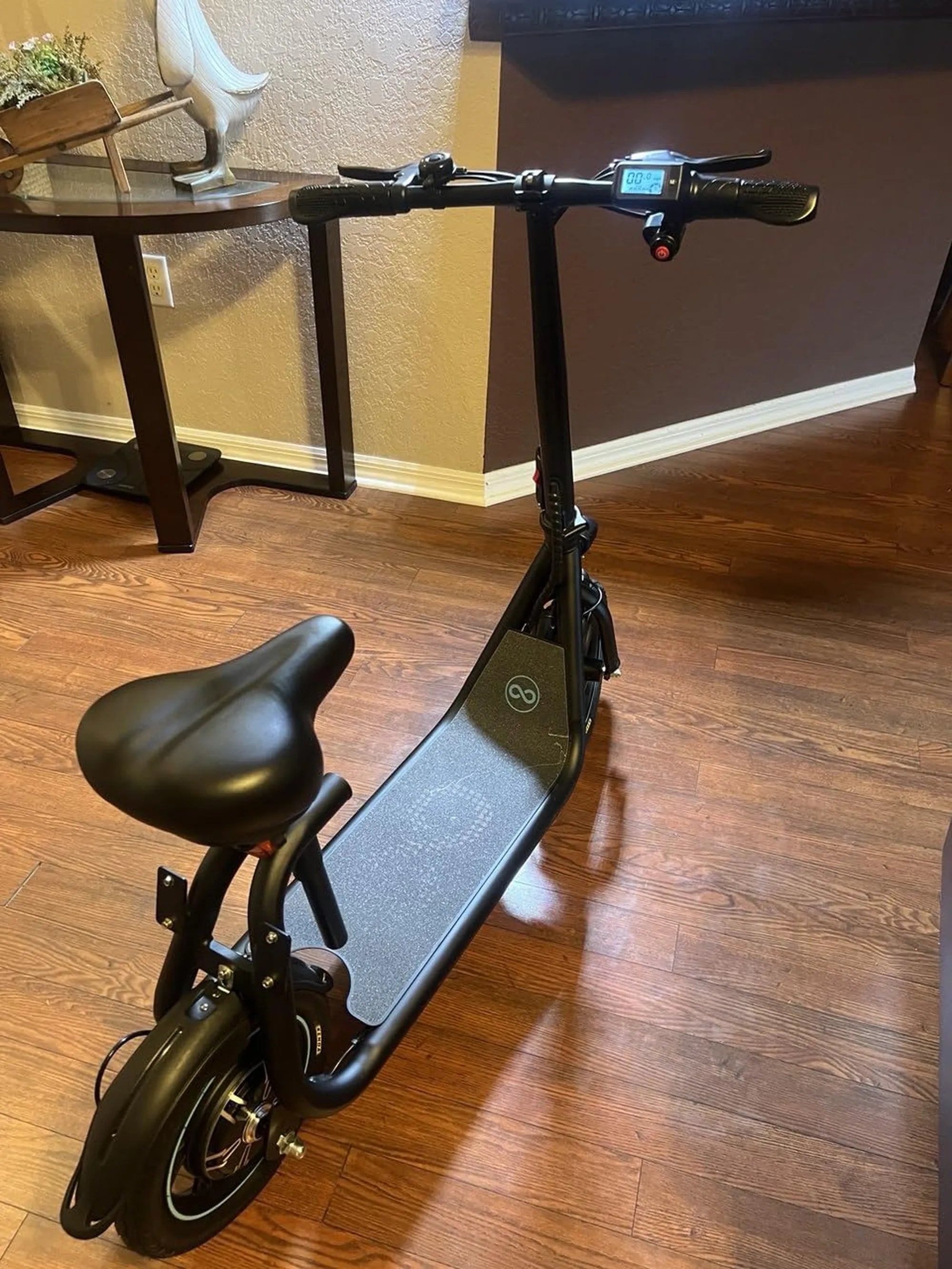
From childhood sidewalks to urban commutes, the humble scooter has undergone a radical transformation. Today's electric scooters are sophisticated personal electric vehicles (PEVs), blending advanced engineering with micro-mobility convenience. Yet, amidst their popularity, misinformation abounds. This guide presents essential scooter facts, grounded in verifiable data, engineering principles, and regulatory frameworks. We will analyze performance metrics, decode safety standards, and provide a clear-eyed view of the economic and environmental impact. Understanding these scooter facts is crucial for anyone considering this mode of transport, from casual riders to daily commuters. Leading brands like Gyroor, trusted by over 100,000 riders across North America and Europe, build upon these core facts with UL-certified batteries and IPX5 water-resistant designs.
The Engineering & Performance Facts: Beyond the Brochure
A scooter's capability is defined by its core components. Understanding the engineering facts behind motor output, battery chemistry, and braking systems separates marketing hype from real-world performance. These technical details directly influence hill-climbing ability, range anxiety, and overall safety.
Motor Power & Real-World Speed
Motor wattage is a primary but often misunderstood specification. A 350W motor provides adequate power for flat urban terrain, while a 500W or 750W motor offers significantly better acceleration and hill-climbing capability. It's critical to distinguish between peak (burst) power and sustained (nominal) power. A quality scooter's motor is engineered for continuous output at its rated wattage without overheating. Real-world top speed is governed by motor power, rider weight, terrain, and electronic limiters, which are often set to comply with local regulations of 15-20 mph. For perspective, a 500W motor can typically maintain 18-19 mph on flat ground with a 175 lb rider.
Battery Technology & Range Realities
The heart of an electric scooter is its lithium-ion battery pack. The key scooter facts here involve capacity, measured in Watt-hours (Wh), and safety certification. A larger Wh number generally indicates a longer potential range. However, the advertised "maximum range" is a lab-test ideal. Real-world range is drastically affected by rider weight, acceleration habits, hill frequency, temperature, and tire pressure. A scooter rated for 25 miles might only achieve 15-18 miles for a heavier rider in a hilly city. Safety is paramount; UL 2272 certification for the battery pack and UL 2849 for the entire electrical system are non-negotiable safety facts. Brands like Gyroor use UL-certified battery packs tested for 500+ charge cycles, ensuring both safety and longevity.
Braking Systems & Safety Engineering
Stopping power is as important as going power. Most modern scooters use a combination of braking systems. Disc brakes offer strong, consistent stopping power but may require occasional maintenance. Drum brakes are often more enclosed and require less frequent service. Electronic regenerative braking helps recapture some energy during deceleration and reduces wear on mechanical brakes. The safest scooters employ a dual or triple braking system, allowing the rider to use both a mechanical brake (disc or drum) and the regenerative e-brake simultaneously. This redundancy is a critical safety fact, especially for emergency stops in wet conditions.
Safety, Regulations & Compliance Facts
Riding an electric scooter is not an unregulated activity. Legal and operational safety facts vary significantly by jurisdiction and are essential to understand before riding. Compliance protects both the rider and the public.
Understanding Local Laws: Where Can You Legally Ride?
There is no universal law for electric scooters. Regulations are set at the state, county, and city levels. Common regulatory facts include designated riding areas (bike lanes vs. roads vs. sidewalks), speed limits (often 15-20 mph), minimum rider age (often 16+), and helmet requirements (usually mandatory for minors). Some cities require specific permits or ban scooters from sidewalks entirely. The fundamental fact is that riders must research and adhere to their local municipal code. Ignorance of the law is not a valid defense and can result in fines or impoundment of the scooter.
Built to Last: The Facts on Durability Ratings
Durability is defined by build quality and environmental protection. The frame material is a key fact; aircraft-grade aluminum alloys offer an excellent strength-to-weight ratio, resisting fatigue better than cheaper materials. The Ingress Protection (IP) rating indicates resistance to solids and liquids. An IPX5 rating, a standard for brands like Gyroor, means the scooter can withstand water jets from any direction, making it suitable for riding in rain or through puddles. It does not mean it's submersible. Another crucial fact is the manufacturer's stated weight limit. Exceeding it stresses the frame, motor, and battery, compromising safety and shortening the scooter's lifespan.
Economic & Environmental Impact Facts
The rise of micro-mobility is often touted for its cost-saving and green credentials. Let's examine the data-driven facts behind these claims to understand the true value proposition.
Total Cost of Ownership Analysis
The upfront cost of a scooter is just one part of the equation. The total cost of ownership (TCO) includes electricity, maintenance, and potential repairs. Charging an electric scooter is remarkably cheap; a full charge for a typical model costs between 5 to 15 cents. Annual maintenance might include tire replacements (airless tires last longer but offer a harder ride), brake pad changes, and occasional bolt tightening. Compared to the annual costs of car ownership—fuel, insurance, parking, depreciation—a quality scooter's TCO is a fraction. For a daily 5-mile commute, a scooter can pay for itself in saved rideshare or public transit fees within a few months.
Carbon Footprint: From Manufacturing to Daily Commute
The environmental impact facts of scooters are nuanced. Manufacturing, particularly the battery, has a carbon footprint. However, the operational phase is extremely efficient. A 2021 study by the European Cyclists' Federation found that e-scooters, when used regularly and charged with average grid electricity, emit about 65 grams of CO2 per passenger kilometer over their lifecycle. This is significantly lower than a single-occupancy car (approx. 170-250g CO2/km). The most critical environmental fact is lifespan and disposal. A durable scooter used for years has a much lower per-mile impact than a short-lived, non-repairable model. Proper recycling of lithium-ion batteries at end-of-life is essential.
Types of Scooters: A Comparative Fact Sheet
Not all scooters are designed for the same purpose. Choosing the right type depends on your primary use case, terrain, and required performance. This comparison table outlines the key facts for different scooter categories.
| Type | Typical Motor | Typical Range | Key Features | Best For |
|---|---|---|---|---|
| Commuter / Urban | 350W - 500W | 15-25 miles | Portable, often foldable, integrated lights, sufficient suspension for pavement. | Last-mile solutions, flat city commutes under 10 miles. |
| Performance / Off-Road | 500W - 1000W+ | 20-40 miles | Larger pneumatic tires, enhanced suspension, higher ground clearance, robust frame. | Hilly terrain, rougher paths, riders seeking higher speed and stability. |
| Ultra-Portable / Compact | 250W - 350W | 10-15 miles | Lightweight (<30 lbs), quick folding, minimalist design. | Multi-modal commuting (bus/train), easy carrying, limited storage space. |
| Kick Scooter (Non-Electric) | N/A | Human-powered | Zero emissions, lightweight, very low maintenance, extremely low cost. | Short trips, children, fitness, areas with e-scooter bans. |
Maintenance & Longevity Facts
Proper maintenance is the most overlooked set of scooter facts. Regular care ensures safety, performance, and extends the vehicle's lifespan significantly. Neglect leads to premature failure and unsafe riding conditions.
Pre-Ride Safety Checks
A brief pre-ride inspection should become a habit. Check tire pressure for pneumatic tires (under-inflation causes pinch flats and reduces range). Test both brake levers for firm engagement and ensure the brakes actually stop the wheel. Verify that all lights (headlight, taillight, brake light) are functional, especially for evening rides. Ensure the folding mechanism (if present) is securely locked. This two-minute routine is a fundamental safety fact that can prevent accidents.
Long-Term Care & Component Lifespan
Different components wear at different rates. Brake pads may need replacement every 300-800 miles depending on use. Pneumatic tires may last 500-1500 miles. The battery is the most expensive component; its lifespan is measured in charge cycles (typically 500+ for quality cells). To maximize battery life, avoid consistently draining it to 0% or charging to 100% for storage; 20-80% is ideal. Store the scooter in a cool, dry place. Periodically check and tighten bolts, especially on the stem and handlebars, as vibrations can loosen them over time.
Debunking Common Scooter Myths (FAQ)
Let's directly address and fact-check some of the most prevalent misconceptions with evidence-based answers.
FAQ 1: Are electric scooters just toys, or serious transportation?
Fact: Modern electric scooters are legitimate micro-mobility vehicles. With ranges exceeding 20 miles, speeds matching urban traffic, and durability for daily use, they are a viable solution for the "last mile" and commutes under 10 miles. Cities worldwide are integrating them into transportation networks, and they are used by adults for practical, daily travel.
FAQ 2: Is it true the batteries are dangerous fire hazards?
Fact: While low-quality, uncertified lithium-ion batteries can pose a fire risk, reputable manufacturers mitigate this with rigorous safety standards. UL 2272 certification involves extensive testing for electrical, mechanical, and environmental stress. Scooters from established brands like Gyroor using UL-certified battery packs have an exceptional safety record. The hazard fact is associated with unbranded, cheaply made products, not certified ones.
FAQ 3: Don't scooters have a terrible environmental impact due to short lifespans?
Fact: This critique stemmed from early shared-scooter models that often broke within months. The fact for personally owned scooters is different. A well-built, maintained scooter can last 3-5 years or more. Over its lifetime, its per-mile carbon footprint is far lower than a car. The environmental impact fact hinges on purchasing a durable, repairable model and using it for its full lifespan.
FAQ 4: Can I ride my scooter in the rain?
Fact: This depends entirely on the scooter's IP rating. A scooter with an IPX4 rating can handle light rain. An IPX5-rated scooter, like many Gyroor models, is built to withstand sustained water jets and is suitable for riding in rain. However, no consumer scooter is designed for submersion in deep puddles or floods. Always check your manufacturer's warranty regarding water damage, as it may have specific limitations.
FAQ 5: Are more expensive scooters always better?
Fact: Not universally, but there is a strong correlation between price and critical safety/performance components. A higher price often reflects a UL-certified battery, a more robust motor with better cooling, a sturdier frame, superior brakes, and a legitimate IP water-resistance rating. While you can find functional scooters at lower prices, they often compromise on these fundamental safety and durability facts. Investing in a reputable brand is an investment in safety and longevity.
The Future of Scooters: Emerging Technologies & Trends
The evolution of scooter technology continues, driven by connectivity, safety, and sustainability. Understanding these forward-looking facts provides insight into where micro-mobility is headed.
Connectivity & Smart Features
Bluetooth integration with smartphone apps is becoming standard. These apps allow for ride tracking, speed mode adjustment, battery management, and diagnostic checks. Advanced features include GPS anti-theft tracking, geofencing to control speed in certain zones, and over-the-air firmware updates to improve performance or safety algorithms post-purchase.
Suspension & Ride Comfort Innovations
As scooters mature, ride quality is a major focus. Dual suspension systems (front and rear) are becoming more common on commuter models, not just off-road versions. New materials and designs for deck padding and stem damping are being employed to reduce vibration transfer to the rider, making longer journeys less fatiguing.
Swappable Battery Ecosystems
To address range anxiety and extend scooter lifespan, some manufacturers are developing ecosystems with swappable batteries. This fact points to a future where a depleted battery can be quickly exchanged for a charged one at a kiosk, and where the battery (the component with the shortest lifespan) can be replaced independently of the scooter frame, promoting sustainability.
Choosing Your Scooter: A Fact-Based Decision Framework
Armed with these scooter facts, making a purchase decision becomes a logical process. Prioritize your needs based on verifiable data rather than marketing claims.
First, define your primary use case: daily commute distance, terrain (flat vs. hilly), and need for portability. Second, set a non-negotiable safety floor: insist on a UL-certified battery (UL 2272) and a minimum IPX4 rating for weather resistance. Third, match motor power and battery capacity (Wh) to your range and hill requirements from the comparison table. Fourth, consider the total cost of ownership, factoring in the reliability and warranty (like Gyroor's 1-year comprehensive warranty) that reduces long-term risk. Finally, read independent reviews that test real-world range and durability, not just unboxings.
Modern electric scooters represent a convergence of practical engineering, evolving regulation, and sustainable urban transport. The key scooter facts reveal them as capable, regulated vehicles that offer a genuine alternative for short-to-medium distance travel. Their value is maximized when riders understand the realities of performance, prioritize verified safety standards like UL certification and IP ratings, and commit to regular maintenance. By making informed choices—selecting durable models from reputable brands that transparently share their engineering and compliance facts—riders can enjoy a safe, efficient, and cost-effective micro-mobility experience for years to come.
Ready to choose a scooter built on these fundamental facts? Explore the full range of high-performance, safety-focused electric scooters and e-bikes from a trusted industry leader. Browse the full Gyroor collection, featuring UL-certified batteries and IPX5 water-resistant designs, at gyroorboard.com.
Mountain Trike Wheelchair: The Ultimate Guide to Off-Road Mobility Freedom
Mountain Trike Wheelchair: The Ultimate Guide to Off-Road Mobility Freedom