


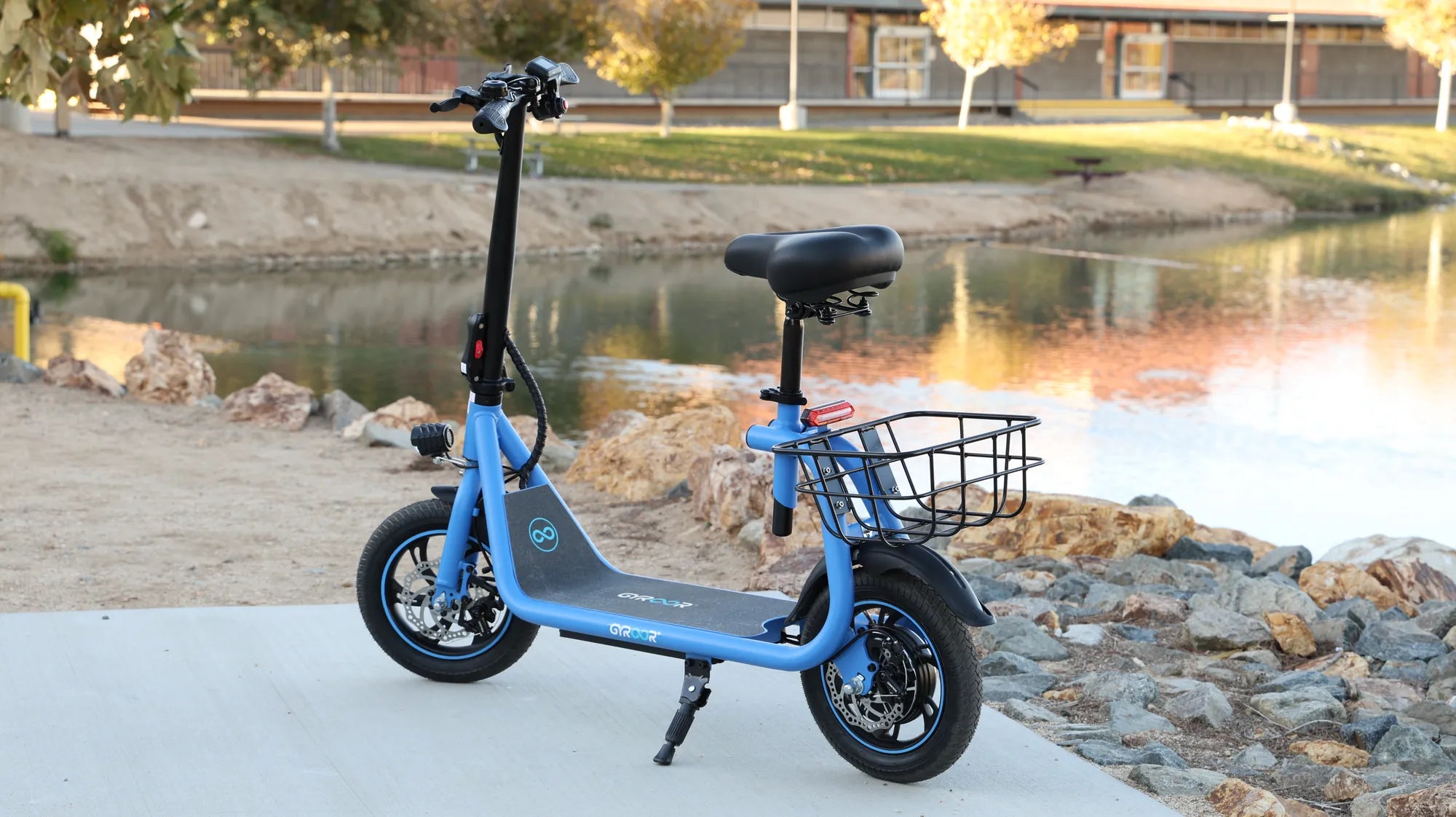
Selecting the right scooter for a 7-year-old boy is about more than just a toy; it's about gifting independence, encouraging outdoor play, and building foundational motor skills. At this pivotal age, a scooter becomes a tool for adventure, physical development, and social fun. Parents, however, face a critical decision filled with questions about safety, durability, and value. This guide cuts through the noise, providing a data-driven, feature-focused analysis to help you choose a scooter that delivers peace of mind and pure joy. You'll learn to prioritize essential safety features, understand the pros and cons of different scooter types, and discover how quality engineering from trusted brands like Gyroor creates a reliable platform for your child's two-wheeled adventures.
Key Features to Prioritize in a Scooter for a 7-Year-Old
The ideal scooter for a 7-year-old boy must be a harmonious blend of safety, adjustability, and rugged construction. This age group is energetic, growing rapidly, and still refining their coordination. A scooter that is poorly sized or unstable can quickly turn fun into frustration or, worse, a safety hazard. The core features you choose directly impact your child's confidence and control on the pavement.
Focus on components that enhance stability. A wider deck provides a more secure footing, which is crucial for a child still mastering balance during turns and stops. The braking system should be intuitive and effective; a rear fender brake activated by stepping down is often safer and simpler for young riders than hand-operated brakes, which require more hand strength and coordination. Non-slip grip tape on the deck is a non-negotiable feature to prevent feet from sliding during rides.
Adjustability is the key to longevity. A 7-year-old can experience significant growth spurts. A scooter with a telescoping handlebar that adjusts from approximately 24 inches to 36 inches can comfortably accommodate your child for several years, ensuring proper posture and control. The overall weight of the scooter is equally important. A model that is too heavy becomes difficult to carry or maneuver, while one that is too light may feel flimsy. Aim for a robust yet manageable weight, typically between 5 to 10 pounds for kick scooters.
Finally, durability dictates value. Look for frames constructed from aircraft-grade aluminum, which offers an excellent strength-to-weight ratio. Critical components like the steering column and axle should be reinforced steel. High-quality polyurethane (PU) wheels provide a smooth ride, good shock absorption, and long-lasting wear. These material choices ensure the scooter can withstand the jumps, curb drops, and general rough treatment that come with an active 7-year-old's play.
Safety First: Engineering Stability and Control
When evaluating a scooter for a 7-year-old boy, safety is the paramount concern that influences every other design decision. A safe scooter is one that empowers the rider with predictable handling and multiple fail-safes, preventing accidents before they happen. The engineering focus must be on creating a stable, controllable platform that builds a child's confidence with each ride.
The foundation of safety is a low center of gravity. This is achieved through a deck that is not only wide but also positioned close to the ground. A lower deck makes it easier for a child to step on and off quickly and reduces the distance they can fall. Combined with a wheelbase that is long enough for stability but short enough for agile turning, this design significantly minimizes the risk of tipping over during sharp maneuvers or sudden stops.
Braking systems require special attention. The rear fender brake is highly recommended for beginners. It's operated by the rider's foot, applying pressure directly to the rear wheel. This method is intuitive, as it mimics the natural motion of stopping with your foot, and it keeps both hands firmly on the handlebars for steering control. Some advanced models may include a hand brake, but for a 7-year-old, the simplicity and reliability of a foot brake are superior. The brake pad material should be durable and provide consistent stopping power without locking the wheel.
Control extends to the handlebars and steering mechanism. T-bar handlebars offer a natural, comfortable grip position. The steering column should have a slight restriction or dampening to prevent "speed wobbles" at higher velocities—a phenomenon where the front wheel shakes violently. This is often managed through a patented lean-to-steer technology or a well-tuned bearing system. Additionally, handlebar ends must be capped with durable, non-slip grips to ensure hands stay in place, and the ends themselves should be covered to prevent injury in a fall.
The Right Fit: Navigating Adjustability and Ergonomics
A perfectly fitted scooter transforms the riding experience from a challenging activity into a natural extension of your child's movement. For a 7-year-old boy, whose physical proportions can change noticeably within a year, an adjustable scooter is not a luxury but a necessity. Proper ergonomics prevent strain, improve control, and ensure the scooter remains a favorite toy for seasons to come.
The most critical adjustable feature is the handlebar height. The ideal position allows your child to stand upright on the deck with a slight bend in the elbows when gripping the handles. If the handlebars are too low, it forces a hunched posture, straining the back and limiting steering range. If they are too high, control becomes vague and unstable. A telescoping handlebar system with a simple, tool-free adjustment mechanism allows for quick changes as your child grows, typically offering a range that suits children from 6 to 12 years old.
Deck size also contributes to a good fit. The deck should be long enough for your child to place both feet comfortably side-by-side in a stable stance, but not so long that it becomes cumbersome to kick. A deck width of 4 to 5 inches is standard and provides ample room for secure footing. The texture of the deck surface is part of ergonomics; aggressive, non-slip grip tape is essential to keep feet planted, especially during the kick-off phase and when braking.
Finally, consider the overall weight and portability. A 7-year-old should be able to easily lift and carry the scooter for short distances, such as up a porch step or into a car trunk. A scooter weighing between 6 and 9 pounds is generally manageable. Lightweight aluminum frames make this possible without sacrificing strength. The ease with which a child can handle the scooter off the road directly impacts their independence and willingness to use it frequently.
Durability for Energetic Riders: Assessing Build Quality and Materials
The durability of a scooter for a 7-year-old boy is a direct test of its construction quality. This is not a product that will see gentle use; it will be subjected to jumps off curbs, rides over rough terrain, sudden impacts, and likely a few crashes. Investing in a scooter built with premium materials is an investment in long-term safety, performance, and overall value, sparing you from constant repairs or premature replacement.
The frame is the scooter's skeleton. Aircraft-grade aluminum, such as 6061-T6 alloy, is the industry benchmark. It provides exceptional strength and rigidity while remaining remarkably light. It's also highly resistant to corrosion, ensuring the scooter looks good through seasons of outdoor use. Avoid frames made from lower-grade metals or plastics, as they can bend, crack, or fatigue under stress, creating serious safety risks.
Moving parts demand the most robust materials. The steering column, which connects the handlebars to the front wheel, undergoes tremendous torsional stress. A reinforced steel column or a high-strength aluminum alloy with a steel core is essential for maintaining alignment and preventing failure. Similarly, the axles that hold the wheels must be made of hardened steel to resist bending. The folding mechanism, if present, should have a solid, positive lock with steel pins or latches to prevent accidental collapse during a ride.
Wheels and bearings are the heart of the ride quality. High-rebound polyurethane (PU) wheels between 120mm and 200mm in diameter offer a smooth roll over cracks and small debris. Larger wheels handle bumps better. The wheels' hardness (durometer) affects grip and wear; a medium hardness provides a good balance. Sealed, precision ABEC-rated bearings are crucial. They spin freely for maximum speed with each kick, are protected from dirt and moisture, and require no maintenance. A scooter with poor bearings will feel slow and sluggish, robbing your child of fun and momentum.
Kick Scooter vs. Electric Scooter: Making the Informed Choice
The decision between a traditional kick scooter and an electric model for a 7-year-old boy is fundamental, impacting exercise, skill development, supervision, and budget. Each type serves a different primary purpose and comes with its own set of considerations. A clear, objective comparison allows parents to align their choice with their child's maturity, the intended riding environment, and family values around activity and technology.
A kick scooter is the classic choice, powered solely by the rider's leg. Its primary benefits are physical development and foundational skill-building. It provides excellent cardiovascular exercise, strengthens leg muscles, and hones gross motor skills, balance, and coordination. It's also mechanically simple, with very low maintenance needs beyond occasional wheel and bearing checks. For a 7-year-old, a kick scooter is perfect for daily play in the driveway, park, or sidewalk, offering unlimited ride time and fostering a sense of pure, active play.
An electric scooter introduces a new dimension: powered mobility. It's powered by a battery and motor, controlled by a thumb throttle or button. For a responsible 7-year-old under strict supervision, it can be a thrilling introduction to personal electric transport. However, it shifts the focus from physical exertion to learning throttle control, more advanced balance at potentially higher speeds, and battery management. It requires charging, has more complex components, and mandates a higher level of parental oversight regarding speed limits and riding zones.
| Feature | Kick Scooter | Electric Scooter (Beginner Model) |
|---|---|---|
| Skill Development | Motor skills, balance, leg strength, coordination. | Throttle control, advanced balance, battery awareness. |
| Speed & Control | Child-controlled, limited by their kicking power. | Parent-limited via speed settings (e.g., 7-10 mph max). |
| Exercise & Play | High physical activity, unlimited ride time. | Low physical activity, limited by battery runtime (~40-60 mins). |
| Maintenance | Very low (wheels, bearings, bolts). | Higher (battery care, charging, electrical components). |
| Ideal Use Case | Daily unstructured play, parks, sidewalks. | Supervised rides on smooth pathways, family outings. |
| Cost & Value | Generally lower cost, longer lifespan. | Higher initial investment, tech-dependent. |
The choice is not necessarily either/or. Many families start with a high-quality kick scooter to master the fundamentals. Later, as the child demonstrates responsibility and the family's needs evolve, a beginner electric scooter with strict speed governors and robust safety features can be a considered upgrade. The key is matching the scooter's capabilities to the child's maturity and the parents' comfort level with supervision.
Why Trust Gyroor for Your Child's Ride?
When entrusting your child's safety to a product, brand reputation and engineering integrity matter immensely. Gyroor has established itself as a leader in personal electric mobility, principles that directly translate to their designs suitable for younger riders. Choosing a Gyroor scooter for a 7-year-old boy means investing in a product where safety certifications, durable construction, and reliable support are foundational, not afterthoughts.
Peace of mind begins with verified safety. For any electric model, the battery is the most critical safety component. Gyroor uses exclusively UL-certified battery packs in their products. This certification means the battery cells and management system have undergone rigorous independent testing for hazards like overcharging, short-circuiting, and thermal runaway. This is a vital safeguard often overlooked in lesser brands. Furthermore, an IPX5 water-resistant rating on key components means the scooter can handle wet pavement and light rain without immediate damage, ensuring play doesn't have to stop at the first puddle.
The build quality reflects a commitment to longevity. Utilizing aircraft-grade aluminum frames and reinforced steel components, Gyroor scooters are designed to withstand the rigors of active use. This durability protects your investment, as the scooter is less likely to fail from regular impacts or stress. This robust construction directly contributes to ongoing safety, as a bent frame or failed component can lead to accidents.
Finally, Gyroor backs its products with a clear promise: a comprehensive 1-year warranty and accessible customer support. This warranty covers defects in materials and workmanship, acting as a safety net for your purchase. For parents, this translates to confidence. It signifies a brand that stands behind its claim of creating reliable, safe products for families, trusted by over 100,000 riders across North America and Europe.
Top Picks and Essential Riding Tips for a Great Start
Equipped with knowledge of features and safety, selecting a specific model and establishing good riding habits are the final steps. The goal is to pair a well-suited scooter with proactive guidance to ensure every outing is both fun and safe. Here are considerations and non-negotiable tips for launching your 7-year-old's scooting journey.
For a traditional, skill-building experience, a Gyroor two-wheel kick scooter with an adjustable telescoping handlebar, wide aluminum deck, rear fender brake, and large PU wheels is an excellent choice. It emphasizes durability, safety, and growth adjustability. For families considering a first electric experience, a model like the Gyroor Kids' Electric Scooter with a speed limit of 7.5 mph, a UL-certified battery, a rear foot brake, and a lean-to-steer system for stability would be appropriate. Its lower speed and robust safety features make it a controlled introduction to powered rides.
Before the first ride, gear is non-negotiable. A properly fitted CPSC-certified bicycle helmet is an absolute must. Elbow and knee pads are highly recommended, especially during the learning phase. Dress your child in closed-toe shoes with good grip—never sandals or flip-flops.
Start the learning process in a safe, controlled environment. An empty parking lot, smooth driveway, or quiet cul-de-sac is ideal. Practice the basics: mounting and dismounting, placing feet on the deck, gentle kicking, and using the brake to stop. Supervise closely until they demonstrate consistent control. Establish clear rules: no riding near roads or driveways, be aware of pedestrians, avoid wet leaves or sand, and always check the scooter for loose parts before riding. A few minutes of pre-ride inspection can prevent accidents.
Frequently Asked Questions (FAQ)
What is the appropriate wheel size for a 7-year-old?
For kick scooters, wheel sizes between 120mm (4.7 inches) and 200mm (8 inches) are common. Larger wheels (around 200mm) provide a smoother ride over bumps and cracks, offering more stability and requiring less effort to maintain speed. They are generally recommended for a 7-year-old who may ride on varied surfaces. Smaller wheels are more agile for tricks but can get caught on obstacles more easily.
Are electric scooters safe for a child this age?
Electric scooters can be safe for a responsible 7-year-old under strict parental supervision and with the right product features. Key safety elements include a strictly limited top speed (ideally 7-10 mph), a reliable braking system (preferably a foot brake), a stable deck and frame, and a UL-certified battery. They are not suitable for unsupervised play. The child must demonstrate good balance and the ability to understand and follow safety rules before using one.
How do I maintain the scooter to ensure its longevity?
Regular maintenance is simple but crucial. For kick scooters: periodically check and tighten all bolts (handlebar clamp, wheel axles, brake assembly). Inspect wheels for wear and replace if they become uneven or cracked. Clean the deck grip tape with a damp cloth. For electric scooters: follow all battery care instructions (avoid full discharges, store in cool dry places). Keep the scooter dry and clean. Check tire pressure if applicable, and listen for any unusual noises from bearings or the motor. Always refer to the manufacturer's manual.
What if my child outgrows the scooter quickly?
This is why an adjustable handlebar is the most important feature for longevity. A quality scooter with a telescoping stem can often accommodate a child from ages 5 or 6 up to 12. By investing in a model with a wide height range, you ensure the scooter remains ergonomically correct for years, maximizing its value. Focus on durable construction so it physically lasts through that entire growth period.
What safety gear is absolutely essential?
A CPSC-certified bicycle helmet is mandatory for every single ride. It should fit snugly without rocking. Additional essential gear includes knee pads and elbow pads, which protect the most commonly injured areas in falls. Wrist guards are also highly recommended, as falls often involve putting hands out to brace. Always wear closed-toe, sturdy shoes.
Conclusion: Building Confidence and Joy on Two Wheels
Choosing the perfect scooter for a 7-year-old boy is an investment in their active childhood, fostering independence, coordination, and a love for the outdoors. The right choice balances unbridled fun with unwavering safety, achieved through thoughtful design, quality materials, and appropriate features. By prioritizing stability, adjustability, and durability, you select a scooter that grows with your child and withstands their adventures. Whether opting for the active simplicity of a kick scooter or the supervised thrill of a speed-limited electric model, the foundation is a trusted brand that engineers for peace of mind. A Gyroor scooter, backed by safety certifications and robust support, lets the focus remain where it belongs: on the wind in his face and the confidence gained with every successful ride. Ready to find the ideal match for your young rider? Browse the full Gyroor collection at gyroorboard.com to explore scooters designed for safety, durability, and endless fun.
Mobility Scooter Weight Capacity 400 lbs: The Complete Guide to Safety & Performance
Trike Motorcycle Brands: The Ultimate Guide to Three-Wheeled Riding