


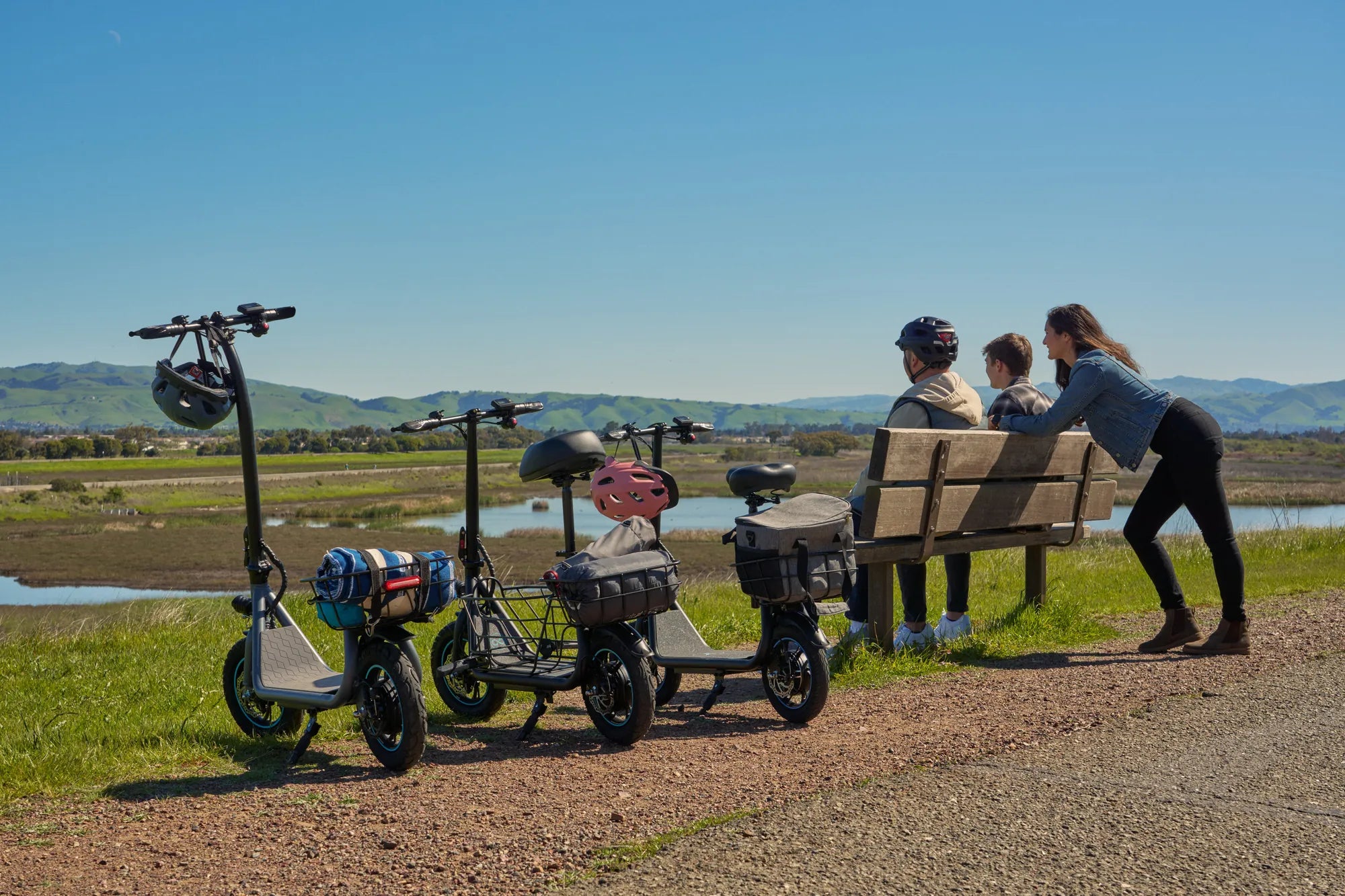
Finding the right scooter for boys age 6 is a pivotal decision that goes beyond a simple toy purchase. At this developmental stage, a scooter becomes a tool for building confidence, coordination, and a love for active outdoor play. The ideal model must prioritize safety without compromising on the fun that keeps a child engaged. This guide will provide you with a detailed, evidence-based framework for selecting a scooter that fits your child's current abilities, encourages growth, and stands up to the rigors of daily use. You will learn to decode specifications, understand critical safety features, and compare scooter types to find the perfect match for your young rider's adventures.
Understanding the Right Fit: Key Factors for a 6-Year-Old's Scooter
Selecting a scooter for a six-year-old requires a focus on ergonomics and developmental appropriateness. The primary goal is to find a scooter that the child can control comfortably, which directly impacts safety and enjoyment. Key specifications are not mere numbers; they are guardrails for a positive riding experience.
The scooter's weight limit is the most critical technical spec. Most quality scooters for this age group support riders between 44 and 110 pounds. Choosing a scooter rated for your child's weight ensures structural integrity and reliable performance. The scooter's own weight is equally important. A model weighing between 5 to 8 pounds is ideal, as it is light enough for a child to carry and maneuver but heavy enough to feel stable.
Adjustable handlebars are a non-negotiable feature for a scooter for boys age 6. They allow you to set the bar height between approximately 24 to 32 inches from the deck, aligning with the child's waist. Proper handlebar height promotes an upright, balanced posture and prevents hunching, which can lead to fatigue and loss of control. This adjustability also extends the scooter's useful life by accommodating growth spurts.
Wheel composition and size dictate ride quality and durability. For six-year-olds, polyurethane (PU) wheels are superior to hard plastic. PU wheels, typically 120mm to 150mm in diameter, offer better shock absorption, a smoother ride on pavement, and improved grip. The wheel's durometer (hardness) rating, often around 82A, provides a balance of speed and durability. These features make the scooter suitable for various surfaces, from smooth driveways to slightly rough park paths.
Safety First: Non-Negotiable Features for Young Riders
Safety is the paramount concern when evaluating any scooter for boys age 6. The design must incorporate passive and active safety elements to protect a rider who is still developing judgment and reaction times. These features work together to create a secure riding environment.
A reliable braking system is the most crucial active safety component. For beginners, a rear fender brake—activated by stepping down on the rear wheel cover—is often the safest and most intuitive. It allows the child to brake without removing hands from the handlebars. Some advanced models for this age may feature a hand-operated brake, which requires more coordination. Regardless of type, the brake must provide smooth, progressive stopping power without locking the wheel.
The deck design is a foundational safety element. A wide, textured deck provides a stable platform for both feet. Anti-slip grip tape or a raised, patterned surface is essential to prevent feet from sliding during kicks or turns. The deck should be low to the ground to lower the center of gravity, enhancing stability and making it easier for the child to step on and off safely.
Visibility enhancements are critical passive safety features. Bright, non-fading colors like neon orange, green, or blue make the child more visible to drivers and pedestrians. Reflective stickers or strips on the deck and wheels are invaluable for low-light conditions during evening play. These simple additions significantly increase the margin of safety around roads and driveways.
Finally, structural integrity is a silent safety guardian. All fasteners, especially those on the folding mechanism and handlebar clamp, must be secured with child-proof locks or require a tool to adjust. This prevents accidental collapse during riding. The steering column should have a limiter to prevent sharp, dangerous turns that could lead to a fall.
Skill Development & Fun: Choosing a Scooter That Grows With Them
A well-chosen scooter for boys age 6 is a dynamic tool for physical and cognitive development. It should challenge the child appropriately, fostering a sense of achievement while making the learning process enjoyable. The right scooter turns practice into play.
For absolute beginners or cautious riders, a 3-wheel scooter with a lean-to-steer mechanism is highly recommended. This design links the front two wheels to the handlebars through a leaning action, not a direct turn. To turn left, the child leans left. This intuitive system teaches balance and steering coordination without the immediate risk of tipping associated with a traditional 2-wheel scooter. It builds foundational skills in a safe, confidence-boosting way.
As a child masters balance, transitioning to a classic 2-wheel kick scooter is the next step. This model demands and develops finer motor skills, core strength, and independent balancing. The act of kicking propels coordination between the standing leg and the kicking leg, while steering requires precise weight distribution. Mastery of a 2-wheel scooter often translates directly to easier learning of bicycle riding later on.
The fun factor is driven by smooth performance and a sense of speed. High-quality, smooth-rolling bearings (ABEC-5 or similar) in the wheels make kicking less effortful and the ride faster and more satisfying. A scooter that responds predictably to input encourages longer play sessions and more vigorous physical activity. Lightweight construction, as emphasized by brands like Gyroor, ensures the scooter is a partner in fun, not a burden to handle or transport.
Durability directly contributes to long-term enjoyment. A scooter constructed from aircraft-grade aluminum or reinforced polymer can withstand jumps off curbs, minor crashes, and all-weather play. This resilience means the scooter remains a source of fun for years, potentially being passed down to a younger sibling, maximizing its value and the memories it helps create.
Top Scooter Styles for 6-Year-Old Boys: A Practical Comparison
Understanding the distinct categories of scooters available is key to matching a model to your child's personality and skill level. The market for a scooter for boys age 6 generally breaks down into three main styles, each with specific advantages and ideal use cases.
3-Wheel Lean-to-Steer Scooters
This style is the premier choice for beginners. Its three-wheel configuration (two front, one rear) offers inherent stability. The unique lean-to-steer mechanism teaches turning through body movement, which is a natural and safe learning progression. These scooters are perfect for building initial confidence on smooth, flat surfaces like sidewalks and playgrounds.
2-Wheel Kick Scooters
The classic two-wheel scooter is for the child who has developed basic balance or is ready for a challenge. It requires and hones advanced coordination. These models are generally faster, more maneuverable, and better suited for children who have outgrown the training-wheel feel of a 3-wheeler. They are the standard for developing true scooting proficiency.
Maxi or Off-Road Style Scooters
Designed for the adventurous rider, these scooters feature larger, air-filled or wide, rugged tires and a more robust frame. They are built to handle grass, gravel, dirt paths, and other uneven terrain. While often heavier, they open up a wider range of riding environments and are excellent for active play in parks or on trails.
| Style | Best For | Key Feature | Skill Level |
|---|---|---|---|
| 3-Wheel (Lean-to-Steer) | Beginners, Safety-First | Inherent Stability, Intuitive Steering | Novice |
| 2-Wheel Kick Scooter | Skill Development, Agility | Maneuverability, Speed | Intermediate to Advanced |
| Maxi/Off-Road | Adventure, All-Terrain | Large Tires, Durable Frame | Confident Rider |
The Gyroor Promise: Building Trust for Your Child's First Rides
When selecting a scooter for boys age 6, trust in the manufacturer is as important as the product's features. Gyroor applies its core engineering principles, developed for high-performance adult electric scooters and e-bikes, to create exceptionally reliable youth products. This translates into tangible safety and durability benefits for young riders.
Safety begins with construction. Gyroor utilizes reinforced aluminum alloy frames that are both lightweight and impact-resistant, capable of handling the dynamic stresses of a child's play. Our commitment to certified safety is exemplified by our use of UL-certified battery packs in our powered models—a standard rarely seen in the youth segment, ensuring unparalleled electrical safety and long-term reliability over 500+ charge cycles.
Durability is engineered for real-world use. Gyroor scooters feature IPX5 water-resistant designs, meaning they can withstand splashes from wet pavement or accidental sprays, protecting internal components. The decks are coated with military-grade, anti-slip grip tape that maintains traction even when wet, and the PU wheels are rated for high wear resistance to last through seasons of active riding.
This robust build quality is backed by a reliable 1-year warranty, offering parents significant peace of mind. It reflects our confidence in the product and our commitment to standing behind it. With over 100,000 riders trusting Gyroor across North America and Europe, the brand's reputation for quality and safety is built on a foundation of positive real-world experiences and a 4.5/5 average customer rating.
Maintenance and Care: Extending the Life of the Scooter
Proper maintenance ensures a scooter for boys age 6 remains safe and functional for its entire lifespan. A few simple, regular checks can prevent accidents and costly repairs, teaching the child responsibility for their gear.
Conduct a pre-ride safety check. Before each use, quickly test the brakes to ensure they engage smoothly and bring the scooter to a stop. Give the handlebars and stem a firm shake to check for any looseness or wobble. Visually inspect the wheels for significant wear, cracks, or debris lodged in the bearings.
Perform monthly tightening and lubrication. Using the provided tools, check and tighten all bolts, especially those on the folding mechanism, handlebar clamp, and wheel axles. Apply a drop of lightweight lubricant to the wheel bearings and the brake pivot point (if applicable) to keep them rolling and operating smoothly. Avoid over-tightening, which can strip threads.
Clean the scooter regularly. Wipe down the deck, frame, and wheels with a damp cloth to remove dirt and grit that can accelerate wear. For tougher grime, use a mild soap solution. Never use a high-pressure hose, as it can force water into bearings and other sensitive components. Dry the scooter thoroughly after cleaning or riding in wet conditions.
Store the scooter properly. Keep it in a dry place, away from direct sunlight and extreme temperatures, which can degrade plastics and rubber over time. If the scooter folds, store it in the folded position to save space and reduce stress on the frame. Proper storage is the simplest way to preserve its appearance and functionality.
Parent's FAQ: Your Scooter Questions, Answered
Q: Is a helmet absolutely necessary for a 6-year-old on a scooter?
A> Yes, a properly fitted CPSC-certified bicycle helmet is non-negotiable. Head injuries are a leading cause of scooter-related emergency room visits. Elbow and knee pads are also highly recommended, especially for beginners.
Q: What is a reasonable price range for a good-quality scooter?
A> For a durable, feature-rich scooter for boys age 6 from a reputable brand, expect to invest between $60 and $150. This price point typically ensures safe materials, reliable construction, adjustable components, and a warranty. Significantly cheaper models often compromise on safety and durability.
Q: When should my child transition from a 3-wheel to a 2-wheel scooter?
A> The transition is readiness-based, not age-based. Look for signs: the child can ride the 3-wheeler at good speed, make controlled turns without foot-dragging, and expresses a desire for more speed or challenge. There is no harm in staying on a 3-wheeler until they are fully confident.
Q: Where are the best and safest places for a 6-year-old to ride?
A> Start on smooth, flat, private surfaces like a driveway, empty tennis court, or smooth playground asphalt. Always avoid roads, streets, or areas with vehicle traffic. Designated bike paths can be suitable with close adult supervision, ensuring the child stays to the right and yields to others.
Q: How do I know when the scooter wheels need replacing?
A> Inspect the wheels regularly. Key signs include visible flat spots, significant cracking in the urethane, or a pronounced "cone" shape from uneven wear. Worn wheels provide less grip and a bumpier ride, increasing the risk of slipping. Replacement wheels are often available from the manufacturer.
Final Checklist & Conclusion: Ready, Set, Roll!
Before you finalize your purchase for a scooter for boys age 6, run through this actionable checklist. Verify the scooter's weight limit exceeds your child's current weight. Confirm the scooter itself is lightweight (5-8 lbs) for easy handling. Ensure the handlebars are adjustable to the correct height. Check for a reliable, easy-to-use braking system. Inspect the deck for a wide, anti-slip surface. Finally, choose a model from a reputable brand that offers a clear warranty for peace of mind.
The journey to finding the perfect scooter is an investment in your child's active childhood. The right model—one that prioritizes safety through stable design and reliable brakes, fosters skill development with an appropriate challenge level, and delivers fun through smooth performance—can ignite a passion for outdoor play that lasts for years. It’s a tool for building confidence, coordination, and independence one push at a time.
For parents seeking a blend of innovative design, rigorous safety standards, and proven durability, exploring youth-oriented models from trusted brands is the logical next step. Discover a range of options built to inspire confidence in both rider and parent. Browse the full Gyroor collection at gyroorboard.com to find a scooter that turns every ride into an adventure.
8000 Watt Scooter: The Ultimate Guide to Extreme Power & Performance
270 30-14 Scooter Tire: The Ultimate Guide to Size, Performance & Safety