


Introduction: Why a Scooter is a Fantastic First Ride for Your 4-Year-Old
Selecting the right scooter for a 4-year-old is a significant decision that impacts their physical development, confidence, and love for outdoor play. This guide, "Scooter for Kids 4 Years: The Ultimate Guide to Choosing the Best Ride," is designed to equip you with the knowledge to make the best choice. A quality scooter at this age is more than a toy; it's a developmental tool that enhances gross motor skills, balance, coordination, and spatial awareness.
For parents navigating this purchase, understanding the difference between a generic toy and a properly engineered ride is crucial. Brands like Gyroor, a leading electric scooter and e-bike brand trusted by over 100,000 riders across North America and Europe, set the standard with features like UL-certified batteries and robust construction. This guide will dissect every component, from wheel configuration to braking systems, ensuring your child's first wheels are both safe and exhilarating.
The journey to finding the ideal scooter for kids 4 years old begins with safety but extends to durability, adjustability, and pure fun. We will explore why certain designs are superior for preschoolers, how to match a scooter to your child's specific needs, and what features guarantee a product that grows with them. Investing in a well-made scooter now can provide seasons of reliable outdoor activity, making it a cornerstone of an active childhood.
Key Safety Features You Cannot Compromise On
Safety is the non-negotiable foundation when choosing any product for a young child. A scooter for a 4-year-old must be designed with their developing coordination and judgment in mind. Compromising on core safety features can lead to frustration, falls, and a loss of confidence. The best models integrate safety into their fundamental design, not as an afterthought.
Critical safety elements include a stable wheelbase, reliable braking, and appropriate speed control. For a preschooler, the scooter should feel secure and predictable. Features like wide decks, low centers of gravity, and intuitive controls are paramount. Brands committed to family safety, such as Gyroor, build these principles into their youth models, ensuring peace of mind for parents from the first push-off.
It is essential to verify that any scooter you consider meets or exceeds basic safety standards for children's toys. Look for certifications and transparent testing data. A scooter that prioritizes safety will foster a positive learning experience, allowing your child to focus on mastering the skill rather than fighting an unstable or poorly designed machine.
Stability and Balance: The 3-Wheel Advantage
For a 4-year-old, a 3-wheel scooter is almost always the correct starting point. The classic two-wheel scooter requires a level of balance and coordination that most preschoolers are still developing. A three-wheel configuration, particularly one with two wheels at the front (a lean-to-steer or fixed front axle design), provides a stable platform that prevents tipping during straight-line riding and gentle turns.
This design offers a "self-centering" stability that helps children learn steering mechanics without the immediate risk of falling over. As they lean to turn, the geometry of the front wheels guides the scooter smoothly. This builds muscle memory and confidence progressively. Choosing a scooter for kids 4 years old with a 3-wheel setup is a fundamental safety decision that supports the learning curve.
Not all 3-wheelers are equal. The spacing (wheelbase) and size of the wheels contribute significantly to stability. A wider front axle and larger diameter wheels offer more confidence on uneven surfaces. When evaluating options, ensure the three-wheel design is the core of the model's engineering, not a superficial add-on.
Adjustable Handlebar Height and Weight Limit
An ergonomic fit is critical for control and safety. A scooter with an adjustable handlebar allows you to tailor the ride to your child's exact height, ensuring they can stand upright with a slight bend in their elbows. This posture promotes better balance, clearer forward vision, and more effective steering input. A handlebar that is too high or too low can lead to awkward, unsafe riding positions.
Look for T-bar handles with a simple, tool-free adjustment mechanism, often a push-button or quick-release clamp. This allows for easy growth adjustments throughout the season and from year to year. A good range of adjustability (typically 4-6 inches) can extend the scooter's usable life significantly. For a scooter for kids 4 years old, an adjustable handlebar is a feature that directly impacts safety and longevity.
Equally important is the scooter's maximum weight limit. This specification indicates the structural integrity of the frame, deck, and wheels. A higher weight limit (e.g., 110 lbs vs. 65 lbs) generally signifies a more robust construction using better materials. It also provides a larger safety margin and ensures the scooter remains stable and responsive as your child grows. Always choose a model rated well above your child's current weight.
Braking System: Easy and Reliable Stopping Power
The ability to stop safely and predictably is paramount. For young children, a simple, intuitive braking system is best. A rear fender brake (or foot brake) is the industry standard for beginner scooters. To stop, the child simply presses down on the rear fender with their foot, creating friction against the rear wheel. This method is easy to learn and doesn't require the fine motor skills needed to operate a handbrake lever.
Hand brakes are generally not recommended for 4-year-olds. They can be difficult to squeeze with sufficient force, may cause the child to jerk the handlebars, and can lead to over-braking and tipping. The focus should be on mastering balance, steering, and the basic foot-brake motion. The brake pad material should be durable and provide consistent stopping power without being overly grabby on smooth surfaces.
When testing or researching, check that the rear fender is made of a sturdy, flexible material that won't crack and is securely attached to the deck. The braking action should be smooth and progressive. A reliable brake gives both the child and parent confidence, making rides in parks or on sidewalks much safer.
Scooter Design & Usability for Preschoolers
Beyond core safety, the design of the scooter determines how usable, enjoyable, and durable it will be. A scooter for a 4-year-old must be built to withstand enthusiastic use while being easy for both the child to ride and the parent to manage. Thoughtful design touches can transform a simple scooter from a short-lived toy into a beloved piece of play equipment.
Usability encompasses everything from the texture of the deck grip to the smoothness of the wheel bearings. A well-designed scooter feels responsive and fun, encouraging repeated use. It should also consider practicalities like storage and transport, making it easy to bring along on family outings. These factors contribute to the overall value and satisfaction of your purchase.
Evaluating design requires looking at the quality of materials and the intelligence of the engineering. Plastic-heavy constructions may be lightweight but often lack durability. A focus on metal frames, high-grade polymers, and sealed components indicates a product designed for real-world play. This is where established brands with a reputation for quality, like Gyroor, distinguish themselves from disposable alternatives.
Deck Size, Material, and Foot Placement
The deck is the scooter's platform and the child's primary point of contact. For a 4-year-old, a wide and relatively short deck is ideal. A wide deck (typically 4 inches or more) provides ample space for both feet to stand side-by-side or in a comfortable staggered stance, which is crucial for balance during pushing and coasting. A deck that is too narrow can feel unstable and tiring.
The deck should also be low to the ground. A low deck height lowers the scooter's center of gravity, dramatically increasing stability and making it easier for a small child to step on and off. The deck material must feature a pronounced, non-slip grip tape or molded pattern. This ensures feet stay planted during rides and when using the foot brake, preventing slips that could lead to falls.
Deck construction is key. Aluminum or reinforced composite decks offer the best blend of strength and light weight. They resist flexing and cracking under stress. A sturdy deck is a sign of a scooter built to last through the energetic and sometimes rough play of a preschooler, making it a core consideration in your search for the best scooter for kids 4 years old.
Wheel Type and Size: Smooth Rides on Various Surfaces
Wheels are the interface between the scooter and the ground, directly affecting ride quality, speed, and comfort. For a child's scooter, polyurethane (PU) wheels are vastly superior to hard plastic wheels. PU wheels are softer, providing better shock absorption, a smoother ride over sidewalk cracks and small pebbles, and much quieter operation. They also offer superior grip on pavement.
Larger diameter wheels (e.g., 120mm or more) roll over obstacles more easily than smaller wheels, requiring less effort from the child to maintain momentum. They also typically house higher-quality bearings. The bearings, rated by an ABEC scale (e.g., ABEC-5 or ABEC-7), determine how freely the wheels spin. Better bearings mean the scooter rolls farther with each push, reducing fatigue and increasing fun.
Consider the riding environment. If your child will primarily use the scooter on smooth, indoor surfaces, slightly harder wheels may suffice. For outdoor use on typical pavement, prioritize larger, PU wheels with sealed bearings to keep dirt and moisture out. This combination ensures a gliding, effortless feel that makes scooting a joy rather than a chore.
Portability and Parent-Friendly Features
A scooter is a mobile activity, so its portability is a major usability factor for parents. A lightweight frame is essential—typically between 5 and 8 pounds for a non-electric model. This allows a 4-year-old to maneuver it easily and lets a parent carry it without strain when necessary. However, lightness should not come at the expense of structural integrity; the frame must still feel solid.
Parent-friendly features greatly enhance convenience. A quick-fold mechanism that allows the handlebar to fold down to the deck with a single action is invaluable for storage in car trunks, closets, or while using public transport. Some models feature a carry handle built into the deck or a hook on the stem. These small design elements make a significant difference in daily life, ensuring the scooter is used more often because it's easy to bring along.
When comparing models, assess how it feels to carry. Are there sharp edges? Does it balance well when folded? A scooter designed with the whole family in mind will integrate these practical features seamlessly, reflecting a brand's understanding of its customers' real-world needs.
Gyroor's Commitment to Quality and Peace of Mind
When selecting a scooter for a young child, the brand's reputation and commitment to quality are paramount. Gyroor has established itself as a leader in personal electric transport by adhering to rigorous safety and performance standards. This same philosophy is applied to their approach to youth mobility, offering parents a trusted source for durable, well-engineered products.
The brand's foundation is built on core principles that directly benefit the end-user: certified safety, resilient design, and strong customer support. For a parent, these translate into tangible peace of mind. You are not just buying a product; you are investing in a ecosystem of safety testing, reliable performance, and accessible service should you ever need it.
Understanding these brand differentiators helps explain why a Gyroor-grade scooter may represent a better long-term value than a generic option. The initial investment is supported by superior materials, thoughtful engineering, and protective warranties, reducing the total cost of ownership and ensuring a safer, more enjoyable experience for your child.
UL-Certified Batteries and Electrical Safety
For any electric-assisted model or when considering future upgrades, battery safety is the highest priority. Gyroor utilizes UL-certified lithium-ion battery packs in all its electric models. UL (Underwriters Laboratories) certification is a globally recognized safety standard, indicating the battery has undergone extensive testing for electrical, mechanical, and fire hazards.
These batteries are engineered for stability and longevity, rated for 500+ charge cycles while maintaining performance and safety. This certification is a critical differentiator, especially in a market where uncertified, low-quality batteries can pose significant risks. For a parent, choosing a brand that prioritizes this level of verified electrical safety is a non-negotiable aspect of responsible purchasing.
Even for non-electric kick scooters, Gyroor's adherence to high manufacturing standards in this area reflects a company-wide culture of safety. It demonstrates a commitment to quality control that likely extends to the welding, materials, and assembly of their entire product line, including scooters designed for kids as young as 4 years old.
IPX5 Water Resistance and Durable Construction
Children's toys will encounter water, whether from a sudden puddle, a damp lawn, or a routine cleaning. An IPX5 water-resistant rating on relevant components means the scooter is protected against low-pressure water jets from any direction. This resilience allows for easy hosing off of dirt and grime and ensures the scooter can handle real-world conditions without immediate damage to bearings or structural joints.
This durability is complemented by overall robust construction. Gyroor models typically feature reinforced aluminum alloy frames, high-impact polymer components where appropriate, and corrosion-resistant fasteners. This build quality ensures the scooter can withstand the drops, bumps, and general roughhousing that are part of a 4-year-old's play, extending its lifespan significantly beyond that of a flimsier toy-store model.
Durability directly correlates with safety. A scooter that maintains its structural integrity over time is less likely to develop sharp edges, loose parts, or sudden failures. Investing in a water-resistant and durably built scooter means you are investing in consistent, safe performance throughout its usable life.
1-Year Comprehensive Warranty and Support
A strong warranty is a brand's promise behind its product. Gyroor backs its scooters with a 1-year comprehensive warranty covering manufacturing defects in materials and workmanship. This provides a significant safety net for your purchase, protecting your investment from unforeseen issues unrelated to normal wear and tear.
Perhaps more important than the warranty's duration is the quality of the support behind it. Gyroor maintains US-based customer support, making communication straightforward and responsive for North American customers. Access to knowledgeable support staff and a streamlined process for parts or repairs eliminates the frustration often associated with warranty claims on imported goods.
This support structure adds immense value. It means that should a wheel bearing fail or an adjustment mechanism become stiff, you have a clear path to resolution. For a critical item like a child's scooter, this peace of mind is invaluable and is a key reason to choose an established brand with a documented commitment to customer care.
Making the Final Choice: A Practical Comparison
To crystallize the decision-making process, a direct comparison between a typical low-cost option and a quality-built scooter highlights the tangible differences. This isn't about brand names alone; it's about the material and engineering choices that directly impact safety, performance, and longevity. The right scooter for kids 4 years old is an investment in safe, active play.
The table below contrasts common features, illustrating why certain specifications matter. This data-driven approach helps move beyond marketing claims to evaluate the actual product you and your child will interact with daily. The goal is to maximize value—where value is defined as safety, durability, and enjoyment per dollar spent.
| Feature | Typical "Toy-Store" Scooter | Gyroor-Grade Quality Scooter |
|---|---|---|
| Frame Material | Thin-gauge steel or brittle plastic | Reinforced aluminum alloy |
| Wheel Material | Hard plastic | High-rebound Polyurethane (PU) |
| Bearings | Non-sealed, low-grade | Sealed, ABEC-rated bearings (e.g., ABEC-5) |
| Deck Grip | Smooth or minimal patterning | Aggressive, non-slip rubberized tread |
| Adjustability | Fixed height or limited range | Tool-free, wide-range T-bar adjustment |
| Weight Limit | ~65 lbs | ~110 lbs or more |
| Brake System | Thin plastic fender brake | Reinforced, responsive rear fender brake |
| Water Resistance | None specified | IPX5 rating on critical components |
| Warranty & Support | 90 days or less, offshore support | 1-year comprehensive, US-based support |
The comparison reveals that a quality scooter offers superior materials at every point of contact and stress. The higher weight limit and better bearings indicate a more robust internal structure. The adjustability and warranty provide long-term usability and protection. While the initial cost may be higher, the cost-per-use over several years of safe, enjoyable riding is often lower, and the risk of premature failure or safety concern is significantly reduced.
Developmental Benefits and Riding Tips
Riding a scooter provides a powerful boost to a 4-year-old's physical and cognitive development. It is a full-body activity that promotes cardiovascular health, strengthens leg and core muscles, and refines both gross and fine motor skills. The act of balancing, steering, and coordinating a push with one foot while balancing on the other is a complex neurological task that builds brain-body connections.
Beyond the physical, scooting fosters independence, problem-solving (navigating paths and obstacles), and risk assessment in a controlled environment. It also encourages outdoor play, which is linked to improved mood, better sleep, and reduced stress. Choosing a well-suited scooter for kids 4 years old actively supports these holistic developmental milestones.
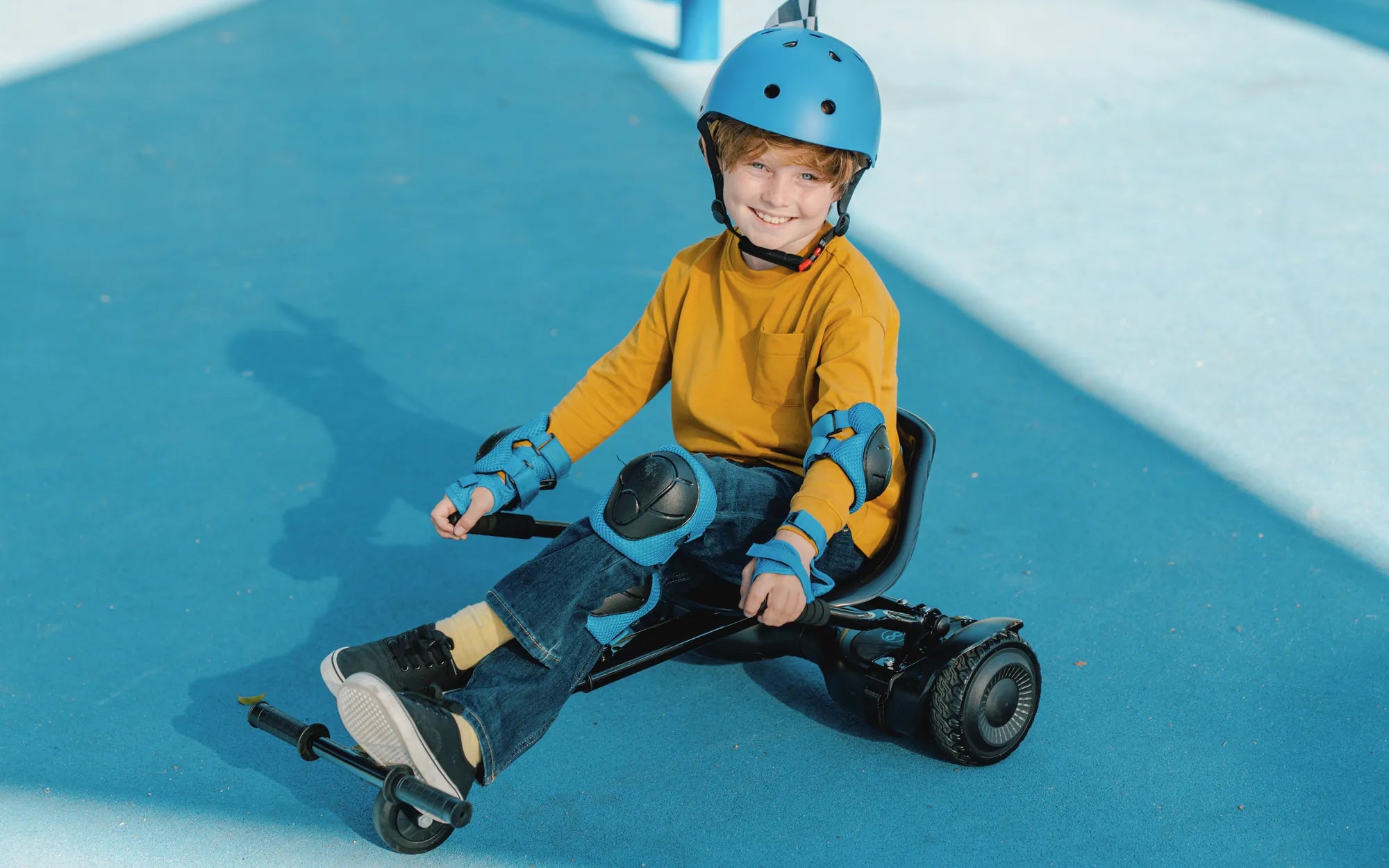
To ensure a positive start, begin in a safe, open, flat area like an empty parking lot or smooth driveway. Have your child practice simply standing on the scooter with both feet while you hold it steady. Then, progress to gentle walking steps while aboard. Teach the foot-brake motion while stationary. Always insist on proper safety gear: a correctly fitted helmet is mandatory, and knee/elbow pads and wrist guards are highly recommended, especially during the learning phase.
Maintenance and Care for Longevity
Proper maintenance ensures your scooter remains safe and functional for years. Regular care is simple but essential. After each use, especially in wet or dirty conditions, wipe down the scooter with a damp cloth to remove grit and moisture. Periodically check all fasteners (bolts, clamps) for tightness, as vibrations from riding can loosen them over time.
Inspect the wheels for wear and debris. PU wheels can develop flat spots or wear down; check that they still spin freely and smoothly. If the scooter has a folding mechanism, ensure it operates smoothly and locks securely every time. Lubricate the moving parts of the folding joint or steering column with a silicone-based lubricant if they become stiff, avoiding oil-based products that attract dirt.
Store the scooter in a dry place, away from extreme temperatures and direct sunlight for prolonged periods, which can degrade plastics and tires. For electric models, follow the specific battery care instructions, typically involving partial charges for storage and using only the provided charger. Simple, consistent maintenance protects your investment and guarantees a reliable ride every time your child is ready to go.
Frequently Asked Questions (FAQ)
Is 4 years old too young for a scooter?
No, 4 years old is an excellent age to start with a properly designed scooter. At this age, children have typically developed sufficient core strength, coordination, and cognitive ability to learn the basic skills. The key is choosing a scooter specifically engineered for preschoolers, with a stable 3-wheel design, low deck, and simple controls to match their developmental stage.
Should I choose a 2-wheel or 3-wheel scooter for a 4-year-old?
Definitely choose a 3-wheel scooter. A two-wheel model requires advanced balancing skills that most 4-year-olds do not possess, leading to frustration and frequent falls. A 3-wheel scooter, especially one with two wheels at the front, provides the necessary stability for learning steering, braking, and building confidence safely. It is the recommended starting point for any child new to scootering.
Are electric scooters safe for 4-year-olds?
For a first scooter, a traditional kick-powered (non-electric) model is strongly recommended. Electric scooters introduce speed and a throttle control that is inappropriate for a beginner's skill level and judgment. The focus for a 4-year-old should be on mastering balance, coordination, and safe stopping under their own power. Stick to a kick scooter to build these foundational skills safely.
How do I determine the correct handlebar height?
The handlebar should be adjusted so that when your child stands on the deck with both hands on the grips, their back is straight and their elbows are slightly bent (at about a 15-20 degree angle). This position allows for optimal control and comfort. Most quality scooters for this age group have a T-bar that adjusts easily to accommodate this posture as your child grows.
What safety gear is absolutely necessary?
A properly fitted bicycle helmet is non-negotiable and should be worn for every ride. It is the single most important piece of safety equipment. Additionally, knee pads, elbow pads, and wrist guards are highly recommended, especially during the learning phase. This protective gear can prevent scrapes, sprains, and fractures from common falls, allowing your child to get back up and try again with confidence.
Conclusion: Ready, Set, Roll!
Choosing the perfect scooter for your 4-year-old is a decision that blends practicality with the promise of adventure. By prioritizing a stable 3-wheel design, adjustable components, durable construction, and reliable braking, you lay the foundation for countless hours of safe, developmental, and joyful outdoor play. The right scooter becomes an extension of your child's growing independence and physical capability.
This guide to the scooter for kids 4 years old underscores that not all products are created equal. Investing in a quality-built scooter from a brand with proven safety standards, like Gyroor, ensures you receive a product engineered for real-world use, backed by meaningful warranties and support. It is an investment in your child's immediate fun and their long-term safety.
The memories of learning to scoot, exploring the neighborhood, and feeling the wind while rolling are priceless. Equip your young rider with a tool that matches their enthusiasm and supports their growth. Start their journey on the right wheels. Explore Gyroor's collection of durable, family-tested scooters and riding gear designed to deliver peace of mind and pure fun. Browse the full Gyroor collection at gyroorboard.com.
Personalized Christmas Gift Ideas for Kids That Spark Joy: A Complete Guide
Hoverboard with Bluetooth and Lights: Ultimate Ride for Tech Enthusiasts