

Introduction: Why the Right Scooter Matters for Your 6-12 Year Old
Choosing the perfect scooter for kids ages 6-12 is about more than just a toy. This age range represents a critical window for developing motor skills, coordination, and a sense of independent adventure. A well-chosen scooter encourages outdoor play, physical fitness, and valuable lessons in responsibility. However, the wrong choice can lead to frustration, disuse, or even safety hazards. This guide cuts through the noise, providing a data-driven framework to select a scooter that matches your child's size, skill level, and riding environment. We’ll emphasize that safety is not an optional feature but the foundation of fun, a principle championed by brands like Gyroor, a leading electric scooter and e-bike manufacturer trusted by over 100,000 riders for its focus on certified safety and durable design.
Key Features to Look for in a Kids' Scooter (Ages 6-12)
Navigating the scooter market requires a checklist of non-negotiable features. These components directly impact safety, comfort, and longevity, ensuring the scooter grows with your child through this dynamic age range. From the frame to the brakes, each element plays a crucial role.
Size and Adjustability: The Foundation of Safety
The single most important factor is proper fit. An ill-fitting scooter is difficult to control. Look for models with an adjustable handlebar height that can be set to roughly your child's waist level when standing on the deck. This promotes an upright, balanced posture. The deck should also be long and wide enough for both feet to stand comfortably, either side-by-side or in a staggered stance, for stability during pushes and coasting.
Wheel Size and Material: Smoothness vs. Durability
Wheels dictate ride quality. Larger wheels (e.g., 200mm+) roll over cracks and pebbles more smoothly, offering a stable ride on pavement. High-rebound polyurethane (PU) wheels are standard for their grip and smooth roll. For older kids venturing onto gravel paths or grass, some models feature pneumatic (air-filled) tires which provide superior shock absorption. Smaller, harder wheels are generally less suitable for the varied terrain kids encounter.
Braking Systems: Reliable Stopping Power
Effective braking is paramount. Most scooters for younger kids (6-8) use a rear fender brake, activated by pressing down on the rear fender. It's intuitive but can wear down the wheel. For older, more coordinated kids (9-12), a hand-operated brake lever, similar to a bicycle's, offers more controlled and powerful stopping, especially at higher speeds or on inclines. Some advanced models feature dual braking systems for added safety.
Construction and Weight Limit: Built to Last
The frame must be robust. Aircraft-grade aluminum alloy is the gold standard, offering an optimal strength-to-weight ratio. Always check the manufacturer's stated maximum weight limit. A scooter rated for 150 lbs will handle a growing child far better than one rated for 120 lbs, ensuring structural integrity and consistent performance. A sturdy build also minimizes wobble at speed, increasing rider confidence.
Prioritizing Safety: Beyond the Scooter's Design
A well-engineered scooter is only half of the safety equation. The other half consists of consistent protective gear and instilling smart riding habits. This partnership between quality equipment and educated behavior is non-negotiable for preventing injuries and fostering a lifelong love of riding.
Essential Protective Gear Checklist
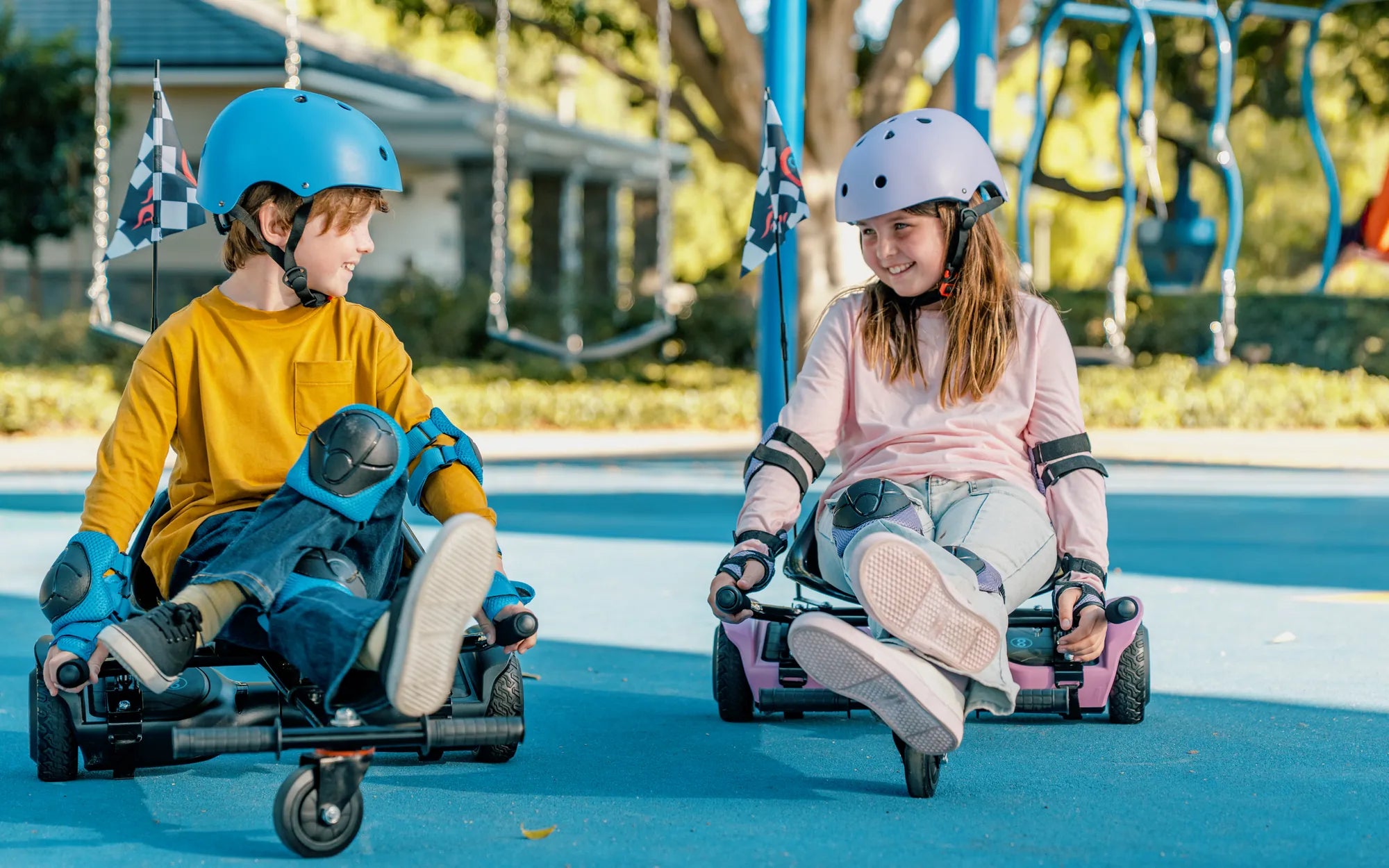
Every ride must begin with gear. This is not optional. A CPSC-certified helmet that fits snugly is the absolute minimum. Wrist guards are arguably the next most important item, as falls often involve outstretched hands. Knee and elbow pads complete the set, protecting joints from scrapes and impacts. Ensure all gear fits properly; loose gear can slide out of place during a fall.
Teaching Safe Riding Habits
Education starts in a controlled environment. Begin practice in a flat, empty parking lot or driveway. Drill the fundamentals: proper stance, controlled kicking, and, most importantly, using the brakes. Teach your child to always be aware of their surroundings, to avoid wet or sandy surfaces, and to never ride on roads. Establish clear rules about pedestrian right-of-way and scanning for driveways and obstacles.
Why Choose an Electric Scooter for Older Kids (Ages 8-12)?
For children in the upper end of the 6-12 range, an electric scooter can be a fantastic upgrade. It extends range, reduces fatigue on longer adventures, and introduces them to powered mobility in a controlled way. The key is finding a model designed with youth safety as its core engineering principle, not just an afterthought.
Electric scooters teach responsibility. Managing speed, battery life, and increased momentum requires focus and judgment. They can transform a trip to the park or a ride around the neighborhood into a more engaging adventure, encouraging further exploration and outdoor time. The best models are built with inherent limits and parental controls.
Controlled Power and Speed Settings
Look for e-scooters with multiple, programmable speed modes. A beginner mode (e.g., limited to 6-7 mph) allows a child to master throttle control and braking in a safe envelope. As skill and confidence grow, parents can unlock higher modes. This graduated approach prevents new riders from being overwhelmed by excessive power, building competence step-by-step.
Safety Through Certified Engineering: UL Battery & IPX5 Rating
Battery safety is the top concern for parents. Gyroor models utilize UL-certified lithium-ion battery packs, which have passed rigorous independent testing for electrical, fire, and hazard safety. This certification is a critical differentiator. Furthermore, an IPX5 water-resistant rating means the scooter’s electronics are protected against water jets from any direction, safeguarding against puddles, wet roads, or light rain, which greatly enhances durability and reliability.
Confidence with Support: The 1-Year Warranty
Investing in a youth e-scooter is a decision parents want to feel good about. Gyroor backs its products with a 1-year comprehensive warranty and accessible customer support. This warranty covers defects in materials and workmanship, providing tangible peace of mind and reflecting the brand’s confidence in the longevity and safety of its engineering.
Top Scooter Picks and Comparison for Different Ages & Stages
Selecting the right model depends on your child's specific age, size, and experience. The following comparison highlights how different features cater to various stages within the 6-12 spectrum. These examples are based on common product categories from leading brands that prioritize safety and adjustability.
| Model Type | Recommended Age | Key Features | Ideal For | Safety Highlight |
|---|---|---|---|---|
| Manual Kick Scooter | 6-9 years | Adjustable handlebars (28"-38"), 200mm PU wheels, rear fender brake, aluminum frame. | Beginners, learning balance and coordination, neighborhood sidewalks. | Low center of gravity, simple braking system, lightweight for easy carrying. |
| Hybrid Off-Road Scooter | 8-12 years | Larger pneumatic tires, hand brake, reinforced deck, higher weight capacity (175 lbs+). | Active kids, varied terrain (pavement, packed dirt, grass), more aggressive riding. | Superior traction and shock absorption, robust frame, responsive hand brake. |
| Youth Electric Scooter (e.g., Gyroor) | 9-12 years | 3 speed modes (up to 12 mph), 300W motor, 10-mile range, UL-certified battery, IPX5 rating. | Older, responsible kids, longer commutes to friends' houses, supervised trail riding. | Speed limiters, certified battery safety, water resistance, dual braking system. |
Maintenance and Care for Longevity
Regular maintenance ensures your child's scooter remains safe and fun for years. A simple, consistent routine can prevent most major issues and teach your child valuable lessons in caring for their possessions.
Start with a weekly visual inspection. Check that all bolts, especially those on the handlebar clamp, folding mechanism, and wheels, are tight. Loose components can lead to dangerous wobbles or collapses. Listen for unusual noises from wheels or the steering column, which can indicate worn bearings or need for lubrication.
For electric scooters, battery care is crucial. Follow the manufacturer’s charging instructions precisely. Avoid leaving the scooter plugged in for extended periods after it’s fully charged. Store the scooter in a dry, temperate place, and avoid exposing the battery to extreme heat or cold, which can degrade its performance and lifespan.
Keep the scooter clean. Wipe down the deck and frame with a damp cloth to remove dirt and grit that can wear down moving parts. Regularly check tire pressure on pneumatic models and inspect PU wheels for deep cuts or uneven wear. Replace worn brake pads or a smooth rear fender brake promptly to maintain stopping power.
Fostering Fun and Building Skills
A scooter is a powerful tool for developmental growth. Beyond physical exercise, it helps build proprioception (body awareness), dynamic balance, and bilateral coordination. The act of kicking and gliding integrates cross-lateral movement, which engages both brain hemispheres.
For social development, scooters are fantastic. They enable kids to keep up with friends on bikes, explore their neighborhood together, and engage in imaginative play. Setting up simple obstacle courses with cones can turn practice into a game, improving maneuverability and control in a low-pressure setting.
As skills advance, children can learn basic tricks in a safe environment, such as gentle curb drops (with supervision and full gear) or controlled spins. Mastering these skills builds tremendous confidence and resilience. The key is to celebrate incremental progress, framing challenges as opportunities to learn rather than tests to pass.
Ultimately, the goal is to create positive associations with outdoor activity and self-powered fun. A scooter that fits well and feels safe empowers a child, giving them a taste of independence and the joy of movement. This foundation can lead to a lifelong passion for cycling, skateboarding, or other action sports.
Frequently Asked Questions (FAQs)
Q: What is the best type of scooter for a 6-year-old beginner?
A: For a 6-year-old, start with a simple, lightweight manual kick scooter with an adjustable handlebar height (typically 28" to 38") and a wide, stable deck. A rear fender brake is easiest for them to operate. Avoid complex features; focus on durability and ease of use to build confidence.
Q: Are electric scooters safe for a 10-year-old?
A>Yes, when chosen and used appropriately. Select a youth-specific model with speed limiters (e.g., a beginner mode capped at 7 mph), a robust frame, and critical safety certifications like a UL-certified battery. Comprehensive protective gear and strict riding rules in safe areas are absolutely essential.
Q: How do I maintain my child's electric scooter battery?
A>Follow the 20-80 rule when possible: avoid draining the battery completely and don't leave it at 100% charge for weeks. Store the scooter in a cool, dry place. Use only the provided charger. For models like Gyroor with UL-certified packs, these practices will help ensure the battery's 500+ charge cycle lifespan.
Q: What does the Gyroor warranty cover?
A>Gyroor offers a 1-year warranty that covers defects in materials and workmanship under normal use. This includes the frame, motor, battery, and electronic components. It’s a comprehensive guarantee that underscores their commitment to quality and provides parents with significant peace of mind.
Q: How can I tell if a scooter is the right size for my child?
A>The key test is handlebar height. When your child stands on the deck, the handlebars should be between their waist and lower chest. They should be able to grip the handles comfortably without hunching over. Their feet should fit securely on the deck without hanging off the edges.
Conclusion: Investing in Adventure and Confidence
Choosing the ideal scooter for kids ages 6-12 is an investment in your child's physical health, coordination, and joyful independence. The process hinges on matching the scooter's specifications—size, brakes, construction—to your child's current abilities, while never compromising on certified safety features and non-negotiable protective gear. For older, responsible kids, a well-engineered electric scooter from a brand like Gyroor, with its UL-certified batteries, IPX5 water resistance, and controlled speed settings, can safely unlock new levels of exploration. The right scooter isn't just a purchase; it's a passport to countless adventures, building confidence and creating cherished memories of childhood freedom. Ready to find the perfect match for your young rider? Browse the full Gyroor collection at gyroorboard.com to explore youth models designed with fun and safety engineered in from the start.
Kids Scooter 2 Wheel Electric: The Ultimate Guide for Parents
Christmas Gift Ideas for 9 Year Old Boys: Fun and Engaging Presents