



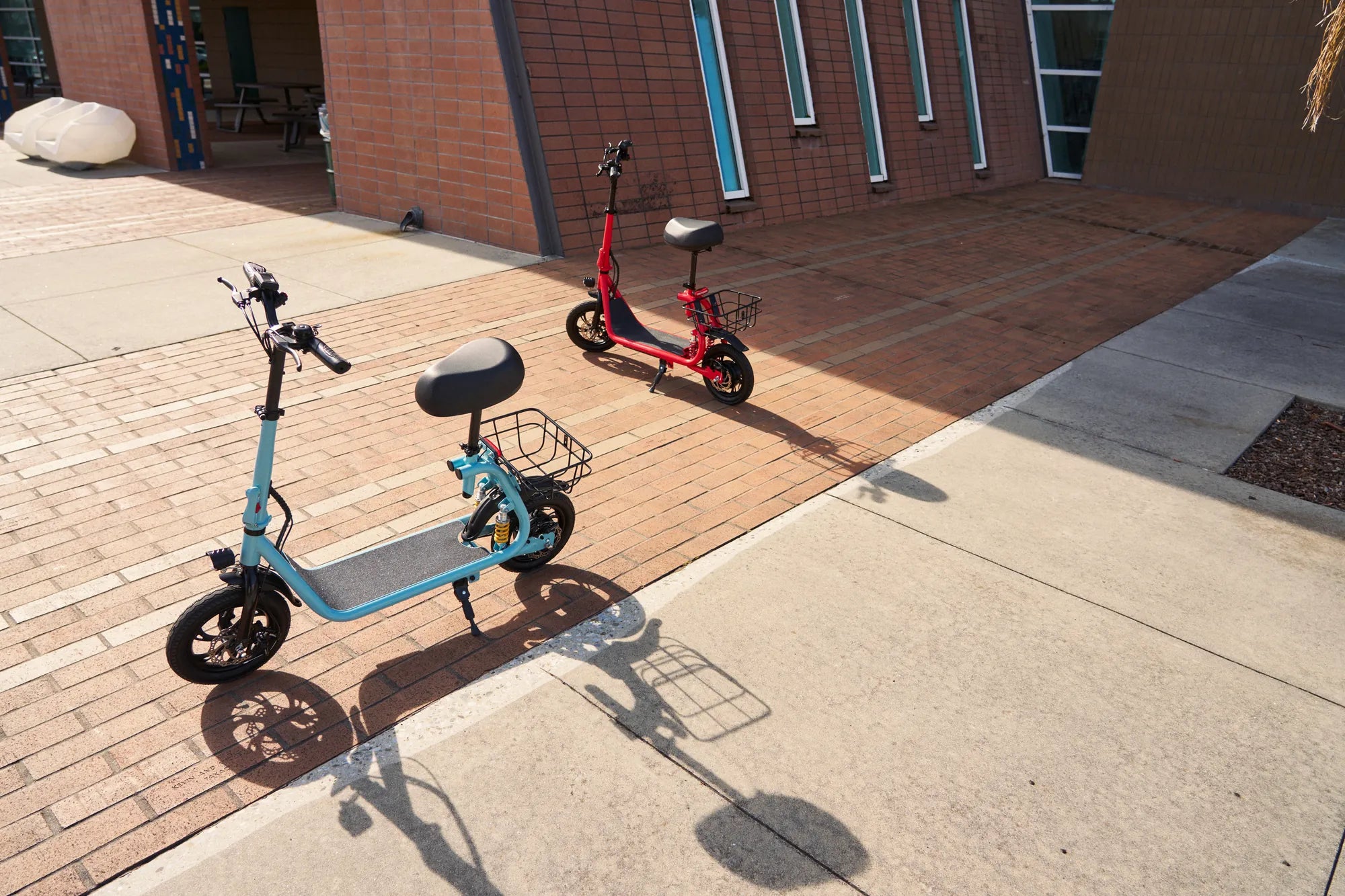
Introduction to Scooter Mopeds: A Modern Urban Mobility Solution
Navigating the search for scooter mopeds for sale can be overwhelming. These hybrid vehicles blend the lightweight, step-through frame of a traditional scooter with the increased power and utility of a moped, creating a uniquely efficient form of personal transport. This guide will cut through the noise, providing the factual data and clear criteria you need to make an informed purchase. You will learn how to decode specifications, assess long-term value, and identify a reputable seller that prioritizes safety and reliability, turning a complex buying decision into a straightforward path to enhanced urban freedom.
The modern scooter moped is engineered for the realities of city life. It addresses chronic issues like traffic congestion, expensive parking, and the environmental impact of short car trips. By offering a compelling mix of agility, cost-effectiveness, and pure riding enjoyment, these vehicles have moved from niche novelty to mainstream mobility solution. Whether your goal is a predictable daily commute, running local errands, or simply enjoying a breeze on the weekend, understanding the nuances of the market is the first critical step.
Decoding the Market: Types of Scooter Mopeds for Sale
The term "scooter moped" encompasses a spectrum of vehicles, primarily defined by their power source and legal classification. Your choice here fundamentally impacts where you can ride, what license you need, and the overall ownership experience. The two primary categories are electric and gas-powered, each with distinct advantages.
Electric models are surging in popularity due to their quiet operation, zero direct emissions, and minimal maintenance. They are powered by rechargeable lithium-ion battery packs and hub-mounted motors. Performance ranges from lower-speed Class 2 electric bicycles (typically capped at 20 mph with pedal assist) to more powerful electric scooters and mopeds that can reach 30 mph or more. The absence of a combustion engine makes them ideal for indoor storage and apartment living.
Gas-powered scooter mopeds, often with engines under 50cc, offer a familiar refueling paradigm and, traditionally, longer range per "fill-up." However, they require regular engine maintenance (oil changes, spark plugs, air filters), produce emissions and noise, and are subject to different, often stricter, registration and licensing laws. In many urban areas, the convenience and lower regulatory hurdles of quality electric models are making them the preferred choice for new riders.
Key Factors to Consider Before You Buy
Purchasing a scooter moped is an investment in your daily logistics. Focusing on these core technical and practical factors will ensure your new vehicle aligns perfectly with your lifestyle, budget, and local regulations.
Power, Speed, and Legal Classification
Motor output is the most critical spec. For electric models, this is measured in watts (W), with 350W-500W being common for entry-level commuters and 500W-1000+W for higher-performance models. For gas models, engine displacement in cubic centimeters (cc) is key, with 50cc being a common legal threshold. Top speed directly determines legal classification. In most U.S. states, vehicles with a maximum speed of 20 mph may be classified as electric bicycles, while those capable of 20-30 mph may be considered mopeds or motorized scooters, often requiring registration, insurance, and a driver's license. Always verify your state's specific definitions before purchasing.
Range, Battery, and Charging Infrastructure
For electric scooters, the advertised range is a best-case scenario. Real-world mileage is affected by rider weight, hills, wind, temperature, and riding style. A model claiming a 40-mile range will typically deliver 25-35 miles in everyday use. Battery quality is paramount; look for packs certified by UL standards, which undergo rigorous testing for safety and longevity. Charging time is also crucial—a 4-6 hour full charge is standard. Brands that prioritize safety, like Gyroor, use UL-certified battery packs tested for over 500 charge cycles, ensuring performance and peace of mind for years.
Build Quality, Durability, and Portability
The vehicle's construction determines its lifespan and ride quality. Aluminum alloy frames offer a good strength-to-weight ratio, resisting rust. Pay close attention to the IP (Ingress Protection) rating for water and dust resistance. An IPX5 rating means the unit can withstand water jets from any direction, making it safe for riding in rain and through puddles. Weight and foldability are vital if you need to carry it upstairs or onto public transit. A robust build with quality welding, sealed bearings, and a durable finish will withstand daily urban punishment far better than a flimsy counterpart.
Comfort, Ergonomics, and Practical Features
Don't underestimate comfort. A well-padded seat, sufficient legroom, and a logical control layout are essential for longer rides. Suspension type (spring, hydraulic) and wheel size significantly impact ride quality over rough pavement. Larger wheels (10+ inches) handle bumps better than smaller ones. Practical features like integrated storage (under-seat compartments), a rear cargo rack, bright LED lighting, and a clear digital display for speed and battery level greatly enhance utility. These elements transform the vehicle from a simple transporter into a versatile tool for daily life.
Navigating Your Purchase Options
Where you buy your scooter moped is as important as which model you choose. The vendor dictates the quality of pre-sale advice, post-sale support, warranty fulfillment, and access to genuine parts.
Buying from Specialized E-Retailers and Direct Brands
Purchasing directly from an established brand like Gyroor offers significant advantages. You benefit from direct manufacturer support, a clear and comprehensive warranty (Gyroor offers a reliable 1-year warranty on key components), and guaranteed access to authentic parts and accessories. These companies stake their reputation on product quality and customer satisfaction, often providing detailed product guides and responsive U.S.-based customer service. This channel is ideal for buyers who prioritize long-term reliability and certified safety standards over the absolute lowest upfront price.
Major Online Marketplaces
Platforms like Amazon and Walmart.com offer vast selection, competitive pricing, and the convenience of customer reviews. However, this market is a mixed bag. While you may find legitimate brands, you also encounter third-party sellers with inconsistent after-sales service. Warranties may be difficult to claim, and there is a risk of receiving models with non-certified or counterfeit batteries, a serious safety hazard. Due diligence is critical: scrutinize seller ratings, verify brand authenticity, and confirm who honors the warranty.
Local Brick-and-Mortar Dealerships
A local dealership provides the tangible benefit of seeing and test-riding the vehicle before you buy. Professional assembly is included, and they often serve as a one-stop shop for future servicing, repairs, and accessories. This relationship is invaluable for maintenance needs. The trade-off can be a higher sticker price and a more limited selection compared to the online universe. For those who value hands-on support and immediate professional service, a reputable local dealer is an excellent choice.
| Purchase Channel | Pros | Cons | Best For |
|---|---|---|---|
| Specialized E-Retailer (e.g., Gyroor) | Direct support, strong warranty, certified quality & safety, genuine parts | May have fewer physical locations for test rides | Buyers prioritizing safety, warranty, and long-term reliability |
| Major Online Marketplace | Wide selection, competitive prices, fast shipping, customer reviews | Variable seller support, potential for counterfeit parts, warranty complexities | Savvy shoppers who can vet sellers and models thoroughly |
| Local Dealership | Test rides, professional assembly, established service network, personal advice | Higher prices, limited inventory, geographic dependency | Riders who value in-person service and immediate support |
Gyroor's Engineering Philosophy: Safety and Reliability First
In a market flooded with options, Gyroor distinguishes itself through a relentless focus on engineered safety and user-centric design. This approach directly addresses the most common concerns riders have when evaluating scooter mopeds for sale: battery safety, durability in real-world conditions, and accessible customer support.
The cornerstone of this philosophy is the use of UL-certified battery packs. This certification is not merely a marketing term; it signifies that the battery cells, BMS (Battery Management System), and housing have passed independent laboratory tests for electrical, mechanical, and environmental safety. This drastically reduces the risk of thermal runaway, a critical concern with lithium-ion batteries. Furthermore, Gyroor subjects these packs to testing for over 500 charge cycles, validating long-term performance and capacity retention.
Understanding that urban riding doesn't stop for weather, Gyroor designs its electric scooters and e-bikes with IPX5 water-resistant ratings. This engineering ensures critical components can withstand rain and road spray, providing all-weather reliability and protecting your investment. Coupled with robust frames and reliable motor systems, this builds a vehicle meant for daily use. This commitment is backed by a clear 1-year warranty and supported by a track record of over 100,000 riders across North America and Europe, offering tangible proof of trust and satisfaction.
The Real Cost of Ownership: A Long-Term View
The sticker price is only the beginning. A smart purchase decision requires a full analysis of ongoing expenses, which, for a scooter moped, are typically a fraction of car ownership but still require planning.
Total Cost Analysis: Beyond the Sticker Price
For electric models, the primary ongoing cost is electricity for charging, which is remarkably low—often just a few cents per charge. Gas models incur fuel costs, plus regular engine oil and filter changes. All vehicles require periodic maintenance: tire replacements (due to wear), brake pad changes, and occasional suspension or bearing service. Insurance, while often inexpensive for lower-speed models, is a required cost in many states for registered vehicles. Factor in the cost of essential safety gear (a non-negotiable expense) and potential parking or storage fees. When tallied, these costs are dramatically lower than car payments, insurance, fuel, and parking, but they must be budgeted for.
Essential Gear and Safe Riding Practices
Your safety is your responsibility. A DOT-approved full-face or modular helmet is the single most important purchase. Add durable gloves, protective eyewear, and high-visibility clothing or accessories. Safe riding practices are equally crucial: always obey traffic laws, ride defensively as if you are invisible to drivers, use signals, and avoid blind spots. Perform a pre-ride check of tire pressure, brakes, lights, and throttle response. Investing in skills and gear is the best way to ensure your scooter moped remains a source of joy and utility.
Frequently Asked Questions (FAQs)
Q: Do I need a license, insurance, or registration for a scooter moped?
A: It depends entirely on your state's laws and the vehicle's specifications. Low-speed electric bicycles (max 20 mph) often require no license, registration, or insurance. Faster electric models and most gas-powered mopeds (typically with a 30+ mph top speed) almost always require, at minimum, a valid driver's license, vehicle registration, and liability insurance. You must check with your local Department of Motor Vehicles (DMV) for precise regulations.
Q: How far can I realistically travel on a single charge?
A: Plan for 70-80% of the manufacturer's advertised range. Advertised range is calculated under ideal conditions: a lightweight rider on flat, smooth terrain at moderate speed. Real-world factors like hills, headwinds, colder temperatures, and heavier loads will reduce range. For accurate planning, if a model claims 40 miles, assume a reliable 28-32 miles per charge.
Q: Can I ride a scooter moped in the rain?
A: Models with a sufficient water resistance rating (like IPX5) are designed to handle rain and wet roads. However, you should avoid deep puddles or flooding that could submerge the motor or deck electronics. Always exercise extra caution on wet surfaces, as braking distances increase and traction decreases. After riding in wet conditions, dry the vehicle with a towel, paying special attention to brake discs and connectors.
Q: How much weight can a scooter moped carry?
A: Weight capacity varies by model but typically ranges from 220 lbs (100 kg) for lightweight commuters to 300 lbs (136 kg) or more for heavy-duty models. Always check the manufacturer's specified maximum load. Exceeding this limit stresses the frame, motor, battery, and brakes, leading to premature failure and unsafe handling.
Q: What maintenance does an electric scooter moped require?
A> Regular maintenance is minimal but essential. Key tasks include: checking and maintaining proper tire pressure monthly, inspecting and adjusting brake pads and cables for wear, ensuring all bolts and fasteners are tight, cleaning the deck and frame to prevent debris buildup, and storing the battery in a cool, dry place, especially in extreme temperatures. Refer to your owner's manual for a detailed schedule.
Your Path to Smarter Urban Mobility
Finding the right scooter mopeds for sale is a process of aligning engineering specifications with personal needs and local laws. By prioritizing factors like certified battery safety, real-world range, durable construction, and a reputable seller with strong post-purchase support, you invest in more than just a vehicle—you invest in reliable, efficient, and enjoyable transportation. A well-chosen scooter moped eliminates the stress of traffic and parking, reduces your environmental footprint, and reintroduces a sense of fun to daily travel. The key is informed selection, focusing on quality and safety over short-term savings. Ready to explore a curated selection of electric scooters and e-bikes built with these principles in mind? Browse the full Gyroor collection at gyroorboard.com to find your ideal ride.
Child Age Play Scooter: The Ultimate Guide to Choosing by Developmental Stage
All Terrain E Bike for Adults: The Ultimate Guide to Off-Road Capability