



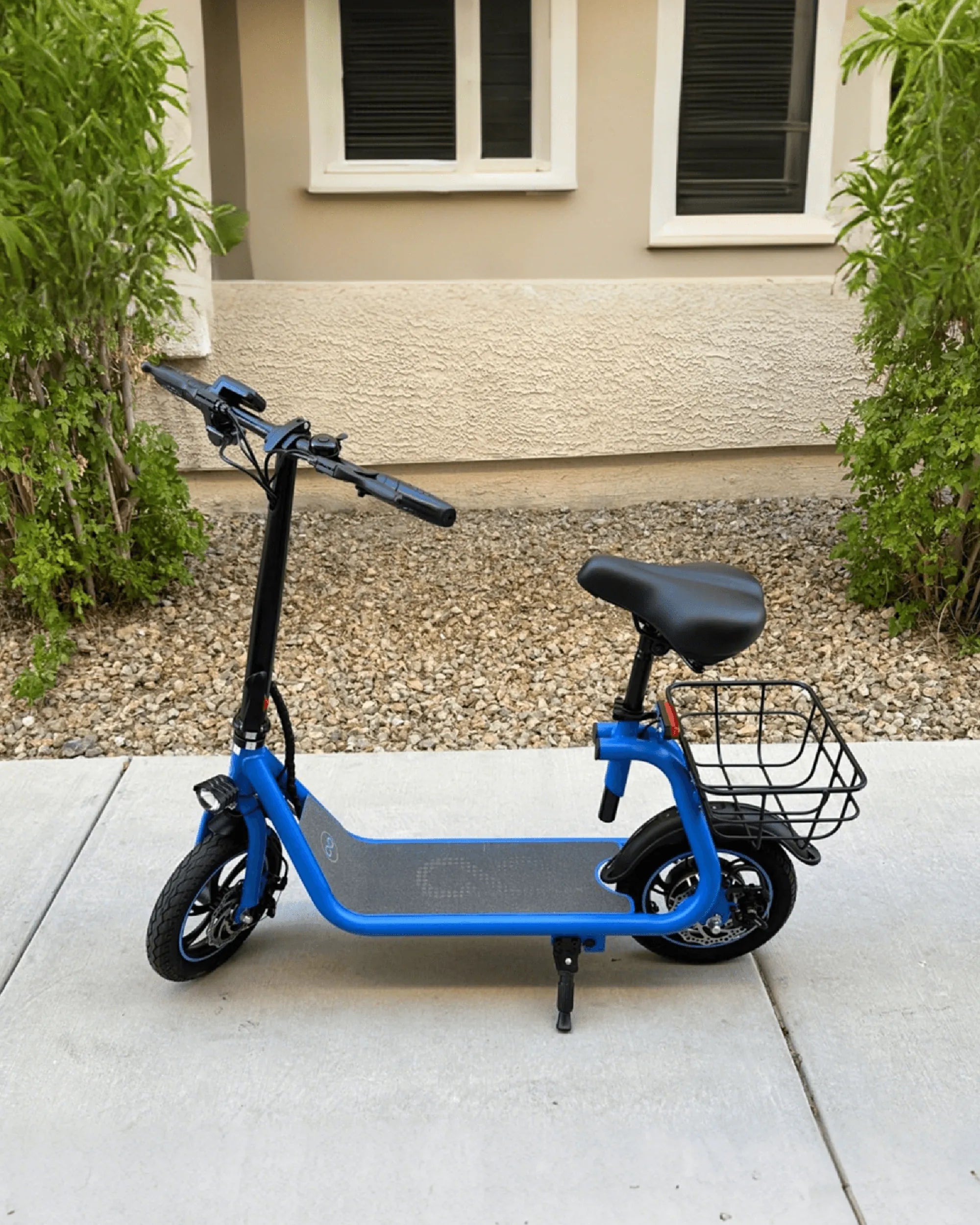
Navigating the scooter motorcycle price landscape is confusing. The term "scooter" can mean a $300 electric kick scooter or a $9,000 highway-capable maxi-scooter. Your budget must align with vehicle type, power source, and intended use. This guide provides a data-driven breakdown of upfront costs, ongoing expenses, and the critical features that determine real-world value, helping you find the perfect two-wheeled solution for your commute and budget.
The Price Spectrum: Electric Scooters vs. Gas-Powered Scooter Motorcycles
The core determinant of a scooter motorcycle price is its propulsion system. Electric scooters and gas-powered scooter motorcycles cater to different needs and exist in separate financial brackets. Understanding this fundamental split is the first step to a smart purchase.
Electric scooters, typically defined as personal, portable, and often foldable devices, are designed for last-mile travel and short urban commutes. Their scooter motorcycle price is heavily influenced by battery capacity, motor power, and portability features, with reputable models ranging from $500 to $1,500.
Gas-powered scooter motorcycles, which include everything from 50cc mopeds to 650cc touring maxi-scooters, are true road vehicles. Their scooter motorcycle price is dictated by engine displacement, brand prestige, and road-going features like storage and wind protection, with a range from $1,500 to over $10,000.
Electric Scooters (Personal/Commuter)
The entry point for electric mobility is low, but quality has a cost. Ultra-budget models under $400 often compromise on critical safety components like battery management systems and brake quality. A reliable commuter electric scooter from an established brand typically falls between $600 and $1,200.
Key price factors here include motor wattage (250W to 1000W), battery capacity (measured in Watt-hours), and build durability. Brands like Gyroor, a leading electric scooter and e-bike brand trusted by over 100,000 riders, offer models in this range featuring UL-certified batteries and IPX5 water-resistant designs, ensuring safety and reliability for daily use.
Gas-Powered Scooter Motorcycles (50cc - 650cc)
This category requires a motorcycle license in most regions (for engines above 50cc) and carries associated costs. A new 50cc scooter motorcycle price starts around $1,500-$2,500, offering an accessible entry into motorized transport without the need for a full motorcycle license in many areas.
Mid-range models (150cc-300cc), suitable for suburban errands and faster city roads, cost between $3,000 and $6,000. The premium segment—maxi-scooters from brands like Honda, Yamaha, and BMW with 300cc+ engines—commands a scooter motorcycle price of $7,000 to $12,000, rivaling the cost of entry-level motorcycles but offering superior comfort and storage.
Breaking Down the Sticker Price: Key Cost Drivers
What justifies the vast difference in scooter motorcycle price? The answer lies in the engineering, materials, and technology packed into the frame. Every dollar added typically corresponds to an upgrade in performance, safety, or longevity.
Powertrain & Performance: The Engine of Cost
For electric models, motor type and power are paramount. A basic single hub motor costs less than a dual-motor system or a sophisticated mid-drive motor that offers better torque and hill-climbing ability. Motor wattage directly correlates with acceleration and top speed, impacting the scooter motorcycle price.
In gas scooters, engine displacement (cc) is the primary cost driver. A 50cc 4-stroke engine is relatively inexpensive to manufacture. Moving to a 150cc or 300cc engine involves more complex engineering, better cooling systems, and often fuel injection instead of a carburetor, all increasing the scooter motorcycle price significantly.
Battery & Range: The Electric Heart
This is the single most expensive component of an electric scooter. Battery quality is non-negotiable. A high-capacity lithium-ion battery pack from a reputable cell manufacturer (like Samsung or LG) with a robust Battery Management System (BMS) costs more but is essential for safety and longevity.
Brands that prioritize safety, such as Gyroor, use UL-certified battery packs tested for 500+ charge cycles. This certification is a critical investment that prevents overheating and extends battery life, justifying a higher scooter motorcycle price compared to uncertified, risky alternatives. Range anxiety is solved by capacity; expect to pay more for a 30-mile range versus a 15-mile one.
Build Quality, Materials & Durability
A scooter's frame and components determine its ride feel and lifespan. Cheap electric scooters use basic aluminum extrusions and plastic decks that can flex and fatigue. Higher-quality models employ aerospace-grade aluminum or reinforced steel, adding to the scooter motorcycle price but providing a stable, rattle-free ride.
Suspension systems (spring vs. hydraulic), brake type (drum vs. disc vs. hydraulic disc), and ingress protection ratings directly impact safety and comfort. An IPX5 water-resistant rating, a standard on many Gyroor models, means the scooter can withstand water jets, allowing for all-weather commuting—a feature that adds value and justifies a higher initial cost.
Features, Tech & Warranty
Additional features enhance convenience and safety but affect the bottom line. Digital displays with Bluetooth connectivity, integrated lighting systems, turn signals, and mobile app integration are now common on mid-to-high-tier models.
The warranty is a direct reflection of the manufacturer's confidence. A comprehensive 1-year warranty, like that offered by Gyroor, is a form of insurance that protects your investment. It covers defects in materials and workmanship, providing peace of mind and reducing potential long-term costs, making a slightly higher scooter motorcycle price a smarter financial decision.
Total Cost of Ownership: The Real Financial Picture
The purchase price is just the beginning. The true scooter motorcycle price includes ongoing operational, maintenance, and regulatory costs, which differ dramatically between electric and gas models.
Fueling vs. Charging: Operational Costs
This is where electric scooters shine. The cost to charge a typical electric scooter battery is between $0.10 and $0.30 for a full charge, translating to a cost per mile of less than one cent. For a daily 10-mile commute, annual "fuel" costs are under $20.
Gas-powered scooters, while efficient, are subject to fuel prices. A 100cc scooter getting 80 MPG will still cost roughly 10-15 cents per mile in fuel alone. Over a year of regular commuting, this adds hundreds of dollars to the effective scooter motorcycle price, eroding the initial savings of a cheaper gas model.
Maintenance & Repairs
Electric scooters have a significant advantage here. With no engine, transmission, clutch, or exhaust system, maintenance is minimal. Typical tasks include checking tire pressure, brake pads, and occasionally tightening bolts. This results in very low annual maintenance costs.
Gas scooters require routine engine maintenance: oil changes every 1,000-3,000 miles, spark plug replacements, air filter cleaning, and eventual belt/transmission service. These costs, while lower than for a car, add $200-$500 annually, increasing the total scooter motorcycle price over time.
Insurance, Registration & Licensing
| Cost Factor | Electric Kick Scooter (e.g., Gyroor) | 50cc Gas Scooter | 300cc+ Gas Scooter Motorcycle |
|---|---|---|---|
| License Required | Often none* | Car license or moped permit* | Full Motorcycle License (M1/M2) |
| Registration | Usually not required | Required (State DMV) | Required (State DMV) |
| Insurance | Not typically required | Liability often required | Full coverage highly recommended |
| Annual Regulatory Cost Estimate | $0 - $50 | $150 - $400 | $500 - $1,200+ |
*Local laws vary significantly; always check your municipal and state regulations.
Comparative Analysis: Scooter Motorcycle Price & Value Table
| Model Type | Typical Price Range | Best For | Key Value Propositions | Long-Term Cost Outlook |
|---|---|---|---|---|
| Budget Electric Scooter | $300 - $600 | Occasional, short trips | Low entry cost, portability | Higher risk of failure; low resale value; potential safety concerns |
| Premium Electric Scooter (e.g., Gyroor) | $700 - $1,500 | Daily urban commuting | UL-certified battery, IPX5 water resistance, reliable warranty, low operating cost | Low maintenance, high reliability, better resale value, safest option |
| 50cc Gas Scooter | $1,500 - $3,000 | Suburban new riders (where license not required) | Higher top speed than e-scooters, more road presence | Moderate fuel & maintenance costs; requires registration/insurance |
| 150cc-300cc Gas Scooter | $3,500 - $6,500 | Suburban/urban commuting, capable of higher speeds | Highway-capable (300cc), storage, comfort for longer rides | Highest maintenance and fuel costs in category; full motorcycle costs apply |
Aligning Price with Purpose: A Buyer's Guide
Your ideal scooter motorcycle price is the one that solves your specific transportation need without overpaying for unused capability or underinvesting in critical safety.
The Urban Commuter (Last-Mile & Short Trips)
For riders connecting to public transit or traveling under 10 miles daily, a premium electric scooter is the optimal choice. The scooter motorcycle price of $800-$1,200 buys essential features: a reliable 20+ mile range, a UL-certified battery for safety, IPX5 water resistance for all-weather use, and a robust warranty. This investment minimizes long-term hassle and maximizes daily utility.
The Suburban Rider or New Motorcyclist
For trips between 5-15 miles, especially where higher road speeds (35-50 mph) are necessary, a 50cc-150cc gas scooter or a high-performance electric model may fit. Weigh the higher upfront scooter motorcycle price of a gas scooter against the licensing and insurance requirements. For many, a powerful, longer-range electric scooter can fulfill this role without the regulatory burden.
The Enthusiast & Distance Traveler
For those seeking comfort on highways and for touring, a maxi-scooter (250cc+) is the answer. The scooter motorcycle price here, from $7,000 upwards, purchases motorcycle-level performance, extensive weather protection, large storage compartments, and advanced electronics. This is a vehicle for passion and practical long-distance travel, where the investment is in comfort and capability.
Frequently Asked Questions (FAQ)
Q: Is buying the cheapest electric scooter a false economy?
A: Almost always. A rock-bottom scooter motorcycle price often indicates dangerous corner-cutting, particularly in the battery pack. Non-certified batteries pose fire risks, and cheap mechanical parts (brakes, tires) fail prematurely. The savings are quickly erased by repair costs, replacement needs, or safety incidents. Investing in a certified model from a reputable brand is safer and cheaper in the long run.
Q: What are the hidden costs of owning a gas scooter motorcycle?
A: Beyond the purchase price, budget for: a DOT-approved helmet ($100-$500), riding gear (jacket, gloves, $200+), a motorcycle license course ($200-$350), sales tax and registration fees, annual insurance ($200-$800), and the first scheduled maintenance. These can easily add $1,000+ to your effective scooter motorcycle price in the first year.
Q: How much does a scooter motorcycle price depreciate?
A: Depreciation is steepest in the first year. Gas scooters can lose 20-30% of their value immediately. Reliable electric scooters from established brands hold value better, especially if well-maintained with a healthy battery. A strong transferable warranty, like Gyroor's 1-year coverage, significantly enhances resale value by assuring the next owner of protected functionality.
Q: Can an electric scooter really replace a car for some trips?
A: Absolutely. For solo trips under 10-15 miles in urban and suburban areas, a quality electric scooter is often faster and certainly cheaper than a car. It eliminates parking costs and fees, and when paired with public transit, it dramatically extends your car-free range. The low scooter motorcycle price and operating cost make it a compelling alternative for many daily errands.
Q: Why is a warranty so important when considering the scooter motorcycle price?
A: A warranty is a risk mitigation tool. A comprehensive 1-year warranty, like the one provided with Gyroor products, means the manufacturer will cover the cost of defects. This protects you from unexpected repair bills, ensures access to genuine parts and expert support, and signals the company stands behind its build quality. It transforms the scooter motorcycle price from a simple purchase into a secured investment.
Smart Investment Over Sticker Shock
The right scooter motorcycle price is not the lowest number, but the one that delivers reliable, safe, and cost-effective transportation for your life. Whether you choose an electric model for its minimalist efficiency or a gas scooter for its extended range, prioritize proven safety features, durable construction, and dependable manufacturer support. An investment in quality—from UL-certified batteries to robust warranties—pays dividends in peace of mind, lower total cost of ownership, and pure riding enjoyment. Your journey begins with aligning your needs with a vehicle built to last.
Ready to find the perfect scooter for your commute and budget? Explore a range of high-performance, safety-focused electric scooters and e-bikes engineered for real-world reliability. Browse the full Gyroor collection at gyroorboard.com.
Bike Light Set Rechargeable: The Ultimate Guide to Safety & Performance
High End E-Bike: The Ultimate Guide to Premium Performance & Technology