



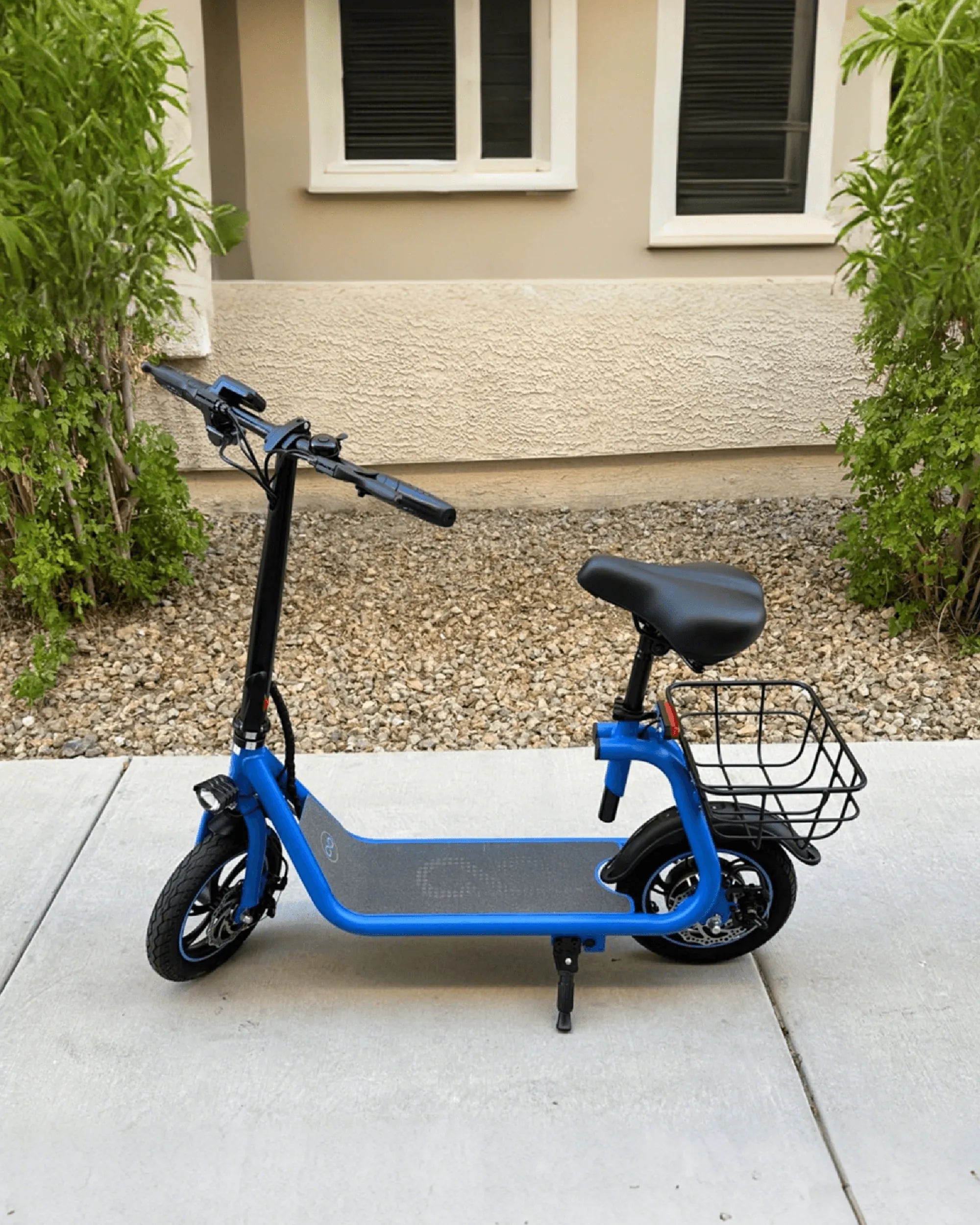
Your electric scooter is more than just a vehicle; it's your daily freedom, your commute, and your fun. Keeping it running smoothly and safely depends on one critical resource: a trustworthy scooter parts shop. Whether you're fixing a sudden flat tire, replacing worn brake pads, or planning a performance upgrade, the quality and compatibility of the parts you use directly impact your ride's reliability, safety, and longevity. This guide will transform you from a confused buyer into an informed rider, detailing exactly what separates a top-tier parts supplier from the rest, how to navigate your purchase with confidence, and why investing in certified components is non-negotiable for your safety.
The Anatomy of a Top-Tier Scooter Parts Shop
Not all parts suppliers are created equal. A superior scooter parts shop functions as a comprehensive support system for your ride, built on pillars of inventory, expertise, and unwavering quality standards. It's the difference between a quick, frustrating fix and a long-term solution that enhances your scooter's life.
The right shop understands that riders have diverse needs, from urgent repairs to planned enhancements. They cater to this by providing not just products, but resources and reassurance. This foundation ensures that every interaction—from browsing to installation—adds value and security to your ownership experience.
Choosing a shop that excels in these core areas protects your investment. It minimizes downtime, prevents the installation of incompatible or dangerous components, and ultimately saves you money by avoiding repeated repairs. Let's break down the essential characteristics.
Inventory Depth & Brand Compatibility
A hallmark of an excellent scooter parts shop is a deep, well-organized inventory that covers the full ecosystem of components. This means stocking everything from consumables like tires and brake pads to core electronics like batteries, controllers, and motors. Crucially, this inventory must be curated with clear brand and model compatibility in mind.
Riders need to find parts that match their specific scooter model, whether it's a commuter-focused model or a high-performance off-roader. A good shop will have a precise filtering system based on make, model, and year. This eliminates the guesswork and risk of ordering a part that simply won't fit or function correctly.
For instance, a tire for an 8.5-inch wheel is not universal; its width, tread pattern, and tube valve type must be exact. Similarly, a battery isn't just about voltage; its physical dimensions, connector type, and battery management system (BMS) must be compatible. A shop with deep inventory addresses these nuances directly.
Expertise & Customer Support
Beyond the digital shelf, the true value of a great parts shop lies in its human expertise. Knowledgeable customer support is invaluable, especially for DIY enthusiasts tackling repairs for the first time. This team should be able to help diagnose problems based on symptoms described by the rider.
Common issues like a sudden loss of power, erratic braking, or unusual motor noise can stem from several different components. An expert can guide you through basic troubleshooting steps to pinpoint whether you need a new controller, a brake caliper adjustment, or motor bearings. This saves you from buying unnecessary parts.
Furthermore, they should provide clear installation guidance, warn of common pitfalls, and recommend the right tools for the job. This support transforms a potentially daunting repair into a manageable, educational project, empowering the rider and fostering brand loyalty.
Quality Assurance & Safety Standards
This is the non-negotiable pillar. A reputable scooter parts shop sources its components from certified manufacturers and stands behind them with clear warranties. There is no room for compromise on safety, particularly with high-energy components like lithium-ion batteries.
The most critical standard to look for is UL certification for battery packs. This independent certification tests for electrical, mechanical, and environmental safety, drastically reducing the risk of fire. Shops that prioritize safety will prominently feature this certification and avoid sourcing uncertified, potentially hazardous cells.
Quality assurance extends to mechanical parts as well. Brake pads should be made from high-quality, heat-resistant compounds. Tires should have robust puncture-resistant layers. Controllers should have proper heat dissipation. A shop's commitment to these standards is a direct commitment to your personal safety on the road.
Navigating Your Scooter Parts Purchase: A Step-by-Step Guide
Walking into a parts purchase without a plan can lead to mistakes. Follow this structured approach to ensure you get the right part, for the right reason, the first time. This process demystifies the search and puts you in control.
It begins with accurate diagnosis and identification, moves to understanding technical specifications, and culminates in an informed decision between part types. By methodically working through these steps, you eliminate uncertainty and build confidence in your maintenance and upgrade capabilities.
Identifying the Exact Part You Need
Start by gathering your scooter's precise identification. Locate the model number and serial number, typically found on the deck, near the stem, or in the user manual. This is your primary key for searching any scooter parts shop inventory accurately.
Next, diagnose the issue. Is it a performance problem (reduced speed/range), a safety issue (brakes squealing/grabbing), or a clear component failure (flat tire, cracked fender)? Consult your scooter's manual for troubleshooting charts. For electrical issues, note any error codes displayed on the console.
For visual parts, take clear photos and measurements. If replacing a tire, measure the wheel diameter and width. For a brake disc, measure its diameter and mounting hole pattern. This visual evidence is a powerful tool when confirming compatibility with a shop's support team.
Understanding Key Specifications
Compatibility hinges on matching technical specs. Here are the most critical ones for common parts:
- Tires/Tubes: Size (e.g., 8.5x2.0 inches), valve type (Schrader/Presta), and tread pattern (street/off-road).
- Battery: Voltage (e.g., 36V, 48V), amp-hour (Ah) capacity, physical dimensions, and connector type (e.g., XT-60, Anderson).
- Motor: Wattage (e.g., 350W, 500W), voltage, and whether it's a hub motor (and which wheel) or a separate drive system.
- Brake Systems: Disc diameter (e.g., 120mm) and mounting standard, or brake pad shape for mechanical brakes.
- Controllers: Voltage and current (amp) ratings, along with connector compatibility.
Cross-referencing these specifications from your old part or manual with the shop's product listing is the definitive step to ensure a perfect fit.
OEM vs. Aftermarket Parts: Making the Informed Choice
You'll often face a choice between Original Equipment Manufacturer (OEM) parts and aftermarket alternatives. Each has its place.
OEM Parts are made by or for your scooter's original brand. Their primary advantage is guaranteed fit and performance, as they are identical to the part installed at the factory. They are ideal for critical safety components (brakes, steering) and complex electronics where exact compatibility is paramount. They often come with the brand's warranty support.
Quality Aftermarket Parts are made by third-party companies. They can offer excellent value, performance upgrades, or enhanced features. For example, you might find aftermarket tires with better puncture protection or brake pads with a different compound for quieter operation. The key is to choose aftermarket parts from reputable manufacturers with positive reviews and clear compatibility claims.
Why Choose Gyroor for Your Scooter Parts Needs?
For riders seeking a scooter parts shop that embodies all the principles of inventory, expertise, and safety, Gyroor presents a definitive solution. As a leading brand trusted by over 100,000 riders, Gyroor integrates part sales directly with its engineering philosophy, creating a seamless and reliable resource for owners.
Choosing Gyroor means moving beyond a simple transaction to a partnership with the brand that built your scooter. This direct connection ensures that every component is designed to work in harmony with your specific model, maximizing performance and preserving the integrity of your ride's design and safety systems.
The benefits are tangible: perfect compatibility is assured, warranty coverage remains intact, and you gain access to engineering-level support. It’s the most straightforward path to maintaining your scooter's original performance and safety profile.
Genuine, Warranty-Backed Components for Peak Performance
Gyroor parts are genuine OEM components, engineered to the exact specifications of your scooter. This means a battery for a Gyroor F1 Pro fits perfectly within its deck compartment, and a replacement brake caliper aligns precisely with the mounting points. This eliminates installation headaches and performance mismatches.
Every part is backed by Gyroor's comprehensive 1-year warranty, providing peace of mind that is rarely matched by generic aftermarket suppliers. This warranty is a testament to the confidence in their manufacturing quality and durability testing. It protects your investment in the part itself and safeguards your scooter from potential issues caused by inferior components.
Commitment to Safety: UL-Certified Batteries & Robust Builds
Safety is Gyroor's cornerstone. Every lithium-ion battery pack sold is UL-certified, having passed rigorous tests for electrical, mechanical, and fire safety. This certification is not optional; it's a fundamental commitment to rider safety that should be a baseline requirement for any scooter parts shop.
This philosophy extends to all components. Motors and controllers are built to IPX5 water-resistant standards, protecting them from rain and splashes. Mechanical parts use quality materials for strength and longevity. When you source from Gyroor, you are not just buying a part; you are buying into a system of safety engineering that prioritizes your well-being on every ride.
Direct Access & Expert Support
Sourcing directly from Gyroor provides unparalleled access and support. Their US-based customer service team possesses in-depth knowledge of every Gyroor model. Whether you need help diagnosing a subtle issue or confirming the correct part number for an older model, their expertise is directly available.
This direct relationship streamlines the entire process. You avoid compatibility guesswork, receive authoritative installation advice, and have a clear channel for warranty service. For the DIY rider, this support network is as valuable as the part itself, turning complex maintenance into a guided, successful project.
Essential Scooter Parts: Maintenance Must-Haves & Upgrade Opportunities
Understanding the role of key components helps you plan for maintenance and explore performance enhancements. Parts fall into two broad categories: consumables you'll replace regularly and core components that define your scooter's capability.
Building a relationship with a reliable scooter parts shop means you can proactively manage the former and strategically consider the latter. Keeping a few essential consumables on hand can turn a roadside inconvenience into a quick fix, keeping you mobile.
Wear & Tear Essentials (Tires, Tubes, Brake Pads)
These are the parts that keep you rolling and stopping safely. They wear down with use and require periodic inspection and replacement.
- Tires & Inner Tubes: Check for tread wear, cracks, or frequent air loss. Worn tires reduce traction and increase puncture risk. Keeping a spare tube and tire levers can save a commute.
- Brake Pads: Listen for squealing and check pad thickness. Worn pads drastically increase stopping distance and can damage brake discs. Replacement is a simple, critical safety task.
- Deck Grip Tape: Worn grip tape compromises foot stability. Replacing it improves control and safety, especially in wet conditions.
Performance & Power Core (Batteries, Controllers, Motors)
These components define your scooter's range, speed, and acceleration. They are long-lasting but will eventually need service or offer upgrade paths.
- Battery: The most common replacement part as capacity diminishes after 500+ charge cycles. Symptoms include severely reduced range. Replacing with a genuine, UL-certified pack restores original performance.
- Controller: The "brain" of the scooter. Upgrading to a controller with a higher amperage rating (if compatible with the motor and battery) can provide smoother acceleration and more torque, especially on hills.
- Motor: While durable, motors can fail or be upgraded for more power. A higher-wattage motor paired with a compatible controller and battery can transform performance, but requires careful system matching.
Comfort & Control (Handlebars, Grips, Throttles, Suspension)
Upgrading these parts doesn't necessarily make you faster, but it dramatically improves ride quality and enjoyment.
- Grips & Throttles: Ergonomic, vibration-dampening grips reduce hand fatigue on long rides. Upgraded thumb or twist throttles can offer better modulation and control.
- Suspension: Adding or upgrading suspension (spring or air shocks) absorbs bumps for a smoother ride, improves tire contact, and reduces fatigue.
- Lighting: Upgraded LED headlights and taillights enhance visibility and safety for night riding, a crucial consideration for commuters.
Comparison: OEM vs. Generic Aftermarket Parts
This table illustrates the key decision factors when sourcing from a scooter parts shop, helping you weigh the pros and cons for different component types.
| Feature | OEM Parts (e.g., Gyroor) | Generic Aftermarket Parts |
|---|---|---|
| Fit & Compatibility | Guaranteed perfect fit. Engineered for specific models. | Variable. May require modification or may not fit exactly. |
| Performance | Consistent with original design specifications. | Can vary widely; some may offer upgrades, others may underperform. |
| Safety Certifications | Full compliance (e.g., UL for batteries, IP ratings). | Often lacking or uncertified, especially for critical components. |
| Warranty | Typically includes a manufacturer's warranty (e.g., 1 year). | Limited or non-existent warranties are common. |
| Price | Generally higher, reflecting R&D and quality assurance. | Often lower, but can reflect lower material/construction quality. |
| Best For | Critical components (battery, brakes, controller), maintaining warranty, guaranteed results. | Non-critical consumables (grips, basic tires), experimental upgrades for experienced tinkerers. |
Frequently Asked Questions (FAQ)
How often should I replace my scooter tires?
Tire lifespan depends on mileage, terrain, and rider weight. Inspect them monthly for worn tread (smooth center), cracks, or embedded debris. For average commuters, expect to replace tires every 6-12 months. Always replace tires in pairs for balanced handling.
Can I upgrade my battery for more range?
Yes, but with important caveats. You can install a battery with a higher Ah rating (e.g., going from 10Ah to 15Ah) at the same voltage, which will increase range. However, the new battery must physically fit in the deck and use the same connector type. Never modify voltage without ensuring the controller and motor are rated for it. Using a UL-certified battery from your original manufacturer is the safest path.
What are the signs my brake pads need replacing?
The most obvious sign is a high-pitched squealing or screeching sound when braking, indicating the wear indicator is contacting the disc. Visually, if the pad material is less than 1/8-inch (3mm) thick, it's time for replacement. Reduced braking power or a grinding feeling are urgent signs that replacement is overdue.
Is it difficult to replace a scooter controller myself?
Difficulty varies. It involves disconnecting the battery, unplugging multiple wiring connectors (motor, throttle, brakes, display), and often removing deck panels. It requires careful attention to connector matching and sometimes soldering. If you are comfortable with basic electronics and have a guide, it's manageable. For complex models, professional assistance is recommended to avoid damaging other components.
Why are UL-certified batteries so important?
UL certification means the battery pack has been independently tested by Underwriters Laboratories for safety risks including electrical short circuit, overcharge, forced discharge, and mechanical damage. It significantly reduces the risk of battery fires, which can be catastrophic. A reputable scooter parts shop will only sell certified packs; uncertified batteries are a major safety hazard.
Conclusion: Invest in Quality Parts for a Smoother, Safer Ride
Your choice of a scooter parts shop is a direct investment in your safety, your scooter's performance, and your own peace of mind. By prioritizing shops that offer genuine, compatible parts, rigorous safety standards, and expert support, you ensure every repair and upgrade enhances your ride rather than compromising it. Regular maintenance with quality components isn't an expense; it's the cost of reliable, safe transportation and enduring enjoyment.
For riders who value this seamless integration of quality, safety, and support, the most logical choice is to source directly from the brand that engineered your scooter. Gyroor consolidates the ideal parts shop experience—offering genuine, UL-certified components, comprehensive warranties, and direct access to product experts—into one trusted destination. Ensure your next repair or upgrade reinforces the quality you started with.
Browse the full Gyroor collection of genuine replacement parts and performance upgrades at gyroorboard.com.
Motorised Scooter Elderly: A Complete Guide to Safe Senior Mobility
Dirt Bike Headlight Switch: The Complete Control & Wiring Guide