



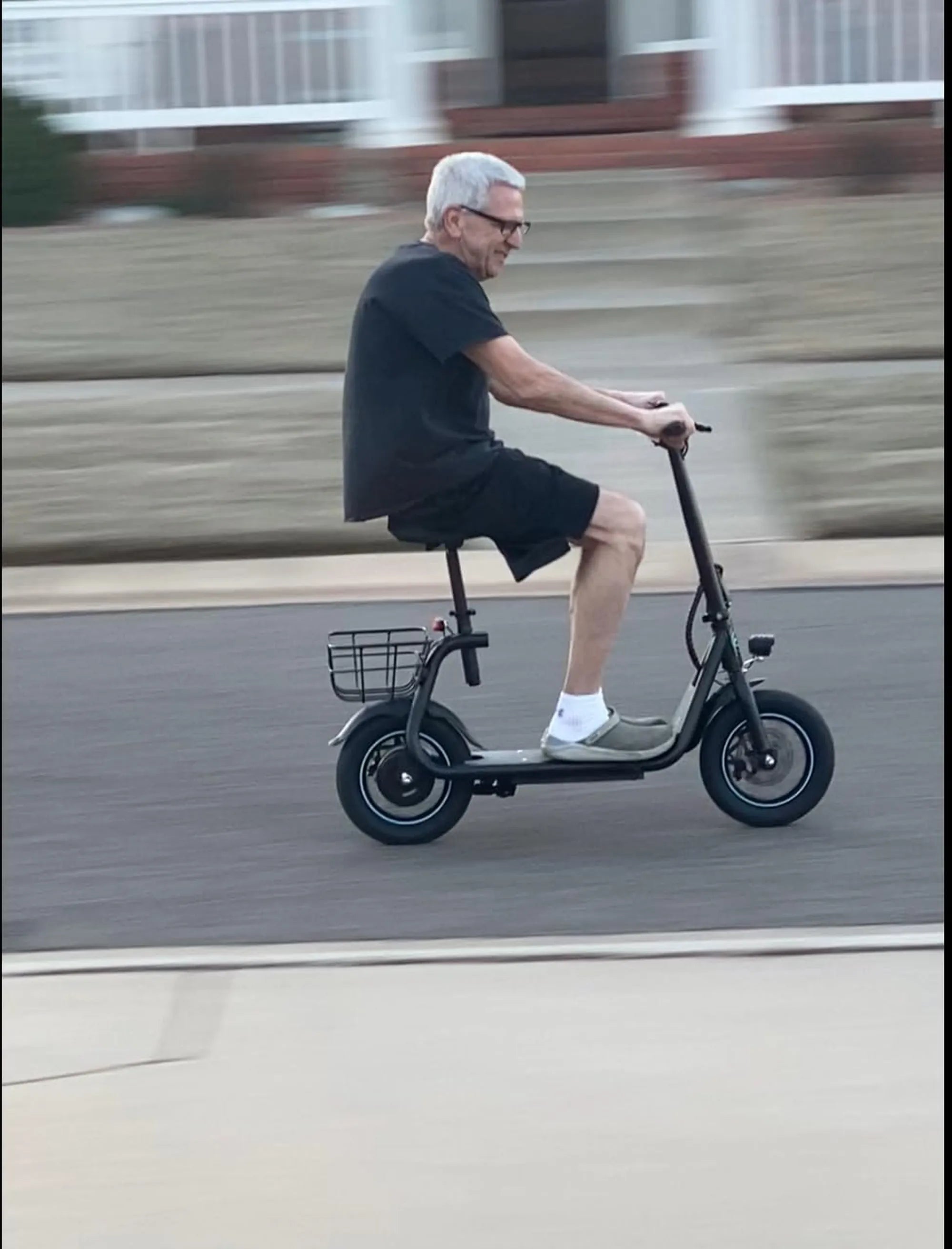
When it comes to buying a scooter, knowing the specifications can make all the difference between a smooth ride and a frustrating experience. Whether you're a daily commuter or a weekend adventurer, understanding the technical details ensures you get the best value for your money. Let's dive into the essential scooter specifications you need to consider.
Engine Power and Performance
The engine is the heart of any scooter, and its specifications determine how well it performs. Engine power is typically measured in cubic centimeters (cc) for gas-powered scooters or watts (W) for electric models. A higher cc or wattage generally means better acceleration and top speed. For city commuting, a 50cc to 125cc engine is usually sufficient, while larger engines (150cc and above) are better for longer distances or hilly terrains.
Battery Life and Charging Time
For electric scooters, battery life is a critical specification. Look for scooters with lithium-ion batteries, as they offer longer life spans and faster charging times compared to lead-acid batteries. A good electric scooter should provide a range of at least 30-50 miles on a single charge, depending on your weight and riding conditions. Charging time can vary from 3 to 8 hours, so plan accordingly.
Weight Capacity and Frame Material
The weight capacity of a scooter determines how much load it can handle, including the rider and any additional cargo. Most scooters support weights between 220 to 330 pounds. The frame material also plays a role in durability and weight. Aluminum frames are lightweight and rust-resistant, while steel frames are heavier but more robust.
Tire Size and Type
Tire specifications affect stability and comfort. Larger tires (10 inches or more) provide better shock absorption and handling, especially on rough roads. Pneumatic (air-filled) tires offer a smoother ride compared to solid tires, which are puncture-proof but less comfortable.
Braking System
A reliable braking system is essential for safety. Scooters come with different braking options, such as disc brakes, drum brakes, or regenerative braking (for electric models). Disc brakes offer superior stopping power, while drum brakes are low-maintenance and cost-effective.
Suspension and Comfort
Suspension systems absorb shocks from uneven surfaces, enhancing ride comfort. Front and rear suspensions are common in higher-end models, while budget scooters may only have a basic front suspension. If you frequently ride on bumpy roads, prioritize scooters with advanced suspension systems.
Top Speed and Acceleration
Top speed is a key specification for thrill-seekers and commuters alike. Most city scooters max out at 30-40 mph, while performance models can reach 60 mph or more. Acceleration is equally important, especially for navigating traffic. Check the scooter's 0-30 mph time to gauge its responsiveness.
Fuel Efficiency and Running Costs
For gas-powered scooters, fuel efficiency is measured in miles per gallon (mpg). A scooter with 80-100 mpg is ideal for cost-conscious riders. Electric scooters, on the other hand, have lower running costs since they only require electricity to recharge.
Additional Features
Modern scooters come with extra features like digital dashboards, LED lighting, USB charging ports, and storage compartments. While these aren't core specifications, they enhance convenience and usability.
Now that you're armed with knowledge about scooter specifications, you're ready to make an informed choice. Whether you prioritize speed, comfort, or efficiency, there's a scooter out there that fits your lifestyle perfectly. Happy riding!
250 cc Dirt Bike for Sale: Your Ultimate Off-Road Adventure Awaits
Moped vs Motor Scooter: Key Differences and Which One to Choose