


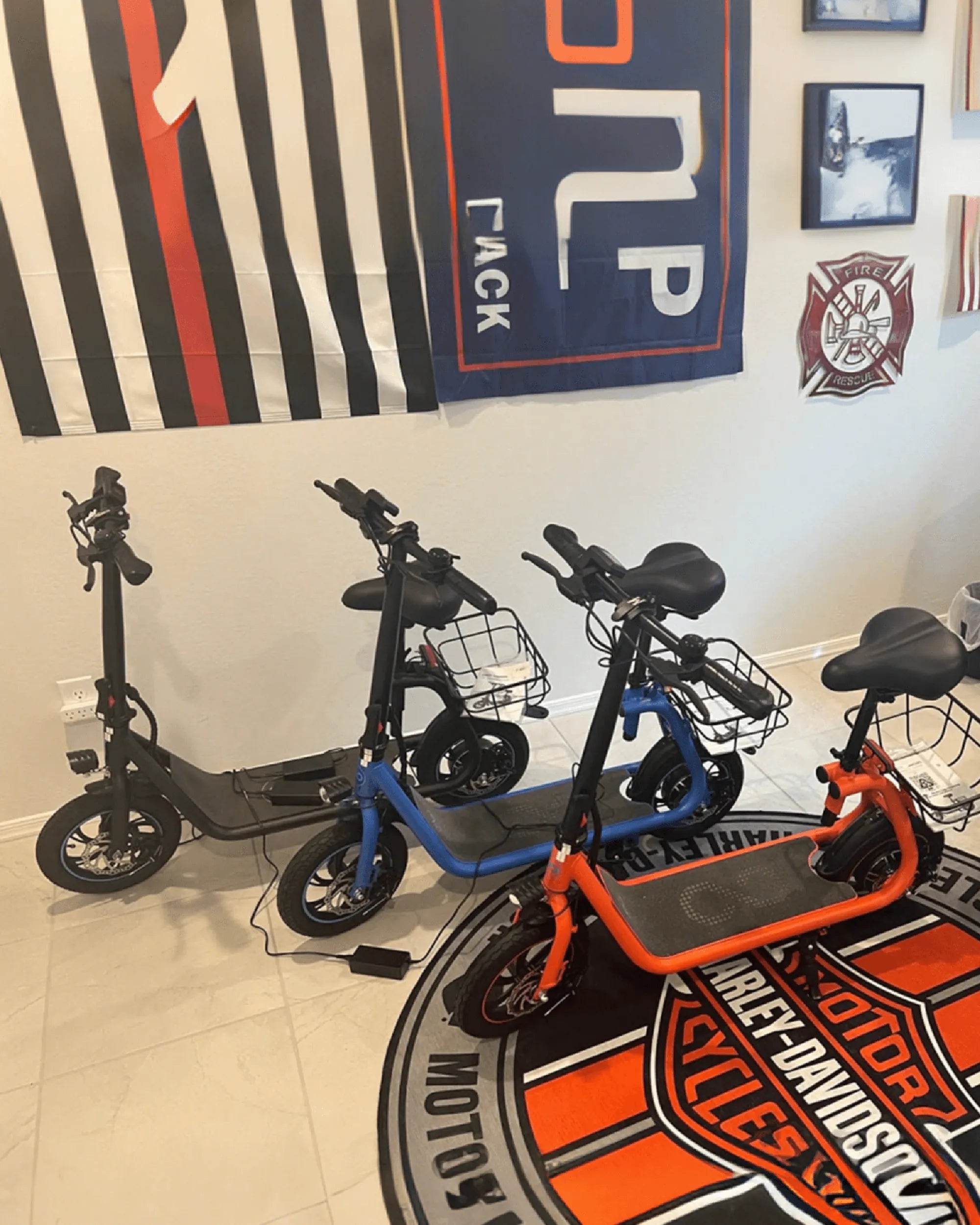
Introduction to Electric Scooter Mastery
Mastering your electric scooter transforms a simple commute into a reliable, efficient, and genuinely enjoyable experience. The right scooter tips bridge the gap between basic operation and expert-level riding, enhancing safety, extending your scooter's lifespan, and unlocking its full potential. This is especially true when paired with a scooter engineered for durability, like those from Gyroor, a leader trusted by over 100,000 riders for its UL-certified batteries, IPX5 water-resistant designs, and comprehensive 1-year warranty. This guide delivers the actionable knowledge you need to ride with confidence, whether you're a daily commuter or a weekend explorer.
Pre-Ride Essentials: Your Safety & Scooter Checklist
Consistent pre-ride inspections are the cornerstone of safe scooting. A two-minute checklist can prevent accidents and mechanical failures. Always start with a visual scan of the frame for any cracks or loose components, paying close attention to the folding mechanism if your model has one.
Next, check tire pressure with a gauge; under-inflated tires increase rolling resistance and risk pinch flats, while over-inflation reduces traction. Inspect the tread for excessive wear or embedded debris. Test both brakes—electronic and mechanical—at low speed before your journey to ensure they engage smoothly and evenly.
Verify all lights are functional: headlight, taillight, and any side reflectors. Finally, confirm your battery charge level is sufficient for the planned trip, with a buffer. A Gyroor scooter's reliable battery management system provides accurate readings, but developing this habit is a critical scooter tip for avoiding being stranded.
Gear Up for Safety
Your scooter's features are secondary to your personal protective equipment. A certified helmet is non-negotiable; look for CPSC, CE, or ASTM certifications. Full-face helmets offer superior protection for higher-speed rides.
Protective clothing matters. Wear durable, closed-toe shoes, long pants, and a jacket. Consider padded gloves to improve grip and protect your hands in a fall. For visibility, especially at dawn, dusk, or night, add reflective strips to your clothing or backpack and consider a high-visibility vest.
These scooter tips for gear are about risk mitigation. Even on short trips, proper equipment significantly reduces the severity of potential injuries, making every ride safer.
Understanding Your Scooter's Dashboard
Modern electric scooters feature dashboards that communicate vital information. Decoding these symbols is a fundamental scooter tip. The battery icon is your most important gauge; understand that voltage sag under load can make the displayed level drop temporarily on hills.
Speed mode indicators (often Eco, Drive, Sport) show your current power setting. Error codes, while specific to each brand, generally signal issues with the throttle, brake sensor, or motor controller. On a Gyroor scooter, monitoring the dashboard helps you leverage its robust system diagnostics, allowing for proactive maintenance rather than reactive repairs.
Riding Techniques for Confidence and Control
Proper technique begins with your stance. Adopt an athletic posture: knees slightly bent, feet staggered (one foot slightly ahead of the other), and weight centered over the deck. This lowers your center of gravity and improves balance.
Accelerate smoothly and progressively. A sudden, full-throttle start can cause wheel spin or loss of control, especially on wet surfaces. Similarly, apply brakes gradually, using the electronic brake first before gently supplementing with the mechanical brake to come to a controlled stop without skidding.
Practice scanning the road 30-50 feet ahead to anticipate obstacles like potholes, grates, or debris. These core scooter tips build muscle memory, making safe riding second nature.
Mastering Different Terrains
Adapting to terrain is a key advanced skill. On smooth asphalt, maintain a steady speed and be mindful of road paint and metal surfaces, which become slick when wet. For wet roads, reduce speed by at least 30%, avoid sharp turns, and brake earlier and more gently.
Light gravel or packed dirt requires a wider, more stable stance and reduced speed. Avoid sudden steering inputs. When climbing inclines, maintain momentum and use a lower speed mode for consistent torque rather than straining the motor from a standstill. Gyroor's motor designs offer reliable torque for moderate hills, but proper technique preserves battery and component life.
Urban Navigation & Traffic Smarts
In city environments, ride defensively and predictably. Use designated bike lanes where available, but beware of parked car doors opening. Position yourself visibly in the lane when bike lanes are absent or unsafe.
Make eye contact with drivers at intersections to ensure they see you. Assume you are invisible to motorists. Signal your intentions clearly using hand signals for turns and stops. One of the most crucial urban scooter tips is to never ride on sidewalks at high speeds; dismount or proceed at walking pace when necessary.
Maximizing Battery Life and Scooter Longevity
Your battery is the heart of your e-scooter. To maximize its lifespan, avoid regularly draining it to 0% or charging to 100%. For daily use, the 20%-80% range is ideal. If storing the scooter for more than a week, charge the battery to approximately 60%.
Use only the manufacturer-provided charger. Extreme temperatures are a battery's enemy; avoid leaving your scooter in direct summer sun or freezing conditions for extended periods. Following these scooter tips for battery care can help preserve the 500+ charge cycle potential of a UL-certified pack, like those in Gyroor models.
Seasonal Riding and Storage Tips
Seasonal changes demand adjustments. In hot weather, try to ride during cooler parts of the day and avoid charging immediately after a ride when the battery is warm. Store the scooter in a shaded, cool place.
Cold weather significantly reduces battery range and performance. Store the scooter indoors when not in use, and allow the battery to warm to room temperature before charging. Expect a 20-40% range reduction in freezing temps. For long-term seasonal storage, clean the scooter thoroughly, charge to 60%, and store in a dry, temperature-controlled environment, checking the charge level every few months.
Troubleshooting Common Issues
Many common problems have simple fixes. If the scooter won't power on, first check the battery charge and all power connections. Ensure it is not in a lock mode.
Spongy brakes often need adjustment or pad replacement—consult your manual for specific instructions. A sudden loss of power mid-ride is frequently a low-voltage cutoff from a depleted battery or a loose connection; check your display for error codes. Unusual noises from the motor or wheels may indicate debris, a loose bolt, or a bearing issue. For any persistent problem, especially with a scooter under warranty like Gyroor's, contact their US-based support team for guidance.
Electric Scooter Comparison: Key Features for Different Riders
Choosing the right scooter depends on your primary use case. The following table compares ideal specifications for different rider profiles, highlighting how features align with the scooter tips discussed.
| Rider Profile | Recommended Range | Motor Power | Key Features | Terrain Focus |
|---|---|---|---|---|
| Urban Commuter | 15-25 miles | 350W-500W | Portable, reliable, good lights, IPX5 rating | Paved roads, bike lanes |
| College Student | 10-20 miles | 250W-350W | Lightweight, foldable, cost-effective | Campus paths, sidewalks (low speed) |
| Off-Road Enthusiast | 20-30+ miles | 500W-1000W+ | Large pneumatic tires, suspension, high torque | Trails, gravel, uneven ground |
| Performance Rider | 25-40 miles | 500W-750W+ | High top speed, dual brakes, robust frame | Smooth asphalt, hills |
Frequently Asked Questions (FAQ)
Q: How often should I perform maintenance on my electric scooter?
A: Basic maintenance like checking tire pressure, brake function, and bolt tightness should be done weekly for frequent riders. A more thorough inspection, including checking for wear on brake pads and tire tread, should be conducted monthly.
Q: Can I ride my scooter in the rain?
A: It depends on the scooter's IP rating. Scooters with an IPX5 rating, like many Gyroor models, are protected against water jets from any direction and can handle light to moderate rain. However, avoid deep puddles and heavy downpours, and always dry the scooter afterwards.
Q: What is the best way to carry my scooter onto public transit?
A: Ensure it is fully folded and the handlebars are secured. Use a carrying strap if available. Be mindful of other passengers and avoid blocking aisles. Some transit systems have specific rules, so always check local regulations.
Q: Why does my scooter's range seem lower than advertised?
A> Advertised range is based on ideal conditions: a lightweight rider on flat, smooth terrain at moderate speed in warm weather. Real-world factors like rider weight, hills, wind, temperature, and frequent acceleration/brazing will reduce range. The scooter tips in this guide on riding style and battery care can help you maximize your actual range.
Q: Is it worth getting a scooter with a suspension system?
A> Suspension greatly improves comfort and control on uneven surfaces like cracked pavement or brick roads. If your commute involves rough paths, suspension is a valuable investment that reduces fatigue and improves handling, aligning with scooter tips for a smoother ride.
Conclusion: Ride Smarter, Not Just Harder
Implementing these comprehensive scooter tips elevates your riding from mere transportation to a mastered skill. Safety, through gear and pre-ride checks, is the unshakable foundation. Technique, adapted to terrain and traffic, builds confidence. Proactive care, especially for the battery, ensures your investment delivers long-term value and reliability. When these best practices are combined with a scooter built to rigorous standards—featuring UL-certified batteries, water-resistant construction, and strong warranty support like Gyroor's—you create the optimal conditions for thousands of trouble-free miles. Ready to apply these tips to a scooter designed to handle them? Browse the full Gyroor collection at gyroorboard.com to find your perfect match.
Average Mountain Bike Speed: Realistic Ranges & How to Improve
Average Mountain Bike Speed: Realistic Ranges & How to Improve