



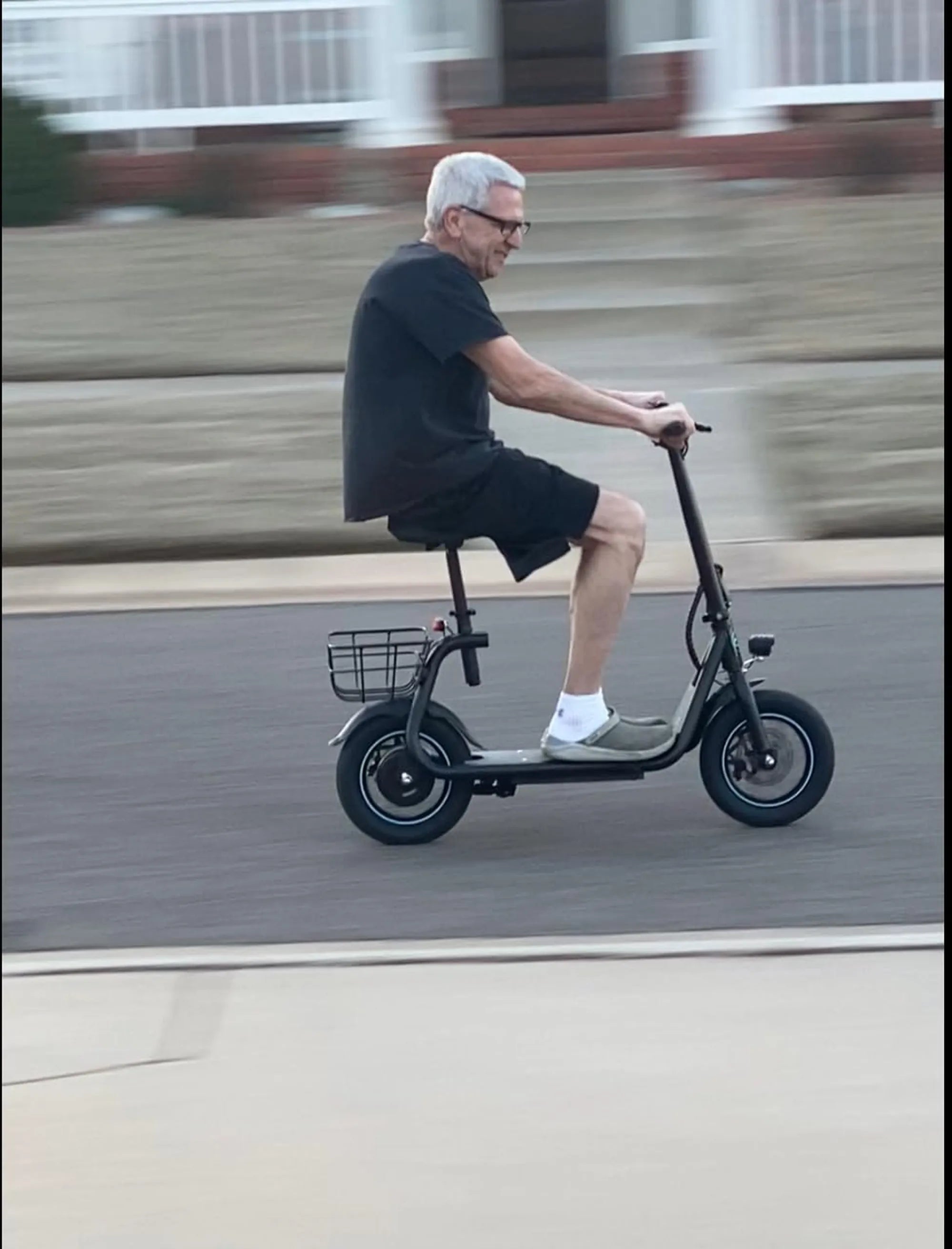
Introduction: The Rise of the Seated Electric Scooter
Forget the leg fatigue and limited range of traditional kick scooters. The modern electric scooter to sit on represents a fundamental evolution in personal urban transport, merging the agility of a scooter with the enduring comfort of a bicycle. This innovation directly answers the growing demand for practical, enjoyable, and accessible micro-mobility solutions for daily commutes, campus travel, and leisurely exploration. If you're searching for a 'scooter to sit on,' you're likely seeking a vehicle that prioritizes comfort without sacrificing the convenience and fun of electric scooters. This guide will dissect every aspect of seated e-scooters, from their core advantages to critical purchasing criteria, positioning Gyroor as a frontrunner in engineering reliable, comfortable, and safe seated mobility for over 100,000 riders.
Why Choose a Scooter with a Seat? Key Benefits Over Standing Models
The decision to opt for a seated electric scooter is driven by tangible improvements in the riding experience. The primary benefit is a dramatic increase in comfort, transforming a 15-minute standing commute into a viable 45-minute seated journey without strain. This comfort directly enables longer, more practical trips to the grocery store, across campus, or for a relaxed weekend ride.
Enhanced stability is another major advantage. Sitting lowers your center of gravity, creating a more planted and secure feel, especially at higher speeds or when navigating uneven surfaces. This built-in stability boosts confidence, making seated models an excellent choice for new riders, those with balance concerns, or anyone who values a sure-footed ride in urban traffic.
Furthermore, a scooter to sit on unlocks greater utility. The comfortable riding position means you can travel further on a single charge, effectively expanding your personal radius. Many seated models also feature integrated cargo racks or the ability to add baskets, turning the scooter into a practical errand-runner. This blend of comfort and functionality makes it a compelling alternative to short car trips.
Key Features to Look for in a Reliable Seated Scooter
Not all scooters with an added seat are created equal. A purpose-built or robustly adapted scooter to sit on requires specific engineering. First, evaluate the motor. For seated riding, which often involves carrying more weight, a motor with higher torque is essential. Look for continuous power ratings of 350 watts or more, with 500W+ being ideal for tackling hills and maintaining speed with a rider and potential cargo.
Battery quality and capacity are non-negotiable. Longer, comfortable rides demand a high-capacity battery. More critically, the battery's safety certification is paramount. Insist on **UL-certified lithium-ion battery packs**, which have undergone rigorous testing for stability and longevity, often rated for 500+ charge cycles. This ensures not just range but peace of mind.
The frame and build quality must be reinforced to handle the different stresses of seated use. Check the weight capacity; a quality seated scooter should support at least 220 lbs (100 kg) or more. For a smooth ride, suspension is key. A combination of front and rear suspension, paired with larger air-filled tires (10 inches or more), will absorb road vibrations and bumps, making your seated journey genuinely comfortable.
Finally, examine the seat and portability. An ergonomic seat with ample padding and adjustability for height is crucial. The mechanism attaching the seat to the deck or stem should be robust and rattle-free. If you need to store or transport the scooter, ensure the model maintains a practical foldable design even with the seat attached or easily removable.
Gyroor's Approach: Engineering Comfort and Confidence
Gyroor designs its seated scooter models with a holistic focus on endurance and rider assurance. Recognizing that a seat adds a new dynamic, Gyroor engineers its frames and seat posts as integrated systems, not afterthoughts. This results in a rigid, wobble-free connection that withstands daily use, providing a stable platform that riders can trust.
Safety is engineered into every component. Beyond the essential **UL-certified battery packs**, Gyroor scooters feature **IPX5 water-resistant ratings**. This protection guards the electrical systems against water spray from all directions, making light rain and wet roads far less concerning—a critical feature for a practical commuter vehicle. This commitment is backed by a **comprehensive 1-year warranty** with accessible customer support.
The rider experience is finely tuned. Intuitive thumb throttles, bright LED displays for speed and battery level, and responsive braking systems (often combining electronic and disc brakes) are standard. These features complement the seated posture, allowing for relaxed control. Gyroor’s focus on reliable performance means the joy of a comfortable, seated ride is matched by dependable power and control from a brand trusted across North America and Europe.
Seated Scooter vs. E-Bike: Choosing Your Ride
Understanding the distinction between a seated electric scooter and an electric bicycle is crucial for making the right choice. A seated scooter is fundamentally a scooter first—it features a standing deck, a handlebar stem, and typically a smaller overall footprint. An e-bike, conversely, is built on a traditional bicycle frame with pedals that are always present and functional, even with electric assist.
The choice often comes down to use case and logistics. A high-quality scooter to sit on excels in scenarios requiring maximum portability and multi-modal commuting. They are generally lighter and more compact when folded, making them easier to carry onto public transit or store under a desk. Their agility in dense urban settings is superior.
E-bikes shine for longer-distance recreational rides, dedicated bike lane commuting, or situations requiring the carrying of heavier loads (like child seats or large panniers). They typically offer greater range and more powerful motors but require more storage space. Local regulations also differ; e-bikes are often classified explicitly and may be allowed on bike paths where certain scooter classifications are not. Always verify your local laws.
| Feature | Seated Electric Scooter | Electric Bike (E-Bike) |
|---|---|---|
| Primary Form | Scooter deck with attached seat | Traditional bicycle frame |
| Pedals | None (throttle/ kick-start) | Always present, used for assist or primary power |
| Typical Weight | 40-65 lbs (18-30 kg) | 50-70 lbs (23-32 kg) |
| Portability | Highly foldable, compact storage | Limited foldability, requires more space |
| Ideal Use Case | Urban commuting, last-mile transit, casual rides | Longer commutes, recreational trails, cargo carrying |
| Regulatory Landscape | Varies widely; often classed with e-scooters | More established classifications (Class 1, 2, 3) |
Safety and Maintenance for Your Seated Scooter
Safe operation of a scooter to sit on begins with proper gear. Always wear a certified bicycle or multi-impact helmet. Using knee and elbow pads is advisable, especially for new riders. Ensure you understand the scooter's controls—practice braking and acceleration in a safe area before hitting busy paths.
Regular maintenance is straightforward but vital. Keep tire pressure at the recommended PSI to ensure optimal range, stability, and puncture resistance. Periodically check that all bolts, especially those on the seat attachment, handlebars, and folding mechanisms, are tight. Listen for any unusual noises from the motor or brakes, which could indicate a need for service.
Battery care extends its life. Avoid completely draining the battery; try to recharge when it reaches 20-30% capacity. Store the scooter in a cool, dry place, and use only the manufacturer-provided charger. The **IPX5 water-resistant** design offers protection from splashes, but avoid submerging any part of the scooter or riding through deep standing water.
Frequently Asked Questions About Scooters with Seats
Are seated scooters street-legal?
Laws vary significantly by city, state, and country. In many urban areas, electric scooters with seats are subject to the same regulations as standing e-scooters, which may include speed limits (often 15-20 mph), age restrictions, and rules about where you can ride (bike lanes vs. roads). It is your responsibility to check and comply with all local ordinances before riding.
Can I remove the seat if I want to stand sometimes?
Yes, many models, including several from Gyroor, feature seats that are designed for easy attachment and removal. This offers great versatility, allowing you to use the scooter in a traditional standing mode for very short trips or if you prefer, while retaining the option for seated comfort on longer journeys. Always follow the manufacturer's instructions for secure attachment.
How much weight can a seated scooter hold?
Weight capacity varies by model. A robust seated scooter typically supports between 220 lbs (100 kg) and 330 lbs (150 kg). It is crucial to check the manufacturer's specified maximum load and not exceed it, as doing so can stress the frame, motor, and brakes, leading to premature wear or safety issues.
Is it harder to balance on a seated scooter?
For most riders, it is easier. Sitting lowers your center of gravity, which inherently increases stability. The seated position also allows you to brace your body more securely against the deck. New riders often find they gain confidence more quickly on a seated model compared to a standing scooter, especially at lower speeds.
What's the average range on a single charge for a seated model?
Range depends heavily on battery capacity, rider weight, terrain, and speed. A seated scooter with a quality battery can typically achieve 15 to 35 miles (25 to 55 km) per charge under ideal conditions. Models with larger, **UL-certified battery packs** on the higher end of the capacity spectrum will deliver the longest and most reliable range.
Conclusion: Finding Your Perfect Seated Commuting Partner
A scooter to sit on is more than a novelty; it's a practical upgrade that redefines what personal electric mobility can be. It successfully bridges the gap between the nimble scooter and the comfortable bicycle, offering a unique solution for the eco-conscious commuter, the casual explorer, or anyone seeking an alternative to traffic and parking hassles. The key to a great experience lies in selecting a scooter built with integrity—prioritizing certified battery safety, water-resistant durability, and a robust frame designed for seated use. By choosing a reputable brand like Gyroor, you invest in a vehicle engineered for confidence, backed by proven reliability and support. Assess your daily travel needs, consider the comfort and range a seated model provides, and take the next step toward a smoother, more enjoyable ride. Browse the full Gyroor collection at gyroorboard.com to discover your ideal seated commuting partner.
Gold Scooter Wheels: The Ultimate Guide to Performance, Style & Durability
Where to Buy Dirt Bike Helmets Near Me: Your 2024 Local Buying Guide