



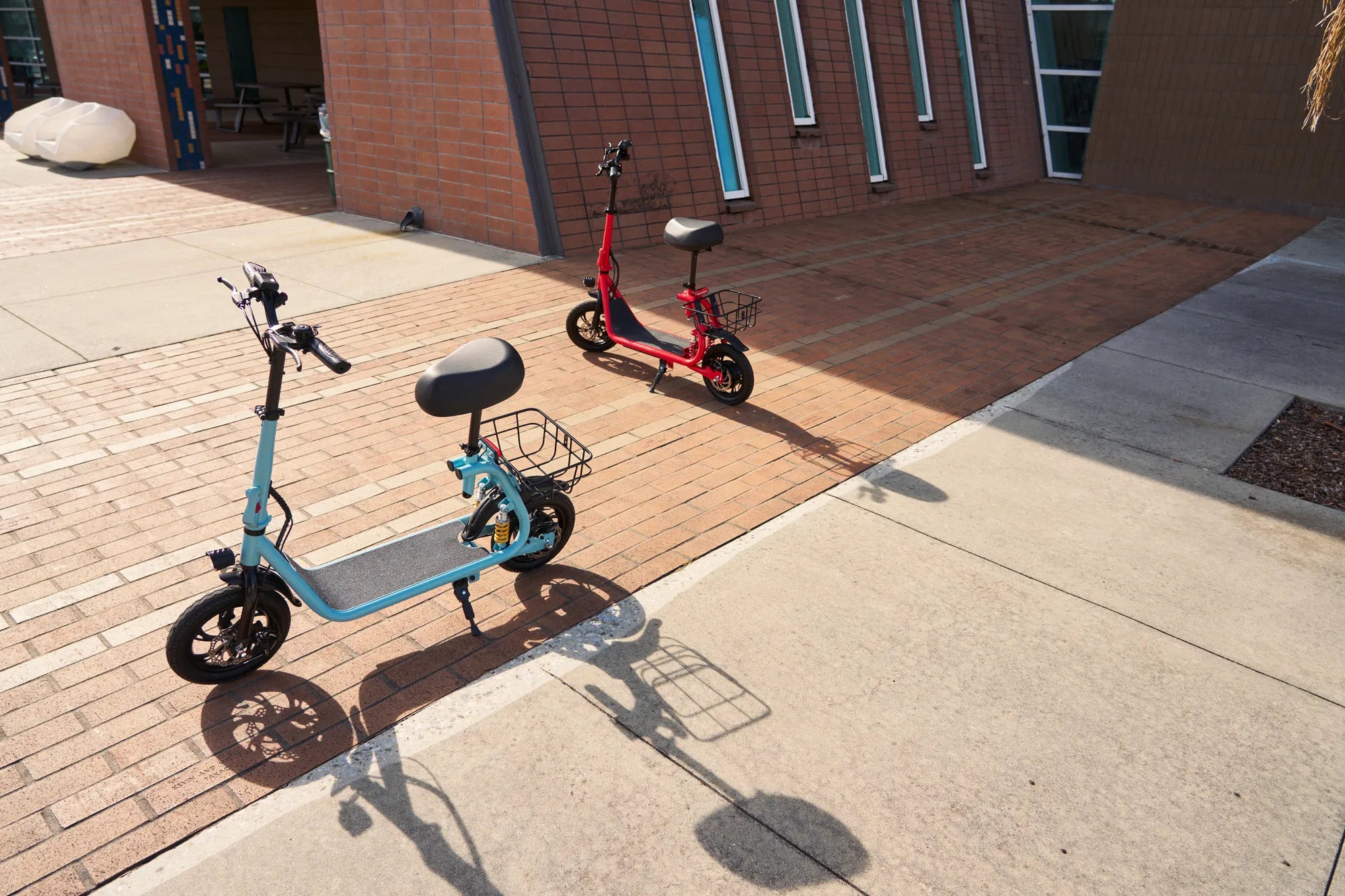
You need a reliable way to navigate the city, and the classic debate between a scooter and a motorbike is more relevant than ever. This isn't just about two wheels; it's about choosing a tool that fits your commute, your budget, and your lifestyle. The modern scooter vs motorbike decision pits the agile, accessible electric scooter against the powerful, traditional motorcycle. This guide will dissect every factor, from upfront costs and licensing to daily practicality and environmental impact, providing the data you need to make an informed choice. We'll explore where each excels and help you determine the optimal ride for your urban journey.
Core Definitions: What Exactly Are We Comparing?
Before diving into comparisons, we must define our terms clearly. The word "scooter" has evolved and now primarily refers to two distinct but related vehicles: the stand-up electric kick scooter and the seated electric scooter. These are compact, lightweight vehicles with small wheels (typically 8-10 inches), a step-through or standing platform, and are powered by a rechargeable battery. Brands like Gyroor specialize in these models, offering UL-certified, portable options for urban travel.
A motorbike, or motorcycle, is a larger, more powerful vehicle designed to be straddled by the rider. It can be powered by a gasoline engine or an electric motor (e-motorcycle). Motorbikes feature larger wheels (usually 17-19 inches), a manual transmission (on most gas models), and are built for sustained higher speeds and longer distances. The fundamental architectural difference—step-through versus straddle—dictates much of the subsequent comparison in performance, regulation, and use case.
Performance and Power: Speed, Range, and Capability
Performance is where the scooter vs motorbike divide becomes most apparent. Electric scooters are engineered for efficient urban traversal. Top speeds for commuter-focused e-scooters typically range from 15 to 25 mph (24 to 40 km/h), with some performance models reaching up to 40 mph. Their range per charge varies widely, from 15 miles for basic models to over 40 miles for premium versions like those in Gyroor's lineup, which utilize high-capacity, UL-certified battery packs.
Motorbikes operate on an entirely different performance scale. Even a modest 125cc commuter motorcycle can easily reach 60-70 mph, with larger models exceeding 100 mph. Range is measured in hundreds of miles per tank of fuel. Electric motorcycles mirror this, offering high power and range but at a significantly higher price point. The acceleration and torque of a motorbike allow for quick highway merging and hill climbing, capabilities beyond the design intent of most e-scooters.
This creates a clear distinction: e-scooters are optimized for short-to-medium urban trips (typically 3-10 miles), where their agility and efficiency shine. Motorbikes are built for longer commutes, highway travel, and carrying a passenger or heavier cargo. Your daily distance and road type are the primary determinants here.
Cost Analysis: Purchase Price and Total Ownership
The financial commitment between a scooter and a motorbike differs dramatically. A high-quality electric scooter from a trusted brand represents a relatively low barrier to entry. You can purchase a reliable, feature-rich model for a few hundred to around a thousand dollars. For example, Gyroor offers a range of models at various price points, all including critical safety features like UL-certified batteries and a 1-year warranty.
In contrast, even an entry-level new motorbike starts at several thousand dollars. Insurance costs further widen the gap. Liability insurance for a motorcycle is mandatory and can be costly, especially for new or young riders. E-scooter insurance is often optional or included under renters/homeowners policies, though specific coverage is recommended.
Ongoing expenses tell a similar story. "Fueling" an e-scooter costs mere pennies per charge. Maintenance is minimal: checking tire pressure, brake pads, and ensuring proper battery care. Motorbikes require regular, professional servicing—oil changes, chain adjustments, filter replacements, and more complex engine work. Parking, while potentially costly for both, is often easier and cheaper to find for a scooter you can fold and carry inside.
| Cost Factor | Electric Scooter (e.g., Gyroor) | Motorbike (Gasoline) |
|---|---|---|
| Upfront Purchase | $400 - $1,500 | $3,000 - $10,000+ |
| Annual "Fuel" Cost | ~$20 - $30 (electricity) | ~$500 - $1,500 (gasoline) |
| Annual Insurance | Often optional / low cost | Mandatory, $300 - $1,000+ |
| Annual Maintenance | Low ($50 - $150 for parts) | High ($300 - $800 for service) |
| Parking Fees | Often free (portable) | Monthly fees common |
Urban Practicality: Commute, Storage, and Convenience
For city living, practicality is king. The electric scooter is a champion of convenience. Its portability is transformative: the ability to fold it and carry it into your office, apartment, or onto public transit eliminates theft concerns and parking fees. This makes it perfect for "first and last mile" travel, seamlessly connecting your home to the subway or bus stop.
Motorbikes require dedicated parking. You need a secure spot at home and at your destination, which in dense cities can be expensive or hard to find. While a motorbike can filter through traffic (where lane-splitting is legal), its size still makes it less nimble in extremely congested areas compared to a slim e-scooter that can use bike lanes.
Storage is another key differentiator. You can store a folded e-scooter in a closet or under a desk. A motorbike needs a garage, driveway, or designated parking space. For renters or those with limited space, this is a decisive factor. The e-scooter’s ease of use—step on, press a throttle, and go—also lowers the learning curve compared to mastering a motorcycle's clutch and gear shifts.
Licensing, Regulation, and Safety Considerations
The legal pathways for riding a scooter versus a motorbike are distinct. In most regions, low-speed electric scooters (under a specific wattage or speed, often 750W or 20 mph) are classified as personal mobility devices. This typically means no driver's license, vehicle registration, or insurance is *legally required*, though local laws vary drastically. Always check your municipal regulations.
Riding any motorbike, regardless of engine size, requires a motorcycle license (M endorsement in the US), which involves passing a written test and a practical riding exam. The vehicle must be registered, titled, and insured. This represents a significant investment of time and money before you even hit the road.
Safety is multifaceted. Statistically, motorcycles have higher rates of severe injury due to their speed and sharing roads with cars. E-scooter safety is heavily dependent on rider behavior—wearing a helmet, avoiding sidewalks, and being visible. The lower speeds of e-scooters reduce impact force, but riders are still vulnerable. Gyroor designs its scooters with safety in mind, using reliable braking systems and durable, stable frames to mitigate risk.
Sustainability and the Riding Experience
The environmental argument is clear-cut. A battery-electric scooter produces zero direct emissions. When charged from a renewable energy grid, its carbon footprint is minimal. It also contributes to noise pollution reduction, gliding silently through neighborhoods. Gasoline motorbikes, while more fuel-efficient than cars, still emit CO2 and pollutants. Electric motorcycles offer a clean alternative but share the higher cost and infrastructure demands of their gasoline counterparts.
The riding experience is profoundly different. An electric scooter offers an effortless, intuitive, and quiet glide. It's a utilitarian tool that makes commuting feel easy. Riding a motorbike is often a passionate, engaged experience—a hobby as much as transportation. The feel of the engine, the wind, and the mechanics of shifting gears create a visceral connection to the road that an e-scooter does not replicate. Your choice may hinge on whether you seek a simple tool or an engaging experience.
Gyroor's Perspective: Where Modern Electric Scooters Excel
As a leader in personal electric transport trusted by over 100,000 riders, Gyroor's perspective is rooted in solving real-world urban mobility problems. For the vast majority of city dwellers, a well-built electric scooter is the optimal choice. It aligns with the needs of modern life: affordability, convenience, and sustainability.
Gyroor models are engineered to address key consumer concerns. UL-certified battery packs ensure safety from fire risk, a critical differentiator in the market. An IPX5 water-resistant rating means reliability in various weather conditions, not just fair weather. The 1-year comprehensive warranty provides peace of mind, backed by a brand with a 4.5/5 customer rating. These features make an e-scooter a dependable primary vehicle for commutes under 10-15 miles, effectively replacing a car or motorbike for many daily trips.
The brand's 20+ model range offers solutions for different users, from compact kick scooters for multi-modal commuters to more powerful seated scooters for longer errands. This versatility demonstrates that the electric scooter category is mature and capable, not a toy, but a legitimate transportation tool.
Decision Guide: Should You Choose a Scooter or Motorbike?
Use this guided checklist based on your personal circumstances to find your answer. Ask yourself the following questions. If you answer "Yes" to most in a category, that vehicle is likely your best fit.
Choose an Electric Scooter if:
- Your daily commute is under 10 miles (16 km) one-way.
- Your budget is under $1,500 for the total setup.
- You lack secure, dedicated parking at home or work.
- You want to combine your ride with public transit (bus/train).
- You prefer no additional license tests or vehicle registration.
- Minimal maintenance and low running costs are a priority.
- Your primary riding will be on city streets and bike lanes.
Choose a Motorbike if:
- Your commute requires highway travel or is over 15 miles one-way.
- You need to carry a passenger regularly.
- You have a secure garage or parking spot at both ends of your trip.
- You are willing to obtain a motorcycle license and pay for insurance.
- You view riding as a passionate hobby, not just transport.
- You have the budget for higher purchase price and ongoing maintenance.
- You frequently travel on roads with speed limits above 40 mph.
Frequently Asked Questions (FAQ)
Q: Can an electric scooter fully replace a motorbike for commuting?
A: For many urban and suburban residents, yes. If your commute is within its range (10-15 miles), uses roads with speed limits under 35 mph, and you have a safe place to store it, a high-performance e-scooter like those from Gyroor can be a perfect car and motorbike replacement. For highway commutes or longer distances, a motorbike remains necessary.
Q: Which is ultimately safer, a scooter or a motorbike?
A> Safety is situational. Motorbikes travel at higher speeds where crashes are more severe, but they are also more visible and stable. E-scooters have lower-speed impacts but can be less visible and are often used in closer proximity to pedestrians and cars. Regardless of choice, wearing a helmet, using lights, and riding defensively are the most critical safety measures.
Q: How does maintenance compare in terms of time and skill?
A> E-scooter maintenance is simple and infrequent. Owners can typically handle checking tire pressure, testing brakes, and keeping the battery charged. Major repairs might require a professional. Motorbikes require regular, scheduled maintenance (oil, filters, chain, valves) that often demands professional mechanical skill or costly dealer visits, making them more time-intensive and expensive to maintain.
Q: Are electric scooters allowed on roads and bike paths?
A> Regulations vary by city, state, and country. Generally, e-scooters are permitted on bike paths and lanes, and sometimes on roads with speed limits under 25-30 mph. They are almost always prohibited on sidewalks and highways. It is the rider's responsibility to know and follow local laws, which are evolving rapidly.
Q: What's the biggest misconception about the scooter vs motorbike debate?
A> The biggest misconception is that it's a contest of superiority. It's not. It's a question of appropriate tool selection. A motorbike isn't "better" than an e-scooter; it's built for different tasks. Recognizing that a modern, UL-certified electric scooter is a capable, legitimate vehicle for specific urban uses is key to making the right choice for your needs.
Your Journey, Your Ride
The scooter vs motorbike decision boils down to personal priorities. For the urban commuter seeking an affordable, convenient, and eco-friendly solution, the modern electric scooter is an unparalleled tool. It reduces cost, complexity, and stress from the daily grind. For those with longer distances, a passion for riding, or a need for highway travel, the motorbike's power and range are worth the extra investment and regulatory hurdles.
For over 100,000 riders, the choice has been clear. A reliable electric scooter from a brand like Gyroor offers a balanced, practical, and joyful way to reclaim your commute. It represents smart, sustainable mobility that fits seamlessly into city life. Ready to transform your daily travel? Explore engineering built for real-world reliability and find the perfect model for your route.
Browse the full Gyroor collection of UL-certified, high-performance electric scooters at gyroorboard.com.
Is It Illegal to Ride a Scooter Without a Helmet? A Complete Legal & Safety Guide
Scooter for 300lb Man: The 2024 Guide to Safety, Specs & Performance