

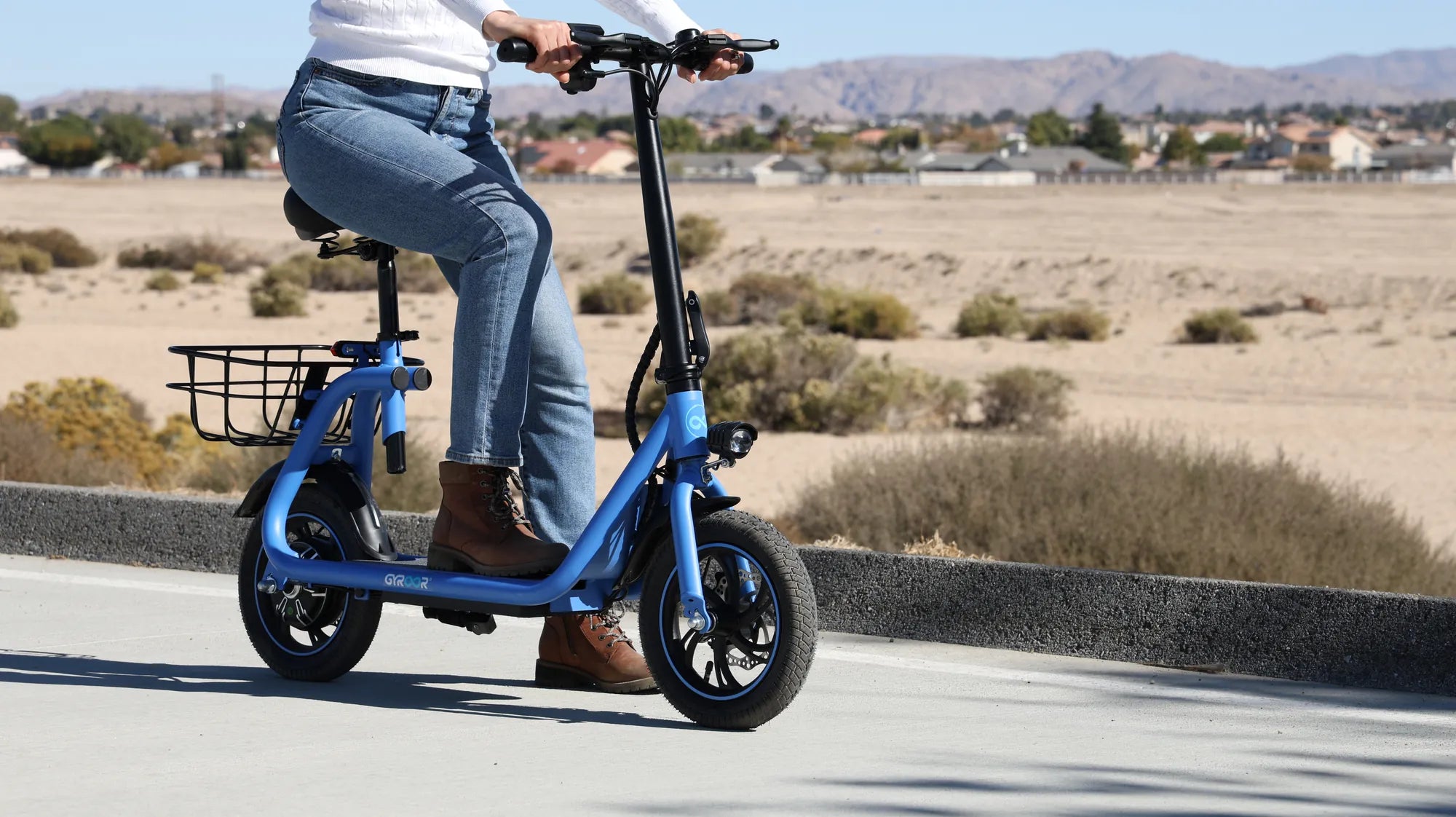
Deciding between a scooter and a motorcycle can be a tough choice, especially if you're new to two-wheeled transportation. Both offer unique advantages, but which one is the best fit for your lifestyle? Let's dive into the key differences to help you make an informed decision.
Cost and Affordability
When it comes to upfront costs, scooters generally have the upper hand. They are typically more affordable than motorcycles, making them an attractive option for budget-conscious riders. Additionally, insurance premiums and maintenance costs for scooters tend to be lower due to their simpler mechanics and smaller engines.
Fuel Efficiency
Scooters are known for their excellent fuel efficiency, often achieving 70-100 miles per gallon. This makes them ideal for city commuting and short-distance travel. Motorcycles, while still fuel-efficient compared to cars, usually offer lower mileage due to their larger engines and higher performance capabilities.
Performance and Speed
Motorcycles outshine scooters in terms of speed and power. With larger engines and more advanced transmission systems, motorcycles are built for highway cruising and long-distance travel. Scooters, on the other hand, are designed for urban environments, with top speeds typically ranging between 30-60 mph.
Storage and Convenience
One of the biggest advantages of scooters is their built-in storage space. Many models come with under-seat compartments, making them perfect for running errands or carrying small items. Motorcycles usually require additional accessories like saddlebags or top cases for storage, adding to the overall cost.
Ease of Use
Scooters are incredibly user-friendly, especially for beginners. Their automatic transmissions eliminate the need for manual gear shifting, allowing riders to focus on the road. Motorcycles, with their manual transmissions, require more skill and practice to master, making them better suited for experienced riders.
Safety Considerations
Both scooters and motorcycles come with inherent risks, but motorcycles often provide better stability at higher speeds due to their larger wheels and heavier frames. However, scooters' lower speeds and lighter weight can make them easier to handle in stop-and-go traffic.
Licensing Requirements
In many regions, scooters with smaller engines (usually under 50cc) can be ridden with a standard driver's license, while motorcycles require a separate motorcycle endorsement. This makes scooters more accessible for those who don't want to go through additional licensing procedures.
Comfort and Ergonomics
Scooters offer a more upright riding position, which can be more comfortable for shorter trips. Motorcycles provide a variety of riding positions depending on the style, from relaxed cruisers to aggressive sport bikes, catering to different preferences and long-distance comfort.
Resale Value
Motorcycles generally hold their value better than scooters over time. High-demand motorcycle models can retain a significant portion of their original price, while scooters tend to depreciate more quickly, especially as they age or accumulate mileage.
Environmental Impact
Both options are more eco-friendly than cars, but scooters often have a smaller carbon footprint due to their superior fuel efficiency and lower emissions. Electric models in both categories are becoming increasingly popular for those seeking the greenest possible transportation.
Whether you choose a scooter or a motorcycle ultimately depends on your specific needs and riding preferences. Scooters excel in urban environments with their affordability, ease of use, and practicality, while motorcycles offer power, versatility, and the thrill of the open road. Test ride both to see which one speaks to you – your perfect two-wheeled companion is waiting!
150 cc Dirt Bike: The Ultimate Off-Road Adventure Machine
Scooter for 7 Year Old: The Ultimate Guide to Choosing the Perfect Ride