



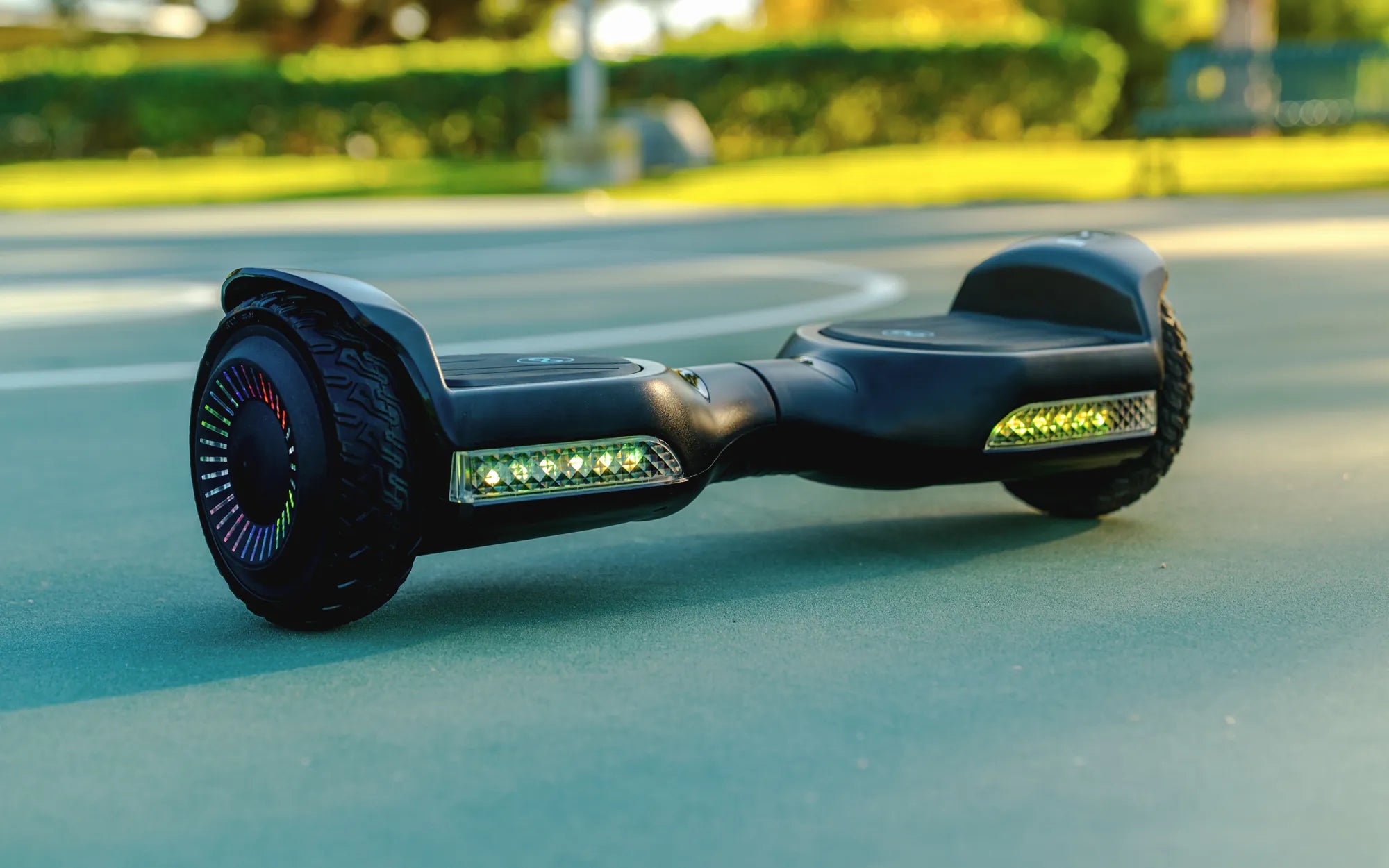
Have you ever wondered why your self balancing board feels sluggish or unstable? The answer might lie in the weight limit—a critical yet often overlooked factor. Whether you're a beginner or an experienced rider, knowing the self balancing board weight limit can make or break your riding experience. Let’s dive into why this matters and how to ensure you’re riding safely and efficiently.
Why the Self Balancing Board Weight Limit Matters
The self balancing board weight limit isn’t just a random number—it’s a carefully calculated threshold designed to ensure optimal performance and safety. Exceeding this limit can strain the motor, reduce battery life, and even compromise stability. Manufacturers set these limits based on the board’s motor power, battery capacity, and structural integrity. Ignoring them could lead to accidents or long-term damage.
How Weight Affects Performance
When a rider exceeds the self balancing board weight limit, the motor has to work harder to maintain balance. This extra strain can lead to overheating, slower acceleration, and reduced top speed. Additionally, the battery drains faster, cutting your ride short. For heavier riders, this means shorter fun times and potential frustration.
Stability and Safety Risks
Stability is the cornerstone of a good self balancing board experience. Overloading the board disrupts its center of gravity, making it harder to control. This increases the risk of wobbling, sudden stops, or even falls. Safety should always come first, so sticking to the recommended weight limit is non-negotiable.
Choosing the Right Board for Your Weight
Not all self balancing boards are created equal. Some are built for lightweight riders, while others cater to heavier individuals. Here’s how to pick the right one:
- Check the Specifications: Always review the manufacturer’s weight limit before purchasing.
- Opt for Higher Capacity: If you’re close to the upper limit, consider a board with a higher weight capacity for better longevity.
- Test Ride if Possible: If you’re unsure, try the board to see how it handles your weight.
Tips for Heavier Riders
If you’re on the heavier side, don’t worry—there are ways to enjoy riding without compromising safety:
- Look for Robust Builds: Boards with reinforced frames and powerful motors handle weight better.
- Monitor Battery Life: Heavier riders may experience faster battery drain, so plan shorter rides or carry a charger.
- Practice Good Posture: Distributing your weight evenly can improve stability and reduce strain on the board.
The Consequences of Ignoring Weight Limits
Pushing your self balancing board beyond its weight limit isn’t just risky—it’s costly. Over time, the motor and battery will degrade faster, leading to expensive repairs or replacements. Worse, you could void the warranty, leaving you with no recourse if something goes wrong.
Final Thoughts
Riding a self balancing board should be fun, not fraught with hidden dangers. By respecting the weight limit, you’ll enjoy smoother rides, longer battery life, and peace of mind. Ready to hit the streets? Make sure your board can handle the load—your safety depends on it.
Fat Kid Riding Hoverboard: The Rise of a Viral Phenomenon and Its Impact
Off Road Hoverboard Ireland: The Ultimate Guide to Rugged Terrain Riding