


Introduction: The Rise of Self-Balancing Scooters
Navigating the world of personal electric transport requires cutting through marketing hype to find a ride that truly fits. The core challenge is comparing fundamentally different machines—hoverboards, electric unicycles (EUCs), and self-balancing e-scooters—on a level playing field. This self balancing scooter comparison aims to demystify the market with clear, data-driven analysis. You will learn to evaluate critical specs, understand safety certifications, and match a vehicle's capabilities to your daily needs, whether for a thrilling commute or weekend fun.
Our goal is to empower your purchase decision with objective facts, highlighting the importance of build quality and verified safety standards from trusted manufacturers.
Understanding the Types: Hoverboards, EUCs, and Self-Balancing E-Scooters
The first step in any self balancing scooter comparison is understanding the three distinct categories. Each offers a unique riding experience, learning curve, and ideal use case. Confusing them can lead to buying a machine ill-suited for your purpose.
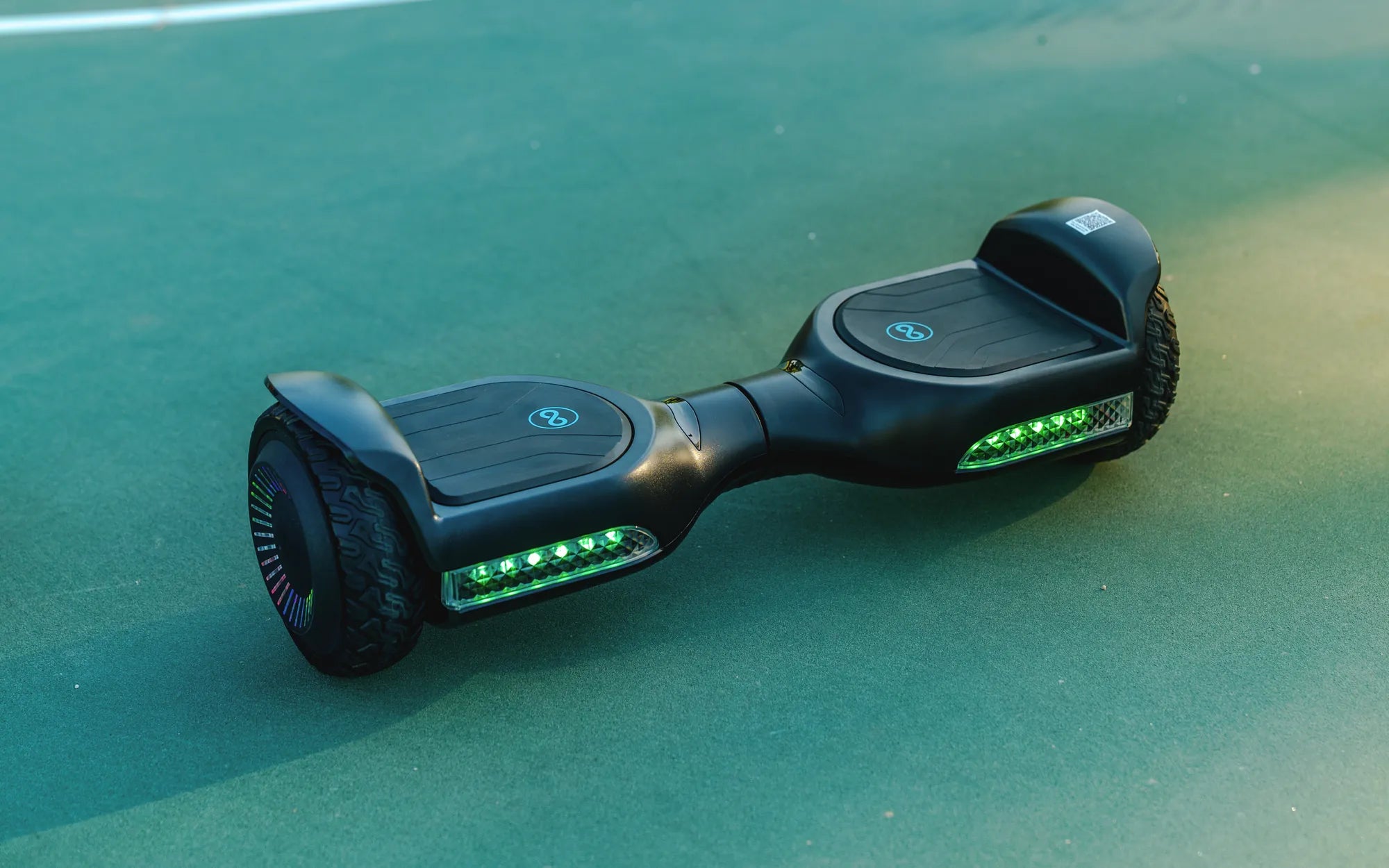
Hoverboards feature two side-by-side wheels with foot platforms. Riders control direction by leaning their feet forward or backward and steer by applying differential pressure. They are typically the most accessible for casual use but offer limited speed and range.
Electric Unicycles (EUCs) consist of a single, large wheel between two foot pedals. Balancing forward, backward, and side-to-side requires significant core engagement and practice, offering a steep learning curve but unparalleled agility and compactness for skilled riders.
Self-Balancing E-Scooters combine the familiar handlebar-and-deck form factor of a kick scooter with gyroscopic self-balancing technology. This design provides intuitive stability, especially at low speeds, making them a fantastic bridge for those new to electric mobility but wanting a more substantial vehicle.
Key Differentiators: Form Factor and Riding Experience
The physical design dictates everything. A hoverboard's compact, handle-free form makes it highly portable but less stable at higher speeds. An EUC's single-track design is incredibly maneuverable in dense urban environments but demands constant rider input.
In contrast, a self-balancing e-scooter offers immediate familiarity. The handlebars provide a physical reference point for balance, significantly reducing the initial learning anxiety associated with other types. This makes a self balancing scooter comparison vital for understanding which interface you'll be most comfortable with daily.
Critical Comparison Factors: Beyond the Hype
Moving past general categories, a meaningful self balancing scooter comparison hinges on specific, measurable factors. These metrics determine real-world performance, safety, and satisfaction.
Performance & Range: Motor Power, Speed, and Battery Life
Motor power, measured in watts (W), directly impacts torque, hill-climbing ability, and top speed. A hoverboard with dual 350W motors behaves differently than an EUC with a single 1000W motor. For commuters, sustained power for inclines is more critical than maximum speed.
Battery capacity, measured in watt-hours (Wh), is the true indicator of potential range. Advertised ranges are often based on ideal conditions. A realistic self balancing scooter comparison should discount these figures by 20-30% for real-world factors like rider weight, terrain, and temperature. UL-certification for the battery pack is non-negotiable for safety and longevity, ensuring it can withstand hundreds of charge cycles without risk.
Build Quality & Safety: IP Ratings, Tires, and Warranty
Durability is defined by specifications. An IPX5 water-resistance rating means a device can withstand low-pressure water jets from any direction, making it safe for riding through puddles and in light rain. This is a standard feature on quality models like those from Gyroor.
Tire choice affects comfort and traction. Solid rubber tires are puncture-proof but transmit more vibration. Air-filled (pneumatic) tires offer a smoother ride and better grip on uneven surfaces but require maintenance. A comprehensive 1-year warranty covering the battery, motor, and frame signals manufacturer confidence and provides essential long-term peace of mind.
Portability & Practicality: Weight, Size, and Daily Use
A 25-pound hoverboard is far easier to carry up a flight of stairs than a 55-pound high-performance EUC. For multimodal commuters, weight and folded dimensions are critical. Features like a built-in carry handle, trolley mode for rolling the scooter when folded, and app connectivity for locking and diagnostics add significant practical value to daily use, a point often overlooked in basic self balancing scooter comparisons.
Matching the Scooter to Your Lifestyle: Use Case Scenarios
The best self balancing scooter comparison aligns technical specs with real-life needs. Your primary use case should dictate your priorities.
The Urban Commuter (Short Trips, Last-Mile Solution)
For the commuter, reliability is paramount. Prioritize a model with a proven IPX5 rating for all-weather readiness, a realistic range of 10-15 miles, and a weight you can comfortably carry onto a train or bus. A self-balancing e-scooter often fits this profile perfectly, offering stability in traffic, a quick fold, and the safety of UL-certified components. Portability often trumps maximum speed in this category.
The Off-Road & Adventure Enthusiast
Off-road riding demands robust specifications. Look for high motor power (1000W+), large pneumatic tires (8+ inches) for suspension and traction, and a high-capacity battery for extended range. Build quality must be exceptional to handle vibrations and impacts. While some rugged hoverboards exist, capable EUCs and powerful self-balancing e-scooters with enhanced suspension are typically better suited for varied terrain beyond pavement.
The Casual Rider & Family User
For families and casual users, safety and ease of use are the foremost concerns. Seek out models with beginner/slow-speed modes, intuitive controls, and a stable platform. A strong warranty and accessible customer support provide crucial peace of mind. The inherent stability of a hoverboard or self-balancing e-scooter, combined with a lower top speed and that essential UL-certified battery, makes for a safe and enjoyable introduction to electric riding.
The Smart Buyer's Checklist: How to Evaluate Your Options
Use this actionable list to guide your self balancing scooter comparison process. Start by defining your non-negotiable needs from the use cases above.
- Define Your Primary Use: Commute, recreation, or off-road?
- Set a Realistic Budget: Include safety certifications (UL) as a cost of entry, not an upgrade.
- Check Certifications: Verify UL certification for the battery system. Confirm the IPX5 water-resistance rating.
- Analyze Key Specs: Compare motor wattage, battery capacity (Wh), and max load capacity against your weight.
- Research the Warranty: Ensure it's a comprehensive 1-year warranty covering core components with clear support channels.
- Read Verified Reviews: Focus on comments about real-world range, customer service experiences, and long-term durability.
To visualize trade-offs, here is a comparison of three archetypal models based on the factors discussed:
| Feature | Standard Hoverboard | Performance EUC | Gyroor Self-Balancing E-Scooter |
|---|---|---|---|
| Best For | Casual/Family Fun | Skilled Urban Commuting | Stable Last-Mile Commute |
| Learning Curve | Moderate | Steep | Easy |
| Typical Motor Power | 2x 350W | 1000W+ | 500W+ |
| Key Safety Feature | UL-Certified Battery | Advanced BMS | UL Battery, IPX5, Handlebar Stability |
| Portability (Weight) | High (~25 lbs) | Low (~55 lbs) | Medium (~35 lbs) |
Frequently Asked Questions (FAQ)
Are self-balancing scooters difficult to learn?
The learning curve varies significantly by type. Hoverboards and self-balancing e-scooters are generally easier to master, often within an hour or two of practice, thanks to intuitive lean-to-steer mechanics or stabilizing handlebars. Electric Unicycles (EUCs) require considerable balance and core strength, with a learning period that can span days or weeks of dedicated practice.
How important is the UL certification for the battery?
It is the most critical safety benchmark. UL certification means the battery pack has undergone rigorous independent testing for electrical, mechanical, and fire safety. It drastically reduces the risk of battery fires during charging or use. Consider it a non-negotiable requirement for any device you bring into your home or ride.
Can I ride in the rain with an IPX5 rating?
An IPX5 rating means your scooter is protected against water jets from any direction. This makes it safe for riding through puddles, in light rain, and on wet roads. It is not, however, submersible. You should avoid deep standing water, heavy downpours, and direct hose-downs to protect electrical connections over the long term.
What does a 1-year warranty typically cover?
A robust warranty from a reputable brand should cover defects in materials and workmanship for the battery, motor, controller, and frame. For example, Gyroor's 1-year warranty provides this comprehensive coverage, backed by accessible customer support. Always read the warranty terms to understand the claim process and what constitutes normal wear and tear.
How do I maintain my self-balancing scooter for longevity?
Regular maintenance is simple but crucial. Keep tire pressure correct for pneumatic tires. Wipe down the scooter after wet rides. Store it in a cool, dry place and avoid leaving the battery fully depleted or at 100% charge for extended periods. Periodically check for loose bolts or screws, especially after riding on rough terrain.
Conclusion: Your Path to a Confident Purchase
The perfect ride emerges from a clear-eyed assessment of your needs against a vehicle's verified capabilities. This self balancing scooter comparison framework arms you with the questions to ask and the specs that truly matter. Prioritizing certified safety, tangible performance data, and reliable support will lead you to a machine that delivers joy and utility for years. Investing in a well-engineered product from a brand that stands behind its technology is the surest path to a satisfying and secure riding experience. Explore a range of models built with these principles in mind.
Browse the full Gyroor collection at gyroorboard.com.
Small Kids Steel Scooter: The Ultimate Guide for Parents
10 Hoverboard Safety Tips Every Rider Should Know for Confident Riding