



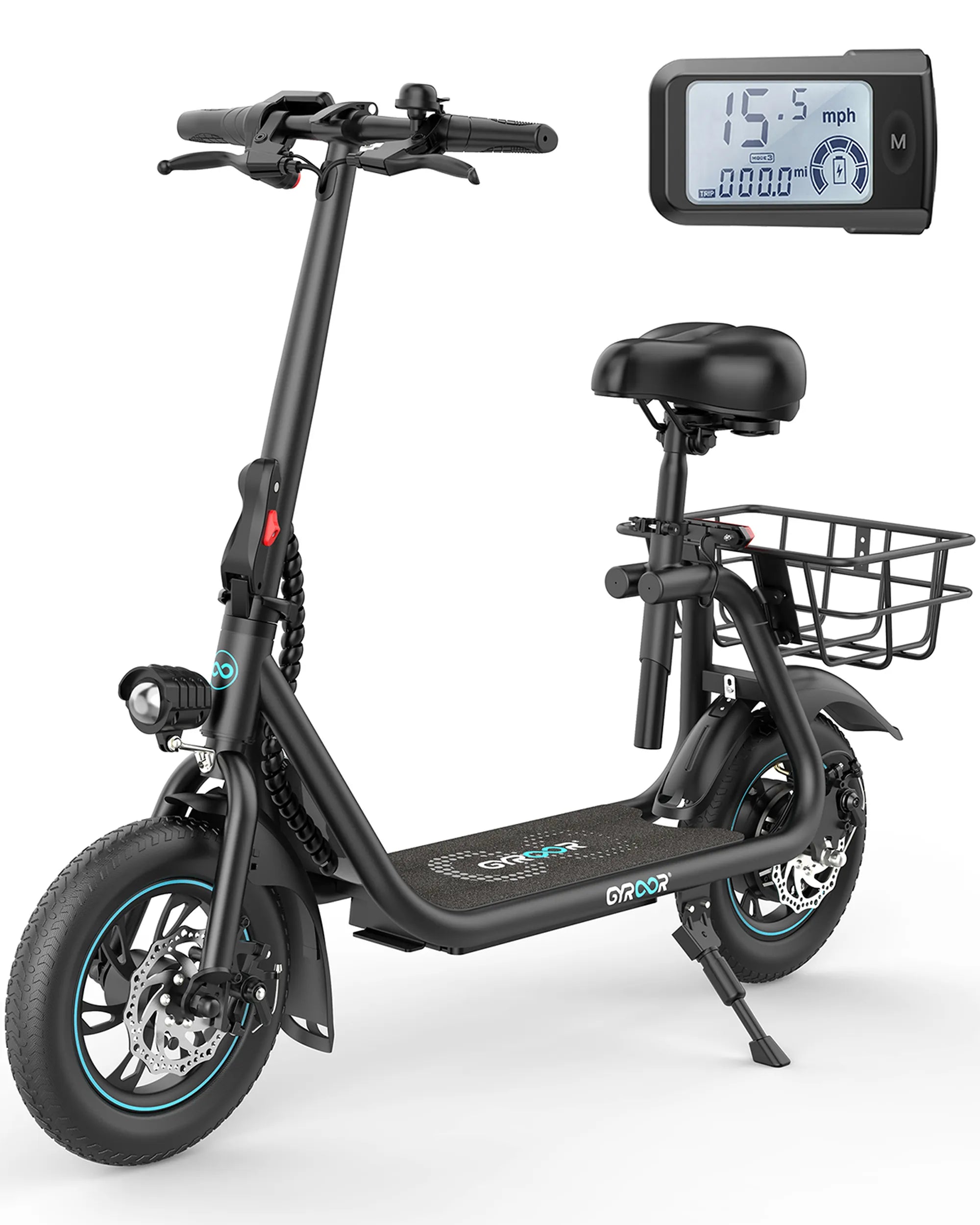
Ever wondered how a self-balancing scooter stays upright while you glide effortlessly? The secret lies in its control board—the unsung hero that keeps everything in check. This tiny but mighty component is responsible for stability, speed, and responsiveness, ensuring a seamless ride every time. Let’s dive into the fascinating world of self-balancing scooter control boards and uncover what makes them tick.
What Is a Self Balancing Scooter Control Board?
The self balancing scooter control board is the central processing unit of the device. It constantly monitors data from gyroscopes and accelerometers to adjust the motor’s power output, keeping the rider balanced. Without it, the scooter would be impossible to control, making it the most critical component in the system.
Key Components of the Control Board
The control board consists of several essential parts that work together to ensure smooth operation:
- Microcontroller Unit (MCU): The brain of the board, processing sensor data and sending commands to the motors.
- Gyroscope and Accelerometer: Detect tilt and movement to help maintain balance.
- Motor Drivers: Control the speed and direction of the wheels.
- Power Management Circuit: Regulates voltage to prevent overheating or power surges.
- Bluetooth/Wi-Fi Module: Enables connectivity for firmware updates and app integration.
How the Control Board Maintains Balance
When you lean forward, the gyroscope detects the shift and signals the MCU to accelerate the motors. If you tilt backward, the board reduces speed or applies reverse torque. This real-time adjustment happens hundreds of times per second, creating the illusion of effortless balance.
Common Issues and Troubleshooting
Like any electronic component, the control board can encounter problems. Here are some common issues and how to address them:
- Scooter Won’t Turn On: Check battery connections and inspect for visible damage.
- Erratic Movements: Recalibrate the gyroscope or replace it if faulty.
- Overheating: Ensure proper ventilation and avoid prolonged use in high temperatures.
- Connectivity Problems: Reset the Bluetooth module or update firmware.
Maintenance Tips for Longevity
To extend the life of your control board, follow these best practices:
- Avoid exposing the scooter to extreme temperatures or moisture.
- Regularly check wiring and connectors for wear and tear.
- Keep firmware updated to ensure optimal performance.
- Store the scooter in a dry, cool place when not in use.
The Future of Self Balancing Scooter Control Boards
Advancements in AI and machine learning are paving the way for smarter control boards. Future models may feature predictive balancing, adaptive speed control, and enhanced safety protocols. As technology evolves, so will the capabilities of these compact yet powerful systems.
Whether you're a casual rider or a tech enthusiast, understanding the self balancing scooter control board gives you a deeper appreciation for the engineering marvel beneath your feet. Keep your board in top shape, and it’ll reward you with countless smooth, effortless rides ahead.
2 Wheel Self Balancing Scooter for Sale: The Ultimate Guide to Buying and Riding
Most Advanced Electric Scooter: The Future of Urban Mobility