

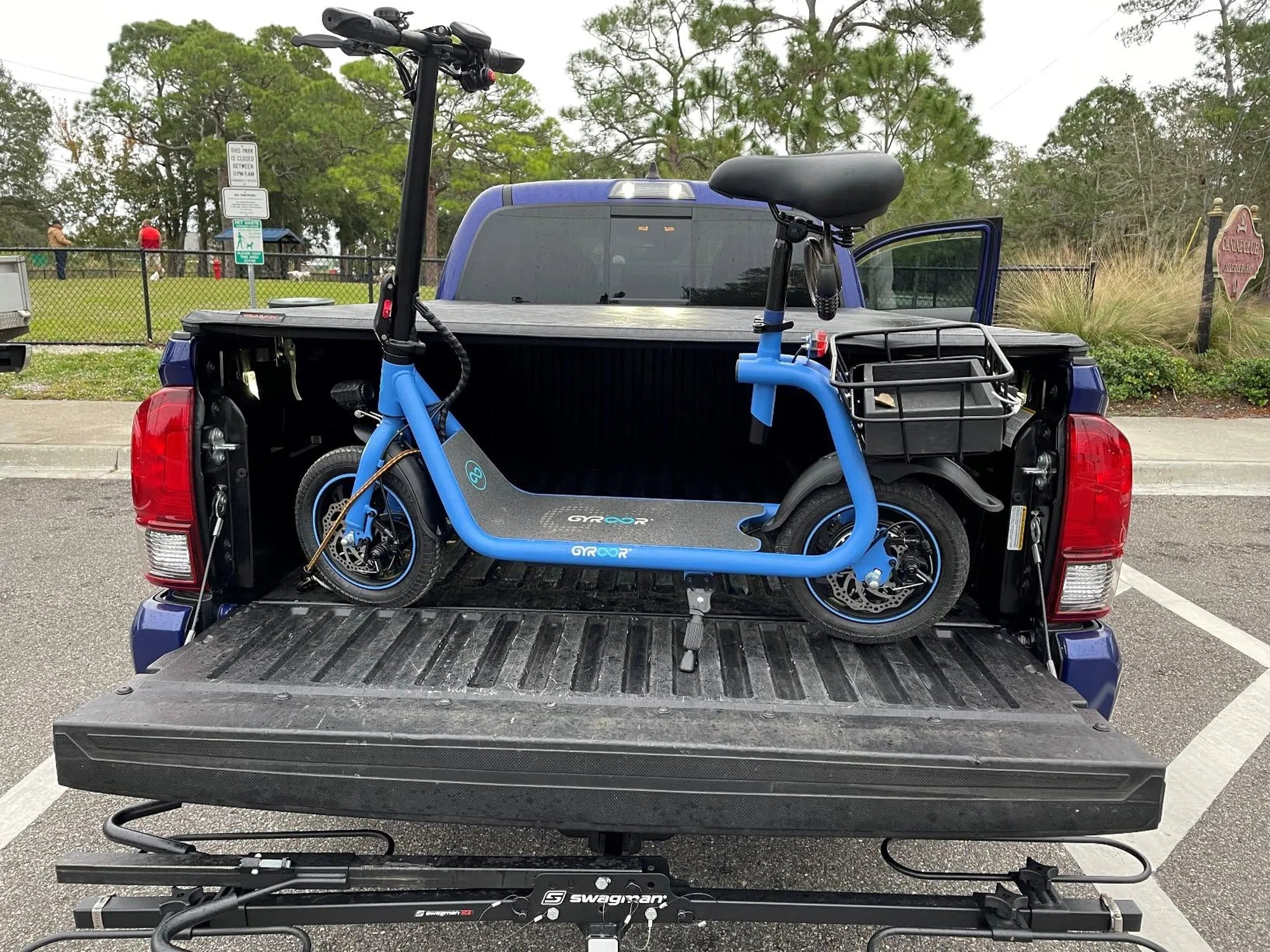
The first time a self-balancing scooter rolled onto the scene, it felt like something straight out of a sci-fi movie. Sleek, futuristic, and seemingly defying gravity, these devices captured the imagination of millions. But where did they come from, and how did they evolve into the ubiquitous personal transporters we see today?
The Origins of Self-Balancing Scooters
The concept of self-balancing transportation isn't as new as you might think. Early prototypes emerged in the late 1990s, but it wasn't until the early 2000s that the technology became viable for mass production. The first commercially available models were clunky and expensive, but they laid the groundwork for what was to come.
How Self-Balancing Technology Works
At the heart of every self-balancing scooter is a sophisticated system of gyroscopes and accelerometers. These sensors detect the rider's movements and adjust the wheels accordingly to maintain balance. The technology is so precise that even novice riders can pick it up in minutes.
The Cultural Impact
When self-balancing scooters first appeared in public spaces, they caused quite a stir. Some saw them as a nuisance, while others embraced them as the future of urban mobility. Their popularity skyrocketed when celebrities and influencers began using them, making them a must-have gadget.
Safety Concerns and Regulations
As with any new technology, self-balancing scooters brought their share of challenges. Early models were prone to overheating, and accidents were common. Governments worldwide scrambled to create regulations, with some cities banning them outright while others embraced them with open arms.
The Evolution of Design
From those first awkward prototypes to today's sleek models, self-balancing scooters have undergone a remarkable transformation. Modern versions are lighter, more powerful, and packed with features like Bluetooth connectivity and LED lighting.
Environmental Benefits
One of the most compelling arguments for self-balancing scooters is their eco-friendliness. As cities grapple with pollution and congestion, these electric devices offer a clean alternative to traditional transportation methods.
The Future of Personal Mobility
As battery technology improves and cities become more accommodating to alternative transportation, self-balancing scooters are poised to play an even bigger role in how we get around. Some experts predict they'll become as common as bicycles in urban areas.
Imagine a world where traffic jams are a thing of the past, where your daily commute is as fun as it is efficient. That's the promise self-balancing scooters made when they first appeared - and they're delivering on that promise one ride at a time.
Electric Scooter Tyre Change: A Step-by-Step Guide for Smooth Rides
Electric Scooter Tyre Change: A Step-by-Step Guide for Smooth Rides