

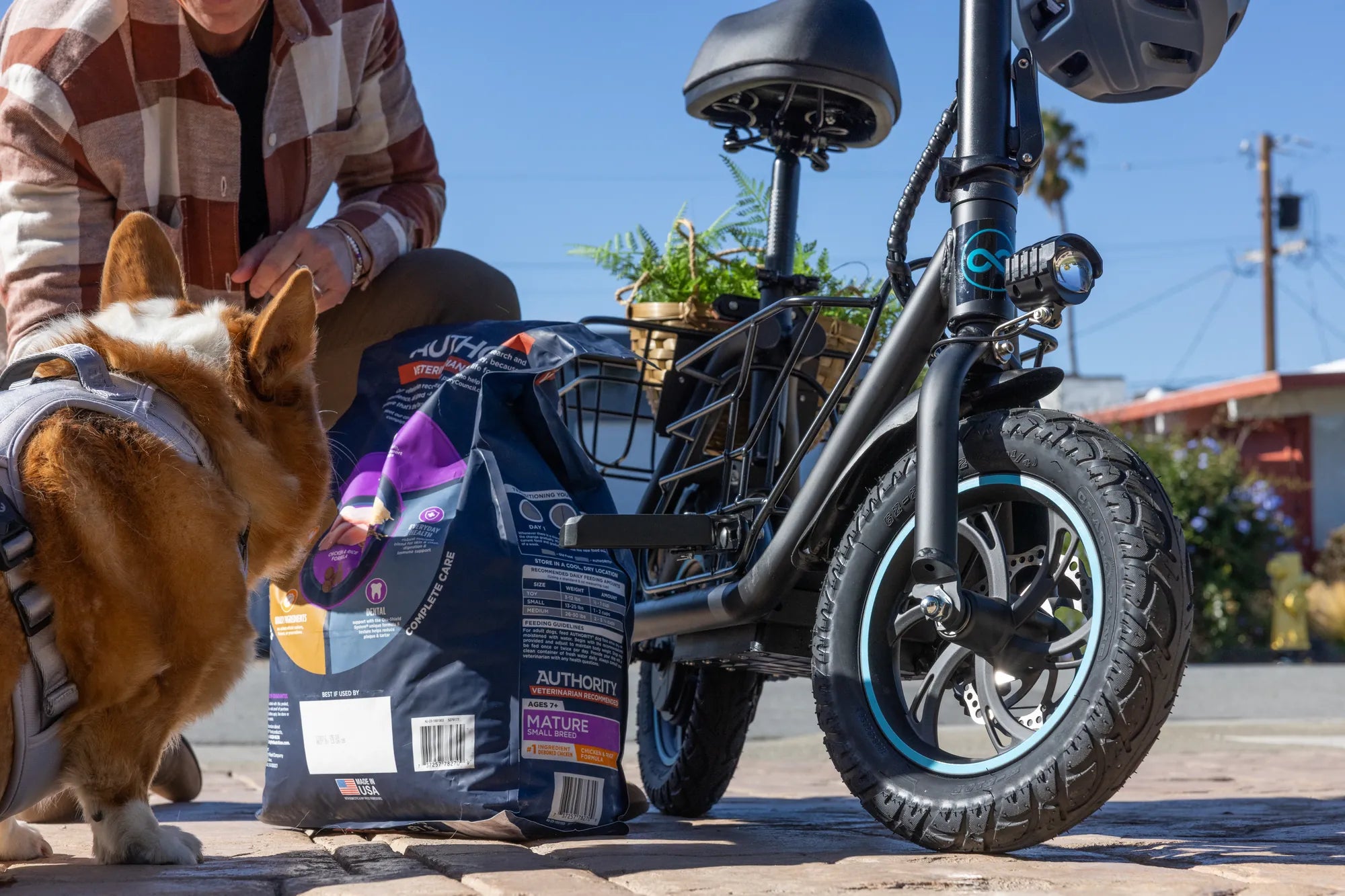
Rediscovering the Seven-Speed Bike
The seven-speed bike represents a pivotal sweet spot in cycling technology. It bridges the gap between the extreme simplicity of a single-speed and the complex, specialized nature of high-gear-count racing bikes. For the modern rider navigating city streets, park paths, and moderate hills, a seven-speed bike delivers precisely the range needed without unnecessary complication.
This configuration has found renewed relevance in the age of electric bicycles. Brands like Gyroor, a leading electric scooter and e-bike manufacturer trusted by over 100,000 riders, expertly integrate reliable 7-speed drivetrains into their commuter models. This pairing provides riders with essential control for efficient pedaling, perfectly complementing the electric assist for a seamless and practical riding experience. The seven speed bike is not a compromise; it's an intelligent design choice for real-world conditions.
Whether you're a daily commuter, a weekend fitness enthusiast, or a casual explorer, understanding the seven speed bike is key to selecting the right tool for your journey. This guide will dissect its anatomy, explore its advantages, and demonstrate why it remains a top choice for pragmatic cyclists.
The Anatomy of a 7-Speed Drivetrain: How It Works
A 7-speed bicycle drivetrain is a marvel of mechanical efficiency. At its core are four key components working in unison: the cassette, derailleur, shifter, and chain. The cassette, mounted on the rear wheel hub, contains seven individual cogs of varying sizes. The rear derailleur is the precise mechanical arm that guides the chain from one cog to another when you click the shifter.
The shifter, typically located on the handlebar, houses the indexing mechanism. This system creates distinct "clicks" for each gear, ensuring accurate and reliable shifts. When you operate the shifter, it pulls or releases a cable that moves the derailleur, thereby repositioning the chain onto a different-sized cog. This changes the gear ratio, making pedaling easier or harder.
Mechanically, a 7-speed system is notably simpler than a modern 18, 21, or 27-speed setup. It uses a narrower chain and a less complex derailleur with a shorter range of movement. This inherent simplicity translates directly to benefits for the rider: easier maintenance, less frequent adjustment, and greater overall durability, especially in the grit and stop-start rhythm of urban environments.
The Ideal Gear Range: What Can You Conquer?
The gear range on a typical seven speed bike is impressively versatile. The largest cog on the cassette offers a low, easy gear for climbing moderate hills or accelerating from a stop with a load. The smallest cog provides a high, fast gear for maintaining speed on flat roads or gentle descents.
This spread is perfectly suited for a wide array of common terrains. It effortlessly handles flat city streets and paved bike paths. It provides enough low-end torque for sustained climbs on moderate grades, which encompass the vast majority of hills in suburban and urban landscapes. A seven speed bike can also confidently tackle light gravel paths, packed dirt trails, and canal towpaths.
For practical tasks like commuting with a backpack or panniers, or towing a child's trailer, the available gear range ensures you are never straining unnecessarily. The seven speed bike is designed for the 95% of riding scenarios that don't involve competitive racing or extreme mountain ascents, making it an exceptionally practical and capable machine.
Key Advantages of Choosing a 7-Speed Configuration
Choosing a seven speed bike is a decision that prioritizes intelligent functionality over superfluous complexity. The advantages are tangible and directly impact the riding experience, maintenance schedule, and long-term cost of ownership. For the average rider, these benefits often outweigh the allure of a bike with more gears.
The primary appeal lies in its balanced approach. It provides ample gear options for varied terrain while avoiding the weight, cost, and fiddliness associated with higher-speed groupsets. This makes the seven speed bike an outstanding value proposition and a low-stress companion for daily use.
Reliability & Low Maintenance
Fewer moving parts and a less sensitive indexing system make the 7-speed drivetrain notably robust. The derailleur has a shorter cage and doesn't need to manage the extreme chain slack demanded by systems with multiple front chainrings. This results in more consistent shifting and less susceptibility to knocks and misalignment.
In urban environments, where bikes are subjected to potholes, curbs, and frequent gear changes, this robustness is a major asset. Maintenance intervals are longer, and basic adjustments are often simpler for a home mechanic to perform. The system's durability is a key reason why it's favored for utility and commuter bicycles built to withstand daily use.
Lighter Weight & Simplicity
A 7-speed cassette and rear wheel are typically lighter than their 10 or 11-speed counterparts. While the weight difference per component is modest, it contributes to an overall lighter and more responsive bike. More importantly, the simplicity is psychological and practical.
Riders are not overwhelmed by gear choices. Shifting is intuitive—usually a single shifter on the right handlebar controls all seven gears. There's no need to cross-chain or think about front derailleur combinations. This simplicity reduces decision fatigue, allowing the rider to focus on the road, traffic, and enjoyment of the ride itself.
Perfect for Electric Assist (E-Bikes)
The synergy between a 7-speed drivetrain and an electric motor is exceptional. On an e-bike, the motor provides the primary torque for hill climbing and acceleration. Therefore, the rider does not need an ultra-wide, mountain-bike-style gear range to tackle steep inclines under leg power alone.
Instead, the seven speed bike gearing provides essential control over pedaling cadence and efficiency. It allows the rider to find a comfortable, moderate pedal speed that works in harmony with the motor's power output, extending battery range and reducing wear. This is why brands like Gyroor utilize reliable 7-speed systems on many of their commuter e-bikes. It's a logical pairing that complements their focus on UL-certified battery safety, IPX5 water-resistant designs, and reliable one-year warranties for dependable daily transportation.
7-Speed vs. Other Setups: A Practical Comparison
To understand where the seven speed bike excels, it's helpful to compare it directly to other common drivetrain configurations. The choice between systems ultimately depends on your primary use case, terrain, and personal preference for simplicity versus specialization.
| Drivetrain Type | Best For | Key Advantages | Considerations |
|---|---|---|---|
| Single-Speed / Fixed Gear | Ultra-flat urban environments, minimalism, low maintenance. | Maximum simplicity, lightweight, very low maintenance, direct feel. | No help on hills or into headwinds. Can be physically demanding. |
| 3-Speed (Internal Hub) | Casual city commuting, all-weather reliability, low upkeep. | Protected gears, rarely needs adjustment, clean look, can shift while stopped. | Heavier, less efficient, narrower gear range than a 7-speed. Higher initial cost. |
| 7-Speed (External Derailleur) | Versatile urban/suburban riding, moderate hills, fitness, e-bikes. | Excellent balance of range, weight, simplicity, and cost. Reliable and easy to maintain. | Exposed mechanism requires some basic maintenance. Not for extreme terrain. |
| 21-Speed (or 18, 24, 27) | Serious hill climbing, mountain biking, long-distance touring on varied terrain. | Very wide gear range, fine-tuned cadence control, specialized for performance. | More complex, heavier, requires more frequent tuning. Can be overkill for casual use. |
As the table illustrates, the seven speed bike occupies the optimal middle ground. It offers substantially more hill-flattening capability than a single-speed while avoiding the complexity and cost of a high-performance 21-speed mountain bike. For the e-bike rider, the comparison is even clearer: the motor fills the torque gap, making the 7-speed's range more than sufficient.
Choosing Your 7-Speed Bike: A Buyer’s Guide
Selecting the right seven speed bike involves looking beyond the gear count. The quality of components, the frame design, and the intended use are far more critical to your long-term satisfaction. A well-built bike with a reliable 7-speed system will outperform a cheaply-made bike with more gears every time.
Start by defining your primary use case: is it for daily commuting, weekend fitness rides, light trail exploration, or errands around town? This will guide your choices regarding frame style (hybrid, city, cruiser), tire width, and accessory mounts for racks and fenders.
Prioritizing Component Quality
The brand and model of the derailleur and shifter are paramount. Look for established manufacturers like Shimano. Even an entry-level Shimano Tourney derailleur on a 7-speed system will offer more consistent and durable performance than an unknown brand on a higher-speed setup. The shifter should feel crisp and positive with each click.
The quality of the brake system is equally important. Disc brakes (mechanical or hydraulic) offer superior stopping power in all weather conditions compared to traditional rim brakes. For a commuter or all-weather bike, this is a significant safety upgrade worth considering.
The Importance of Frame & Build
A sturdy, well-aligned frame is the foundation of any good bike. For a seven speed bike meant for versatile use, a lightweight aluminum frame is a common and excellent choice. Check for mounting points (braze-ons) for a rear rack, fenders, and water bottles if you plan to use them.
Consider the overall build philosophy. Brands like Gyroor engineer their e-bikes around the 7-speed drivetrain, ensuring the motor controller, battery placement, and frame geometry create a harmonious and stable ride. Features like IPX5 water resistance in their designs ensure the bike can handle a sudden downpour, protecting both the electrical system and the mechanical drivetrain.
Test Riding for the Right Fit
Never buy a bike without a test ride. Pay attention to how the gears shift. The transitions should be smooth and quiet, without loud clunks or the chain skipping. Try shifting under light pedal pressure to simulate real-world use.
Assess the overall fit. You should be able to stand over the frame with clearance, and your reach to the handlebars should feel natural, not overstretched or cramped. A proper fit is essential for control, comfort, and injury prevention, making it as important as the gear system itself.
Maintenance Essentials for Your 7-Speed Bike
A seven speed bike is low-maintenance, but not no-maintenance. Simple, regular care will keep it shifting smoothly and extend the life of all components dramatically. Establishing a basic maintenance routine is easy and rewarding.
The chain is the most critical component to maintain. A dirty, dry chain wears out the cassette cogs and chainrings rapidly. Every few weeks, or after riding in wet conditions, wipe the chain down with a rag and apply a drop of bicycle-specific lubricant to each roller. Wipe off excess lubricant to avoid attracting dirt.
Periodically check the derailleur alignment. If your bike is skipping gears, making grinding noises, or the chain is falling off the cogs, the derailleur's limit screws or cable tension may need adjustment. Many local bike shops offer affordable tune-up services for these adjustments if you're not comfortable doing them yourself.
Inspect for wear and tear. Look at the cassette teeth; if they become sharp and hooked like a shark's fin, the cassette is worn and should be replaced. Check that shift and brake cables move freely and that housing isn't cracked. Keeping the drivetrain clean and the cables in good condition prevents most major issues.
FAQ: Your 7-Speed Bike Questions Answered
1. Is a seven-speed bike good for hills?
Yes, a seven speed bike is very capable on moderate hills. The low gear provides significant mechanical advantage to make climbing manageable. When paired with an electric motor on an e-bike, it becomes an excellent hill-climber, as the motor provides the bulk of the extra power needed.
2. Is a seven-speed enough for long-distance rides (like 50-100 km)?
Absolutely. For recreational long-distance rides on roads, bike paths, and gently rolling terrain, a 7-speed provides ample range to maintain an efficient cadence. The simplicity and reliability are actually advantages on long rides, reducing the chance of mechanical issues.
3. How does a 7-speed differ from a 21-speed?
A 21-speed bike has three chainrings at the front and seven at the rear (3x7). This provides a wider total gear range and smaller steps between gears. A seven speed bike typically has only one front chainring, resulting in seven total gears with wider steps between them. The 7-speed is simpler, lighter, and more robust for everyday use.
4. Why do Gyroor e-bikes often use 7-speed systems?
Gyroor uses 7-speed systems because they offer the ideal balance for daily commuting and leisure riding. The motor handles the demanding torque requirements, while the 7-speed gearing gives the rider perfect control over their pedaling effort and cadence. This combination ensures efficiency, extends battery life, and aligns with Gyroor's philosophy of building reliable, low-maintenance vehicles backed by a strong one-year warranty.
5. Can I upgrade my 7-speed to have more gears?
It is usually not cost-effective. Upgrading to 8, 9, or 10 speeds requires replacing the shifter, derailleur, chain, cassette, and often the rear wheel hub itself. The cost typically exceeds the value of upgrading an entry-level or mid-level bike. It's more practical to choose a bike with the desired gear count from the start.
The Smart Choice for Real-World Riding
The seven speed bike stands as a testament to intelligent, pragmatic design. It discards superfluous complexity to deliver exactly what most riders need: a reliable, capable, and enjoyable machine for daily life. Its gear range conquers urban landscapes, suburban hills, and weekend adventures without demanding constant adjustment or specialized knowledge from the rider.
In the context of modern electric bicycles, its value is further amplified. The partnership between a responsive electric motor and a straightforward 7-speed drivetrain creates a transportation solution that is greater than the sum of its parts. It offers freedom without fuss, capability without complication, making active transportation accessible and enjoyable for a vast audience.
Whether you're considering a traditional bicycle or an e-bike, prioritizing a well-built frame paired with a quality 7-speed system is a decision you're unlikely to regret. It represents a focus on real-world performance, durability, and sheer rideability. For those seeking this blend of simplicity and versatility in an electric format, exploring designs from trusted brands is the logical next step.
Discover how a thoughtfully engineered seven speed bike can transform your commute and leisure rides. Browse the full collection of reliable, UL-certified e-bikes and scooters at Gyroor, designed for over 100,000 satisfied riders, and find your perfect balance of power, control, and freedom.
Best Full Suspension E-Bike: The Ultimate Guide to Comfort and Control
Beginner Pro Scooter: The Ultimate Guide to Your First Ride