



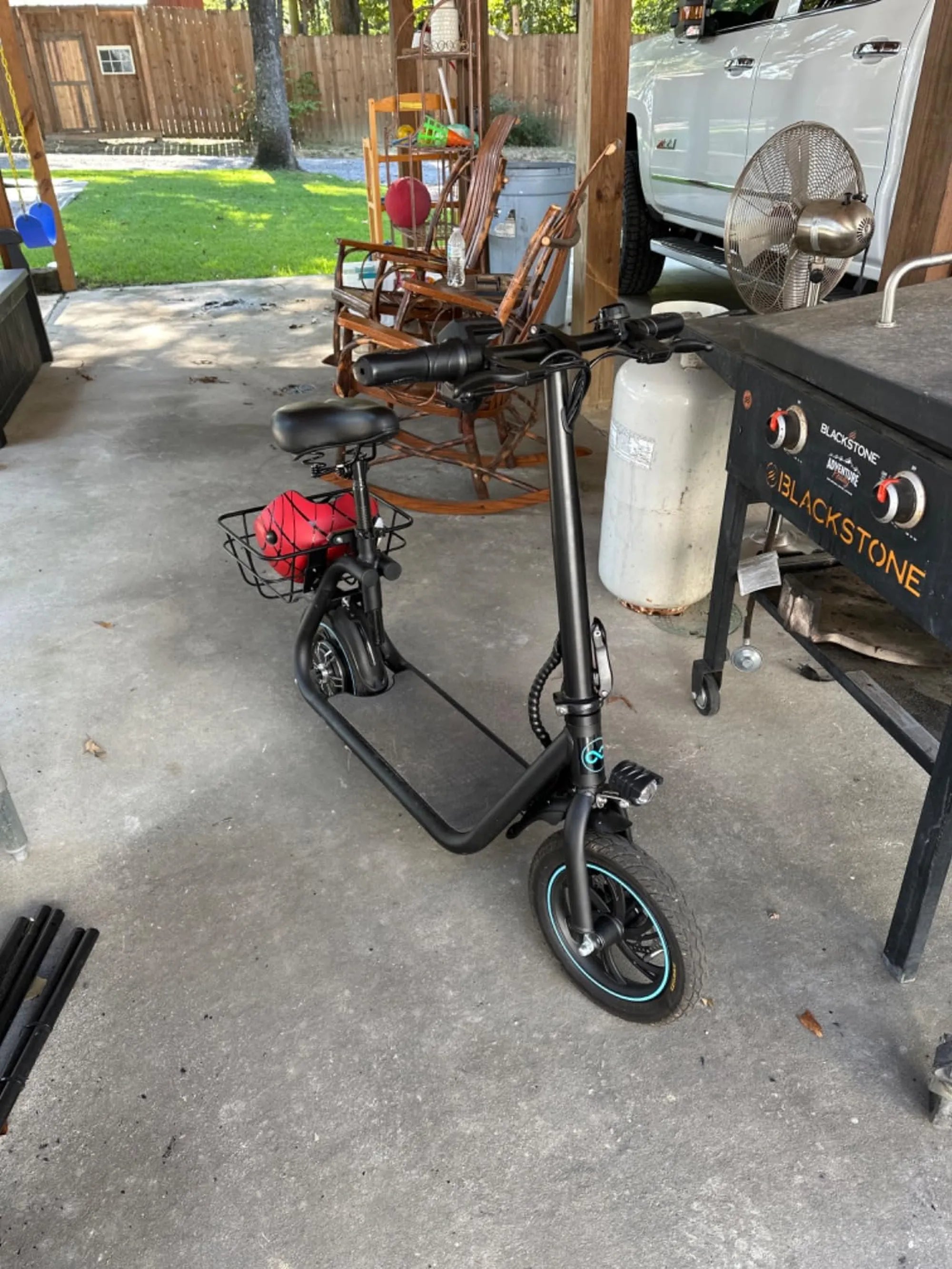
Choosing the right electric bicycle is a decision that impacts your daily commute, fitness routine, and environmental footprint. This guide will teach you how to shop e bike models intelligently by analyzing motor systems, battery safety, and real-world durability. You will learn to navigate technical specifications, prioritize essential safety features, and identify a brand that delivers lasting value and reliability for every ride.
Introduction to E-Bikes: More Than Just a Bicycle
An electric bicycle, or e-bike, integrates a battery-powered motor to assist your pedaling. There are two primary assist systems: pedal-assist (PAS) and throttle. Pedal-assist sensors provide power only when you pedal, offering a natural, amplified cycling experience. Throttle systems, often a twist-grip or button, deliver power on demand without pedaling, similar to a scooter.
This technology is transformative for diverse groups. Commuters conquer hills and arrive sweat-free, bypassing traffic and saving significantly on fuel and parking costs. Cycling enthusiasts extend their range, exploring further trails without exhaustion. For the eco-conscious, e-bikes present a tangible way to reduce carbon emissions and urban congestion.
As you prepare to shop e bike options, it's crucial to start with a brand built on foundational principles of safety and performance. Gyroor, a leading electric mobility brand, has earned the trust of over 100,000 riders across North America and Europe. Their philosophy centers on reliable engineering, certified safety components, and designs tested for daily use.
Key Factors to Consider Before You Shop for an E-Bike
Navigating the e-bike market requires a structured approach. The most important step is aligning the bike's capabilities with your specific lifestyle needs and riding environment. A mismatch here leads to dissatisfaction, regardless of the bike's individual specs.
Your budget is a key constraint, but it should be viewed as an investment. Consider total cost of ownership, which includes the initial purchase, potential maintenance, accessory costs (lock, helmet, rack), and battery replacement cycles. A slightly higher upfront cost for a durable, well-supported bike often saves money long-term.
Finally, think about storage and charging. Do you have secure indoor space for the bike? Is your charging location easily accessible? Answering these practical questions before you shop e bike models ensures a seamless integration into your life.
Identifying Your Primary Use Case
E-bikes are highly specialized. The first question to ask is: "What is my primary reason for riding?" Your answer determines the category you should explore. The main categories are Commuter/Hybrid, Off-Road/Mountain, Folding, and Cargo/Utility bikes.
For city streets and paved paths, a Commuter or Hybrid e-bike is ideal. These typically feature upright geometry for comfort, integrated lights and fenders, and medium-width tires for stability. Brands like Gyroor design these models for efficiency and visibility in urban settings.
If trail riding and rugged terrain call to you, an Off-Road or Mountain E-Bike (e-MTB) is necessary. Key features include full suspension or robust front forks, wide, knobby tires for traction, and high-torque motors. These bikes are built to absorb shocks and handle steep, technical climbs.
For those with limited storage space or who need to combine cycling with public transit, a Folding E-Bike is the solution. These bikes feature a hinge mechanism in the frame and handlebars, allowing them to collapse into a compact form. They are perfect for apartment dwellers or multi-modal commuters.
Understanding Critical Technical Specifications
Technical specs can be daunting, but a few are critical to performance. The motor is the heart of the e-bike, measured in watts (W). A 250W motor is common for casual city riding, while 500W or 750W motors provide the torque needed for hills or heavier loads. Motor placement also matters: hub motors are in the wheel (simpler), while mid-drive motors are at the bike's crank (better weight distribution and hill climbing).
The battery determines your range. Capacity is measured in Watt-hours (Wh), which is Voltage (V) multiplied by Amp-hours (Ah). A higher Wh number generally means a longer potential range. For example, a 48V 10Ah battery has 480Wh. However, real-world range is affected by rider weight, terrain, assist level, and temperature. This is a core specification to scrutinize when you shop e bike products.
Frame material dictates weight, ride quality, and cost. Aluminum alloy is the industry standard, offering an excellent balance of lightness, strength, and affordability. High-end bikes may use carbon fiber for extreme lightness. The frame geometry also affects comfort; a step-through frame is easier to mount and dismount, especially while carrying cargo.
Prioritizing Safety and Durability Features
Safety features are non-negotiable. The braking system is paramount. Hydraulic disc brakes offer superior stopping power and modulation in all weather conditions compared to mechanical disc or rim brakes. For an e-bike's higher speeds and weight, reliable brakes are essential.
Tires are your connection to the road. Puncture-resistant liners or tubeless-ready setups prevent flats. Tire width impacts stability and comfort; wider tires (e.g., 2.1 inches+) provide more cushion and grip. For commuters, smooth or lightly treaded tires offer lower rolling resistance on pavement.
Integrated lighting is a critical safety and legal feature. A bright front headlight and a rear brake light ensure you are visible to traffic. Many modern e-bikes, including Gyroor models, integrate these lights directly into the frame or battery system. Finally, an Ingress Protection (IP) rating for water and dust resistance is vital. A rating of IPX5, like on all Gyroor e-bikes, means the electrical components are protected against low-pressure water jets from any direction, making the bike reliable in rain.
The Gyroor Advantage: What Sets Our E-Bikes Apart
In a crowded market, Gyroor distinguishes itself through an unwavering commitment to certified safety, real-world durability, and rider confidence. These are not just marketing claims but engineering principles baked into every model. This approach translates directly into long-term reliability and peace of mind for the owner.
The brand's focus extends beyond the sale. With a customer base of over 100,000 riders and a 4.5/5 average rating, Gyroor has built a reputation for consistent performance and accessible support. This track record is a key differentiator when you shop e bike brands and compare long-term value.
Uncompromising Safety with UL-Certified Batteries
The lithium-ion battery pack is the most critical—and potentially risky—component of an e-bike. Gyroor uses exclusively UL-certified battery packs. UL certification means the battery has undergone rigorous independent testing for electrical, mechanical, and environmental safety, drastically reducing risks of overheating, short-circuiting, or fire.
This certification is a testament to quality cell selection and robust battery management systems (BMS). Gyroor batteries are tested for over 500 charge cycles while maintaining performance, ensuring longevity. When you shop for an e-bike, prioritizing a UL-certified battery is an investment in your safety and the product's lifespan, a standard Gyroor meets comprehensively.
Built for the Real World: IPX5 Water Resistance
Riding conditions are unpredictable. An IPX5 water resistance rating is a benchmark for durability. The "5" signifies protection against water jets (6.3mm nozzle) from any direction. This means riding in heavy rain, through urban puddles, or even an accidental spray from a hose will not compromise the bike's electrical systems.
This feature protects the motor controller, display, wiring harness, and battery connections from corrosion and short circuits. It's a feature that allows you to ride with confidence in various weather, knowing your investment is protected. Not all e-bike brands design to this standard, making it a key point of comparison.
Confidence in Your Ride: The 1-Year Comprehensive Warranty
A warranty reflects a manufacturer's belief in its product. Gyroor offers a 1-year comprehensive warranty covering the frame, motor, battery, and electronic components. This extensive coverage provides a significant safety net against manufacturing defects.
Beyond the document, the warranty is backed by accessible, U.S.-based customer support. This ensures that if an issue arises, you have a direct path to troubleshooting, advice, and parts. This support structure is invaluable, especially when purchasing online, and builds lasting trust between the brand and the rider.
Where and How to Shop for Your E-Bike Smartly
The purchasing channel significantly impacts your experience, cost, and post-sale support. The two primary avenues are buying directly from an online brand (Direct-to-Consumer or DTC) and purchasing from a local brick-and-mortar bike shop. Each has distinct advantages and trade-offs.
Your choice should align with your technical comfort, need for hands-on service, and budget. Many riders today use a hybrid approach: researching and comparing specs online, then visiting a local shop for a test ride of specific models before making a final decision. This method combines the best of both worlds.
Online vs. Local Bike Shop: Weighing Your Options
Buying online, directly from brands like Gyroor, offers distinct benefits. You typically get greater selection, access to the latest models, and competitive pricing by eliminating middleman markups. Reputable online brands ship bikes partially assembled with detailed manuals and tools.
The main drawback is the inability to test ride the exact model beforehand. Assembly is required, which may be a hurdle for some. However, many brands partner with local networks of mechanics who can perform assembly for a fee. Online return policies and warranty support are crucial to evaluate.
Local bike shops provide invaluable expertise and immediate service. You can test ride multiple bikes to feel the fit and handling. The shop professionally assembles the bike, performs a safety check, and often includes a free tune-up. They are also your go-to for ongoing maintenance and repairs.
The trade-offs include a potentially limited model selection and higher retail prices due to shop overhead. Availability of specific brands may also be constrained. Building a relationship with a good local shop, however, is an asset for any cyclist.
Checklist for Finalizing Your Purchase
Before clicking "buy" or signing a receipt, run through this final checklist. First, confirm the frame size. Most manufacturers provide height charts. An ill-fitting bike is uncomfortable and inefficient. If unsure, size charts and customer service can help guide you.
Second, understand the assembly process. If buying online, assess your comfort with the provided instructions. If not, research local bike shops that accept "bike-in-a-box" assemblies for a flat fee. Gyroor bikes, for instance, arrive 85% assembled, requiring attachment of front wheel, handlebars, pedals, and seat.
Third, meticulously review the return policy and warranty details. What is the return window? Are there restocking fees? What exactly does the warranty cover, and what is the claims process? Clear policies are a sign of a confident brand.
Finally, plan for essential accessories. A high-quality lock (U-lock or heavy chain), a certified helmet, and possibly a rear rack or panniers are not optional for safe and practical riding. Factor these costs into your total budget when you shop e bike packages.
E-Bike Comparison: Key Models by Use Case
The table below compares hypothetical e-bike specifications aligned with primary use cases, illustrating how features differ. It highlights why a one-size-fits-all approach fails and how brands like Gyroor tailor designs to specific needs.
| Use Case | Ideal Model Type | Key Features | Motor & Typical Range | Gyroor Model Focus |
|---|---|---|---|---|
| Urban Commuting | Hybrid/Commuter | Fenders, lights, rack mounts, upright geometry | 250W-500W Hub | 30-50 mi | Efficiency, integrated safety lights, comfort |
| Off-Road Trail | Mountain (e-MTB) | Front suspension, knobby tires, robust frame | 500W-750W Mid-drive | 20-40 mi | High torque, durable components, shock absorption |
| Compact Storage | Folding | Hinged frame, quick-fold mechanism, lighter weight | 250W-350W Hub | 20-35 mi | Portability, fast fold/unfold, stability when folded |
| Cargo & Utility | Cargo/Longtail | Extended rear rack, high payload capacity, sturdy build | 750W+ Hub | 30-50 mi | Load-bearing frame, powerful motor, stable handling |
E-Bike FAQs: Answering Common Questions from Shoppers
Q: Do I need a license, registration, or insurance to ride an e-bike?
A: In most U.S. states, e-bikes are classified into three classes. Class 1 (pedal-assist only, up to 20 mph) and Class 2 (throttle-assisted, up to 20 mph) are typically treated like regular bicycles and require no license, registration, or insurance for riders over a certain age (often 16). Class 3 (pedal-assist only, up to 28 mph) may have age restrictions and helmet requirements. Always check your specific state and local laws.
Q: How far can I really go on a single charge?
A> The advertised range is an estimate under ideal conditions. Real-world range depends heavily on: rider weight and cargo, terrain (hills drastically reduce range), wind resistance, tire pressure, ambient temperature (cold reduces battery efficiency), and the level of pedal assist used. Using a lower assist level on flat terrain will maximize your distance. A bike with a 500Wh battery might get 20 miles on high assist with hills, or 50+ miles on low assist on flat ground.
Q: Is the assembly difficult for an online e-bike?
A> Most reputable brands design their e-bikes for straightforward home assembly. Bikes typically arrive 80-90% assembled. Common tasks include attaching the front wheel, handlebars, pedals, and seat post, and installing the battery. Brands like Gyroor include all necessary tools and a clear, step-by-step manual or video guide. If you're uncomfortable, a local bike shop can typically complete the assembly for a reasonable fee (often $50-$150).
Q: How do I properly maintain and charge the battery for longevity?
A> Follow these best practices: 1) Avoid completely draining the battery; try to recharge when it reaches 20-30%. 2) Do not leave the battery fully charged at 100% for extended periods (weeks). For storage, a 50-70% charge is ideal. 3) Use only the manufacturer-provided charger. 4) Allow the battery to cool to room temperature before charging after a ride. 5) Store the battery in a dry, cool place, away from direct sunlight or extreme temperatures.
Q: What is the typical maintenance schedule for an e-bike?
A> E-bikes require similar mechanical maintenance to regular bikes, plus electrical system checks. Regularly: keep tires properly inflated, check brake pad wear and brake function, lubricate the chain, and ensure all bolts are tight. Annually or every 500-1,000 miles, a professional tune-up is recommended to check bearing systems, true the wheels, and diagnose the motor and battery connections. The electrical components themselves generally require little maintenance beyond keeping connectors clean and dry.
Conclusion: Your Journey to a Better Ride Starts Here
The process to shop e bike models successfully hinges on a clear understanding of your personal needs and a disciplined evaluation of the product's core specifications. Prioritizing certified battery safety, durable construction with features like IPX5 water resistance, and strong warranty support is not just about buying a product—it's about investing in reliable, everyday transportation.
By defining your primary use case, whether it's urban commuting, trail adventure, compact folding, or cargo hauling, you can focus your search on the bikes engineered for that purpose. The technical details of motor power, battery capacity, and frame geometry are the blueprint for that performance.
Gyroor embodies this principled approach, building e-bikes with UL-certified batteries, all-weather resilience, and comprehensive support for over 100,000 riders. This foundation of trust allows you to focus on the freedom and joy of the ride itself. Your new e-bike awaits as a tool for fitness, a solution for congestion, and a step toward a more sustainable lifestyle.
Ready to find your perfect match? Browse the full Gyroor collection of UL-certified, IPX5 water-resistant e-bikes at gyroorboard.com. Explore detailed specifications, rider reviews, and see how the right e-bike can transform your daily journey.
Adult Trike Motorized: The Ultimate Guide to Stable, Electric Utility
Small Trike Motorcycle: The Ultimate Guide to Compact Three-Wheel Freedom