



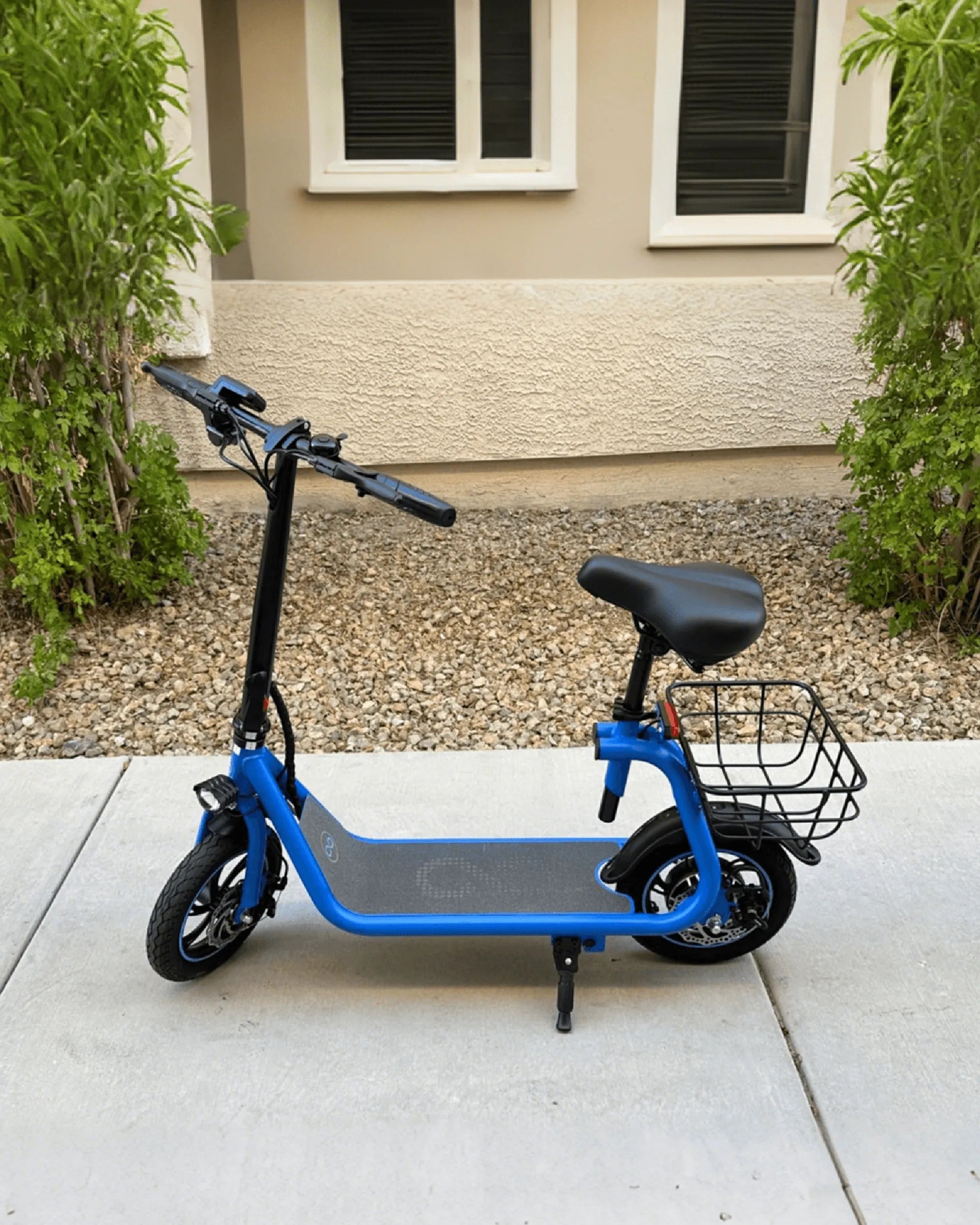
Introduction: Rethinking Urban Mobility with Electric Scooters
Urban congestion costs the average American commuter 54 hours and $869 annually in wasted time and fuel. Electric scooters have emerged as a direct, efficient counter to this problem, offering a legitimate alternative for millions. This guide, "Show Me Electric Scooters: The Ultimate Guide to Eco-Friendly Commuting," exists to cut through the hype with factual analysis.
We will examine the tangible benefits, decode essential technical specifications, and provide a framework for selecting a scooter built for reliability, not just a low price. The goal is to equip you with the knowledge to make an informed decision that enhances your daily life while reducing your environmental footprint. Brands like Gyroor have built their reputation on this foundation of safety and durability for over 100,000 riders.
Why Choose an Electric Scooter for Your Daily Commute?
Adopting an electric scooter is a strategic lifestyle decision with measurable returns. Beyond the initial appeal, the benefits compound in time saved, money retained, and stress avoided. For trips under 10 miles, an e-scooter is often the fastest point-to-point vehicle in a city.
The practicality is undeniable. They require no parking fees, circumvent traffic jams, and eliminate the "last-mile" gap between public transit stops and your final destination. This guide, "Show Me Electric Scooters," will detail how this shift in transportation logic works in practice.
The Commuter's Math: Time and Cost Savings
Financially, the savings are stark. The average cost to charge an e-scooter battery is about $0.15 for 15-20 miles of range. Compare this to the IRS mileage rate of $0.67 per mile for car ownership, which factors in fuel, maintenance, and depreciation. For a 5-mile daily commute, that's over $800 in annual savings before even considering parking, which can exceed $300 monthly in dense urban cores.
Time efficiency is equally compelling. A study by INRIX found that traffic congestion in major US cities adds 30-50% to commute times. An e-scooter using bike lanes maintains a consistent 15-20 mph, making a 3-mile trip a reliable 10-12 minutes, regardless of gridlock. This predictability reclaims hours per week.
The Environmental Impact: Your Carbon Footprint Shrinks
The environmental argument for electric scooters is data-driven. The U.S. Energy Information Administration notes the average passenger vehicle emits about 411 grams of CO2 per mile. A typical e-scooter, charged on the U.S. electrical grid, is responsible for approximately 40-50 grams per mile when accounting for electricity generation and distribution.
This represents a nearly 90% reduction in direct carbon emissions per mile. Widespread adoption directly improves local air quality by reducing nitrogen oxide and particulate matter emissions. Furthermore, e-scooters contribute to significant noise pollution reduction, creating quieter, more pleasant urban environments.
Health and Convenience: The Unexpected Perks
While not a vigorous workout, riding an e-scooter engages core muscles for balance and requires constant low-level physical engagement. It promotes better posture compared to sitting in a car and offers exposure to fresh air and sunlight, linked to improved vitamin D levels and mood.
The mental health benefit of a stress-free, enjoyable commute cannot be overstated. Replacing the frustration of traffic with a sense of autonomy and even fun has tangible impacts on daily well-being. The door-to-door convenience also eliminates the hassles of waiting for buses or walking from distant parking lots.
Key Features to Look for in a Commuter E-Scooter
Not all electric scooters are created equal, especially for the rigors of daily commuting. Prioritizing the right features ensures safety, reliability, and long-term satisfaction. This section translates technical specifications into real-world commuting needs.
When you ask to "show me electric scooters" that are worth the investment, the answer always starts with foundational engineering. Compromising on core components like the battery or brakes leads to premature failure or, worse, safety hazards. The following criteria separate commuter-ready models from recreational toys.
Safety First: Battery, Brakes, and Build Quality
The battery is the most critical safety component. Insist on UL 2272 or UL 2843 certification, which involves rigorous testing for electrical, mechanical, and environmental safety to prevent thermal runaway and fires. Brands that use uncertified cells pose a significant risk.
Braking systems are equally vital. A dual braking system—combining electronic (regenerative) and mechanical (disc or drum) brakes—provides redundant stopping power essential for wet conditions or sudden obstacles. The frame should be constructed from aerospace-grade aluminum or reinforced steel, with no flex or wobble at speed, ensuring stability on uneven pavement.
Performance for the Real World: Range, Speed, and Hill Climb
Manufacturer range claims are often based on ideal conditions: a light rider on flat ground at low speed. For real-world commuting, apply a 30-40% discount to advertised range. Factors like rider weight, hills, frequent acceleration, and colder temperatures (below 50°F) significantly reduce battery performance.
A 350W motor is a minimum for flat urban areas, while 500W or more is recommended for cities with moderate hills. Top speed should be appropriate for your local laws, typically capped at 20 mph for bike lane use. Adequate hill-climb ability (a 15-20% grade) ensures you won't be walking your scooter up an incline.
Built to Last: Water Resistance and Warranty
Water resistance is non-negotiable for a daily rider. Look for an IP rating. IPX4 offers protection against splashes, but IPX5 (a standard for many Gyroor models) means the scooter can withstand water jets from any direction, allowing you to safely ride in rain and through puddles.
The warranty is a direct reflection of manufacturer confidence. A comprehensive 1-year warranty that covers the battery, motor, and controller indicates a brand that stands behind its product's durability. Avoid brands offering only 90 days or limited warranties, as they often correlate with lower build quality.
Gyroor Scooters: Engineered for Reliable, Everyday Riding
When evaluating brands that meet the stringent demands of daily commuting, Gyroor's design philosophy stands out. It focuses on the pillars of safety, durability, and real-world performance, directly addressing the pain points of commuters. This approach has earned trust across North America and Europe.
The core promise is reliability. By engineering scooters to handle daily stressors—from potholes to rain showers—Gyroor ensures the vehicle is a dependable asset, not a source of anxiety. This section will "show me electric scooters" from a brand that prioritizes the commuter's need for consistency and peace of mind.
Model Comparison: Finding Your Perfect Commute Match
Choosing the right model depends on your specific commute distance, terrain, and portability needs. Below is a comparison of key Gyroor commuter models, highlighting how different specifications cater to various profiles.
| Model | Max Range* | Motor Power | Max Speed | Key Features | Best For |
|---|---|---|---|---|---|
| Gyroor C1 | 18.5 miles | 350W | 19 mph | Lightweight (30 lbs), foldable, IPX5, dual brakes | Short commutes (3-7 miles), multi-modal transit, easy carrying |
| Gyroor S1 | 25 miles | 500W | 22 mph | Enhanced suspension, wider deck, UL-certified battery, IPX5 | Medium-length commutes (7-12 miles), uneven pavement, comfort focus |
| Gyroor X1 | 31 miles | 600W peak | 25 mph | High-capacity battery, robust frame, superior hill climb, comprehensive warranty | Longer commutes (12+ miles), hilly terrain, maximum performance |
*Ranges are real-world estimates based on a 165 lb rider at moderate speed. Actual range varies with conditions.
The Gyroor Difference: UL-Certified Confidence and Support
The commitment to safety is foundational. Every Gyroor scooter uses a UL-certified battery pack, subjected to over 500 charge-cycle tests. This certification is your assurance against the primary failure points of cheaper models, providing confidence in every ride.
Durability is engineered in. The IPX5 water-resistant rating isn't just a spec; it means the electrical system is sealed against rain and road spray, a critical feature for all-weather commuting. This is complemented by a reliable 1-year warranty, backed by accessible customer support, ensuring you have assistance if needed.
Riding Smart: Essential Tips for Safe and Legal Commuting
Owning a capable scooter is only half the equation. Safe and lawful riding practices are essential for protecting yourself and sharing the road responsibly. Developing good habits from day one ensures a positive experience for everyone.
This section provides actionable advice beyond the owner's manual. It covers the non-negotiable gear, the importance of knowing local regulations, and simple maintenance routines that will extend the life of your investment. When someone asks to "show me electric scooters" being used responsibly, this is the protocol they should see.
Gear Up: The Non-Negotiable Safety Equipment
A helmet is an absolute necessity. Choose a certified bicycle or multi-impact helmet. For night riding or low-light conditions, active lighting is crucial. Use the scooter's built-in lights and add a front headlight and rear red blinker for maximum visibility.
Consider additional protective gear like gloves to improve grip and protect your hands in a fall, and sturdy, closed-toe shoes. Reflective clothing or vests are highly recommended to ensure you are seen by drivers, especially during dawn, dusk, or night rides.
Know the Rules of the Road: Local Laws and Etiquette
E-scooter laws vary significantly by city and state. Common regulations include:
- Age restrictions (typically 16+)
- Speed limits for bike lanes or sidewalks
- Prohibitions on sidewalk riding in business districts
- Requirements for lights after dark
Practice good road etiquette. In bike lanes, ride predictably in a straight line, signal your intentions, and pass cyclists with care and ample space. On shared paths, slow down around pedestrians and audibly signal (with a bell or voice) before passing. Yield right-of-way as you would in a car.
Maintenance 101: Keeping Your Scooter in Top Shape
A simple weekly check can prevent most issues. Inspect tire pressure (maintaining the PSI listed on the tire sidewall), test brake responsiveness, and ensure all bolts and folding mechanisms are tight. Wipe down the scooter to prevent dirt buildup.
Battery care is paramount. Avoid draining the battery to 0%; recharge when it reaches 20-30%. Store and charge the scooter in a dry place at room temperature. Do not leave it plugged in continuously for days after a full charge. These habits can double the lifespan of your battery.
Frequently Asked Questions (FAQs)
Q: How far can I *really* go on a single charge?
A> Real-world range is typically 30-40% less than the manufacturer's ideal test conditions. For an accurate estimate, consider your weight, average speed, and the hilliness of your route. The comparison table above provides practical estimates for Gyroor models.
Q: Is it safe to ride in the rain?
A> With an IPX5-rated scooter like those from Gyroor, light to moderate rain is safe for the scooter itself. However, rider safety is paramount. Wet conditions drastically reduce traction. Ride much slower, avoid painted road markings and metal surfaces, brake earlier and more gently, and wear appropriate rain gear.
Q: What happens if I get a flat tire?
A> Most commuter scooters use either air-filled (pneumatic) or solid (airless) tires. Pneumatic tires offer a smoother ride but can puncture. Many brands, including Gyroor, offer repair kits or sell replacement tires/inner tubes. Solid tires eliminate flat risk but provide a firmer, less comfortable ride. Know your tire type and have a plan for a repair or a backup transportation option.
Q: Do I need a license or insurance?
A> In most U.S. states, a driver's license is not required to operate an electric scooter with a top speed under 20 mph. Insurance is also generally not mandated by law. However, it's crucial to check your specific state and local regulations, as they are evolving rapidly. Some homeowner's or renter's insurance policies may offer limited coverage.
Q: How does Gyroor's warranty work?
A> Gyroor offers a 1-year warranty covering manufacturing defects in the battery, motor, controller, and frame. The process typically involves contacting customer support with your purchase proof and a description of the issue. They will troubleshoot and, if necessary, ship replacement parts or provide instructions for a repair center. Always register your product upon purchase to streamline warranty service.
Conclusion: Your Journey to Easier, Greener Commuting Starts Here
The evidence is clear: electric scooters present a formidable solution to the daily grind of urban commuting. They offer quantifiable savings in time and money, a significant reduction in environmental impact, and an injection of practicality and enjoyment into the daily routine. The key to unlocking these benefits lies in informed selection.
Choosing a scooter built with certified safety components, real-world durability, and reliable support transforms it from a novelty into a dependable tool for life improvement. As this guide to "show me electric scooters" has outlined, prioritizing these factors ensures your investment pays dividends in reliability and peace of mind for years to come.
Ready to transform your commute? Begin your search with confidence by exploring scooters engineered for daily life. Browse the full Gyroor collection, featuring UL-certified batteries, IPX5 water-resistant designs, and a reliable 1-year warranty, at gyroorboard.com.
Are Electric Scooters Safe? A Data-Driven Analysis of Risks & Benefits
Small Electric Scooters: The Ultimate Guide to Compact and Efficient Commuting