



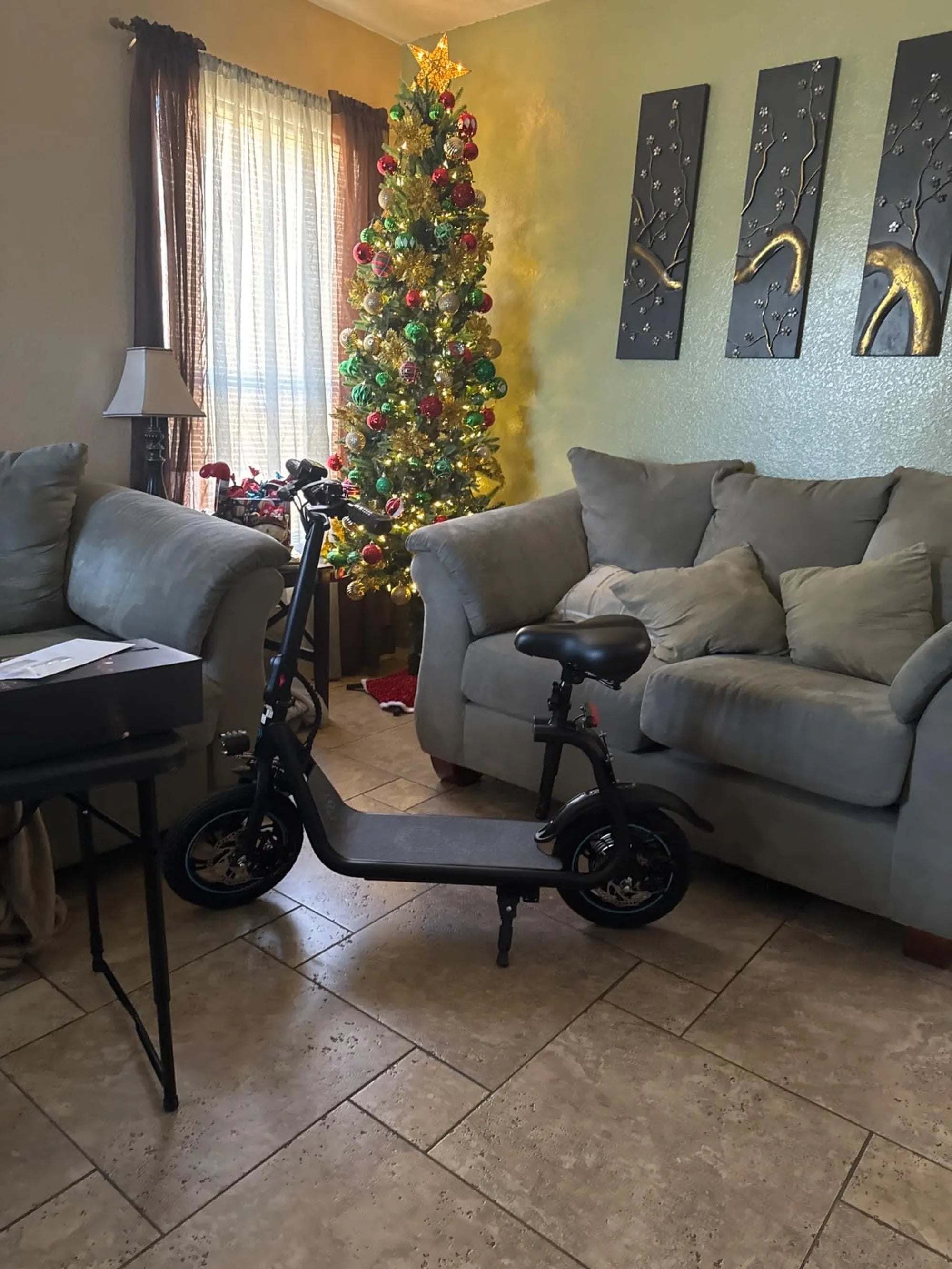
What Is a Sitting Scooter Board?
A sitting scooter board, also known as a seated electric scooter or sit-down e-scooter, is a personal electric vehicle (PEV) that merges the intuitive handlebar steering of a traditional scooter with the ergonomic comfort of a bicycle seat. This design fundamentally transforms the rider experience from an active, standing posture to a relaxed, seated position. It's engineered for individuals seeking a practical, enjoyable, and fatigue-free solution for commutes, leisurely cruising, or running errands. You will learn how this vehicle category redefines urban mobility by prioritizing rider comfort, extended range potential, and accessible operation for a wider demographic.
The core innovation lies in its integrated seat post and saddle, which is typically height-adjustable and padded. This allows riders to plant their feet firmly on a wide deck while seated, creating a stable, tripod-like base. Unlike a stand-up scooter that demands constant leg engagement for balance, a sitting scooter board distributes the rider's weight through the seat, significantly reducing physical strain. This makes journeys over 15 minutes not just possible but pleasant, opening up new possibilities for medium-distance travel without the hassle of parking or public transit schedules.
Modern iterations come equipped with powerful hub motors, high-capacity lithium-ion batteries, and often feature front or dual suspension systems. Brands like Gyroor have pioneered models that combine these performance elements with practical comforts, such as integrated rear cargo racks and comprehensive lighting. The result is a vehicle that feels less like a last-mile gadget and more like a legitimate, car-alternative micro-mobility solution. The sitting scooter board is not merely a scooter with a seat added; it is a purpose-built platform designed for comfort and utility from the ground up.
Key Features and Benefits of a Sitting Scooter Board
The shift from standing to sitting introduces a suite of advantages that address the most common pain points of traditional e-scooter use. These benefits center on ergonomics, accessibility, and expanded utility, making the sitting scooter board a compelling choice for a diverse range of riders.
Enhanced Comfort and Ergonomics
The primary benefit is a dramatic increase in riding comfort. A stand-up scooter requires constant micro-adjustments in posture and leg tension to absorb shocks and maintain balance, leading to quick fatigue in the calves, knees, and lower back. In contrast, a seated position allows the skeletal structure to support body weight naturally. A well-padded, adjustable seat enables a proper riding posture, which is crucial for trips exceeding one or two miles.
This ergonomic advantage makes the sitting scooter board accessible to a broader audience. It is an excellent option for riders with minor mobility concerns, knee or joint issues, or those who simply prefer not to stand for extended periods. The comfort factor also encourages longer, more frequent use, maximizing the return on investment and supporting a more consistent shift away from gas-powered vehicles for daily trips.
Superior Stability and Control
Physics favors the seated design when it comes to stability. By lowering the rider's center of gravity, a sitting scooter board becomes inherently more balanced, especially at cruising speeds of 15-20 mph. This instills greater confidence when navigating urban environments, dealing with minor road imperfections, or making controlled turns. The seated stance also allows for more precise handlebar input, as the rider is not simultaneously managing full-body balance.
This enhanced stability is a significant safety feature. It reduces the likelihood of speed wobbles and makes the scooter less intimidating for new or cautious riders. Furthermore, the stable platform combined with wider, often pneumatic tires provides better traction and a smoother ride over cracks, cobblestones, and light off-road terrain like packed gravel or grass.
Increased Practicality for Daily Use
The practical utility of a seated scooter is substantially higher. With both hands consistently free for steering (not needing to hold a bag), riders can easily carry a backpack, grocery bags, or even use a mounted phone for navigation. Many models, including several from Gyroor, come with integrated rear racks or ample deck space for securing cargo.
This design seamlessly integrates into a wider range of daily activities. Commuters can ride to work in business-casual attire without worrying about sweating or arriving disheveled. The ability to sit makes quick stops or slow-speed maneuvering in crowded areas less taxing. Ultimately, the sitting scooter board transitions from a niche fun device to a genuine tool for urban logistics and transportation.
What to Look for When Choosing a Sitting Scooter Board
Selecting the right model requires careful evaluation of specifications that directly impact performance, safety, and long-term satisfaction. This data-driven guide outlines the critical factors to consider.
Motor Power and Range
Motor wattage determines capability, not just top speed. A 350W motor is sufficient for flat terrain and lighter riders, but a 500W or 650W motor is recommended for tackling hills, supporting higher weight capacities, and maintaining speed under load. Pay close attention to the battery specification, measured in Watt-hours (Wh) or Amp-hours (Ah). A larger battery (e.g., 48V 10.4Ah / ~500Wh) will provide a longer real-world range—often 20-30 miles per charge—which is essential for leveraging the comfort of a seated scooter on longer trips.
Battery safety is non-negotiable. Insist on models that use UL-certified battery packs, like those standard in Gyroor scooters. These cells undergo rigorous testing for stability, charge cycles (typically 500+), and built-in protection circuits to prevent overheating, ensuring both performance and peace of mind.
Build Quality and Durability
The frame should be constructed from reinforced aluminum alloy for a optimal balance of strength and weight. Check the manufacturer's stated maximum load capacity; a robust model should support at least 220 lbs (100 kg) to accommodate most riders and their cargo. For all-weather practicality, IPX5 water-resistance is a key feature. This rating means the scooter can withstand water jets from any direction, allowing you to confidently ride through puddles and light rain without damaging critical electronics.
Durability also hinges on component quality. Look for branded mechanical parts (e.g., brakes, tires) and a finish that resists scratches and corrosion. A well-built sitting scooter board is an investment that should last for years with proper maintenance.
Comfort and Adjustability Features
Not all seats are created equal. The ideal seat is generously padded, may include springs for additional shock absorption, and features a quick-release lever for easy height adjustment to fit riders of different sizes. Suspension is critical for comfort on a seated scooter, as you'll be less inclined to use your legs as shock absorbers. Front fork suspension or a dual suspension system dramatically smooths out bumps.
Pneumatic (air-filled) tires are vastly superior to solid rubber tires for ride quality. They provide better grip, absorb vibrations, and improve overall handling. Together, a good seat, suspension, and pneumatic tires transform a commute from a jarring experience into a glide.
Safety and Warranty Considerations
A reliable braking system is paramount. Disc brakes (mechanical or hydraulic) offer strong, consistent stopping power in all conditions, a significant upgrade over basic foot or electronic brakes. Visibility is safety: ensure the scooter has a bright front headlight, rear brake light, and side reflectors. An audible horn or bell is essential for alerting pedestrians.
Finally, the warranty is a direct reflection of the manufacturer's confidence. A comprehensive 1-year warranty that covers the motor, battery, and frame is the industry standard for reputable brands. Accessible customer support for troubleshooting and parts is equally important for long-term ownership.
Sitting Scooter Board vs. Traditional Stand-Up E-Scooter: A Data-Driven Comparison
Choosing between a seated and stand-up model depends heavily on your primary use case. The table below provides an objective comparison of key metrics.
| Feature | Sitting Scooter Board | Traditional Stand-Up E-Scooter |
|---|---|---|
| Primary Advantage | Comfort & Stability for Longer Trips | Portability & Compactness for Last-Mile |
| Ideal Trip Duration | 15+ minutes (up to 1 hour+) | 5-20 minutes |
| Rider Stability | High (Lower Center of Gravity) | Moderate (Requires Active Balancing) |
| Portability (Weight/Foldability) | Moderate-Low (Heavier, Bulkier when folded) | High (Lightweight, Compact fold) |
| Typical Max Speed | 15-25 mph | 15-20 mph |
| Typical Real-World Range | 20-35 miles | 10-25 miles |
| Ideal User Profile | Urban Commuter, Leisure Cruiser, Rider Seeking Comfort | Last-Mile Commuter, Multi-Modal Traveler, Student |
| Average Price Point | $$$ (Higher due to larger battery, seat, suspension) | $$ |
The analysis is clear: sitting scooter board models excel in scenarios where comfort, range, and stability are the top priorities. They are designed as primary vehicles for point-A-to-point-B travel. Stand-up scooters, while less comfortable for extended periods, win decisively on logistics. Their light weight and quick, compact fold make them ideal for combining with public transit, storing under a desk, or carrying into a store.
Your choice should be guided by your most frequent journey. If your commute is 3-10 miles each way and you have secure storage at both ends, a sitting scooter board is likely the superior, more enjoyable choice. If your trips are shorter and involve buses or trains, a stand-up model's portability is invaluable. Some riders may even find value in owning one of each for different purposes.
Top Use Cases and Ideal Riders for a Sitting Scooter Board
The versatility of the seated e-scooter makes it a perfect fit for specific lifestyles and needs. Understanding these use cases can help you visualize its role in your daily routine.
The Urban Commuter: For those with a 3-10 mile commute, a sitting scooter board bypasses traffic and parking costs without the physical toll of cycling or standing. Its comfort allows for arrival at work or appointments feeling fresh, and the storage capacity can handle a laptop bag and lunch. Models with longer range eliminate range anxiety for round trips.
The Leisure and Fitness Explorer: These scooters open up new avenues for relaxed exploration of parks, boardwalks, and neighborhoods. The seated position is less physically demanding than a bicycle, making it accessible for those who want to enjoy the outdoors without strenuous exercise. It's also an excellent way for couples or families with varying fitness levels to ride together.
The Practical Errand-Runner: Whether it's a trip to the grocery store, post office, or local cafe, the seated scooter's cargo capability and ease of use make it a fantastic alternative to a car for short local trips. The ability to carry a few bags of groceries on a rear rack transforms the vehicle's utility, supporting a more sustainable and active lifestyle.
The Rider Seeking Accessibility: As mentioned, the stability and seated operation make this a fantastic option for older adults, individuals with conditions that make standing painful, or anyone who values a lower-impact, confidence-inspiring ride. It democratizes personal electric mobility.
Essential Safety Tips and Maintenance for Your Sitting Scooter Board
Owning any vehicle comes with responsibility. Following these guidelines will ensure your safety and extend the lifespan of your sitting scooter board.
Riding Safety Protocol
Always wear a helmet. For higher-speed models, consider additional protective gear like knee and elbow pads. Before each ride, perform a quick check: verify tire pressure, test brake function, and ensure lights are working. Obey all local traffic laws; in most areas, you are required to ride in the bike lane or on the road, not the sidewalk. Be hyper-aware of your surroundings—use your horn to signal passes, and never assume drivers see you. Ride defensively and avoid distractions like headphones at high volume.
Routine Maintenance Schedule
Regular maintenance is simple but crucial. Keep tire pressure at the recommended PSI (found on the tire sidewall) for optimal range and handling. Periodically check and tighten bolts, especially on the handlebar stem, seat post, and folding mechanisms. Clean the scooter with a damp cloth; avoid high-pressure water jets even on water-resistant models. Lubricate the brake calipers and moving parts as per the manual. Store your scooter in a dry, temperate place and avoid leaving the battery fully depleted for extended periods.
Battery Care Best Practices
To maximize the lifespan of your UL-certified battery, avoid exposing it to extreme temperatures (don't leave it in a freezing car or direct summer sun for hours). Use only the manufacturer-provided charger. While it's okay to do partial charges, try to do a full charge cycle (drain to near-empty, then charge to full) once every month or two to help calibrate the battery management system. If storing the scooter for more than a month, charge the battery to about 60% first.
Frequently Asked Questions (FAQ)
Q: How fast does a typical sitting scooter board go?
A: Most consumer models have a top speed between 15 and 25 mph (24-40 km/h), governed by local regulations and motor power. Higher-wattage motors (500W+) can reach the upper end of this range, providing a pace that keeps up with urban traffic flow.
Q: Do I need a license or insurance to ride one?
A> Licensing and insurance laws vary significantly by country, state, and city. In most U.S. states, electric scooters with a top speed under 20 mph are treated similarly to bicycles and do not require a license, registration, or insurance. However, you must check your local ordinances, as rules are rapidly evolving.
Q: Can it handle hills?
A> Yes, but the capability depends on motor power. A 350W motor will struggle on steep inclines, especially with a rider near the weight limit. A 500W or 650W motor provides much better hill-climbing ability, often able to maintain 10-12 mph on moderate grades. Always check the manufacturer's stated hill grade capability (e.g., “15% grade”).
Q: How long does the battery take to charge?
A> Charge times vary with battery capacity. A standard 48V 10.4Ah battery typically takes 4 to 6 hours to charge from empty to full with the included charger. Many riders develop a habit of charging overnight or while at work.
Q: Is it difficult to assemble?
A> Most sitting scooter boards arrive 85-90% assembled. The final steps usually involve attaching the handlebars to the stem, securing the seat post, and inflating the tires. It generally requires only the provided tools and 15-30 minutes of time. Detailed instructions and often video guides are provided by reputable brands like Gyroor.
Is a Sitting Scooter Board Right for You?
The decision hinges on aligning the vehicle's strengths with your personal mobility patterns. A sitting scooter board is an unequivocally excellent choice if your daily routine involves trips of 2 to 10 miles where you value comfort, stability, and the ability to carry items. It is the ideal solution for the urban commuter tired of traffic, the eco-conscious individual replacing short car trips, or the leisure rider exploring their community in relaxed comfort.
This investment demands a focus on quality and safety. Prioritize brands that back their products with UL-certified batteries, robust IPX5 water-resistant construction, and a solid warranty. These features aren't just specifications; they are promises of reliability and safe operation. The right sitting scooter board isn't a toy—it's a legitimate, efficient, and immensely enjoyable form of personal transportation that can transform how you move through your city.
Ready to experience the comfort and freedom of seated electric mobility? Explore a range of high-performance, safety-focused models designed for real-world use. Browse the full Gyroor collection at gyroorboard.com to find the perfect sitting scooter board for your journey.
1000cc Fastest Dirt Bike: Engineering, Speed & Ultimate Riders Guide
1000cc Fastest Dirt Bike: Engineering, Speed & Ultimate Riders Guide