



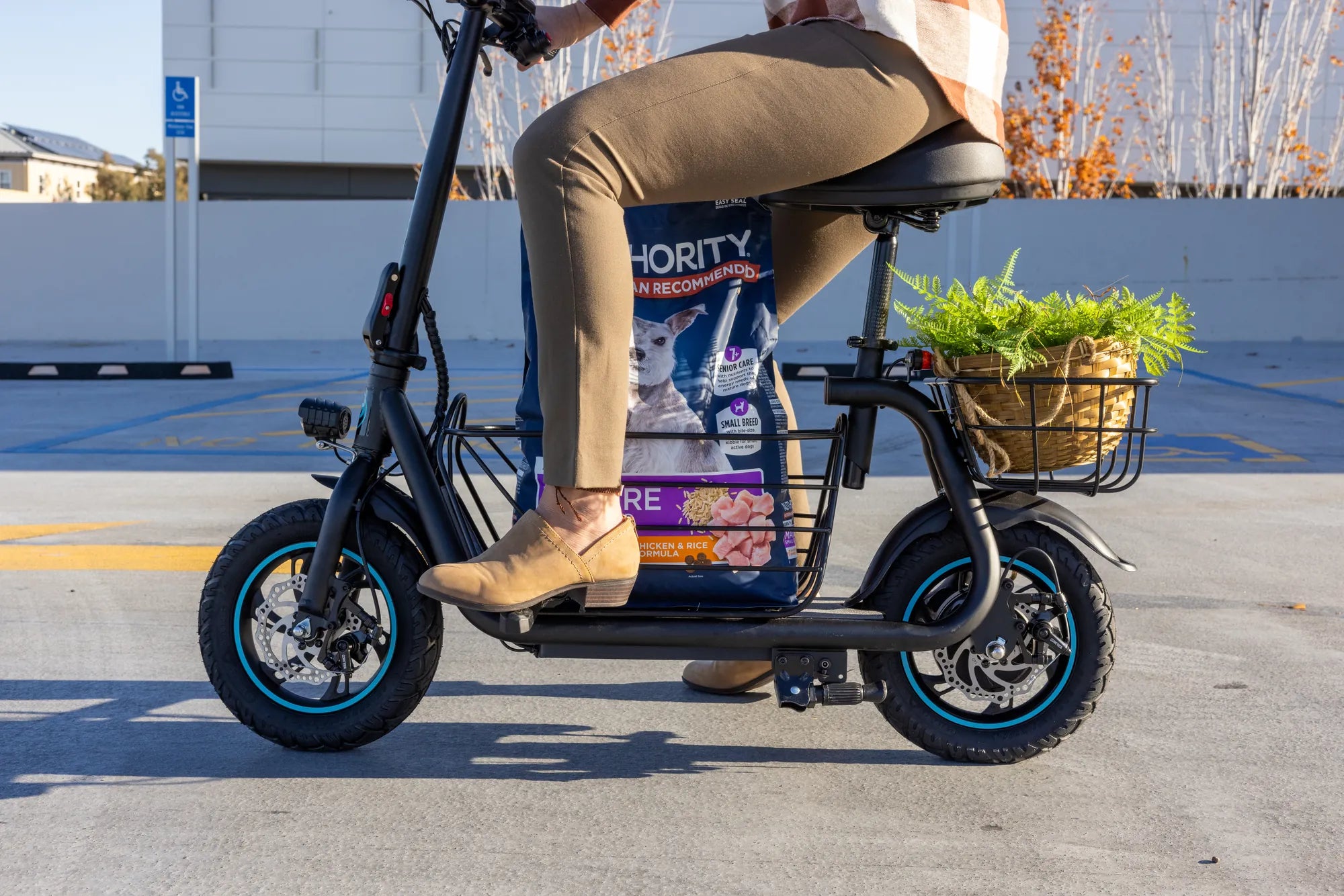
Introduction: Defining the Small Fat Tire E-Bike Phenomenon
A small fat tire ebike is a specific category of electric bicycle characterized by its compact frame, typically built around 20-inch wheels, and its signature ultra-wide tires measuring 4 inches or more in width. This unique configuration is rapidly gaining popularity for its ability to blend seemingly contradictory qualities. It offers the rugged, go-anywhere stability of a traditional fat bike with the nimble handling and easy storage of a much smaller urban commuter. For the rider navigating a mix of potholed city streets, gravel paths, and occasional light trails, a small fat tire ebike presents a compelling, do-it-all solution that prioritizes both adventure and practicality.
This article will provide a comprehensive, data-driven analysis of the small fat tire ebike. You will learn the distinct advantages of this design, the critical technical specifications to evaluate before purchasing, and how it stacks up against other popular e-bike categories. We will also cover essential maintenance and warranty considerations, ensuring you can make an informed investment. By the end, you'll understand why this versatile platform is becoming the top choice for urban adventurers seeking confidence and capability in a manageable package.
Why Choose a Small Frame with Fat Tires? Key Advantages
The combination of a compact frame and oversized tires creates a unique riding experience that addresses common pain points for city and recreational cyclists. This design is not a compromise but a targeted engineering solution. It delivers specific benefits that neither standard commuter e-bikes nor full-sized fat tire e-bikes can match on their own, making it a standout choice for a wide range of riders.
Unmatched Stability and Traction on Any Surface
The primary advantage of fat tires is their massive contact patch with the ground. On a small fat tire ebike, this translates into exceptional stability and confidence. The wide tires absorb vibrations from cracked pavement, cobblestones, and railroad tracks, providing a smoother ride than traditional thin tires. More importantly, they offer superior traction on loose or unpredictable surfaces like wet leaves, gravel, sand, and even light snow, significantly reducing the risk of slipping.
This stability is a game-changer for urban commuting. It allows riders to tackle potholes, curbs, and uneven terrain without the nervousness associated with standard commuter bikes. The low tire pressure (typically 5-20 PSI) allows the tire to conform to the ground, rather than bouncing over it, which enhances control and safety in all weather conditions. This makes the small fat tire ebike a true all-season vehicle.
Agile Handling and Urban Maneuverability
While the tires provide stability, the small 20-inch wheel diameter is responsible for the bike's remarkable agility. Smaller wheels have a lower rotational mass, which allows for quicker acceleration from a stop—a crucial advantage in stop-and-go city traffic. They also enable a much tighter turning radius compared to bikes with 26-inch or larger wheels.
This combination makes navigating dense urban environments effortless. You can easily weave through slow-moving traffic, make sharp turns onto side streets, and handle crowded bike lanes with precision. The compact overall size makes the bike feel less cumbersome in tight spaces, such as bike racks or when storing it in a home or office, giving you a level of maneuverability that larger fat tire e-bikes simply cannot match.
Practicality for Storage and Transport
For many urban dwellers, storage space is at a premium. A full-sized fat tire e-bike can be over 7 feet long and difficult to maneuver in apartments, elevators, or onto public transit. The small fat tire ebike solves this problem. Its shorter wheelbase and overall length make it significantly easier to store in a closet, on a balcony, or in a car trunk for weekend adventures.
This portability extends to multi-modal commuting. While not always designed as a folding bike, its compact nature makes it more feasible to bring on a train or bus if needed. The lighter weight (relative to full-size fat tire models) also makes it easier to carry up a flight of stairs. This practical advantage ensures your e-bike integrates seamlessly into your daily life, rather than becoming a logistical challenge.
Critical Features to Evaluate Before You Buy
Choosing the right small fat tire ebike requires careful attention to its core components. These specifications directly determine performance, safety, and long-term satisfaction. Using industry benchmarks, such as those set by leading brands like Gyroor, can help you identify a quality product.
Motor Power, Torque, and Legal Classifications
The motor is the heart of your e-bike's performance. For small fat tire models, a robust hub motor is common. Look for a continuous power rating between 500W and 750W. This range provides ample power for urban hills and light off-road use. More critical than peak wattage is torque, measured in Newton-meters (Nm). Higher torque (e.g., 65 Nm+) translates to better hill-climbing ability and more responsive acceleration, which is essential when the bike's wide tires create more rolling resistance.
It is vital to align your choice with local e-bike regulations, often defined by class. A Class 2 ebike (max 20 mph with a throttle) is common for this category and offers great versatility. Understanding these classes ensures your bike is legal and suitable for your intended bike paths and roads.
Battery Range, Safety, and Watt-Hour Rating
The battery is your most important safety and performance component. Range is determined by battery capacity, best measured in watt-hours (Wh). A 48V, 10.4Ah battery provides 499 Wh. Real-world range varies based on weight, terrain, and assist level, but a 500Wh battery typically offers 20-40 miles of riding. For a true urban adventure partner, prioritize capacity.
Battery safety is non-negotiable. Insist on a pack that is **UL-certified**. This independent certification, used by trusted brands like Gyroor for their battery packs, verifies rigorous testing for electrical, mechanical, and fire safety. It is the strongest assurance against battery failure, offering peace of mind for over 500 charge cycles.
Build Quality, Weight Capacity, and Weather Resistance
A durable aluminum alloy frame provides the ideal balance of strength and light weight. Check the manufacturer's stated maximum weight capacity, which should comfortably exceed your weight plus any cargo. A robust build ensures longevity, especially when the bike is used on varied terrain.
For all-weather capability, a high **IPX5 water-resistant rating** is essential. This rating certifies that the electrical components (motor, battery, display) can withstand sustained water jets from any direction. This level of protection, a standard feature on Gyroor e-bikes, means you can confidently ride in heavy rain or through puddles without worrying about water damage, making your investment truly year-round.
Rider Comfort: Suspension, Geometry, and Adjustability
Comfort on a compact bike is paramount. A front suspension fork with either coil or air springs helps absorb larger impacts from trails and curbs. Given the natural cushioning of fat tires, this may be sufficient for most riders, though some models offer full suspension.
Adjustability is key to a proper fit. Look for a model with an adjustable stem and a long, telescopic seatpost. This allows riders of different heights (often from 5'2" to 6'2") to find an optimal, comfortable riding position. Ergonomic grips and a supportive saddle complete the package, ensuring longer rides remain enjoyable.
Small Fat Tire E-Bike vs. The Competition: A Use-Case Analysis
To understand where the small fat tire ebike excels, it's helpful to compare it directly to other popular e-bike categories. The following table breaks down key differences to help match the bike to your primary use case.
| Feature / Bike Type | Small Fat Tire Ebike | Standard Commuter Ebike | Full-Size (26"+) Fat Tire Ebike | Folding Ebike |
|---|---|---|---|---|
| Primary Terrain | Mixed: Pavement, gravel, light trails, snow | Paved roads & bike paths only | Off-road, sand, deep snow, technical trails | Paved roads & compact storage |
| Stability & Traction | Excellent on rough/loose surfaces | Good on smooth surfaces only | Superior in extreme off-road conditions | Fair to Good (smaller wheels) |
| Urban Maneuverability | Excellent (tight turns, agile) | Very Good | Poor (bulky, long wheelbase) | Excellent (extremely compact) |
| Storage & Portability | Very Good (compact frame) | Fair (standard bike size) | Poor (very large and heavy) | Best (folds to a small size) |
| Ideal Rider Profile | Urban adventurer, all-season commuter, space-conscious user | Dedicated road commuter | Off-road enthusiast, beach/ snow rider | Multi-modal commuter, apartment dweller with minimal space |
As the table illustrates, the small fat tire ebike occupies a unique sweet spot. It sacrifices the extreme off-road capability of a full-size fat bike and the ultra-compact fold of a dedicated folder. In return, it delivers a superior blend of all-terrain confidence and city-friendly practicality that the other types cannot match.
Maximizing Your Investment: Maintenance and Warranty
Protecting your investment in a small fat tire ebike involves simple, regular maintenance and understanding the warranty that backs it. Proper care ensures optimal performance, safety, and longevity for years to come.
Tire Pressure and Basic Mechanical Upkeep
Fat tires require specific care. Always maintain the correct PSI, which is much lower than standard bike tires—typically between 5 and 20 PSI, as indicated on the tire sidewall. Lower pressure increases traction and comfort on soft surfaces, while higher pressure reduces rolling resistance on pavement for better range. Check pressure weekly with a dedicated fat bike pump.
Basic mechanical upkeep is straightforward. Keep the chain (or belt drive, if equipped) clean and lubricated. Regularly inspect brake pads for wear and ensure the disc brakes are properly adjusted. Wipe down the frame and electrical connections after wet rides to prevent corrosion. These simple steps will keep your bike running smoothly and safely.
The Critical Role of a Comprehensive Warranty
The electrical system is the most complex part of your e-bike. A strong warranty is your primary safeguard. A comprehensive warranty should cover the frame, motor, battery, and controller for a significant period. It is a direct reflection of the manufacturer's confidence in their product's quality.
For example, Gyroor offers a **1-year comprehensive warranty** on its e-bikes, supported by US-based customer service. This level of coverage provides crucial peace of mind, ensuring that if any component fails due to manufacturing defects, you have access to prompt support and replacement parts. Always prioritize brands that stand behind their products with clear, lengthy warranties.
Frequently Asked Questions (FAQ)
Q1: Are small fat tire e-bikes suitable for taller riders?
A1: Yes, many models are designed to accommodate a wide range of heights, often from around 5'2" to 6'2". The key is adjustability. Look for a model with an adjustable stem that allows you to raise the handlebars and a long, telescopic seatpost that can be extended to provide proper leg extension. While the frame itself is compact, these adjustments can make the bike comfortable for taller individuals. A test ride is always recommended if possible.
Q2: How do they perform in sand or deep snow compared to a 26" fat bike?
A2: A small fat tire ebike is highly capable on packed sand, beach paths, and snow-covered streets. The wide tires provide excellent floatation. However, physics dictates that a smaller wheel diameter (20") will sink slightly more in very deep, soft powder or loose sand than a larger wheel (26"+), which rolls over obstacles more easily. For most recreational beach riding or urban snow commuting, the small fat tire ebike performs superbly. For dedicated dune or deep powder riding, a full-size fat bike has an advantage.
Q3: Is an IPX5 water resistance rating sufficient for heavy rain?
A3: Absolutely. An IPX5 rating means the electrical components are protected against sustained water jets from any direction. This is more than adequate for commuting in heavy rain, riding through puddles, or encountering road spray. It is a robust standard used by reputable brands like Gyroor. It is important to note that no standard e-bike is fully waterproof or submersible. You should avoid intentionally submerging the bike in deep water.
Q4: What is the real-world range I can expect on a single charge?
A4: Real-world range depends on several variables: battery capacity (in Wh), rider weight, terrain, wind, tire pressure, and the level of pedal assist used. As a reliable estimate, a 500Wh battery will typically provide 20-25 miles of range using mostly throttle and higher assist levels on hilly terrain, and 35-40+ miles using moderate pedal assist on flatter ground. Checking the watt-hour rating is the best way to compare potential range between different models.
Q5: Can I upgrade the battery on my small fat tire e-bike later?
A5: This depends entirely on the specific model and manufacturer. Some designs feature integrated batteries that are difficult or impossible to upgrade, while others use external, removable battery packs that may have compatible higher-capacity options available from the manufacturer. Before purchasing, if future upgradability is important to you, check with the brand's customer support to confirm compatibility and available upgrade paths for the model you are considering.
Conclusion: Your Ideal Urban Adventure Partner Awaits
The small fat tire ebike stands out as a uniquely versatile machine, expertly bridging the gap between rugged capability and everyday practicality. It delivers the confidence to tackle potholed streets, gravel paths, and inclement weather with stability, while its compact size ensures it remains agile in traffic and easy to store at home. For the modern rider who refuses to be limited by terrain or urban constraints, this hybrid design offers a compelling and fun solution.
When making your final decision, prioritize the fundamentals that guarantee safety and longevity: a **UL-certified battery** for peace of mind, a robust **IPX5 water-resistant design** for all-weather riding, and a **comprehensive warranty** from a trusted brand. These features protect your investment and ensure countless miles of reliable adventure. Ready to experience the perfect blend of stability and agility? Browse the full collection of durable, feature-packed e-bikes at gyroorboard.com and find your perfect urban adventure partner today.
2000 Watt Ebike Kit: The Ultimate DIY Power Conversion Guide
What is the Best Cheap Dirt Bike: A 2024 Value & Reliability Guide