



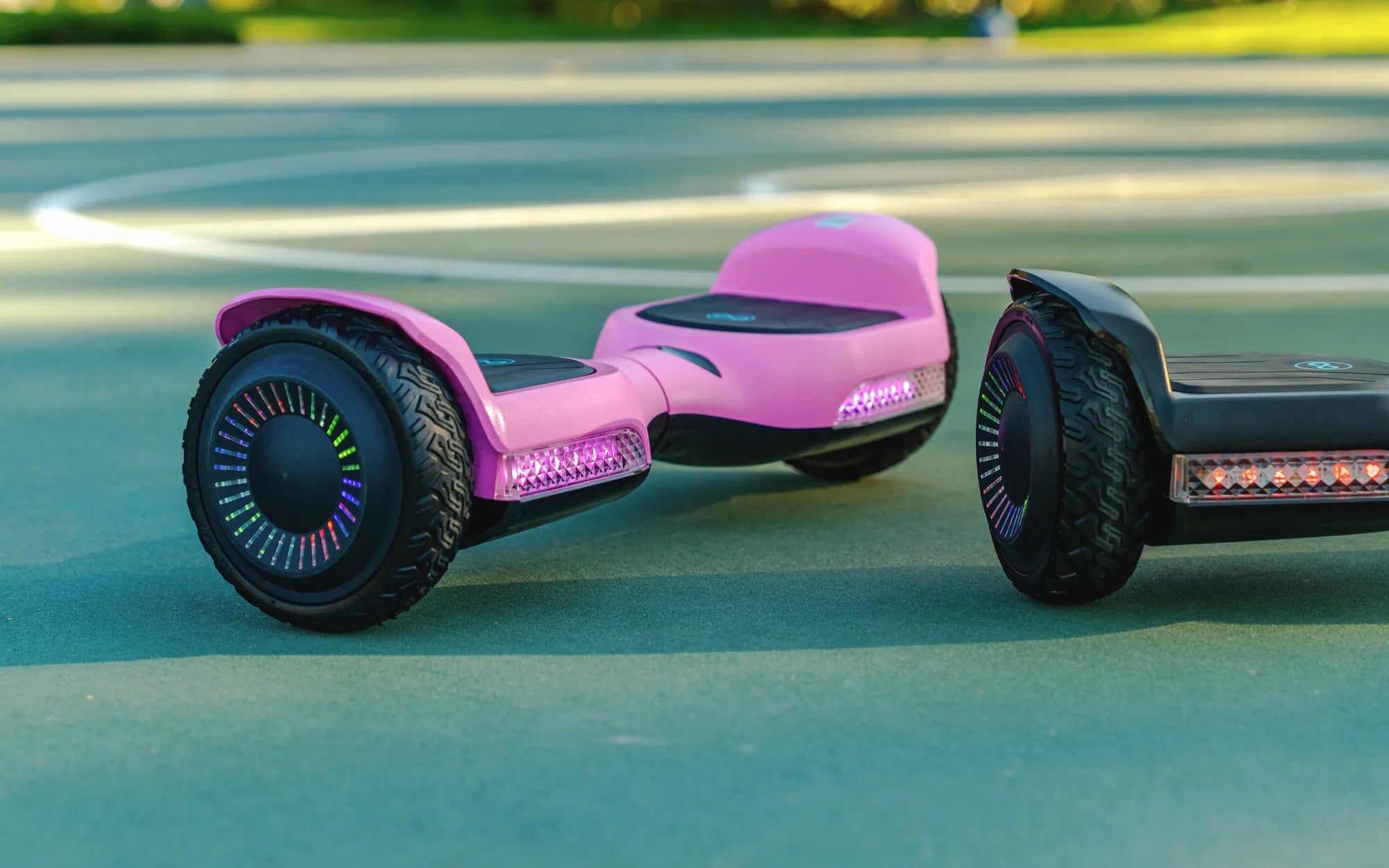
Introduction: The Rise of Compact Personal Mobility
The quest for efficient, last-mile transportation has reshaped urban landscapes, giving rise to a new class of personal electric vehicles. Among these, the small hoverboard stands out as a pinnacle of minimalist, portable design. Defined by wheel sizes typically under 6.5 inches and a lightweight frame, this device solves the specific problem of hyper-local travel where bulkier options fail. This guide serves as your comprehensive resource for understanding, choosing, and mastering the small hoverboard: the ultimate guide to compact and portable personal transportation you've been searching for.
We will dissect its core advantages, from unparalleled portability to agile maneuverability. You'll learn the non-negotiable safety features that separate trustworthy models from risky imitations. Furthermore, we'll provide a clear comparison against other micro-mobility devices and equip you with practical riding and maintenance knowledge. By the end, you'll be able to make an informed decision on whether this compact transporter aligns with your urban mobility needs.
Why Choose a Small Hoverboard? Key Benefits and Use Cases
The primary appeal of a small hoverboard lies in its fundamental design philosophy: maximum utility in a minimal footprint. Unlike standard hoverboards or electric scooters, its compact nature is not a compromise but its defining feature. This makes it the ideal solution for a specific set of users and scenarios where portability and agility are paramount over long-distance range or high speed.
Students navigating large campuses, urban commuters bridging the gap between a transit stop and the office, and apartment dwellers with limited storage space are the perfect adopters. The device excels in environments with dense pedestrian traffic, tight corridors, and a need for seamless integration with other modes of transport, like buses or trains. Its benefits are both practical and experiential, offering a fun, efficient way to cover short distances.
Portability and Convenience
The most significant advantage is its carry-anywhere design. A quality small hoverboard often weighs under 20 pounds and features a compact form factor, sometimes with an integrated carry handle. This transforms it from a riding device into a portable item you can effortlessly tuck under your arm.
This portability means you can carry it into coffee shops, store it under your desk at work, or place it in a car trunk without sacrificing valuable space. It eliminates the need for external locks or parking worries that plague larger e-scooters and bikes, as your vehicle is always with you. This convenience factor is a game-changer for daily multi-modal commuters.
Maneuverability and Urban Agility
With smaller wheels and a tighter turning radius, these devices offer superior handling in confined spaces. The responsive controls allow for sharp, precise turns, making it easy to navigate crowded sidewalks, weave through slow-moving foot traffic, and pivot in tight entryways.
This agility makes the small hoverboard exceptionally suited for the stop-and-start nature of urban environments. You can easily maneuver around obstacles, through standard doorways, and in crowded public squares where larger devices would be cumbersome or socially intrusive. The learning curve for basic maneuvering is also generally quicker due to the more intuitive control response of the compact platform.
Critical Features to Look for in a Quality Small Hoverboard
Not all compact hoverboards are created equal. The market contains a wide range of quality, and the difference lies in key engineering and safety specifications. Choosing a model with the right features is crucial for safety, performance, and long-term durability. This checklist will help you identify a reliable product that offers real value.
Focus on components that directly impact safety and the riding experience: the battery system, motor power, construction materials, and environmental protection. A reputable brand will transparently list these specifications. As a leading brand trusted by over 100,000 riders, Gyroor builds its models, including compact options, around these core principles of certified safety and robust design.
Safety First: UL Certification and Build Quality
The single most important feature is a UL-certified battery. This independent certification ensures the battery pack has passed rigorous tests for electrical, mechanical, and fire safety. Non-certified batteries are a leading cause of malfunctions and pose a significant fire risk. Always verify this certification; it is non-negotiable.
Build quality is equally vital. Look for a frame made from reinforced, impact-resistant materials like aircraft-grade aluminum alloy. The foot pads should have a textured, non-slip surface to ensure secure footing. A well-balanced frame with a low center of gravity contributes significantly to stability, especially for beginners, making the learning process safer and more confident.
Performance Specs: Motor Power, Range, and Weight Capacity
Performance in a small hoverboard is a balance of power and efficiency. Most quality models feature dual motors, typically ranging from 250W to 350W each. This provides adequate torque for smooth acceleration and the ability to handle slight inclines commonly found in urban settings, such as driveway ramps or gentle hills.
Be realistic about range expectations. A typical compact model offers 6 to 12 miles per charge, depending on rider weight, terrain, and speed. This is perfect for short commutes and errands. Always check the maximum weight capacity, which usually ranges from 180 to 220 lbs. Exceeding this limit stresses the motors and battery, reducing performance and lifespan. Matching the specs to your physical needs is key.
Durability and Warranty: The IPX Rating and Support
Durability is defined by how well the hoverboard handles real-world conditions. An IPX5 water-resistant rating is a critical feature for a practical commuting device. This rating means the unit can withstand water jets from any direction, protecting it from wet pavement, puddles, and light rain. Brands like Gyroor incorporate this protection to ensure reliability in everyday weather.
A strong warranty is your safety net. A comprehensive 1-year warranty on major components (battery, motor, frame) signals manufacturer confidence in their product's quality. It also provides you with peace of mind and protection against premature failures. Reliable customer support is part of this package, ensuring you have assistance if needed.
Small Hoverboard vs. Other Micro-Mobility Options
Choosing the right personal electric vehicle depends on your primary use case. The small hoverboard occupies a specific niche. The following comparison highlights its strengths and weaknesses relative to other popular options, helping you contextualize its role in the micro-mobility ecosystem.
| Feature | Small Hoverboard | Standard Hoverboard | Electric Scooter | Electric Skateboard |
|---|---|---|---|---|
| Primary Strength | Portability & Maneuverability | Stability on Rough Terrain | Speed & Range | Portability & Carving Feel |
| Typical Wheel Size | 4.5" - 6.5" | 8.5" - 10" | 8" - 10" (pneumatic) | 90-110mm (urethane) |
| Avg. Weight | 15-22 lbs | 25-30 lbs | 30-45 lbs | 15-20 lbs |
| Avg. Range | 6-12 miles | 10-15 miles | 15-30 miles | 10-20 miles |
| Top Speed | 7-10 mph | 10-12 mph | 15-20 mph | 20-25 mph |
| Best For | Last-mile, tight spaces, carry-on transit | Parks, sidewalks, moderate terrain | Longer commutes, speed | Experienced riders, recreational carving |
As the table shows, the small hoverboard is the champion of portability and tight-space agility. It sacrifices some speed, range, and terrain capability of larger hoverboards and e-scooters to achieve its carry-anywhere form factor. An electric scooter is better for longer, faster commutes but is bulkier to store and carry. An electric skateboard offers a different riding experience but has a steeper learning curve and less stability for casual use.
Practical Rider's Guide: Tips, Maintenance, and Etiquette
Owning a small hoverboard comes with the responsibility of safe operation and basic upkeep. Mastering the ride and caring for your device will ensure years of reliable service and a positive experience for you and those around you.
Start in a safe, open, and flat area like an empty parking lot or smooth driveway. Use protective gear—at minimum, a helmet and wrist guards. The learning process involves finding your balance; step on one foot at a time, use a wall or railing for support initially, and practice dismounting. Focus on subtle leans forward to go, backward to brake, and shifting weight for turns. Most users achieve basic competency within 30-60 minutes.
Essential Maintenance for Longevity
Regular maintenance is simple but crucial. Keep the tire pressure at the manufacturer's recommended level (for inflatable tires) to ensure optimal battery efficiency and a smooth ride. Wipe down the foot pads and body with a damp cloth after riding in dusty or wet conditions to prevent dirt buildup.
Battery care is paramount. Avoid completely draining the battery; recharge it when it drops to 20-30%. Use only the provided, manufacturer-approved charger. Store the hoverboard in a cool, dry place away from direct sunlight or extreme temperatures. Periodically check for loose screws or any unusual sounds from the wheel hubs, which could indicate a need for professional servicing.
Responsible Riding Etiquette
As a rider, you share pathways with pedestrians, cyclists, and vehicles. Always yield to pedestrians and give audible warning (a polite "on your left" or a bell) when passing. Ride at a walking speed in crowded areas and on sidewalks where local laws permit. Use bike lanes where available and safe.
Obey all local traffic laws and regulations regarding personal electric vehicles. Do not ride on roads with high-speed traffic. Be mindful of your device's limitations; avoid steep hills, stairs, and excessively rough terrain that could cause a loss of control. Your awareness and courtesy ensure a safer environment for everyone and promote the positive adoption of micro-mobility.
Is a Small Hoverboard Right for You? Making the Decision
The decision to invest in a small hoverboard hinges on a clear assessment of your personal mobility needs. It is the ideal choice if your primary requirements are extreme portability, the ability to carry your vehicle with you indoors, and agile navigation in dense urban or campus settings. It excels as a solution for the "first and last mile" of a longer commute involving public transit.
Conversely, if your daily travel involves distances over 5 miles one-way, requires traversing significant hills, or demands higher speeds, a standard hoverboard or electric scooter may be a more suitable investment. The compact size is a trade-off; you gain convenience but accept limits on range and terrain capability. For students, urban apartment dwellers, and office commuters with short, predictable routes, the benefits are compelling.
FAQ: Your Small Hoverboard Questions Answered
Q: Are small hoverboards safe for beginners?
A: Yes, with proper precautions. Choose a model from a reputable brand with a UL-certified battery, a stable low-profile design, and non-slip foot pads. Always wear safety gear and practice in a safe, controlled environment. The learning curve is manageable for most adults and teenagers.
Q: How long does the battery take to charge?
A> Charging time varies by battery capacity but typically ranges from 2 to 4 hours for a full charge from empty. Using the manufacturer-provided charger is essential for safety and battery health. Avoid overnight charging unattended.
Q: Can I ride a small hoverboard on slightly rough terrain like paved pathways?
A> Small wheels (4.5"-6.5") are best suited for very smooth surfaces like indoor floors, smooth concrete, and asphalt. They can handle minor cracks and seams, but gravel, grass, or bumpy brick paths will be uncomfortable and can strain the motors. For mixed terrain, a hoverboard with larger, air-filled tires is a better choice.
Q: What is the typical top speed?
A> Most small hoverboard models have a top speed governed between 7 and 10 miles per hour (11-16 km/h). This speed is intentional, balancing fun with safety and stability on a compact platform. Some models may offer different speed modes, including a beginner-friendly slower setting.
Q: Why is a UL-certified battery so important?
A> A UL certification (from Underwriters Laboratories) is an independent verification that the lithium-ion battery has passed stringent safety tests for electrical, mechanical, and environmental stress. It drastically reduces the risk of overheating, fire, or explosion. Never purchase a personal electric vehicle without this certification; it is the most critical component for your safety.
Conclusion: Embracing Compact, Intelligent Mobility
The small hoverboard represents a smart, focused solution in the world of personal electric transport. It won't replace your car or bicycle, but it brilliantly solves the specific problem of short-distance, high-convenience travel. By prioritizing certified safety features like UL-approved batteries, robust construction, and responsible riding, you unlock a tool that adds efficiency and enjoyment to your daily routine.
Your journey starts with choosing a reliable partner. Explore a range of electric scooters and hoverboards engineered with these core principles in mind. Browse the full Gyroor collection at gyroorboard.com to discover UL-certified, IPX water-resistant models backed by a comprehensive 1-year warranty, designed for riders who value safety and performance without compromise.
Scooter for Kids 5 Years: The Ultimate Guide to Choosing the Best Ride
Kids Electric Scooter With Lights: The Ultimate Guide for Parents