



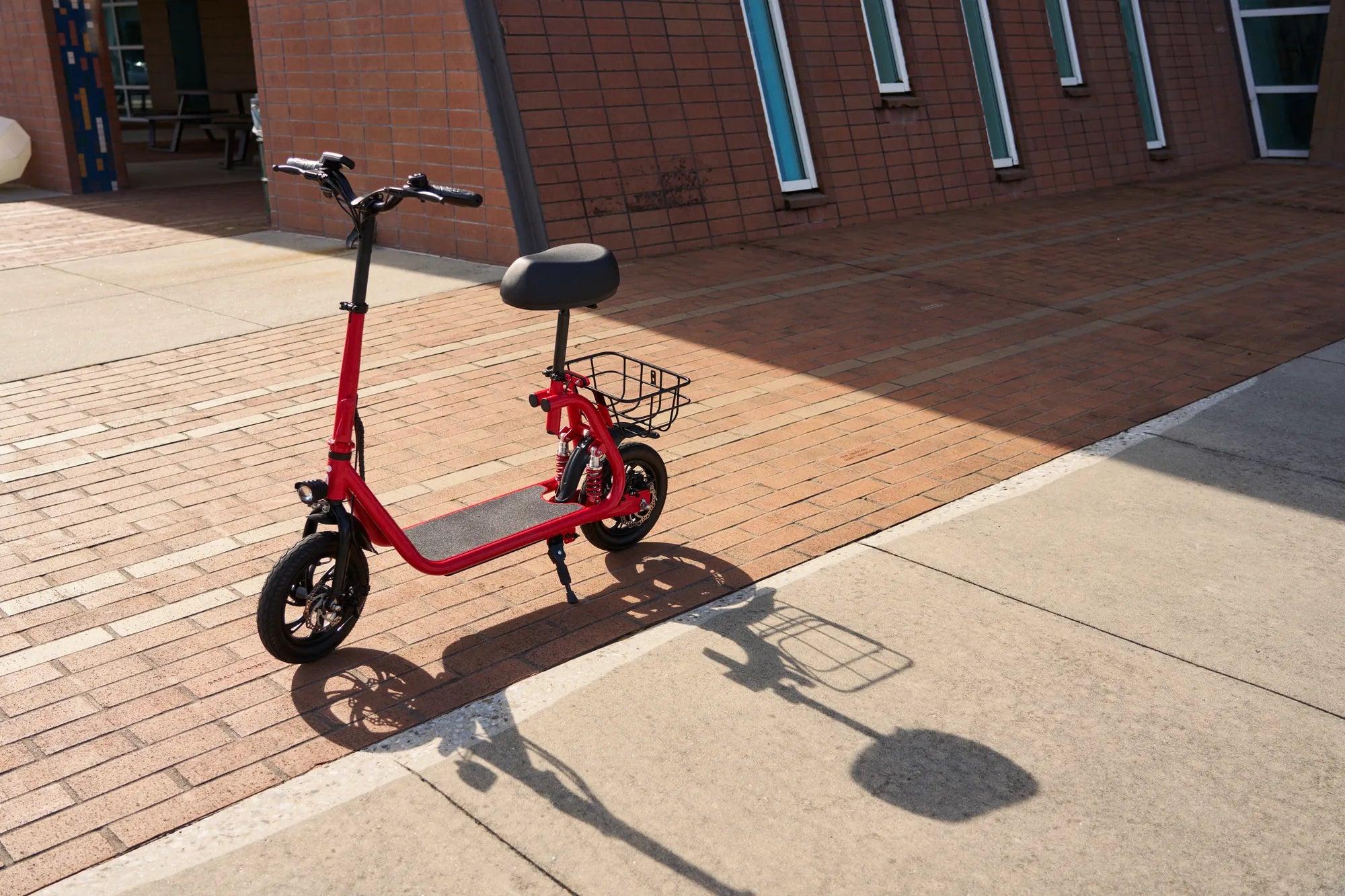
Introduction: The Rise of the Small Moped Scooter
Navigating dense city streets requires a vehicle that is agile, economical, and reliable. The small moped scooter has emerged as the definitive solution, blending the iconic, seated posture of a classic moped with the clean, quiet power of modern electric propulsion. This category typically refers to electric scooters with 50cc-equivalent power, capable of speeds up to 30 mph, designed for street-legal urban travel. This guide will dissect why the small moped scooter is revolutionizing personal transport, what features to prioritize, and how to integrate one seamlessly into your daily life.
Why Choose a Small Moped Scooter? Key Benefits for Modern Riders
The appeal of a small moped scooter is multifaceted, addressing practical, financial, and environmental concerns of modern urbanites. Its compact size allows for easy lane filtering and stress-free parking in spaces a car could never fit. Operationally, it swaps expensive gasoline for cheap electricity, with charging costs often being a fraction of fuel expenses. Furthermore, it produces zero direct emissions, contributing to cleaner city air.
Beyond utility, it offers an accessible and enjoyable riding experience. Unlike a bulky motorcycle, it has a low step-through frame, making it easy to mount and dismount. The electric motor provides instant torque from a stop, simplifying operation for new riders while delivering a surprisingly fun and zippy feel for daily commutes.
The Urban Commuter's Dream
For the daily commuter, a small moped scooter transforms the journey. It excels as a first-and-last-mile solution, bridging the gap between home, public transit, and the office. Running errands becomes effortless, as you can park directly in front of stores. Most importantly, it turns unpredictable, traffic-snarled commutes into predictable, timely trips, significantly reducing daily stress.
Economics and Eco-Consciousness
The financial argument is compelling. The average cost to charge a small moped scooter's battery is between $0.15 and $0.30 for a full charge, offering a range of 20-40 miles. Compare this to a gasoline scooter or car, where fuel costs are consistently higher. Maintenance is also minimal—no oil changes, spark plugs, or complex engine parts. Environmentally, choosing electric is a direct reduction in your carbon footprint, a tangible benefit for eco-conscious consumers.
What to Look for in a Quality Small Moped Scooter
Not all small moped scooters are created equal. Investing in a quality model from a reputable brand ensures safety, reliability, and long-term satisfaction. Key differentiators include motor performance, build quality, battery technology, and manufacturer support. Prioritizing these areas protects your investment and ensures a superior riding experience.
Power, Speed, and Range: Matching Specs to Your Life
Real-world performance is paramount. Look for a motor rated between 500W and 1000W for adequate power to handle city hills and maintain speed. Top speeds typically range from 20 mph to 30 mph, which is ideal for urban flow. Pay close attention to the stated range, but understand that factors like rider weight, terrain, and temperature affect it. A quality brand like Gyroor provides realistic range estimates based on standardized testing, not ideal laboratory conditions.
Safety and Durability: Non-Negotiable Features
Safety features are critical. Your small moped scooter must have bright front and rear lighting, including a brake light, a functional horn, and responsive braking systems—preferably disc brakes. Wide, pneumatic tires provide better stability and shock absorption than solid tires. For durability, the IP Water-Resistance Rating is essential. A rating of IPX5, like those found on Gyroor scooters, means the unit can withstand water jets from any direction, making it safe to ride in light rain and through puddles.
Battery and Warranty: The Heart of Your Investment
The battery is the core of your electric scooter. Insist on a UL-Certified Lithium-Ion Battery. This certification means the battery pack has passed rigorous safety tests for electrical, mechanical, and environmental hazards, drastically reducing fire risk. These batteries also offer better longevity, often rated for 500+ charge cycles. This quality should be backed by a strong Comprehensive Warranty. A 1-year warranty on the vehicle, like Gyroor offers, provides peace of mind and reflects the manufacturer's confidence in their product.
Small Moped Scooter vs. E-Bike vs. Standard E-Scooter: Finding Your Fit
Choosing the right micro-mobility device depends on your primary needs: speed, exercise, portability, or style. The following table provides a clear comparison to guide your decision.
| Feature | Small Moped Scooter | E-Bike | Standard E-Scooter (Kick Scooter) |
|---|---|---|---|
| Style/Form Factor | Seated, motorcycle/moped style with floorboard. | Bicycle frame, seated with pedals. | Stand-up, compact, foldable design. |
| Typical Top Speed | 20-30 mph | 20-28 mph (Class 3) | 15-20 mph |
| Ideal Use Case | Primary urban transport for medium distances (5-15 miles). | Longer commutes, exercise combined with assist, cargo hauling. | Last-mile trips, multimodal commuting (carry on transit). |
| Licensing/Registration* | Often required (varies by state). | Generally treated as a bicycle. | Generally treated as a bicycle. |
| Storage | Requires dedicated parking space; not portable. | Requires bike rack or secure parking. | Highly portable; folds for easy carrying. |
*Laws vary significantly by jurisdiction; always check local regulations.
The small moped scooter is the ideal choice for riders who want a dedicated, seated vehicle for daily city travel. It offers more speed and stability than a standard e-scooter and a more motorcycle-like experience than an e-bike, without the need for pedaling.
Navigating Rules of the Road: Licensing, Registration, and Safety Gear
Operating a small moped scooter legally and safely is crucial. Regulations differ by state and country, but general patterns exist. In many U.S. states, a vehicle with a top speed over 20 mph may require a driver's license, registration, and even insurance. It is essential to check your specific state's Department of Motor Vehicles (DMV) guidelines.
Where you can ride is also regulated. Typically, small moped scooters are not allowed on sidewalks. They are meant for bike lanes or roadways, following the same rules as bicycles or motorcycles. Proactive safety is non-negotiable. Always wear a DOT-approved helmet. Use additional gear like gloves, sturdy shoes, and reflective clothing, especially at night. Practice defensive riding, assume you are not seen by drivers, and always use your signals and lights.
Maintenance and Care for Longevity
Proper maintenance ensures your small moped scooter remains reliable for years. The electric drivetrain simplifies care, but regular checks are vital. Keep tire pressure at the recommended PSI for optimal range and handling. Regularly inspect brake pads for wear and ensure the brakes are properly adjusted. Clean the scooter with a damp cloth, avoiding direct high-pressure water sprays on electronic components despite a good IP rating.
Battery care is paramount. Avoid completely draining the battery; try to recharge when it reaches 20-30%. Store the scooter in a cool, dry place, and if storing for extended periods, keep the battery charge around 50-60%. Following the manufacturer's specific maintenance schedule, as outlined in Gyroor's user manuals, will maximize the lifespan of all components.
Top Use Cases and Rider Profiles
The small moped scooter serves a diverse range of users. The Urban Professional uses it for a predictable, car-free commute to the office, avoiding parking fees. The College Student finds it perfect for navigating large campuses and nearby off-campus housing efficiently. The Suburban Resident uses it for quick trips to the local store, gym, or cafe without taking the car.
It's also an excellent Secondary Household Vehicle, reducing the need for a second car for short trips. For the Eco-Conscious Advocate, it's a statement of sustainable living. Finally, for the Leisure Rider, it offers pure, enjoyable exploration of city parks and neighborhoods. The versatility of the small moped scooter makes it a compelling tool for nearly any urban or suburban lifestyle.
Conclusion: Is a Small Moped Scooter Right for You?
If your daily life involves navigating city streets for distances between 5 and 15 miles, and you seek an efficient, cost-effective, and enjoyable alternative to a car, a small moped scooter is an outstanding choice. It combines practicality with a sense of freedom. The key to a positive experience lies in selecting a reputable brand that prioritizes certified safety features—like UL-certified batteries and IPX5 water resistance—and backs its products with robust customer support and warranty. This ensures your investment delivers reliable, worry-free mobility for years to come.
Ready to explore models that embody these principles of quality, safety, and performance? Discover a range designed for real-world urban adventure. Browse the full Gyroor collection at gyroorboard.com to find the small moped scooter that fits your journey.
FAQ: Your Small Moped Scooter Questions, Answered
Q: Do I need a license or insurance for a small moped scooter?
A: Requirements vary by location. In many U.S. states, if the scooter can exceed 20-30 mph, a valid driver's license, registration, and sometimes insurance are required. Always check your local DMV or transportation authority for precise laws.
Q: How far can I really go on a single charge?
A> The advertised range is a best-case estimate. Real-world range depends on rider weight, terrain (hills reduce range), speed (higher speeds use more power), and temperature. For a typical 30-mile claim, expect 20-25 miles under normal urban conditions.
Q: Can it handle hills and light rain?
A: A quality small moped scooter with a 500W+ motor can handle moderate hills. For consistent hill climbing, look for 750W or higher. Models with an IPX5 water-resistance rating, like those from Gyroor, are designed to handle light rain and wet roads safely.
Q: Where is the best place to ride it (sidewalk, bike lane, road)?
A: Sidewalks are almost always prohibited for safety. Ride in designated bike lanes when available. On roads without bike lanes, ride in the rightmost lane, following all traffic signals and laws as you would on a bicycle or motorcycle. Visibility is key.
Q: What kind of maintenance does it require?
A> Maintenance is minimal compared to a gas vehicle. Key tasks include checking and maintaining tire pressure, ensuring brakes are functioning properly, keeping the battery charged appropriately, and cleaning the scooter. Refer to your owner's manual for a detailed schedule.
Q: How long does the battery last before needing replacement?
A: A high-quality UL-certified lithium-ion battery is typically rated for 500+ full charge cycles. With regular use and proper care (avoiding full discharges and extreme temperatures), the battery can last 3-5 years before you may notice a significant reduction in range.
Tricycle Brands: A Guide to Stability, Cargo, and Electric Power
Ebike 20 Inch Wheels: The Ultimate Urban Mobility Compromise