


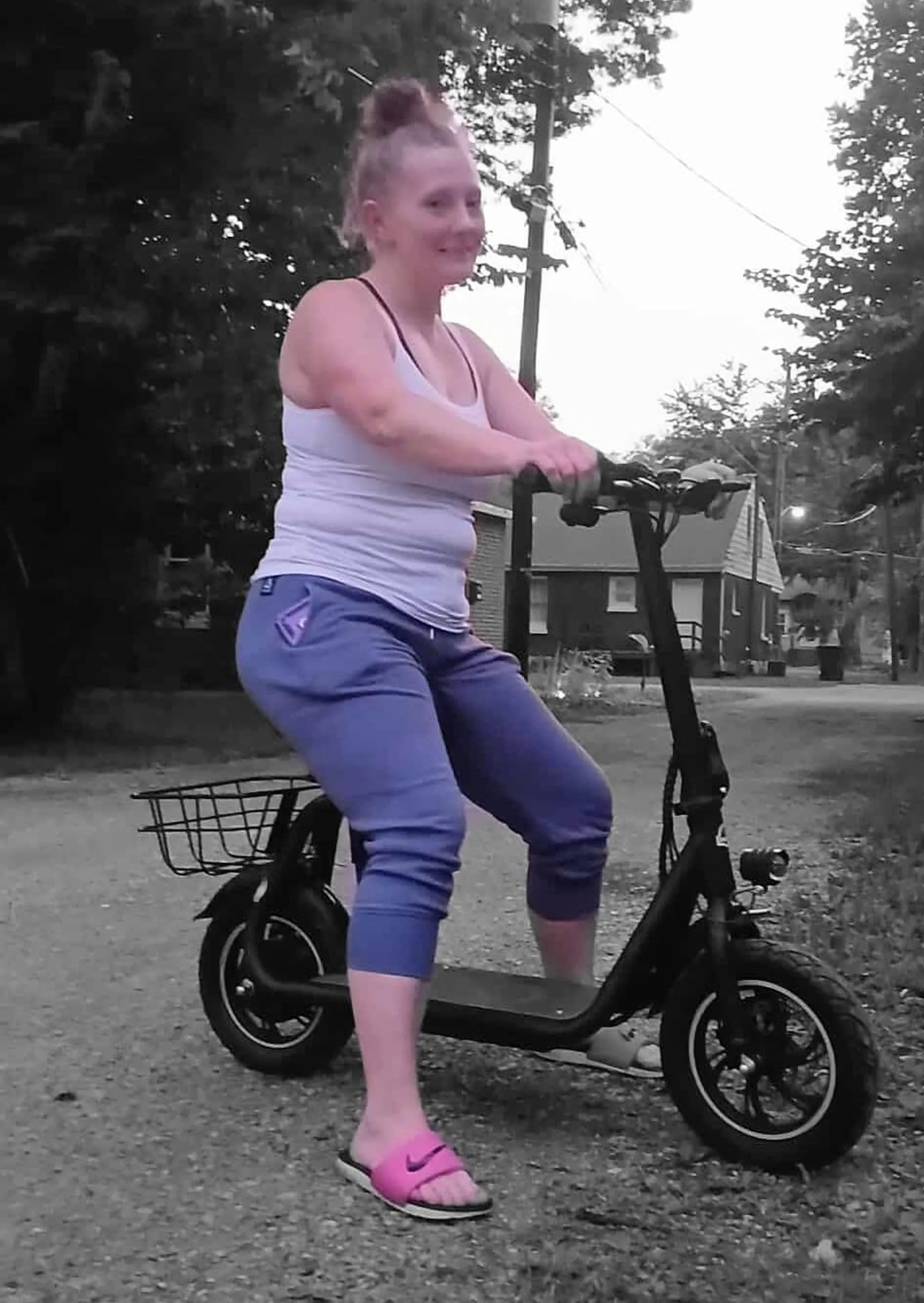
Introduction: The Rise of the Small Portable Scooter for Adults
Urban mobility is being redefined by the small portable scooter for adults. This compact, electric-powered vehicle solves critical last-mile challenges for commuters, students, and city explorers. It bridges the gap between public transport stops and final destinations with remarkable efficiency.
The appeal lies in a powerful combination of convenience and performance. Adults need a vehicle that is not a toy but a legitimate transport tool. It must be lightweight enough to carry, yet robust enough for daily use. The modern small portable scooter for adults meets these demands head-on.
Key use cases include seamless integration with buses and trains, quick errands around town, and avoiding traffic congestion. For many, it replaces short car trips, reducing carbon footprints and parking headaches. The market has responded with advanced models featuring improved batteries, motors, and safety features.
This guide will dissect what makes these scooters effective. We will explore specifications, real-world performance, and critical buying considerations. Our goal is to equip you with the knowledge to select a scooter that enhances your daily life reliably and safely.
Defining the "Small Portable Scooter": Key Features and Specifications
A true small portable scooter for adults is defined by a specific set of engineering and design parameters. It balances form and function to serve an adult rider's practical needs. Core specifications create a framework for evaluation and comparison.
Weight capacity is paramount, typically ranging from 220 to 265 pounds (100-120 kg). This ensures stability and durability for most adult riders. The scooter's own weight is equally crucial, with premium models weighing between 26 and 35 pounds (12-16 kg). This makes them manageable to carry when folded.
Motor power directly influences performance. Most models in this category feature motors from 250W to 500W. A 350W motor is often the sweet spot, providing adequate torque for hills up to 15% grade while maintaining efficiency. Top speeds generally range from 15 to 25 mph (24-40 km/h), governed for safety and legality.
Foldability is the cornerstone of portability. A well-designed folding mechanism allows the scooter to collapse in seconds. The resulting folded dimensions should be compact, ideally under 45 x 18 x 18 inches. This enables storage in car trunks, under desks, or in small apartment closets.
What Makes a Scooter "Portable"?
Portability transcends mere weight. It is a holistic design philosophy centered on user experience during non-riding moments. The folding mechanism is the most critical component, directly impacting daily usability.
One-step folding systems are highly valued. With a single latch or lever, the stem collapses onto the deck, locking securely. This speed is essential for quick transitions, like hopping off a scooter and onto a train. Multi-step systems, while sometimes more robust, add friction to the process.
Folded dimensions determine where you can store the scooter. A compact footprint is key for urban living. The best small portable scooter for adults will fit vertically in an elevator or horizontally in a shopping cart. Carry weight distribution also matters; a balanced design feels lighter when lifted.
The carry handle or strap is a small but vital feature. An integrated, ergonomic handle makes transporting the folded scooter up stairs or through crowded stations significantly easier. Without it, portability suffers, regardless of the scooter's light weight.
Performance for Adults: Not a Toy
Adult riders require performance that matches their practical commuting needs. This means sufficient power for consistent speeds, reliable hill-climbing ability, and a stable, comfortable ride over varied urban terrain.
Motor wattage and torque define acceleration and gradeability. A 350W motor can typically handle a 165 lb rider on a 10-12% incline. For steeper hills or heavier riders, a 500W motor is advisable. Continuous power output is more important than peak power for sustained climbs.
Suspension and wheel size dictate ride comfort. Larger, air-filled tires (8.5-10 inches) absorb bumps better than small solid tires. Some models incorporate front or dual spring suspension to smooth out cracks and uneven pavement. This reduces fatigue on longer rides.
Braking systems are a critical safety performance feature. Electronic (regenerative) braking combined with a disc or drum brake provides confident stopping power in all conditions. The braking distance from 15 mph should be under 20 feet on dry pavement for safe urban riding.
Why Choose a Gyroor Small Portable Scooter? A Data-Driven Look
Gyroor has established itself as a leader in micro-mobility by focusing on the core pillars adult riders value most: safety, reliability, and thoughtful design. With over 100,000 riders across North America and Europe, their approach is validated by real-world use.
The brand's portfolio includes specific models that exemplify the ideal small portable scooter for adults. These scooters are engineered with commuter-first features, balancing power and portability without compromise. They translate technical specifications into tangible daily benefits.
Data from user reviews highlights reliability and customer satisfaction, with an average rating of 4.5/5. This feedback often cites the robust construction, consistent performance, and the peace of mind provided by comprehensive warranty support. It's a testament to building products for long-term use.
Choosing a Gyroor means investing in a vehicle backed by a brand with a proven track record. It's a decision that prioritizes certified safety components and durable design over fleeting trends or questionable cost-cutting measures found in some alternatives.
Safety and Reliability First: The Gyroor Advantage
At the heart of Gyroor's safety commitment is the use of UL-certified battery packs. These batteries undergo rigorous testing for thermal stability, short-circuit protection, and durability over 500+ charge cycles. This certification is a non-negotiable standard for fire safety in the home and during use.
The IPX5 water-resistance rating is another critical advantage. This means the scooter can withstand water jets from any direction, making it safe to ride in light rain or on wet streets. It protects the electrical components from moisture ingress, a common failure point in lesser models.
Frame construction uses high-grade aluminum alloys, ensuring structural integrity under repeated stress. The welding and joint reinforcements are designed to handle the vibrations and impacts of urban roads. This robust build directly contributes to rider safety and the product's longevity.
Integrated safety features include bright headlights and taillights for visibility, reflective side stickers, and reliable braking systems. These are not afterthoughts but core components of the design philosophy. A safe small portable scooter for adults is one you can trust in diverse conditions.
The Peace of Mind Factor: Warranty and Support
Gyroor's 1-year comprehensive warranty covers the frame, motor, battery, and electronic controller. This warranty acts as a guarantee of quality and protects your investment from manufacturing defects. It reflects the confidence Gyroor has in its components and assembly.
Accessible, US-based customer support is a significant value-add. When questions or issues arise, having a responsive support team ensures minimal downtime. This is crucial for a device used in daily commuting, where reliability is directly tied to personal mobility.
The warranty and support structure simplifies maintenance. Users can get clear guidance on care, troubleshooting, and authorized repair if needed. This contrasts with brands that offer limited or difficult-to-access support, leaving riders to solve complex mechanical or electrical problems alone.
This peace of mind allows riders to focus on the joy and utility of riding, not potential product failures. For an adult depending on a small portable scooter for daily transport, this reliable support network is as important as the scooter's physical specifications.
Key Considerations Before You Buy: A Practical Checklist
Purchasing a small portable scooter for adults is an investment in your daily efficiency. A systematic evaluation of your needs against product specs will ensure you choose the right model. This checklist covers the essential factors beyond the marketing headlines.
First, honestly assess your primary use case. Is it a half-mile from the train station to your office? Or a three-mile round trip for groceries? Distance, terrain (hills vs. flat), and cargo needs (backpack vs. needing a basket) will narrow your options significantly.
Second, consider storage at both ends of your journey. Measure the space under your desk or in your apartment entryway. Know the folded dimensions of any scooter you're considering. Portability is useless if the scooter doesn't fit where you need to store it.
Finally, set a realistic budget that includes safety and quality. The cheapest option often lacks critical certifications (like UL for the battery) and robust construction, leading to higher long-term costs and potential safety risks. Prioritize value over initial price.
Range vs. Reality: Understanding Battery Life
Manufacturer range claims, often 15-25 miles, are typically derived under ideal laboratory conditions. Real-world range is influenced by multiple variables. Understanding these factors prevents disappointment and ensures your scooter meets your actual commute length.
Rider weight is the most significant variable. Heavier riders consume more energy for acceleration and hill climbing. Terrain has a massive impact; constant stop-and-go in the city or climbing hills can halve the rated range compared to cruising on a flat bike path.
Speed and riding style also affect range. Riding consistently at top speed drains the battery much faster than maintaining a moderate pace (e.g., 15 mph). Frequent acceleration from stops uses more power than steady-state cruising. Temperature matters too, as cold weather reduces battery efficiency.
Use the following table as a realistic adjustment guide. Start with the manufacturer's "ideal" range and apply the factors relevant to your ride.
| Factor | Impact on Range | Typical Reduction |
|---|---|---|
| Rider Weight (over 180 lbs / 82 kg) | Increased energy demand | 10-20% |
| Hilly Terrain | High motor load during climbs | 25-40% |
| Frequent Stops & Starts (Urban) | Constant acceleration | 15-25% |
| Riding at Max Speed | Higher power draw | 20-30% |
| Cold Weather (Below 50°F / 10°C) | Reduced battery chemistry efficiency | 15-25% |
Portability in Practice: From Sidewalk to Subway
The true test of a small portable scooter for adults happens off the ride. Can you easily navigate a crowded coffee shop entrance with it? How does it feel carrying it up a flight of subway stairs after a long day? Practical scenarios reveal a lot.
Carrying up stairs is a common hurdle. A scooter weighing 30 pounds is manageable, but its shape and balance are crucial. A model that folds compactly and has a central carry handle will be far easier to manage than one that dangles awkwardly.
Storing under a desk or in a workplace requires minimal footprint and a clean design that won't snag on chair legs. The ability to stand upright on its kickstand when folded can save valuable floor space. This daily storage practicality is a key component of portability.
Fitting in a car trunk is essential for multi-modal trips or weekend adventures. Measure your trunk space and compare it to the scooter's folded dimensions. The best small portable scooter for adults will leave room for groceries or luggage, making it a versatile travel companion.
Small Portable Scooters vs. Other Micro-Mobility Options
The urban mobility landscape offers several choices. A clear, objective comparison helps determine if a small portable scooter for adults is the right tool for your lifestyle, or if another option might be better suited. Each has distinct strengths and trade-offs.
Electric scooters excel in ultimate portability and seamless integration with public transit. They are the easiest to carry onto a bus or store at your destination. E-bikes offer greater range and comfort for longer commutes but are bulkier to store and transport.
Traditional bicycles provide exercise but require more effort and arrive sweaty. Public transport offers predictability but lacks door-to-door flexibility and is subject to schedules. Walking is healthy and free but slow for distances over a mile. The scooter occupies a unique middle ground.
The decision often comes down to the specific mix of distance, terrain, storage availability, and budget. For the classic last-mile problem—covering 1-3 miles between a transit hub and a final destination—the small portable scooter for adults is frequently the optimal solution.
Scooter vs. E-Bike: Choosing Your Urban Steed
When comparing a small portable scooter for adults to a commuter e-bike, portability is the defining difference. A folded scooter can be carried and stored almost anywhere, while even a folding e-bike is significantly heavier (45-60 lbs) and bulkier.
For multi-modal commuting, the scooter's advantage is clear. It's far easier to take on a train or bus without inconveniencing other passengers. Storing it under a desk or in a small apartment is also more feasible than with an e-bike, which often requires dedicated space or a secure bike rack.
E-bikes counter with superior comfort and range. The seated position, larger wheels, and potential for cargo racks make them better for longer commutes (5+ miles) or for carrying heavier loads like laptops and groceries. They also generally handle hills better due to more powerful motors and gearing.
Cost is another factor. A quality small portable scooter for adults often has a lower entry price than a comparable quality e-bike. However, for a rider whose primary need is conquering a long, hilly commute and who has secure storage at both ends, an e-bike may be the wiser long-term investment.
Scooter vs. Public Transport & Walking: The Time and Cost Equation
A quantitative analysis reveals the value proposition of owning a small portable scooter for adults. Consider a typical urban commute: a 2-mile distance from home to the subway station. Walking this takes about 40 minutes. A scooter reduces it to 10-12 minutes, saving nearly an hour per day.
Financially, compare the cost of a monthly transit pass (often $100-$150) to the one-time investment in a scooter. A reliable scooter costing $600 pays for itself in 4-6 months of saved pass fees, not to mention the time value and door-to-door convenience it provides indefinitely.
Public transport is excellent for longer, linear routes but involves waiting, potential delays, and crowded vehicles. A scooter offers spontaneous, point-to-point travel on your schedule. It eliminates the "first/last mile" problem that makes pure public transport inefficient for many.
Combining a scooter with public transport creates a super-efficient hybrid system. Use the scooter for the short legs to and from stations, and the train or bus for the long, congested central segment. This multimodal approach maximizes the strengths of both systems.
Frequently Asked Questions (FAQ)
Q1: How much weight can a small portable scooter for adults typically hold?
Most quality models are rated for 220 to 265 pounds (100-120 kg). It's essential to check the manufacturer's maximum load rating and factor in the weight of any backpack or bag you regularly carry. Exceeding this limit can stress the frame, motor, and battery, void the warranty, and create safety risks.
Q2: Is it difficult to learn to ride an electric scooter?
Most adults with basic balance can learn in under 30 minutes. Start in a safe, open, flat area like an empty parking lot. Practice starting, stopping, and gentle turns at low speed. The intuitive thumb throttle and hand brakes make control straightforward. Always wear a helmet during the learning phase and beyond.
Q3: Are these scooters legal to ride on roads and bike paths?
Laws vary significantly by city, state, and country. Generally, they are permitted on bike lanes and paths. Riding on sidewalks is often prohibited for safety reasons. Road use may be allowed, but local speed limits (often 15-20 mph) usually apply. Always check your local Department of Transportation or city ordinances for specific rules regarding electric scooters.
Q4: How do I safely maintain and store my scooter's battery?
For longevity and safety, avoid draining the battery to 0% or leaving it at 100% charge for extended periods. Ideal storage charge is around 50-80%. Store the scooter in a cool, dry place, away from extreme heat or cold. Use only the manufacturer-provided charger. For scooters with UL-certified batteries like Gyroor's, follow the specific care instructions provided to maintain battery health over hundreds of cycles.
Q5: What is the average lifespan of a quality small portable scooter?
With proper maintenance, a well-built scooter can last 2-5 years or more of regular use. The battery is typically the first component to degrade, with quality cells retaining usable capacity for 500+ full charge cycles (often 2-3 years of daily commuting). The motor and frame, if from a reputable brand, can last significantly longer. Regular inspection of tires, brakes, and folding mechanisms is key to extending lifespan.
Conclusion: Finding Your Perfect Urban Companion
The small portable scooter for adults represents a powerful convergence of technology and urban design. It is a tool that gives back time, reduces commute stress, and adds a layer of freedom to city living. The right model becomes an invisible extension of your daily routine.
Your selection process must prioritize verified safety above all. Certifications like UL for the battery and a meaningful IP water-resistance rating are non-negotiable benchmarks. They are the foundation of a reliable vehicle you can trust day after day.
Match the scooter's specifications—its real-world range, weight capacity, and folded size—to the concrete realities of your commute and lifestyle. The most expensive model isn't always the best; the right model is the one that solves your specific mobility problem most effectively.
Take the next step in redefining your urban mobility. Assess your daily routes, measure your storage spaces, and invest in a solution built to last. Explore engineering-focused options that prioritize your safety and convenience. Browse the full Gyroor collection, featuring UL-certified, IPX5-rated models, at gyroorboard.com.
Scooter Moped Scooter: The Ultimate Hybrid for Urban Commuting
Quick Scooter: The Ultimate Guide to Fast, Agile Urban Mobility