


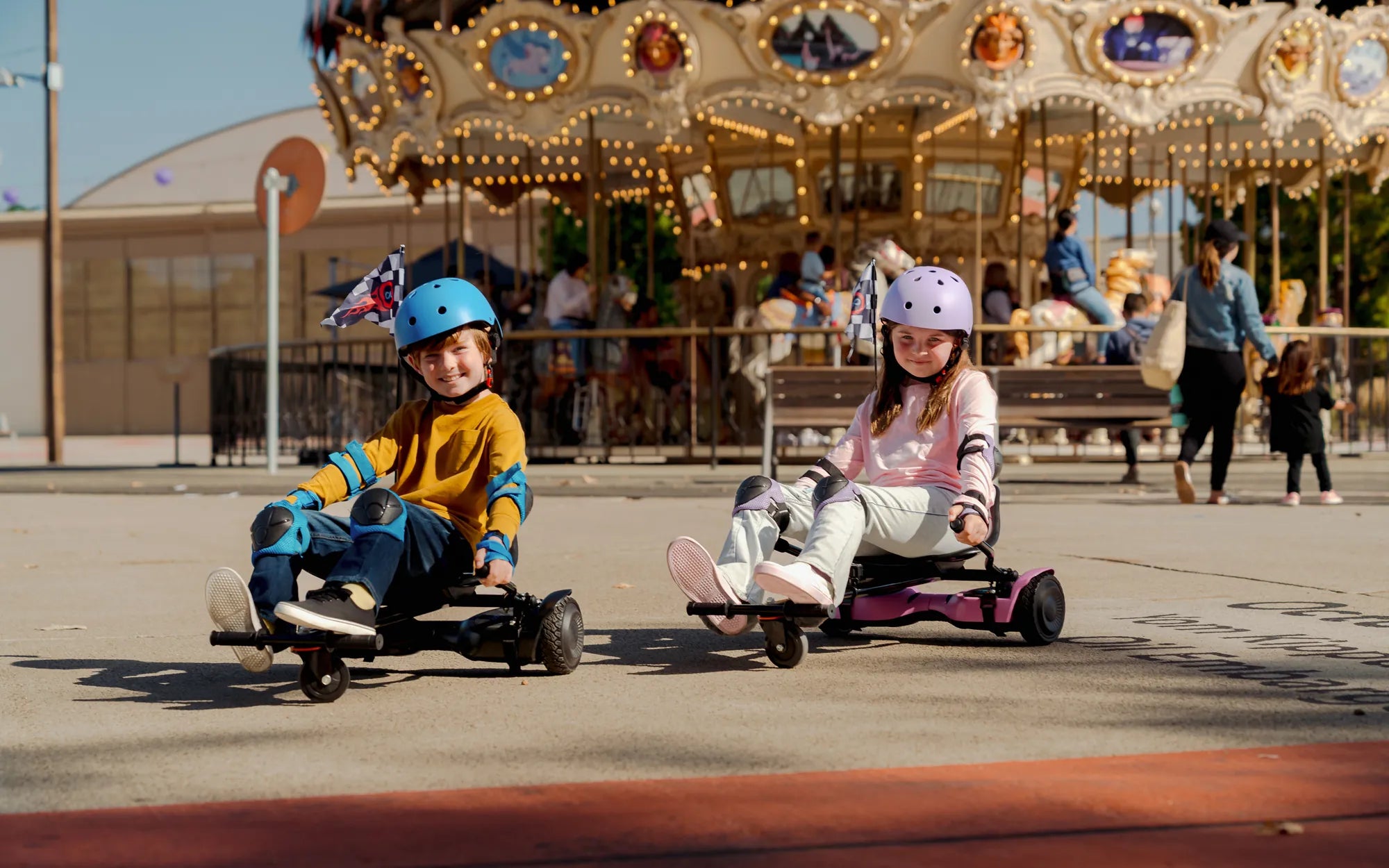
Introduction: Why a Smart Kick Scooter is More Than Just a Toy
Choosing the right first scooter for your child is a significant decision. A smart kick scooter for kids represents a pivotal tool for physical development, outdoor confidence, and safe, independent play. It's an investment that goes beyond a simple toy, fostering coordination, balance, and a love for active exploration. This guide will equip you with the knowledge to navigate the market, understand critical safety features, and select a scooter that grows with your child.
Parents today are rightly concerned with durability, safety engineering, and age-appropriate design. A smart kick scooter for kids addresses these concerns by integrating thoughtful technology and robust construction. We'll explore what makes a scooter "smart," compare key models, and provide actionable advice for safe riding. As a leader in youth mobility, Gyroor engineers its products with these exact parent priorities in mind, merging play with proven safety standards.
What Makes a Scooter "Smart"? Key Features for Parents to Look For
The term "smart" in the context of kids' scooters refers to a combination of enhanced safety features, durable construction, and user-friendly design that prioritizes the rider's well-being and the product's longevity. It's about intelligent engineering that anticipates real-world use. Unlike basic models, a smart scooter is built to withstand daily adventures while actively protecting the young rider through its design and components.
Key differentiators include advanced braking systems, stability-focused geometry, and materials chosen for impact resistance. For models with lighting or electric-assist features, smart also implies certified electrical safety. The goal is to create a product that is as reliable as it is fun, reducing maintenance headaches and safety worries for parents. This foundational intelligence is what separates a quality scooter from a disposable toy.
Safety-First Engineering: Beyond the Basics
True safety engineering starts with the fundamentals. A lean-to-steer mechanism, where turning is initiated by body lean rather than sharp handlebar movements, promotes natural balance and prevents over-steering falls. The deck should be wide and covered with a non-slip, abrasive material to provide a stable, secure footing. These design choices are crucial for building a child's confidence and control.
The braking system is equally critical. A reliable rear fender brake, activated by stepping down, is a must-have for young riders. Some advanced models may include a supplementary hand-operated disc brake for more controlled stopping power. Every bolt, clamp, and weld point should be designed to withstand the vibrations and impacts of regular use, ensuring the scooter remains solid and predictable ride after ride.
Durability & Build Quality: Withstanding Kid-Powered Adventures
Durability is non-negotiable. The frame should be constructed from aircraft-grade aluminum alloy, offering an optimal strength-to-weight ratio. This material resists bending and corrosion while keeping the scooter light enough for a child to maneuver and carry. The steering column must be reinforced and feature a secure, easy-to-use locking mechanism to prevent accidental folding during use.
Wheels are a major wear point. High-rebound PU (polyurethane) wheels with strong, sealed bearings provide a smooth ride and long life. For all-weather capability, look for an IPX5 water-resistant rating. This means the scooter can withstand water jets from any direction, making it safe for riding through puddles, in light rain, or after a thorough cleaning—a practical feature for any active child.
Age-Appropriate Design: Matching Scooter to Developmental Stage
Selecting the right scooter size is paramount for safety and enjoyment. The primary factors are the child's height, weight, and motor skill development. A scooter that is too large or too small can be difficult to control and may discourage use. Most quality manufacturers provide clear age and height guidelines, which should be your starting point.
Adjustable handlebars are a key feature for longevity, allowing the scooter to grow with your child over several years. Wheel size also matters: smaller wheels (e.g., 120mm) offer quicker acceleration and are ideal for younger riders, while larger wheels (200mm+) provide better stability and roll over cracks and bumps more easily for older kids. Always respect the stated maximum weight limit to ensure structural integrity.
The Gyroor Advantage: Engineered for Young Riders
Gyroor approaches youth mobility with a philosophy centered on safety, durability, and thoughtful design. Trusted by over 100,000 riders across North America and Europe, the brand's commitment is reflected in its 4.5/5 average customer rating. This reputation is built on verifiable engineering choices that directly address parent concerns, from battery certification to weatherproof construction.
The core of the Gyroor advantage lies in its refusal to cut corners on safety-critical components. While the aesthetic appeal of LED lights and sleek designs is important, the underlying architecture is where true value is found. By focusing on these fundamentals, Gyroor creates smart kick scooters for kids that deliver reliable performance and peace of mind throughout childhood.
Uncompromising Safety: UL-Certified Power and Protection
For any scooter featuring electronic components like LED lighting systems, the battery is a critical safety component. Gyroor uses exclusively UL-certified battery packs. UL certification is the gold standard for electrical safety in North America, involving rigorous testing for overcharge protection, short-circuit prevention, and thermal stability. This certification is a concrete commitment to eliminating fire and electrical hazard risks.
This safety-first ethos is backed by a reliable 1-year comprehensive warranty, covering manufacturing defects in materials and workmanship. It's a testament to the brand's confidence in its build quality. For parents, this combination of certified safety hardware and strong warranty support transforms a purchase from a simple transaction into a trusted investment in their child's safe play.
Built to Last: IPX5 Water Resistance and Rugged Construction
The IPX5 water-resistant rating on Gyroor scooters is a feature with daily practical benefits. It means the scooter's electrical systems and core components are protected against low-pressure water jets from any direction. In real-world terms, a child can safely ride through wet pavement, encounter a surprise rain shower, or have their scooter washed off without causing internal damage or corrosion.
This durability extends to the physical construction. The use of reinforced aluminum alloys and high-abrasion components ensures the scooter can handle the drops, curb jumps, and general rough treatment that are part of a kid's adventurous ride. This ruggedness translates directly to long-term value, as the scooter remains safe and functional for years, potentially being passed down to younger siblings.
Growth-Friendly Adjustability and Support
Gyroor designs its kids' scooters with growth in mind. Many models feature easily adjustable handlebar heights, often with a simple quick-release lever or adjustable clamp. This allows the scooter to be perfectly fitted to a child's current height and then extended as they grow, often accommodating several years of use from a single purchase. Proper fit is essential for maintaining control and comfort.
Ownership support is part of the product experience. Gyroor provides accessible customer support for troubleshooting, parts inquiries, and warranty claims. This network ensures that if a question or issue arises, parents have a direct path to resolution, reinforcing the brand's commitment to its products and their riders long after the initial sale.
Choosing the Right Model: A Parent's Decision Matrix
Navigating the different models can be simplified by aligning the scooter's specifications with your child's age, skill level, and intended riding environment. The following table provides a comparative overview of typical scooter categories and their key attributes. This data-driven approach helps narrow down the options to find the best smart kick scooter for kids for your family's needs.
| Use Case & Age Range | Recommended Wheel Size | Key Features Focus | Adjustability & Weight Limit | Ideal Riding Environment |
|---|---|---|---|---|
| First Scooter (Ages 3-5) | 120mm - 145mm | Maximum stability, low deck height, lean-to-steer, wide base | 2-3 height settings, Limit: ~44 lbs (20 kg) | Flat driveways, smooth park paths |
| Confident Rider (Ages 6-9) | 160mm - 200mm | Durable construction, reliable fender brake, optional LED wheels for visibility | Multi-position handlebars, Limit: ~110 lbs (50 kg) | Neighborhood sidewalks, bike paths |
| Advanced/Commuter (Ages 9-12+) | 200mm+ Air-Filled | Front suspension, hand brake + fender brake, larger deck, carry strap | Full height range, Limit: ~154 lbs (70 kg) | Longer distances, varied terrain, school routes |
For the youngest riders (3-5), prioritize stability and simplicity. A three-wheel configuration or a very stable two-wheel design with a low deck is ideal. The goal is to build confidence. As children grow into the 6-9 range, durability and smooth-rolling wheels become key for longer adventures. For pre-teens, features that support commuting, like smoother air-filled tires and enhanced braking, align with their expanding independence and skill.
Safety Gear & Riding Etiquette: The Non-Negotiables
The smartest scooter is only one part of the safety equation. Proper protective gear is absolutely essential and non-negotiable for every ride. The cornerstone is a properly fitted helmet that meets ASTM or CPSC safety standards. It should sit level on the head, with the strap snug under the chin. Elbow and knee pads are also highly recommended, especially for beginners, to protect against common scrapes and falls.
Investing in high-visibility clothing or adding reflective stickers to the scooter and helmet is crucial for low-light conditions. Even with bright LED wheels, making the rider more conspicuous to drivers is a critical safety layer. Gear should be checked regularly for cracks, compromised straps, or other signs of wear and replaced immediately if damaged.
Riding etiquette is a teachable moment that fosters responsibility. Children should be taught to always ride on sidewalks or designated paths, not in the street. They must yield to pedestrians, announce themselves politely when passing, and be extra cautious around driveways and intersections. A fundamental rule is to always walk the scooter across streets, using crosswalks when available.
Establish clear home rules about where riding is permitted. Empty parking lots or smooth-paved parks are excellent for practice. Set boundaries regarding distance from home and always insist on adult supervision for younger children. Regularly reviewing these rules helps internalize safe habits, ensuring the scooter remains a source of joy, not risk.
Maintenance 101: Keeping the Scooter in Top Shape
Regular, simple maintenance ensures the scooter remains safe and extends its lifespan. A quick pre-ride check should become a habit. Firmly grasp the handlebars and try to wiggle them; there should be no looseness or play. Check that the folding mechanism (if present) is fully locked and secure. Visually inspect the wheels for significant wear, cracks, or debris lodged in them.
Monthly, take a few minutes for a more thorough inspection. Use the provided tools (usually an Allen key) to check the tightness of all visible bolts, especially those on the handlebar clamp, stem, and wheel axles. Test the brake function—the rear fender should engage smoothly and bring the wheel to a stop without excessive force. For air-filled tires, maintain the recommended PSI for optimal performance.
Cleaning is straightforward thanks to IPX5 water resistance. Use a damp cloth to wipe down the deck, frame, and wheels. Avoid high-pressure hoses directed at bearings or brake components. For stubborn dirt, a mild soap solution is safe. Ensure the scooter is dried off before storage. Store the scooter in a dry place, avoiding prolonged exposure to direct sunlight or extreme temperatures, which can degrade materials over time.
If you notice persistent issues like a wobbly wheel, a brake that doesn't engage fully, or unusual noises from the bearings, consult the manufacturer's support. Addressing small problems promptly prevents them from becoming safety hazards or causing more extensive damage. This proactive care routine is part of responsible ownership.
Frequently Asked Questions (FAQs) for Concerned Parents
Q1: What age is appropriate for a first kick scooter?
Most children are ready for a basic two-wheel kick scooter between ages 5 and 6, when they have developed sufficient balance and coordination. For children ages 3-5, a three-wheel scooter (often two wheels in front) provides the extra stability needed to learn steering and kicking mechanics safely. Always assess your individual child's physical confidence and motor skills.
Q2: Are LED lights and other "smart" features just a gimmick?
No, when implemented correctly, they serve important functions. LED lights, especially in wheels or on the deck, significantly increase a child's visibility to drivers during dusk, dawn, or overcast days, directly enhancing safety. Other features like app connectivity for ride tracking (in advanced models) can be engaging for older kids and provide peace of mind for parents monitoring route safety.
Q3: How do I maintain my child's scooter to ensure it stays safe?
Follow a simple routine: 1) Before each ride, check that all clamps and bolts are tight and the brakes work. 2) Monthly, inspect wheels for wear and ensure bearings spin smoothly. 3) Keep it clean with a damp cloth; IPX5 rating allows for washing off mud. 4) Store indoors to protect from weather extremes. 5) Immediately address any loose parts or changes in handling.
Q4: What does the Gyroor 1-year warranty cover?
The Gyroor warranty is a comprehensive 1-year guarantee against defects in materials and workmanship under normal use. This covers issues with the frame, steering mechanism, brakes, and electronic components like LED systems. It does not cover damage from accidents, misuse, neglect, or normal wear and tear on consumable parts like wheels. The warranty process is supported by their customer service team.
Q5: Can a kick scooter handle surfaces like gravel or grass?
Traditional kick scooters with small, hard PU wheels are designed for smooth, paved surfaces like concrete, asphalt, and smooth bike paths. They perform poorly on gravel, grass, or dirt, as the small wheels sink in and lose momentum. For mixed terrain, look for models with larger, air-filled (pneumatic) tires, which provide better traction and shock absorption for rougher ground.
Investing in Confidence and Joy
Selecting the right smart kick scooter for kids is a decision that impacts your child's outdoor experience, physical development, and sense of independence. By prioritizing verified safety features like UL-certified components, durable construction with IPX5 resistance, and age-appropriate design, you invest in a product that delivers lasting value and, most importantly, peace of mind. The goal is to provide a tool that empowers fun while minimizing risk.
The journey doesn't end at purchase. Pairing a quality scooter with consistent safety gear use and clear riding rules creates a complete framework for safe adventure. A well-chosen scooter becomes a catalyst for outdoor play, physical activity, and cherished childhood memories. It’s an investment in confidence—for your child as they master a new skill, and for you as a parent providing a safe avenue for exploration.
Ready to find the perfect scooter for your young adventurer? Explore a range of thoughtfully engineered options designed with safety and durability as the foundation. Browse the full Gyroor collection at gyroorboard.com and discover a smart kick scooter built to inspire confidence on every ride.
Kids Scooter 7 Years: The Ultimate Guide to Choosing the Perfect Ride
Mini Smart Balancing Scooter: The Future of Urban Mobility