



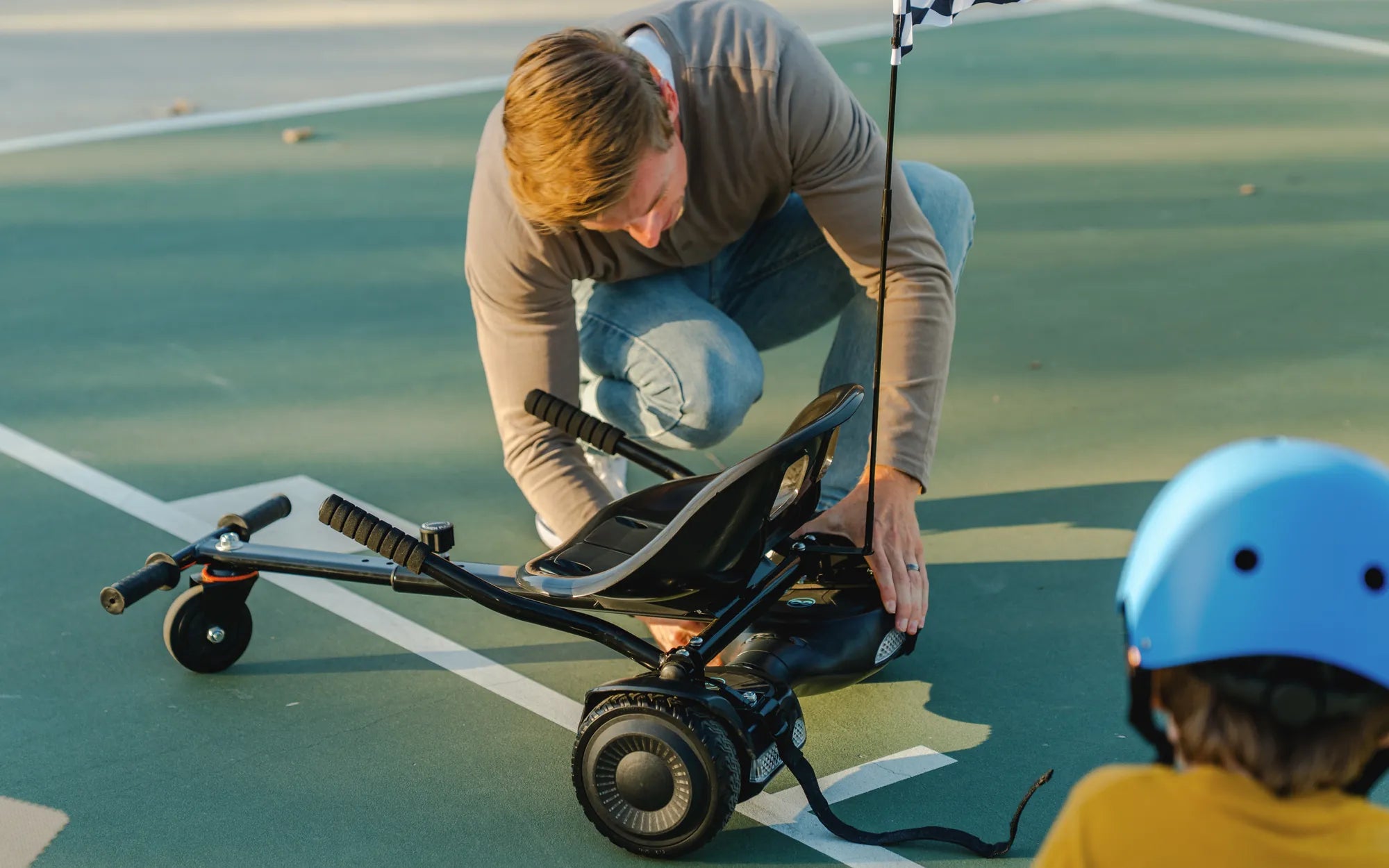
Imagine gliding effortlessly down the street, the wind in your hair, as you effortlessly maneuver past pedestrians and obstacles. Someone riding a hoverboard isn't just a scene from a sci-fi movie—it's a reality that's transforming the way we think about personal transportation. Whether you're a tech enthusiast or simply curious about the latest trends, hoverboards offer a glimpse into a future where convenience and fun collide.
The Technology Behind Hoverboards
At first glance, a hoverboard might seem like magic, but its operation is rooted in cutting-edge technology. These self-balancing scooters rely on gyroscopic sensors and electric motors to keep riders upright and moving smoothly. When someone riding a hoverboard leans forward, the sensors detect the shift and activate the motors to propel the board forward. Leaning backward slows it down or reverses direction, offering intuitive control.
The batteries powering hoverboards are typically lithium-ion, providing enough juice for several miles of travel on a single charge. Charging times vary, but most models are ready to go in a few hours. Advanced models even feature Bluetooth connectivity, allowing riders to customize settings or track performance via smartphone apps.
Why Hoverboards Are Gaining Popularity
Someone riding a hoverboard isn't just a novelty—it's a practical solution for short commutes. Urban dwellers, in particular, appreciate the convenience of zipping through crowded streets without the hassle of parking or traffic. Hoverboards are also eco-friendly, producing zero emissions and consuming far less energy than traditional vehicles.
Beyond practicality, hoverboards are undeniably fun. They offer a unique way to explore your surroundings, whether you're cruising through a park or navigating your neighborhood. The learning curve is relatively short, making them accessible to riders of all ages. With practice, even tricks and stunts become possible, adding an element of excitement to the experience.
Safety Tips for Riding a Hoverboard
While someone riding a hoverboard looks effortless, safety should always come first. Beginners should start on flat, smooth surfaces to get comfortable with balancing and steering. Wearing protective gear—such as helmets, knee pads, and wrist guards—can prevent injuries in case of a fall.
It's also important to check local regulations, as some cities have restrictions on where hoverboards can be used. Avoid riding in wet conditions, as water can damage the electronics and increase the risk of slipping. Regular maintenance, like checking tire pressure (for models with wheels) and ensuring the battery is in good condition, will keep your hoverboard running smoothly.
The Future of Hoverboards
As technology advances, the possibilities for hoverboards are endless. Future iterations could feature longer battery life, faster speeds, and even AI-assisted navigation. Some prototypes are experimenting with magnetic levitation, bringing us closer to the floating boards seen in movies.
The integration of hoverboards into smart cities could revolutionize last-mile transportation. Imagine hopping off a bus or train and seamlessly switching to your hoverboard for the final leg of your journey. With continued innovation, hoverboards may soon become as commonplace as bicycles or scooters.
From their futuristic appeal to their practical benefits, hoverboards are more than just a passing trend. Someone riding a hoverboard today is part of a movement toward smarter, more sustainable mobility. Whether you're a commuter, an adventurer, or just someone who loves cutting-edge tech, there's never been a better time to join the ride.
Go Hoverboard UK: The Ultimate Guide to Choosing and Riding Safely
Hoverboard Red Light Fix: A Step-by-Step Guide to Troubleshooting and Repair