

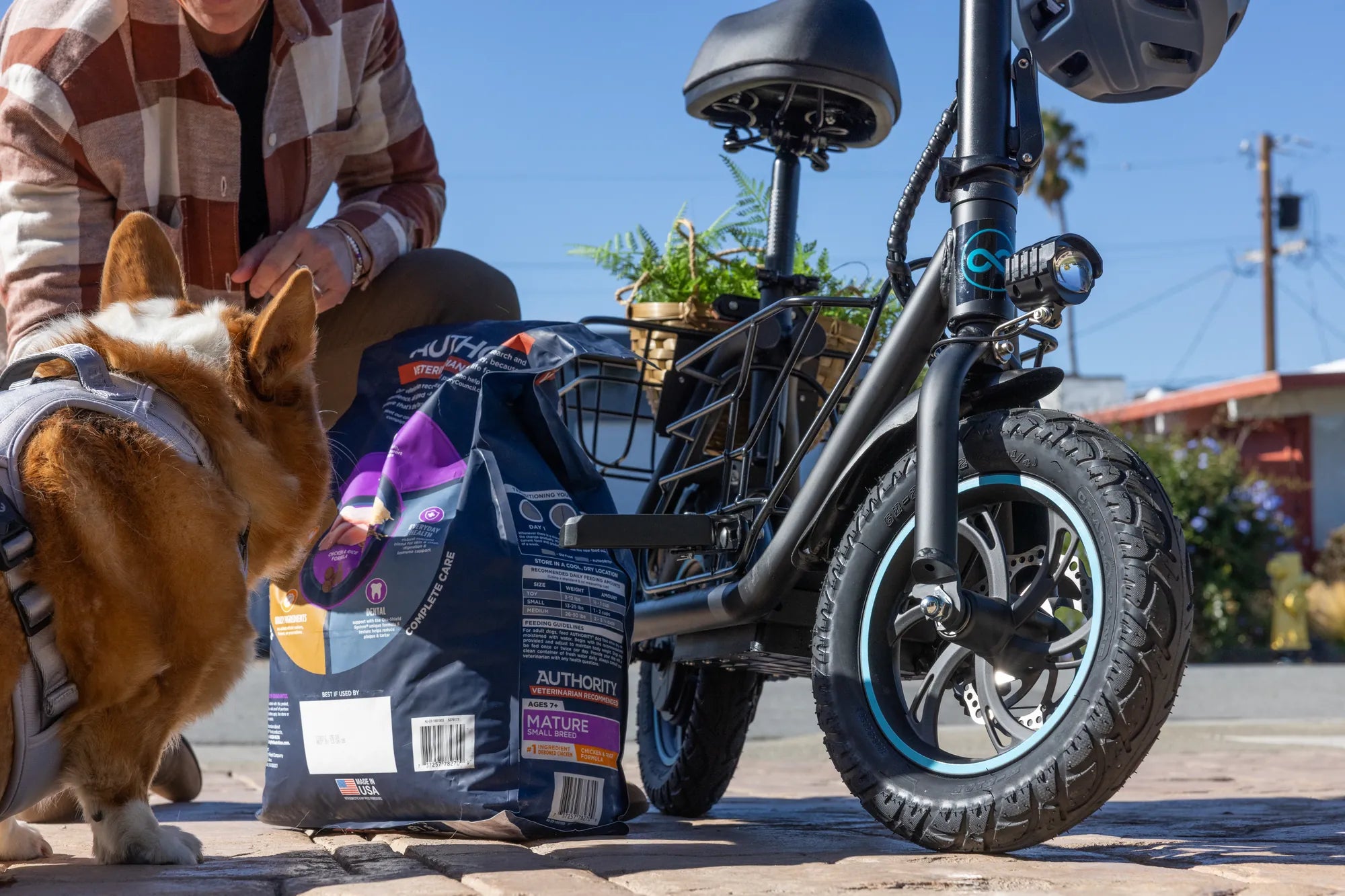
The electric scooter revolution is here, and there's never been a better time to start your own e scooter business. With cities embracing micro-mobility and consumers demanding eco-friendly transport options, the market is ripe for entrepreneurs ready to ride this wave. Whether you're looking to launch a rental fleet or sell premium personal scooters, this guide will walk you through every step to turn your electric dreams into reality.
Understanding the E Scooter Market Landscape
The global e scooter market has exploded in recent years, with projections showing continued growth as urban populations seek sustainable transportation alternatives. Before diving in, it's crucial to analyze current trends, including preferred scooter models, pricing strategies, and consumer behavior patterns. Market research should focus on identifying gaps in your local area - perhaps there's demand for high-performance models that current providers aren't meeting, or maybe your city lacks affordable rental options for tourists.
Developing Your Business Model
Will you operate a rental service, sell scooters directly to consumers, or combine both approaches? Each model comes with distinct considerations. Rental operations require careful fleet management and maintenance systems, while retail businesses need strong supplier relationships and marketing strategies. Many successful startups begin with one model and expand into complementary services as they grow. Consider subscription models, corporate partnerships, or specialized offerings like off-road scooters to differentiate your business.
Legal Requirements and Safety Compliance
Navigating regulations is critical when you start your own e scooter business. Local laws vary significantly regarding where scooters can operate, speed limits, helmet requirements, and parking rules. You'll need proper business licensing, insurance coverage, and potentially special permits for rental operations. Stay ahead of evolving legislation by joining industry associations and consulting with legal experts familiar with micro-mobility regulations in your target markets.
Sourcing Quality Equipment
Your scooters' quality will directly impact customer satisfaction and maintenance costs. Look for durable frames, reliable batteries, and weather-resistant components. For rental businesses, prioritize models with tracking capabilities and theft-resistant features. Establish relationships with multiple suppliers to ensure consistent inventory and negotiate better pricing as your business scales. Always test equipment thoroughly before large purchases.
Building Your Operational Infrastructure
Successful e scooter businesses require robust systems for charging, maintenance, and distribution. Design efficient charging stations and storage facilities, considering power requirements and space limitations. Develop preventive maintenance schedules to maximize fleet uptime. For rental operations, implement user-friendly apps with GPS tracking, payment processing, and customer support features. Logistics planning is equally important for retail businesses to ensure timely deliveries and after-sales service.
Marketing Strategies That Drive Adoption
Effective marketing is essential when you start your own e scooter business. Highlight environmental benefits, cost savings compared to cars, and convenience factors in your messaging. Partner with local businesses, universities, and tourism boards to reach key demographics. Leverage social media to showcase happy riders and share testimonials. Consider referral programs and first-ride discounts to overcome initial consumer hesitation. For retail businesses, offering test rides and financing options can significantly boost conversions.
Financial Planning for Long-Term Success
Create detailed financial projections covering startup costs, operating expenses, and revenue streams. Rental businesses must account for depreciation, maintenance, and potential vandalism costs. Retail operations need inventory management systems and sales cycle analysis. Explore funding options including small business loans, angel investors, or crowdfunding campaigns. Implement dynamic pricing strategies for rentals based on demand patterns, and consider seasonal promotions for retail sales.
Overcoming Common Challenges
Every new e scooter business faces obstacles like regulatory changes, competition, and public perception issues. Develop contingency plans for potential scooter bans in certain areas. Build community goodwill by addressing parking concerns and promoting responsible riding. Stay adaptable by monitoring industry trends and being ready to pivot your offerings. Customer education initiatives about safety and proper scooter use can reduce accidents and improve your brand reputation.
Scaling Your E Scooter Business
Once established, consider expansion opportunities like adding more vehicles, entering new markets, or diversifying into related electric vehicles. Franchising your business model can accelerate growth while minimizing risk. Invest in data analytics to identify high-demand locations and optimize fleet distribution. As you scale, maintain your commitment to quality service and environmental sustainability to stand out in an increasingly competitive market.
The road to e scooter business success starts with thorough preparation and a passion for sustainable transportation. By following this comprehensive guide, you'll be well-equipped to navigate challenges and capitalize on the enormous potential of the electric scooter revolution. Imagine the satisfaction of building a profitable business while helping your community reduce traffic congestion and carbon emissions - that future starts today with your decision to start your own e scooter venture.
Electric Moped Bike for Adults: The Ultimate Urban Commuting Solution
Top Scooter Companies E Scooter: Leaders in the Electric Revolution