



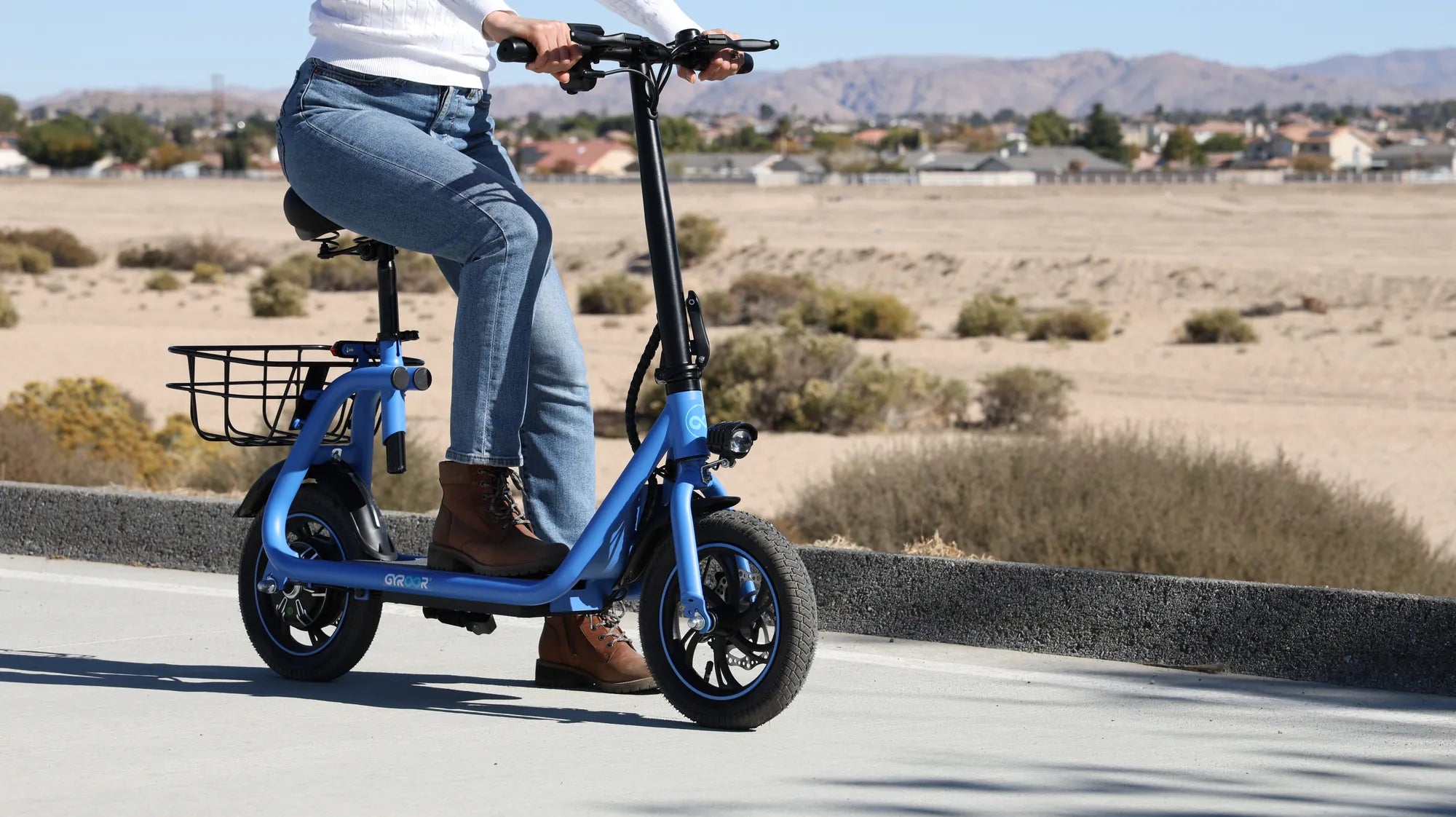
Introduction to Starter E-Bikes
Choosing a starter e bike is the first step into a new era of personal mobility. An e-bike, or electric bicycle, is a standard bicycle equipped with a battery-powered motor that provides pedal assistance, making riding easier, faster, and more accessible. For a new rider, a starter model is designed to be user-friendly, reliable, and offer exceptional value, serving as a practical gateway to commuting, recreation, and errands without the intimidation of complex, high-performance machines.
The global shift towards sustainable and efficient urban transport has propelled e-bikes into the mainstream. They are no longer niche gadgets but practical tools that flatten hills, extend range, and make cycling a viable daily option for millions. A well-chosen starter e bike can transform a 10-mile commute from a sweaty chore into an enjoyable, car-free journey, while also encouraging more frequent trips to the store or park.
This guide is crafted for the first-time buyer. We will dissect the critical components, from motor types to battery safety, and provide data-driven comparisons to help you make an informed decision. The goal is to move beyond marketing hype and focus on the tangible features that ensure a safe, enjoyable, and durable riding experience from day one.
Why a Starter E-Bike is Your Best First Choice
The primary advantage of a starter e bike is its ability to remove traditional barriers to cycling. Physical exertion, distance, and hills often deter potential riders. An e-bike's motor assistance mitigates these factors, making cycling accessible to a wider range of fitness levels and ages. It's not about replacing pedaling; it's about augmenting your effort to make every ride more practical and pleasant.
For commuting, reliability is paramount. A starter e bike provides a consistent and predictable travel time, largely unaffected by traffic congestion. You can arrive at your destination without being drenched in sweat, thanks to the ability to control your exertion level. This makes an e-bike a legitimate car alternative for trips under 20 miles, with significant savings on fuel, parking, and public transport costs.
Beyond practicality, a starter e bike encourages a more active lifestyle. Riders often find themselves cycling more frequently and for longer distances than they would on a traditional bike. The assisted ride reduces the perceived effort, making it easier to choose the bike over the car for short trips, thereby integrating low-impact exercise seamlessly into daily routines.
Finally, the emotional benefit is profound. The feeling of effortless acceleration, the wind in your face without the strain, and the freedom to explore your city opens up a new dimension of personal freedom. A starter e bike is an investment in joy, health, and independence, all while reducing your carbon footprint.
Key Features to Look for in Your First E-Bike
Navigating the specifications of a starter e bike can be daunting. Focusing on a few core features will ensure you select a model that delivers safety, performance, and longevity. Prioritize proven technology from reputable brands over flashy, unverified claims.
Motor Type and Power: Hub vs. Mid-Drive
The motor is the heart of your e-bike. For a starter e bike, a rear-hub motor is often the most recommended and cost-effective choice. It is integrated into the rear wheel hub, providing direct power to the wheel. Hub motors are known for their simplicity, reliability, and low maintenance. They offer ample power for flat to moderately hilly urban terrain, making them ideal for the casual commuter or recreational rider.
Mid-drive motors, located at the bike's crank and pedals, offer superior torque and efficiency on steep hills by leveraging the bike's gears. However, they are typically more expensive, complex, and can place more strain on the drivetrain. For a first-time buyer focused on paved paths and city streets, the hub motor in a starter e bike provides the best balance of performance, price, and ease of use.
Battery Range and Reliability
Battery specifications are critical. Look beyond the advertised "mile range," which is based on ideal conditions. Instead, focus on the battery's watt-hour (Wh) rating. This figure (Voltage x Amp-hours) represents the total energy capacity. A higher Wh rating generally means a longer potential range. For a starter e bike, a battery in the 400-500Wh range is a solid starting point for most urban commutes.
More important than capacity is safety and build quality. Insist on a battery pack that is UL-certified. This independent certification means the battery has passed rigorous safety tests for electrical, mechanical, and fire hazards. Brands like Gyroor use UL-certified battery packs tested for over 500 charge cycles, ensuring long-term reliability and peace of mind—a non-negotiable feature for any starter e bike.
Build Quality and Warranty
The frame and components determine the bike's durability and ride feel. A robust aluminum alloy frame is standard for quality starter e bikes. Pay attention to the quality of welds, paint finish, and component brands. Features like integrated wiring and cable management not only look cleaner but also protect electrical connections from the elements.
A comprehensive warranty is your safety net. A reputable brand will offer at least a 1-year warranty on the frame, motor, and battery. This demonstrates confidence in their product. Additionally, look for an IPX5 water-resistance rating. This means the bike can withstand water jets from any direction, making it capable of handling rain and wet roads, which is essential for real-world, all-weather commuting on your starter e bike.
Comfort and Geometry
Comfort is king for a new rider. A comfortable starter e bike encourages longer, more frequent rides. Frame geometry is key. A step-through frame (low or no top tube) is excellent for easy mounting and dismounting, ideal for riders wearing regular clothes or those with limited mobility. A step-over frame offers a more traditional cycling feel and can provide slightly more rigidity.
Adjustable components are crucial. Ensure the stem and seat post can be easily adjusted to achieve a comfortable, upright riding position that doesn't strain your back, neck, or wrists. A quality, wide saddle and ergonomic grips further enhance comfort. Don't underestimate the importance of a proper test ride to assess fit before purchasing your starter e bike.
Starter E-Bike vs. Traditional Bike & Scooter: A Data-Driven Look
To understand the unique value proposition of a starter e bike, it's helpful to compare it directly with a traditional bicycle and a stand-up electric scooter. The following table breaks down key metrics for a typical urban use case.
| Feature / Metric | Traditional Bicycle | Starter E-Bike | Electric Scooter |
|---|---|---|---|
| Avg. Commute Speed (mph) | 10-12 | 15-20 (with assist) | 15-18 |
| Effective Range (miles) | Limited by rider fitness | 20-40 (on a charge) | 15-25 |
| Cargo Capacity | Good (with racks) | Excellent (with racks & motor assist) | Very Low |
| Physical Exertion | High | Moderate to Low (adjustable) | Low (standing) |
| Fitness Benefit | High | Moderate to High (you still pedal) | Very Low |
| Terrain Handling | Good (with gears) | Excellent (motor assist on hills) | Poor (small wheels, rough roads) |
| Parking & Portability | Easy | Moderate (heavier) | Very Easy (foldable) |
| Upfront Cost | $ | $$ | $ - $$ |
| Cost-per-Mile (energy) | $0.00 | ~$0.04 | ~$0.03 |
The data shows that a starter e bike occupies a unique sweet spot. It significantly outperforms a traditional bike in speed, range, and hill-climbing with less exertion, while offering superior stability, comfort, and cargo capacity compared to an electric scooter. The moderate fitness benefit is a major advantage over a scooter, as you remain active. For a versatile, primary transport solution, the starter e bike is the most balanced and capable choice.
Top Considerations Before Your First Purchase
Before finalizing your starter e bike purchase, address these practical considerations to ensure a smooth ownership experience. First, understand your local e-bike laws. In the U.S., e-bikes are classified into three categories. Class 1: Pedal-assist only, no throttle, max assisted speed 20 mph. Class 2: Has a throttle, max assisted speed 20 mph. Class 3: Pedal-assist only, max assisted speed 28 mph. Know which classes are permitted on bike paths and trails in your area.
Never buy a starter e bike without a test ride. The feel of the motor engagement, the comfort of the saddle, the responsiveness of the brakes, and the overall balance are subjective and must be experienced. Visit a local dealer or look for brands that offer a reasonable trial period. This is the only way to know if the bike truly fits you.
Budget for the total cost of ownership. The price of the starter e bike is just the beginning. Essential accessories include a high-quality U-lock ($80-$150), a helmet ($50-$150), front and rear lights ($30-$100), and possibly fenders and a rear rack. Factor these into your initial budget. Also, inquire about local service options. While many components are standard, having a local shop familiar with e-bike systems for tune-ups and repairs is invaluable.
Finally, consider your storage and charging logistics. Where will you park the bike at home and work? Is there a secure, dry location? Can you easily remove the battery to bring indoors for charging? Planning for these daily routines will prevent headaches and protect your investment.
FAQs for First-Time E-Bike Buyers
Q: How far can I really go on a single charge with a starter e bike?
A: The realistic range depends on battery capacity (Wh), rider weight, terrain, wind, and assist level. A 500Wh battery on low to medium assist can typically achieve 30-45 miles on flat ground for an average rider. Using maximum assist on hilly routes will reduce this. Always consider the manufacturer's range an optimistic maximum and plan for a 20-30% buffer.
Q: Is it extremely difficult to pedal if the battery dies?
A> No. A starter e bike is still a functional bicycle. The main added weight is the battery and motor (usually 15-20 lbs extra compared to a regular bike). If the battery depletes, you can pedal it home, though it will feel heavier, especially on hills. It's not designed for long distances without power, but it is not immobilized.
Q: How much maintenance does a starter e bike need?
A> It requires standard bicycle maintenance: keeping tires inflated, cleaning and lubricating the chain, and checking brake pads. The electrical system (motor, battery, display) generally needs very little maintenance. The most important task is proper battery care: avoid complete discharges, store in a cool, dry place, and use the manufacturer-provided charger.
Q: Where am I allowed to ride my starter e bike?
A> This varies by locality. Generally, Class 1 and Class 2 e-bikes are allowed anywhere a traditional bicycle is allowed: bike lanes, paths, and roads. Class 3 e-bikes may be restricted from certain bike paths. Always check state and local regulations. Regardless of class, always yield to pedestrians and follow standard traffic laws.
Q: Are starter e bikes safe in the rain?
A> A quality starter e bike with a proper IPX5 water-resistance rating is built to handle rain and wet roads safely. The electrical connections are sealed. However, you should avoid submerging the bike in deep puddles. After a wet ride, gently wipe down the bike, especially the electrical contacts and battery port. Using fenders is highly recommended to keep water and road spray off you and the bike's components.
Conclusion: Start Your Journey with Confidence
Embarking on your electric cycling journey with the right starter e bike is a decision that pays dividends in freedom, health, and daily convenience. By prioritizing key features like a reliable hub motor, a UL-certified battery, robust build quality with a strong warranty, and ergonomic comfort, you set the foundation for a positive and lasting experience. The data clearly shows that an e-bike offers a superior blend of efficiency, capability, and enjoyment compared to traditional alternatives.
Your first e-bike should be a trusted companion, not a source of anxiety. This is why choosing a brand with a proven track record in safety and customer support is paramount. Brands like Gyroor, a leading electric mobility brand trusted by over 100,000 riders, engineer their e-bikes with these principles at the core: UL-certified batteries for safety, IPX5 water-resistant designs for durability, and a reliable 1-year warranty for peace of mind.
Take the insights from this guide, define your needs, and make your choice with confidence. The road ahead is waiting to be explored with ease and excitement. Ready to find the perfect starter e bike to begin your adventure?
Browse the full collection of UL-certified, high-performance e-bikes and scooters designed for real riders at gyroorboard.com.
100 Dirt Bike Helmet: The Ultimate Guide to Off-Road Protection & Performance
Do I Need a Motorcycle License for a Trike? A Complete 2024 Guide