



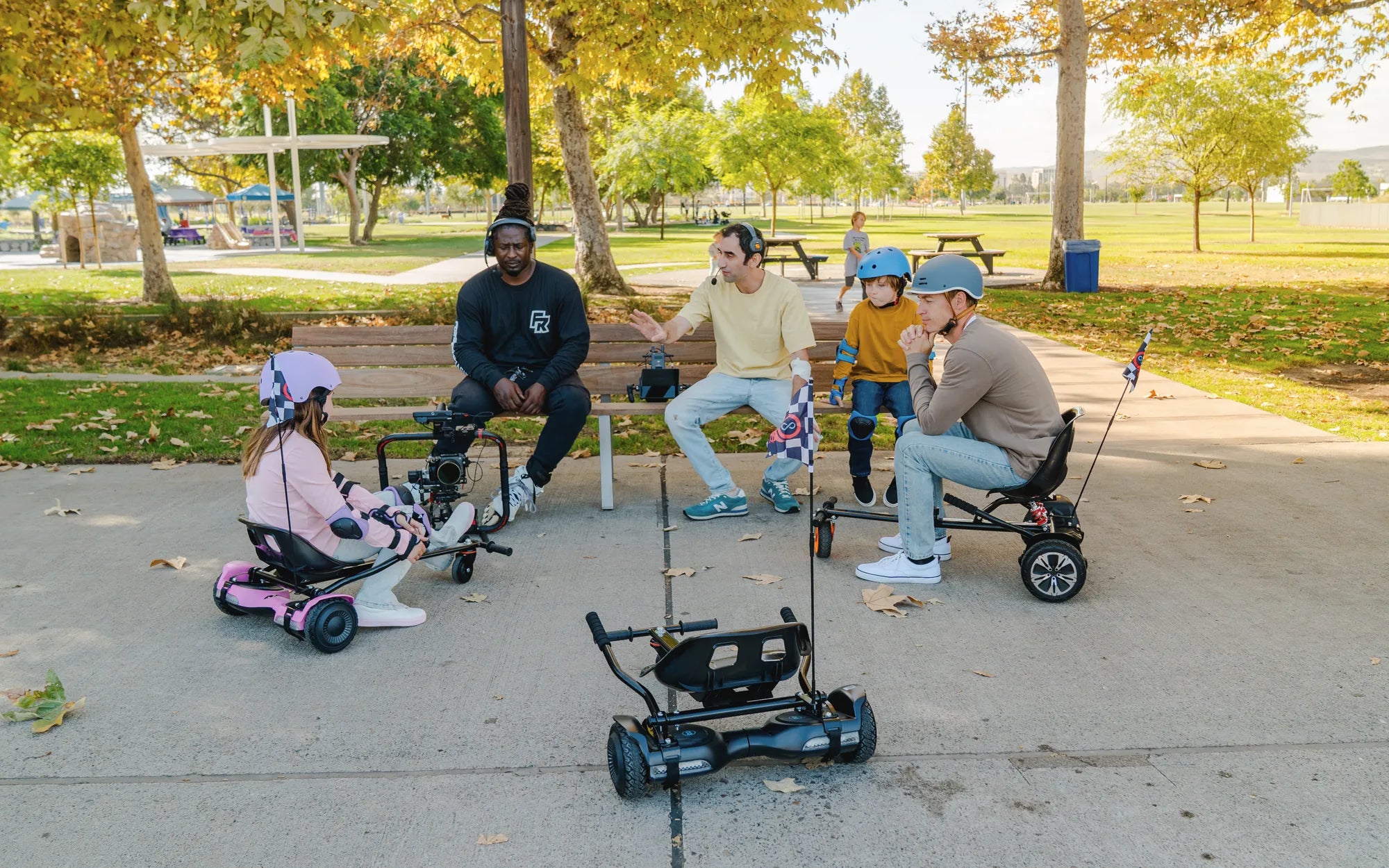
Choosing the right scooter for your child is about more than just picking a color. It's a critical decision that directly impacts their safety, confidence, and enjoyment. This guide zeroes in on the single most important factor: sturdiness. A sturdy scooter for kids provides the stable foundation for everything from a toddler's first wobbly pushes to a pre-teen's confident cruises. We will dissect the engineering behind durable scooters, outline non-negotiable safety features, and provide a clear framework for selecting a model that offers lasting value and peace of mind.
Why a Sturdy Scooter is the Foundation for Kids' Fun and Safety
A flimsy scooter isn't just a disappointment; it's a safety hazard. Wobbly handlebars, flexing decks, and poor-quality brakes can lead to falls, loss of control, and a quick end to the fun. Conversely, a well-constructed, sturdy scooter builds a child's confidence. It responds predictably, absorbs bumps, and withstands the inevitable drops and scrapes of active play.
This sense of reliability allows children to focus on developing their skills and enjoying the ride. For parents, a sturdy scooter represents a smart investment. It often survives multiple growth spurts and siblings, avoiding the cycle of frequent, cheap replacements. Brands that prioritize durability, like Gyroor, engineer their youth models from the ground up with reinforced materials and rigorous testing, ensuring the scooter is a tool for adventure, not a source of worry.
Decoding "Sturdy": Key Features of a Durable Kids' Scooter
The term "sturdy" encompasses several interconnected physical and mechanical attributes. It's the sum of high-quality parts assembled with precision to create a cohesive, resilient unit.
Frame and Deck Construction
The frame is the scooter's skeleton. Look for frames made from reinforced aluminum alloys, which offer an excellent strength-to-weight ratio. They are resistant to rust and can handle significant stress without bending. The deck, where the child stands, must be wide enough for a stable footing and textured to prevent slips.
A sturdy deck does not flex under weight. Gyroor designs its decks with a low center of gravity and uses robust welding at all critical joints. This rigid construction ensures that the rider's input—whether steering or braking—is translated directly to the scooter's movement without energy loss or flex.
Wheel Quality and Suspension Systems
Wheels are the primary contact point with the ground. Larger polyurethane (PU) wheels (e.g., 200mm+) roll more smoothly over cracks and debris than smaller, plastic wheels. High-rebound PU offers better shock absorption and wear resistance.
For riding on rougher surfaces, a suspension system is a key component of sturdiness. A front or dual spring suspension absorbs impacts from bumps, keeping the deck stable and the rider in control. This not only increases comfort but also reduces strain on the scooter's frame and components, contributing to its longevity.
Braking System Reliability
A sturdy braking system is responsive, durable, and intuitive for a child to use. The rear foot brake is a common and effective design for kick scooters; pressing down on the fender over the rear wheel should provide smooth, progressive stopping power without jerking.
For electric scooters, a combination of electronic braking (regenerative) and a mechanical disc or drum brake is ideal. The system must be sealed against dust and moisture to maintain consistent performance. A reliable brake is a non-negotiable safety feature that complements the scooter's structural integrity.
Safety First: Non-Negotiable Features Beyond Sturdiness
Sturdiness provides the platform, but dedicated safety features complete the protective ecosystem. These elements work in tandem to create a secure riding experience.
Adjustability and Proper Fit
A scooter that doesn't fit a child properly is inherently unsafe. Adjustable handlebar height is essential. When standing on the deck, the handlebars should be approximately waist-high, allowing for a slight bend in the elbows for optimal control.
This adjustability extends the scooter's usable life by years, accommodating growth spurts. A proper fit prevents hunching over, which can lead to fatigue and loss of balance, ensuring the child maintains a stable, upright posture.
Stability Enhancements: Wheelbase and Design
Stability is engineered. A longer wheelbase—the distance between the front and rear axles—increases stability at higher speeds and during turns, making the scooter less prone to tipping. The steering column's angle (rake) also influences handling; a more vertical column offers quicker, more responsive turns, while a slanted angle provides more stable, straight-line tracking.
Wider handlebars offer greater leverage for steering control. These geometric factors, combined with a sturdy frame, determine how predictably and safely the scooter handles in real-world conditions.
Visibility and Additional Protections
Active and passive visibility features are crucial, especially for dusk or evening rides. Reflective stickers on the deck and wheels are a basic start. Integrated LED headlights and taillights, like those found on many Gyroor electric models, dramatically improve visibility to others.
Finally, the sturdiest scooter must be paired with personal protective gear. A properly fitted helmet is mandatory. Knee and elbow pads are strongly recommended, especially for beginners. This layered approach—sturdy scooter plus protective gear—minimizes risk.
Comparing Scooter Types for Different Kids and Terrains
Choosing the right type of sturdy scooter depends on your child's age, skill, and where they'll ride. The following table compares the key considerations.
| Scooter Type | Best For Age | Ideal Terrain | Key Sturdy Features to Look For | Considerations |
|---|---|---|---|---|
| 3-Wheel Kick Scooter | 2-5 years (Toddlers) | Smooth pavement, indoor floors | Extra-wide deck, two front wheels for stability, low-to-ground design, lightweight but robust frame. | Focus on maximum stability for learning. Limited speed potential. |
| 2-Wheel Kick Scooter | 5-12 years (Kids) | Sidewalks, paved paths, skate parks | Reinforced aluminum frame, high-rebound PU wheels (120mm+), reliable foot brake, adjustable handlebars. | The classic choice for developing balance and coordination. Requires more skill than 3-wheel models. |
| Electric Scooter (Youth) | 8+ years (Pre-teens/Teens) | Smooth to moderately rough pavement | UL-certified battery pack, robust motor housing, dual braking system, IPX5+ water resistance, speed limiters. | Adds power and range. Requires teaching responsible riding habits and battery safety. |
The Gyroor Advantage: Engineering Trust for Young Riders
Gyroor applies the principles of sturdiness and safety directly to its product development. As a leader in personal electric mobility, trusted by over 100,000 riders, the brand's engineering ethos translates clearly to its youth-oriented models.
Built to Last: Materials and Warranty
Gyroor constructs its scooters from aerospace-grade aluminum alloys, using precision welding and machining. This focus on material science results in frames that are both light for kids to maneuver and exceptionally strong. The commitment to durability is backed by a clear, comprehensive 1-year warranty covering the frame, battery, motor, and electronics against manufacturing defects.
This warranty, supported by accessible customer service, provides tangible peace of mind. It signals the brand's confidence in its products' longevity and its commitment to standing behind them.
Confidence in Any Conditions: IPX5 Water-Resistance
A key feature that extends a scooter's usable life and reliability is water resistance. Gyroor designs many of its models to an IPX5 rating. This means the electrical components are protected against sustained, low-pressure water jets from any direction.
In practical terms, a child can safely ride through puddles or in light rain without immediately risking damage to the motor, battery, or controller. This protection against the elements is a critical aspect of real-world sturdiness, ensuring the scooter isn't rendered useless by a damp day.
Age-Appropriate Performance and Control
Power without control is not safe. Gyroor engineers its electric scooters for young riders with carefully calibrated performance profiles. This includes speed limiters (often maxing at a safe 10-15 mph for youth models), smooth acceleration curves to prevent jerky starts, and progressive braking systems.
The goal is to deliver the thrill of electric power while maintaining a predictable, manageable ride that builds skill gradually. Parental control modes, available on some models, allow further restriction of speed as children learn.
Choosing the Right Model: A Parent's Checklist
Use this actionable checklist to evaluate options and find the perfect sturdy scooter for your child.
- Age & Skill Match: Refer to the manufacturer's age and weight recommendations. For beginners, prioritize stability (3 wheels or a very stable 2-wheel design). For experienced kids, consider performance features.
- Weight & Portability: Can your child easily lift and carry it? Is it foldable for storage or transport in a car?
- Terrain Test: Match wheel size and type to your primary riding surface. Larger, air-filled or soft PU tires with suspension are better for rough paths.
- Safety Feature Audit: Confirm the presence of reliable brakes, reflectors/LED lights, and non-slip deck tape. Ensure handlebar height is adjustable within your child's current and near-future range.
- Build Quality Inspection: Look for solid welds, tight fittings, no sharp edges, and a general feel of robustness, not hollow lightness.
- Brand Reputation & Support: Research the brand's history, warranty terms, and availability of replacement parts (like wheels and brake pads).
Maintenance Tips to Keep a Sturdy Scooter in Top Shape
Regular, simple maintenance preserves the sturdiness you invested in and ensures ongoing safety.
Weekly/Bi-Weekly Checks: Tighten all bolts and fasteners, especially on the folding mechanism, handlebars, and stem. Loose parts are a major source of wobble and failure. Inspect wheels for cracks, deep cuts, or uneven wear, and spin them to check for warping.
Monthly Maintenance: Test the braking system for responsiveness. For foot brakes, check the wear on the friction pad. For hand brakes, inspect the cable tension and pad alignment. Wipe down the scooter to remove dirt and grime that can accelerate wear on moving parts.
For Electric Scooters: Follow the specific battery care guidelines. Typically, this involves avoiding complete discharges, not overcharging, and storing in a cool, dry place. Keep the charging port cover closed when not in use. Periodically check all electrical connections and lights for function.
Frequently Asked Questions (FAQs)
What age is appropriate for a Gyroor electric scooter for kids?
Gyroor typically recommends its electric scooters for riders aged 8 and up, with a maximum weight limit specified per model (often around 150-170 lbs). This recommendation balances the physical size needed to control the scooter with the maturity required to understand safe riding practices. Always check the specific model's manual and assess your own child's coordination and responsibility level.
How does the IPX5 rating protect my child's scooter?
An IPX5 rating means the scooter's electrical components are protected against water projected by a nozzle (6.3mm) from any direction. This makes it resistant to heavy rain, splashing from puddles, and being hosed down gently for cleaning. It is not waterproof and should not be submerged or ridden through deep standing water. This rating significantly increases the scooter's durability for everyday use.
Is the 1-year warranty comprehensive?
Yes, Gyroor's standard 1-year warranty covers defects in materials and workmanship for the core components: the frame, battery, motor, and electronic controller. It is a manufacturer's warranty, meaning it applies when the product is used under normal conditions. It does not cover damage from accidents, misuse, or unauthorized modifications. Their US-based support team handles claims.
Can the speed be limited for a beginner?
Many Gyroor electric scooter models for kids come with multiple speed modes (e.g., Beginner, Eco, Sport). The Beginner mode often limits the scooter to a lower maximum speed (around 7-8 mph). Parents can set the scooter to this mode until the child demonstrates full control and confidence, then allow access to higher speeds as appropriate.
What is the most important maintenance task for safety?
The single most critical routine task is checking and tightening all bolts and clamps, particularly those securing the folding mechanism, handlebars, and stem. Vibration from riding can loosen these parts over time, leading to dangerous play and potential failure. A quick check with an Allen wrench before each major riding session is a highly effective safety habit.
Investing in Confidence and Joy
Selecting a sturdy scooter for your child is an investment that pays dividends in safe independence, physical activity, and pure fun. By prioritizing robust construction, certified safety features, and reliable brand support, you choose a product designed for the real world of active kids. A scooter like those engineered by Gyroor isn't just a toy; it's a durable tool for adventure that can grow with your child, fostering confidence with every ride. When you choose sturdiness, you're not just buying a scooter—you're enabling countless moments of joy with greater peace of mind.
Ready to explore scooters built to these exacting standards? Browse the full Gyroor collection at gyroorboard.com to find the perfect, sturdy model that matches your young rider's spirit for adventure.
Kids Pink Kids Scooter Bike: The Ultimate Fun Ride for Little Adventurers
Steel Scooter for Kids: The Ultimate Guide to Safety, Durability, and Fun