



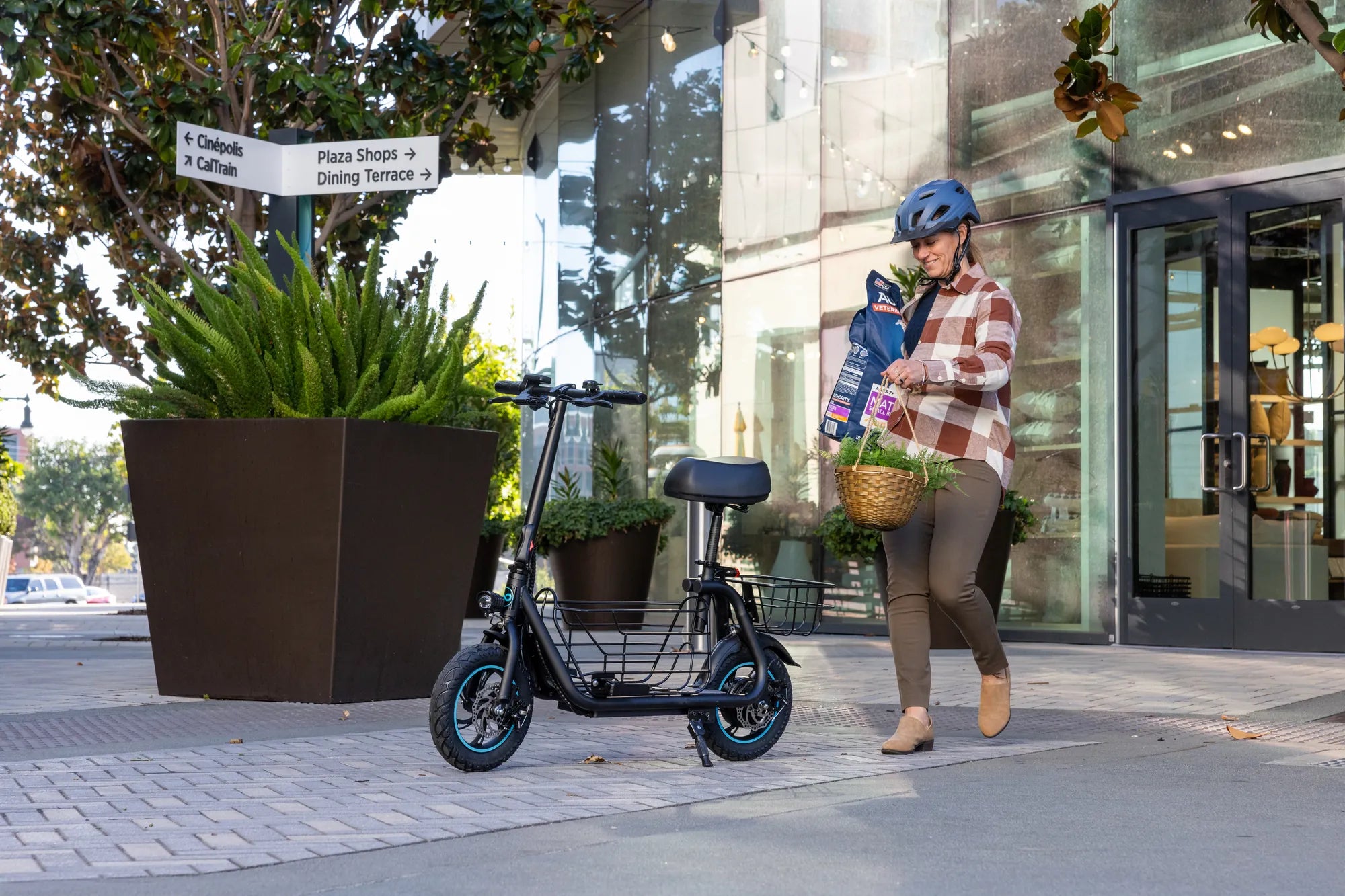
Introduction: Redefining Mobility for the Golden Years
The modern senior is active, independent, and embraces technology that enhances quality of life. For many, maintaining personal mobility is the cornerstone of that independence. The car isn't always the ideal solution for short trips to the store, park visits, or meeting friends at the local cafe. This is where a new generation of personal transportation shines.
Stylish and comfortable electric scooters for seniors are not medical devices; they are empowering tools for freedom. They offer a perfect blend of practicality, ease, and enjoyment, designed to keep you connected to your community. This guide moves beyond clinical imagery to explore how the right scooter can be a source of confidence, style, and daily pleasure.
Brands like Gyroor have pioneered designs that prioritize these very needs. As a leading electric scooter and e-bike brand trusted by over 100,000 riders across North America and Europe, Gyroor focuses on reliable safety, intuitive controls, and rider-centric comfort. This ultimate guide will help you understand the key features, prioritize safety, and select a scooter that feels like it was made just for you.
Key Features for Senior Riders: Beyond Speed and Power
When evaluating electric scooters, raw speed and power are often the least important metrics for senior riders. The true value lies in features that build confidence, ensure stability, and make the riding experience effortless and enjoyable from the first use. These design elements are non-negotiable for long-term comfort and daily usability.
The focus must shift from performance specs to human-centric design. This means intuitive controls that require no complex learning, a stable platform that feels secure on varied surfaces, and an accessible design that respects physical limitations. A scooter that excels in these areas becomes a reliable extension of the rider, not a challenging piece of machinery.
Comfort is directly tied to control. A jerky acceleration or a nervous, twitchy ride will cause fatigue and anxiety. Therefore, the engineering priorities for a senior-friendly scooter are fundamentally different. They emphasize smooth power delivery, predictable handling, and a ride quality that isolates the rider from road imperfections.
By understanding these core principles, you can cut through marketing jargon and identify models truly built for your lifestyle. The following sections break down each critical feature, explaining why it matters and what to look for when making your choice. This knowledge transforms the selection process from overwhelming to empowering.
Stability and Wheel Size: The Foundation of a Smooth Ride
The connection between the scooter and the ground is paramount. Stability starts with the wheels and deck. Larger wheels, typically 10 inches in diameter or more, are a significant advantage. They roll over cracks, pebbles, and minor pavement imperfections with far greater ease than smaller, solid tires.
Air-filled (pneumatic) tires provide a crucial layer of cushioning. They absorb vibrations and bumps that would otherwise travel directly up the stem and into the rider's hands, arms, and back. This is essential for joint comfort and overall ride smoothness, especially on longer outings around the neighborhood.
The deck—the platform you stand on—must be wide enough for secure footing. A spacious, textured deck allows you to place your feet comfortably in a natural, stable stance. This design prevents the feeling of being perched on a narrow beam and contributes greatly to a sense of balance and control while in motion.
Contrast this with many basic, lightweight models that use small (8.5” or less), solid rubber tires. These offer almost no shock absorption and transmit every bump directly to the rider. For senior riders prioritizing comfort and safety, opting for a model with larger, air-filled tires and a wide deck is the first and most critical step.
Effortless Control: Throttle, Braking, and Acceleration
How a scooter starts, stops, and responds to input defines its user-friendliness. The control system should be simple, intuitive, and forgiving. A thumb-operated throttle is generally preferred over a finger trigger as it allows for more modulated, gentle pressure and reduces hand fatigue.
Acceleration must be smooth and linear. The scooter should pull away from a stop gently, not with a sudden, jerky lurch that can upset balance. Many senior-friendly models feature a “beginner” or “eco” mode that deliberately softens acceleration and limits top speed, allowing riders to build confidence gradually.
Braking is where safety is most tangible. A dual-braking system is ideal. This typically combines a responsive electronic regenerative brake (which slows the scooter by using the motor and often recharges the battery slightly) with a physical disc or drum brake for sure, final stopping power. This redundancy ensures reliable stopping in all conditions.
The goal is a control scheme that feels natural within minutes. There should be no mystery or guesswork. When the controls fade into the background, the rider can focus on the joy of the ride and the scenery, not on managing the machine. This effortless interaction is a hallmark of a well-designed scooter for seniors.
Step-Through Design and Manageable Weight
Mounting and dismounting safely is a fundamental concern often overlooked in scooter design. A low, step-through frame is arguably the most important ergonomic feature for senior riders. It eliminates the need to swing a leg high over a crossbar, a motion that can challenge balance and flexibility.
This open-frame design allows you to simply step onto the deck from a standing position, much like stepping onto a low curb. It makes starting and stopping trips safer and more dignified, reducing the risk of trips or falls. When evaluating a scooter, picture yourself getting on and off it dozens of times in a week.
Weight is a dual consideration. A heavier scooter (often due to a larger battery and robust frame) tends to be more stable at speed and can handle bumps better. However, portability matters if you need to lift it into a car trunk or carry it up a single step. A weight between 35 and 50 pounds is a common sweet spot, offering stability without being completely immovable.
Some models feature folding mechanisms to aid with storage and transport. Ensure the folding process is simple, doesn't require excessive force, and that the scooter locks securely in both riding and folded positions. The right balance of stability and manageable weight ensures the scooter serves you in all aspects of your daily routine.
Prioritizing Safety: Built-in Protections for Peace of Mind
True comfort is impossible without peace of mind. Safety is not a single feature but a system of integrated technologies, certifications, and support structures. For senior riders and their families, this is the cornerstone of confidence. A safe scooter is one that protects the rider from predictable hazards through intelligent design and robust construction.
This extends beyond just having good brakes. It encompasses electrical safety, visibility to others, and the long-term reliability backed by the manufacturer. Investing in a scooter from a reputable brand that prioritizes these aspects is an investment in worry-free mobility. Cutting corners on safety features is a risk that undermines the entire purpose of the vehicle.
Leading brands understand this deeply. Gyroor, for instance, builds its reputation on foundational safety standards, such as UL certification for its battery packs. This proactive approach to safety engineering means the protections are built-in, not added as an afterthought. It allows riders to focus on the freedom of the journey, not potential dangers.
By examining a scooter through the lens of these multi-layered safety systems, you can distinguish a truly reliable product from a merely functional one. The following sections detail the critical safety elements that should be on your checklist, providing you with the knowledge to ask the right questions and make an informed, secure choice.
UL-Certified Battery Safety: A Non-Negotiable Standard
The battery is the heart of an electric scooter, and its safety is paramount. UL (Underwriters Laboratories) certification is the gold standard for electrical safety in consumer products. A UL-certified battery pack has undergone rigorous, independent testing for fire risk, electrical shorts, overheating, and durability under stress.
This certification is not merely a marketing term; it is a verified assurance that the battery's cells, management system, and housing meet stringent safety protocols. It significantly reduces the risk of battery-related incidents, which is a primary concern for any device that is charged indoors and carries a person.
Gyroor’s commitment to using UL-certified battery packs in its models is a key trust factor. These batteries are tested for over 500 charge cycles, ensuring long-term performance and stability. When evaluating any scooter, confirming UL certification for the battery should be the first safety checkpoint—it is a non-negotiable standard for secure operation.
Beyond certification, proper battery care is simple. Avoid exposing the scooter to extreme temperatures for prolonged periods, don't leave it plugged in indefinitely after a full charge, and follow the manufacturer's specific charging guidelines. A safe battery, managed well, provides years of reliable service.
Lighting and Visibility: Being Seen Day and Night
Safety is also about being seen by others. A comprehensive lighting system is crucial for riding in dawn, dusk, or overcast conditions, and is essential for any evening trips. This system serves both to illuminate your path and to signal your presence to vehicles, cyclists, and pedestrians.
The front headlight should be bright enough to clearly light the path ahead at the scooter's cruising speed. A rear brake light is critical; it should activate automatically when you engage the brakes, alerting anyone behind you that you are slowing down. Many models also incorporate always-on rear running lights for constant visibility.
Additional elements like side reflectors or reflective decals on the deck and stem make you visible from oblique angles. Some advanced models even offer turn signal indicators integrated into the handlebars or deck, adding an extra layer of communication for making safe turns in traffic or on shared paths.
Good lighting transforms the scooter from a fair-weather toy into a practical, all-day transportation tool. It extends your riding window and ensures you can return home safely if an outing runs longer than expected. Never compromise on a robust lighting package.
Reliable Warranty and Accessible Support
Long-term confidence is built on the manufacturer's support. A strong, comprehensive warranty demonstrates that the company stands behind its product's quality and durability. For senior riders, this is especially important, as it provides a clear path for resolution if an issue arises, without the stress of unexpected repair costs.
Look for a warranty that covers the frame, motor, and battery for a significant period. Gyroor, for example, offers a reliable 1-year comprehensive warranty on its scooters, providing peace of mind from the day of purchase. This warranty acts as a safety net for your investment.
Equally important is accessible, patient customer support. Technical questions or minor concerns should be addressed by a helpful team, not an impenetrable automated system. Read reviews to gauge a company's reputation for customer service. A brand that values its riders will have support channels that are easy to reach and staffed by knowledgeable representatives.
This combination of a solid warranty and good support means you're never alone with your scooter. It ensures that your mobility solution remains viable and enjoyable for years to come, protecting both your investment and your independence.
Comfort Enhancements: Turning a Ride into a Pleasure
Once core safety and stability are assured, comfort enhancements elevate the experience from mere transportation to genuine enjoyment. These features reduce physical fatigue, increase practicality, and tailor the scooter to your individual needs and routines. They are the difference between a machine you use and a companion you cherish.
Comfort is highly personal. For one rider, it might mean a plush seat for leisurely park tours. For another, it could be a smooth suspension that makes a trip to the grocery store feel effortless. The best scooters for seniors offer a platform that can be customized with accessories or come equipped with features that address these varied needs.
These enhancements also extend the scooter's utility. A basket transforms it into a grocery-getter. A phone mount makes navigation easy for exploring new paths. By considering how you want to use the scooter daily, you can identify which comfort features will deliver the most value and joy in your specific context.
Investing in these elements pays dividends in quality of life. A comfortable ride encourages more frequent use, leading to greater engagement with your community and more opportunities for spontaneous adventure. The following sections explore the key comfort features that can make your scooter a true daily partner.
Suspension Systems: Smoothing Out the Journey
A suspension system is a game-changer for ride quality. It acts as a shock absorber, isolating the rider from the vibrations and impacts caused by uneven pavement, cracks, and small obstacles. This protection is crucial for comfort in the hands, wrists, arms, and back, making longer rides not just possible but pleasant.
Front suspension, often a spring or hydraulic fork, handles impacts from the front wheel. Dual suspension—systems on both the front and rear wheels—provides the most comprehensive smoothing effect. Even a basic rear spring suspension can dramatically improve comfort over a rigid-frame scooter.
When combined with air-filled tires, a good suspension system creates a floating, stable sensation. It allows the scooter to maintain better contact with the road, which also enhances traction and control, especially on less-than-perfect surfaces common in many neighborhoods and park paths.
For senior riders, a suspension is not a luxury; it's a core component of a comfortable and joint-friendly riding experience. It reduces the physical toll of riding, allowing you to focus on the freedom and fun rather than bracing for the next bump.
Ergonomic Handlebars and Adjustable Stem
Proper riding posture is essential to prevent strain. Ergonomic handlebars with padded, non-slip grips reduce pressure on the palms and help dampen road vibrations. They should allow for a natural, relaxed grip without forcing the wrists into an awkward angle.
An adjustable stem (the column connecting the handlebars to the deck) is a critical feature for achieving a comfortable posture. Being able to set the handlebar height to match your stature promotes an upright, alert riding position. This reduces hunching or overreaching, which can cause back and shoulder fatigue on longer trips.
This adjustability also makes the scooter adaptable. If multiple family members wish to use it, or if you prefer a slightly different stance over time, you can easily modify the fit. A scooter that adjusts to you is far more comfortable and versatile than one you must adapt to.
Together, well-designed handlebars and an adjustable stem ensure that control is effortless and the ride is strain-free. They are simple mechanical features that have an outsized impact on daily comfort and long-term usability.
Practical Accessories: Baskets, Seats, and Phone Mounts
Accessories personalize your scooter and expand its functionality. A sturdy front basket or a rear rack with a bag is incredibly practical for carrying groceries, a purse, a picnic lunch, or packages. This hands-free storage is a key advantage over walking, turning your scooter into a true errand-running vehicle.
An optional seat attachment can be a wonderful addition for those who prefer not to stand for an entire outing or who enjoy longer, leisurely rides. Look for a seat that is well-padded, easy to install and remove, and positioned at a comfortable height relative to the handlebars and deck.
A secure phone mount on the handlebars is a modern necessity. It allows you to use GPS for navigation to new parks or cafes, control music, or simply have your phone readily accessible. Ensure the mount is robust and designed to handle vibrations without dropping your device.
These accessories transform the scooter from a basic transporter into a customized mobility hub. They address real-world needs, making every trip more convenient, comfortable, and enjoyable, thereby integrating the scooter seamlessly into your daily life.
Choosing Your Match: A Simple Selection Framework
With an understanding of key features, safety, and comfort, the final step is applying this knowledge to your specific situation. A systematic approach prevents overwhelm and leads to a satisfying choice. This framework helps you align a scooter's capabilities with your personal lifestyle, terrain, and typical trip patterns.
Start by defining your “why.” What gap in your mobility are you hoping to fill? The answers will guide every other specification. Be honest about your typical routes, the distances you need to cover, and any physical considerations. This self-assessment is the most important part of the process.
Next, translate those needs into technical requirements. Your primary use case dictates the necessary range, the importance of storage, and the required level of stability and comfort. Understanding real-world battery performance is crucial to avoid range anxiety and ensure the scooter meets your daily demands.
Finally, compare models that meet your criteria. Use a structured comparison, like the table below, to evaluate options side-by-side. Focus on the features that matter most to you. This objective analysis, combined with your personal needs, will point you toward your ideal match.
Assessing Your Primary Use Case: Leisure vs. Practical Errands
Your primary activity dictates the scooter's required specifications. For pure leisure—smooth park paths, boardwalks, or quiet neighborhood streets—comfort features like suspension and a plush ride are paramount. Range may be less critical if trips are short loops, but comfort is key for enjoyment.
For practical errands like grocery shopping, pharmacy visits, or trips to the post office, utility takes precedence. You'll need a scooter with reliable real-world range (to cover the distance plus a safety margin), a way to carry items (a basket or rack), and robust construction to handle curbs and parking lot surfaces.
Consider the terrain. Are your routes mostly flat, or are there moderate hills? Scooter motors are rated for hill-climbing ability. A 350W motor may suffice for flat areas, but if hills are present, look for a 500W motor or higher to maintain speed and control on inclines without straining the battery.
Be realistic about frequency. Will this be a daily companion or a weekend pleasure vehicle? Daily use justifies investing in higher-end features like dual suspension, a larger battery, and premium tires for durability and all-weather reliability.
Understanding Range and Battery Life: Real-World Expectations
Manufacturer range claims are based on ideal laboratory conditions: a lightweight rider on perfectly flat, smooth terrain at moderate speed. Real-world mileage is typically 60-70% of the advertised maximum. Factors like rider weight, hills, frequent stops/starts, wind, and colder temperatures all reduce range.
To choose wisely, calculate your typical daily mileage and then add a 50% buffer. For example, if your round trip to the coffee shop and grocery store is 4 miles, look for a scooter with a real-world range of at least 6 miles. This buffer prevents “range anxiety” and accounts for detours or extra trips.
Battery capacity is measured in Watt-hours (Wh) or Amp-hours (Ah). Generally, a higher number means more potential range. A scooter with a 10Ah (360Wh) battery will generally go farther than one with a 7.5Ah (270Wh) battery, assuming similar motor power and rider weight.
Proper care maximizes battery lifespan. Avoid completely draining the battery; try to recharge when it drops to 20-30%. Store the scooter in a cool, dry place, and use the manufacturer-provided charger. Following these practices with a quality, UL-certified battery like those from Gyroor can ensure years of consistent performance.
Gyroor Models for Senior Riders: A Curated Look
Gyroor offers several models that exemplify the senior-friendly principles outlined in this guide. They combine stability, safety certifications, and comfort-focused design. Here is a comparison of two models particularly well-suited for senior mobility, highlighting their key attributes.
| Model Feature | Gyroor C1 Commuter | Gyroor F1 Off-Road |
|---|---|---|
| Best For | Urban errands & smooth paths | Leisure on varied terrain |
| Max Range (Est. Real-World) | 18 miles (≈12 miles) | 25 miles (≈16 miles) |
| Wheel Size & Type | 10” air-filled tires | 10” off-road, air-filled tires |
| Weight | 42 lbs | 48 lbs |
| Special Senior-Friendly Features | Easy-Step Frame, LED display, integrated rear carry strap, IPX5 water resistance. | Dual Suspension, wider deck, enhanced headlight, IPX5 water resistance. |
| Motor Power | 350W | 500W |
The Gyroor C1 Commuter shines for everyday practicality. Its defining feature is the low, easy-step frame that makes mounting effortless. The 10” air-filled tires and efficient 350W motor provide a stable, smooth ride perfect for paved surfaces, while the IPX5 rating means a light rain won't end your trip.
The Gyroor F1 Off-Road prioritizes ultimate comfort on less-perfect paths. Its dual suspension system absorbs bumps from gravel paths or uneven park trails, and the more powerful 500W motor handles gentle inclines with ease. The wider deck offers superior footing, making it an excellent choice for leisure riders who value a plush, confident ride above all.
Both models are built around UL-certified battery packs and come with Gyroor's reliable 1-year warranty, ensuring safety and support are integral to the ownership experience. Choosing between them comes down to prioritizing step-through accessibility (C1) versus all-terrain comfort (F1).
Frequently Asked Questions (FAQ) for Senior Riders and Families
Q: Is it difficult to learn to ride an electric scooter?
A: Modern scooters are designed for intuitive use. With a stable platform, simple thumb throttle and brake controls, and a gentle acceleration curve, most riders gain confidence within 30-60 minutes. Always start in a safe, open, flat area like an empty parking lot to practice starting, stopping, and turning at low speed.
Q: How do I maintain the scooter and the battery?
A: Maintenance is minimal. Regularly check that the tires are properly inflated (prevents flats and improves ride). Keep it clean and store it in a dry place. For the battery, avoid leaving it fully drained for long periods; recharge when it reaches 20-30%. Use only the manufacturer's charger and avoid exposing the battery to extreme heat or cold for extended times.
Q: Are these scooters safe to use on sidewalks and in my community?
A: You must always check your local city or county regulations. Generally, electric scooters with a top speed under 15-20 mph are permitted on sidewalks, bike paths, and park trails. Regardless of the law, always ride courteously: control your speed around pedestrians, use a bell or your voice to alert others, and prioritize models with excellent lights for visibility.
Q: What if I have balance issues or limited mobility?
A: A scooter with a step-through frame, wide deck, and slow, stable acceleration is key. The three-wheel design of some electric trikes offers even greater stability for those with significant balance concerns. It is always advisable to consult with your physician or physical therapist to assess if scooter riding is appropriate for your specific condition.
Q: Can I take the scooter on public transportation or in my car?
A: Many folding models are designed for portability. A scooter in the 35-45 lb range can often be lifted into a car trunk. Folding mechanisms make them more compact. Policies on buses and trains vary widely by transit authority, so check local rules. Their compact size when folded makes them more likely to be allowed than a full-size bicycle.
Conclusion: Embracing Freedom with Confidence and Style
The journey to finding the right electric scooter is a journey toward renewed independence and daily joy. By prioritizing the pillars of safety—like UL-certified batteries and robust warranties—stability through large wheels and step-through designs, and comfort via suspension and ergonomics, you can select a vehicle that truly empowers.
Stylish and comfortable electric scooters for seniors are more than transportation; they are a passport to community, spontaneity, and an active lifestyle. They represent a choice to engage with the world on your own terms, free from the constraints of limited mobility or the hassle of a car for short trips.
Brands like Gyroor have demonstrated that this combination of reliability, safety, and thoughtful design is not only possible but essential. With a trusted product, you can explore your neighborhood, complete errands with ease, and simply enjoy the pleasure of a smooth, quiet ride in the fresh air.
Your next adventure awaits. Explore a range of models built with these principles in mind and discover how the right scooter can open up your world. Browse the full Gyroor collection of UL-certified, senior-friendly electric scooters at gyroorboard.com and take the first step toward a more mobile, joyful tomorrow.
72v Electric Scooters: The Ultimate Guide to High-Power Urban Mobility
How Much Are the Public Electric Scooters: A Complete Pricing Guide