



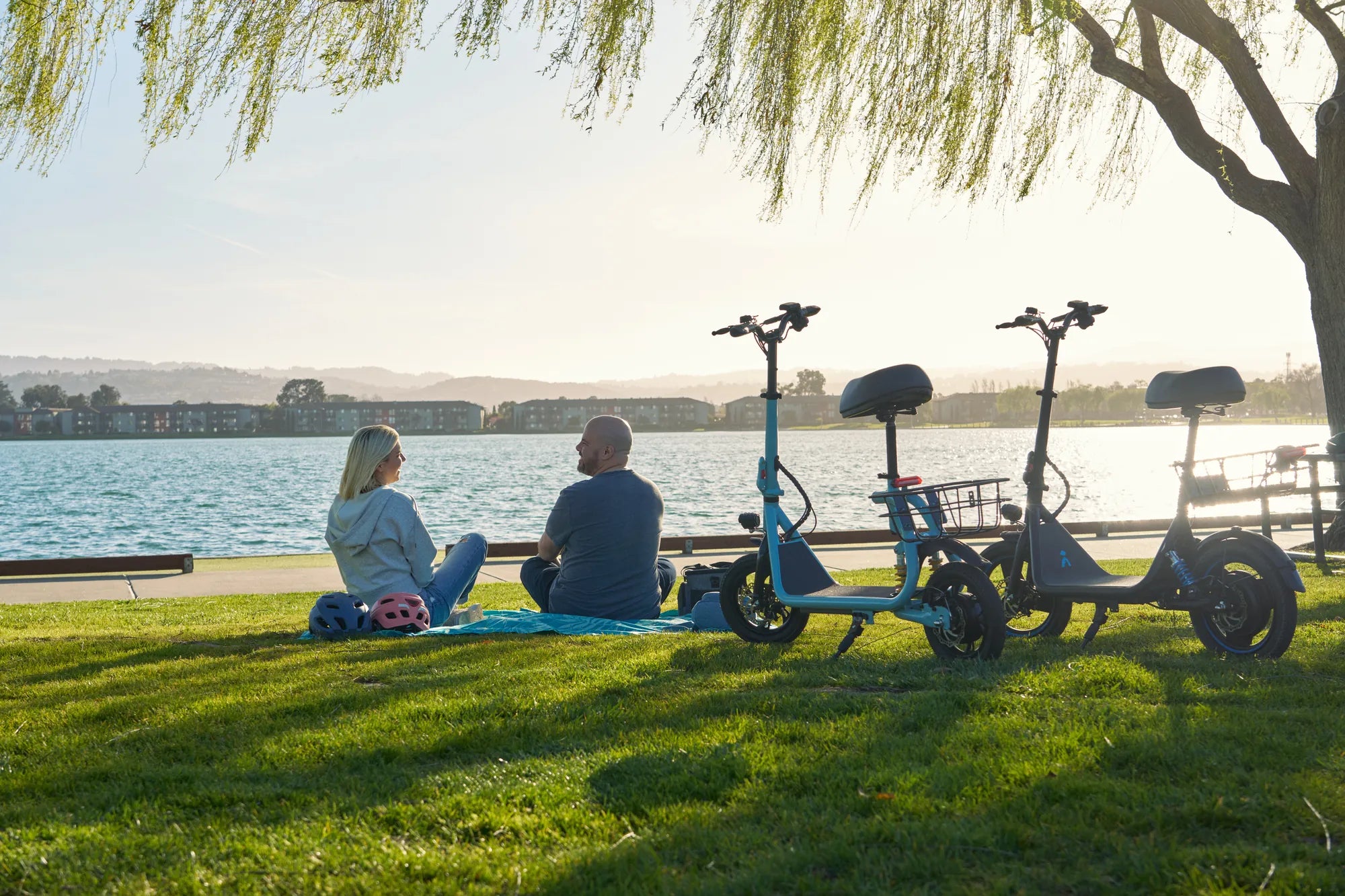
Introduction: Why Choosing the Right Kids' Electric Scooter Matters
A child's first electric scooter can unlock a world of outdoor adventure, physical activity, and growing confidence. The thrill of mastering a personal vehicle fosters independence and motor skills. However, this excitement must be built on a foundation of uncompromising safety and durability.
Selecting the wrong scooter can lead to frustration, quick breakdowns, or, worse, safety hazards. The best electric scooters for kids company understands that parents need more than just a toy; they need a reliable product engineered for real-world use by growing riders. This guide focuses on the critical factors that separate a fleeting gadget from a lasting source of joy.
Our goal is to provide a clear, data-driven framework for your decision. We will analyze essential safety certifications, appropriate power for different ages, and build quality that withstands years of use. As a leader in personal electric transport, Gyroor designs every scooter with these priorities in mind, serving over 100,000 riders globally.
This journey begins with safety, the non-negotiable starting point for any parent considering an electric scooter for their child.
Key Safety Features Every Parent Must Look For
Safety is not a single feature but a system of integrated components and design philosophies. The first and most critical element is battery safety. Look exclusively for scooters with UL-certified battery packs, which have undergone rigorous testing for short-circuit, overcharge, and thermal stability.
Gyroor uses only UL-certified batteries tested for 500+ charge cycles, significantly reducing fire risk—a paramount concern for any parent. This certification is a clear indicator of a company's commitment to safety over cutting corners.
Next, consider environmental protection. An IPX5 water-resistant rating means the scooter's electrical components can withstand low-pressure water jets from any direction. This makes the scooter puddle-proof and resistant to light rain, ensuring a sudden shower doesn't end the fun or cause a malfunction.
Reliable braking is equally crucial. A combination of electronic (e-brake) and mechanical (disc or rear foot brake) systems provides redundancy. The e-brake engages the motor to slow down, while the physical brake offers direct control for quick stops, essential for navigating driveways and sidewalks safely.
Understanding Speed Settings and Parental Controls
Adjustable speed settings are a fundamental safety tool for beginners. A quality scooter will offer at least two, if not three, speed modes (e.g., 5 mph, 10 mph, 15 mph). This allows a child to start slowly in a controlled environment, building skill and confidence before accessing higher speeds.
Parental controls elevate this management. Some advanced models, including select Gyroor scooters, offer remote controls or Bluetooth app connectivity. Through an app, a parent can set a maximum speed limit, monitor battery life, and even lock the scooter remotely to prevent unauthorized use.
These features provide peace of mind, especially in neighborhoods or parks. They allow you to tailor the scooter's performance to your child's skill level and your comfort, creating a managed environment for learning. It transforms the scooter from a static product into an adaptable tool for growth.
Finally, don't overlook passive safety features. Bright LED headlights and taillights are essential for visibility during dusk rides. A wide, textured deck provides stable footing, and sturdy handlebars with ergonomic grips ensure the rider maintains control even over minor bumps.
Finding the Perfect Fit: Age, Weight, and Scooter Specifications
Matching a scooter to your child's physical development is key to safety and enjoyment. A scooter that's too powerful or too large can be intimidating and difficult to control. Conversely, a scooter that's underpowered or has a low weight capacity will be outgrown quickly, leading to a poor experience and wasted investment.
Use age as a starting guideline, but always cross-reference with the child's weight and height. The manufacturer's recommended age and weight capacity are the most important specifications to follow. Exceeding the weight limit can stress the motor, battery, and frame, leading to premature failure and potential safety issues.
Wheel size directly impacts stability and comfort. Larger wheels (8 inches or more) roll over cracks and small obstacles more easily, providing a smoother ride. Smaller wheels (6-7 inches) are typically found on lighter, more compact scooters for younger children but offer less stability on uneven surfaces.
Motor power, measured in watts (W), should be appropriate for the intended use. A 100W motor is sufficient for flat terrain and younger riders (6-9 years), while a 150W or 200W motor provides better hill-climbing ability and acceleration for older, heavier kids (10-14 years). The goal is adequate power, not excessive speed.
| Age Group | Recommended Weight Capacity | Wheel Size | Motor Power | Typical Max Speed |
|---|---|---|---|---|
| 6-9 years | 120 lbs (54 kg) max | 6-7.5 inches | 100W - 150W | 10 - 12 mph |
| 10-14 years | 160 lbs (73 kg) max | 8 inches+ | 150W - 200W | 12 - 16 mph |
Durability and Build Quality for Growing Riders
Kids are not gentle. A scooter will encounter curbs, bumps, and the occasional tip-over. Therefore, the frame material is critical. Aerospace-grade aluminum alloy is the industry standard for a reason: it offers an excellent strength-to-weight ratio, resisting bends and cracks while keeping the scooter portable.
Examine the welding points and the overall finish. Rough welds or thin-gauge metal are signs of poor construction. The folding mechanism, if present, should feel solid and lock securely with no wobble. A shaky stem compromises control and is a major safety red flag.
Tire choice is another durability factor. Air-filled (pneumatic) tires offer superior shock absorption and traction, especially on rougher pavement, but require occasional inflation and are susceptible to punctures. Solid rubber or honeycomb tires are maintenance-free and puncture-proof but provide a slightly harder ride.
This is where a strong warranty becomes a tangible guarantee of durability. Gyroor's 1-year comprehensive warranty signals confidence in their materials and construction. It protects your investment against manufacturing defects, ensuring the scooter is built to last through the learning phases and beyond.
Beyond the Ride: Practical Considerations for Parents
Battery life determines the scope of adventure. Look for a scooter with a range that matches your child's typical outing. A range of 6-8 miles is suitable for most neighborhood adventures, while 10+ miles allows for longer park visits. Remember, range is affected by rider weight, terrain, and speed.
Charge time is equally practical. A battery that charges in 3-5 hours is standard and convenient for overnight charging. Ultra-fast charging (under 2 hours) can be convenient but may stress the battery over time. Always use the manufacturer-provided charger to maintain battery health and safety.
Portability matters, especially if you'll need to carry the scooter home or load it into a car. Weight is the key factor here. Scooters for younger kids can weigh as little as 15-20 lbs, while more robust models for teens can reach 30+ lbs. A folding design significantly improves portability for storage and transport.
Finally, consider assembly and noise. The best scooters require minimal tool-free assembly—often just attaching the handlebar. A quiet, brushless hub motor is preferable; it provides smooth acceleration without the whining noise of cheaper motors, making the ride more enjoyable for the rider and the neighborhood.
The Importance of a Strong Warranty and Support
A warranty is your insurance policy against defects, but its value depends on its scope and the company standing behind it. A 1-year comprehensive warranty that covers the motor, battery, frame, and electronics is the benchmark for a reputable brand like Gyroor. It demonstrates faith in the product's longevity.
Be wary of vague warranties or those that only cover the frame for 90 days. The battery and motor are the most expensive components to replace; they should be covered for at least a year. Always read the warranty terms to understand what is and isn't covered (e.g., wear-and-tear items like tires are typically excluded).
Accessible customer support is the warranty's partner. When a question or issue arises, you need help, not a runaround. Gyroor maintains US-based customer support, which is crucial for timely communication and service. This localized support is a significant advantage over generic brands that rely solely on overseas email support.
This combination—a strong warranty and responsive support—transforms a purchase from a transaction into a relationship. It assures parents that the company is invested in their child's safe and fun experience for the long term, not just the initial sale.
Gyroor's Recommended Models for Different Age Groups
Based on the principles outlined above, Gyroor offers models tailored to specific age and skill levels. For younger riders aged 6-9, the focus is on stability, manageable speed, and lightweight design. A model like the Gyroor K1 (example model) features a 100W motor, a max speed of 10 mph via two speed modes, and a durable aluminum frame with a 120 lb weight capacity.
Its IPX5 water resistance allows for carefree play, and the UL-certified battery ensures safety. The smaller wheel size provides a lower deck height, making it easier for smaller children to mount and dismount safely. This model exemplifies the balance between fun and foundational safety for new riders.
For pre-teens and teenagers (10-14 years), more power and range are appropriate. A model like the Gyroor T3 (example model) steps up to a 150W motor, a max speed of 15 mph with three speed modes, and a wider deck for stability. It supports riders up to 160 lbs and features larger, air-filled tires for a smoother ride on varied surfaces.
This tier often includes enhanced features like a digital display for speed and battery level, a brighter headlight for extended evening rides, and a more robust folding mechanism. These scooters are built to grow with the rider, offering performance that remains engaging as their skills and confidence advance.
Frequently Asked Questions (FAQs) About Kids' E-Scooters
Q: What is the safest age for a child to start riding an electric scooter?
A: Most manufacturers recommend ages 6-8 as a safe starting point, depending on the child's coordination, maturity, and ability to follow safety rules. Always choose a scooter with a speed limit appropriate for a beginner (under 10 mph) and ensure they wear full protective gear.
Q: Are helmets and pads absolutely necessary?
A> Yes, without exception. A certified bicycle helmet is the minimum requirement. Wrist guards, and knee and elbow pads are highly recommended, especially for beginners. Safety gear significantly reduces the risk of serious injury from falls, which are a normal part of the learning process.
Q: How do I maintain the scooter's battery for longest life?
A> Avoid completely draining the battery. Try to recharge when it drops to 20-30%. Use only the provided charger, store the scooter in a cool, dry place (not in extreme heat or cold), and if storing for over a month, charge the battery to about 60% first.
Q: Can it be used on wet surfaces or in the rain?
A> Scooters with an IPX5 rating, like those from Gyroor, are protected against water jets and can handle wet pavement and light rain. However, they are not submersible. Avoid deep puddles and heavy downpours. Always dry the scooter after riding in wet conditions and check the brakes, as stopping distances may increase.
Q: What should I do if the scooter has a problem?
A> First, consult the user manual for troubleshooting. For issues covered under warranty, contact the manufacturer's customer support directly. Having your proof of purchase ready. Gyroor's US-based support team can guide you through steps or initiate a warranty claim if needed.
Conclusion: Investing in Fun, Safety, and Confidence
Choosing the best electric scooter for your child is an investment in their outdoor activity, independence, and joy. The right choice balances exhilarating fun with rigorous safety standards, robust construction, and thoughtful features that give parents control. It's about finding a product that won't become a source of worry or a closet-bound disappointment.
Prioritizing UL-certified batteries, water-resistant design, appropriate power, and a strong warranty framework is the path to a rewarding experience. As a company trusted by over 100,000 riders, Gyroor embodies this philosophy, engineering scooters where safety and durability are integral, not optional.
Your child's scooter should be a gateway to adventure, built to last and designed to protect. By applying the guidelines in this article, you can confidently select a ride that will provide years of safe, thrilling fun, fostering memories and skills that extend far beyond the sidewalk.
Ready to explore models that put safety and quality first? Browse the full Gyroor collection at gyroorboard.com to find the perfect electric scooter for your young rider's next adventure.
Electric Scooters Scottsdale AZ: The Ultimate Guide to Riding Green
Can You Use Electric Scooters in the UK? A Complete Guide to the Rules and Regulations