



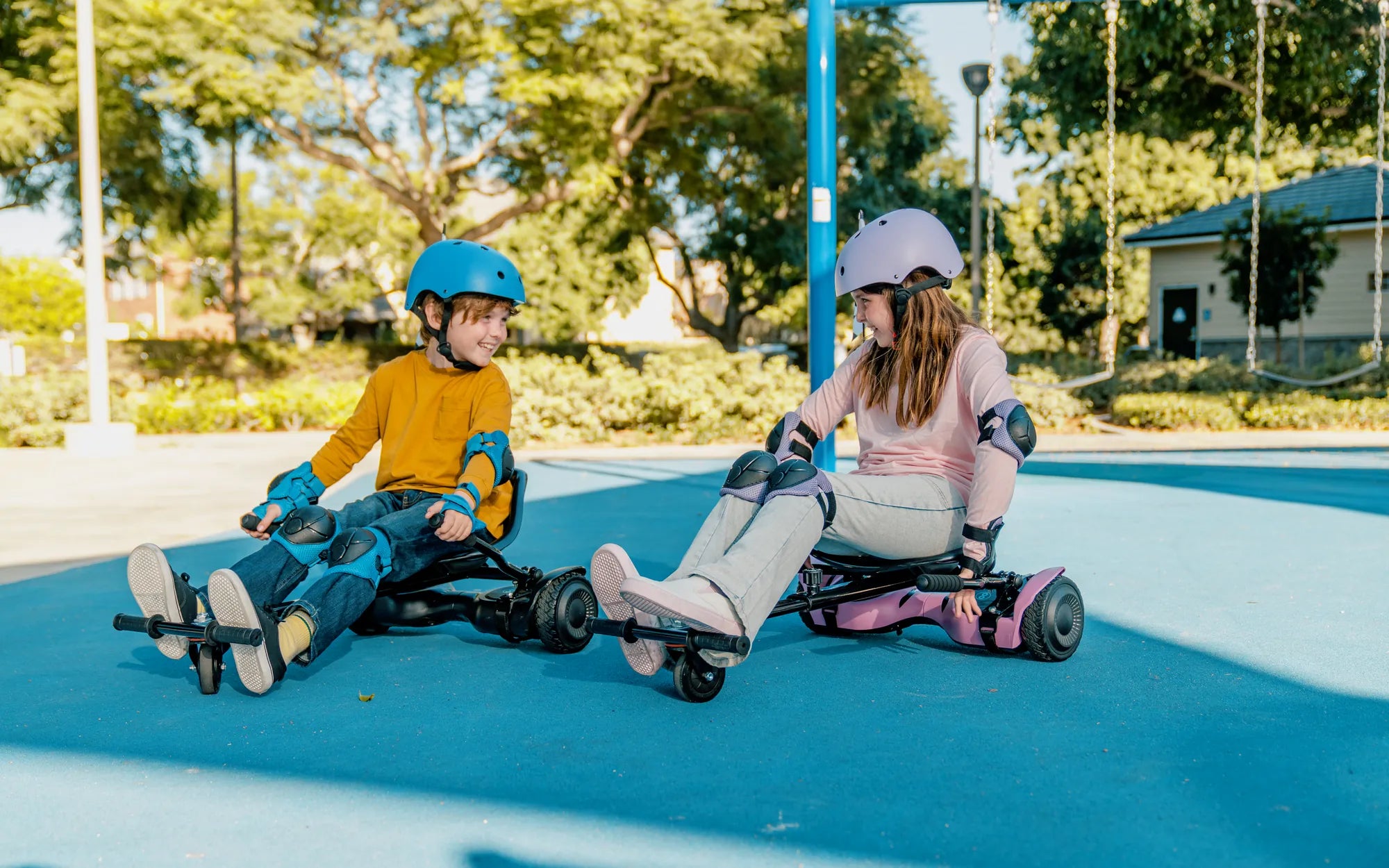
Introduction: Why a Toddler Hoverboard with Handle is a Game-Changer
A toddler hoverboard with handle represents a significant evolution in children's ride-on toys, merging the dynamic fun of a self-balancing scooter with the crucial stability and control of a handlebar. This design directly addresses the primary concern of every parent: safety. Unlike traditional hoverboards, the integrated handle provides a physical point of balance for the child to hold and for parents to guide, making the learning curve gentler and far less intimidating.
This guide is designed to be your comprehensive resource. We will dissect the must-have safety features, explain technical specifications in parent-friendly terms, and provide a practical framework for choosing the right model, teaching your child, and ensuring years of reliable fun. Our focus is on factual, data-driven advice to help you make an informed decision.
Brands that prioritize engineering and safety, such as Gyroor—a leading electric scooter and e-bike brand trusted by over 100,000 riders—set the standard in this category. Their commitment to UL-certified batteries and robust construction illustrates the level of quality parents should seek. Choosing the right toddler hoverboard with a handle is an investment in your child's confidence, coordination, and joy, provided it's built on a foundation of safety.
Key Safety Features Every Parent Must Look For
When evaluating a toddler hoverboard with a handle, certain safety features are non-negotiable. These components work together to create a secure riding environment for young, developing riders. The handle itself is the first line of defense, but its construction is key; it must be sturdy, ergonomically designed for small hands, and firmly attached to the board's chassis to prevent wobbling or detachment.
Speed limiters are arguably the most critical electronic safety feature. A quality toddler hoverboard will have a beginner mode that caps speed at a walking pace, often between 1.5 to 3 mph. This allows the child to master balance and control without the risk of a sudden, frightening acceleration. Parental control via a remote or Bluetooth app to set speed limits is an advanced feature offered by some brands.
Auto-balancing technology and wide, non-slip foot pads are essential for stability. The gyroscopic sensors should activate smoothly to help the child find their center of gravity. The foot pads must provide ample space and a textured, grippy surface to prevent little feet from slipping, even when wearing sneakers. Additionally, look for models with LED wheel lights not just for aesthetics, but for increased visibility during dusk rides.
Finally, the overall build quality dictates long-term safety. The frame should be made of durable, impact-resistant materials. All electrical components must be securely housed, and the connection points for the handle and wheels should show no signs of weakness or poor craftsmanship. A toddler hoverboard with a handle is a piece of sporting equipment, not just a toy, and its construction must reflect that.
Understanding UL-Certified Batteries and Why They Matter
The battery is the heart of any electric ride-on, and its safety cannot be compromised. UL (Underwriters Laboratories) certification is the gold standard. A UL-certified battery pack has undergone rigorous independent testing for over 100 safety parameters, including electrical, mechanical, and environmental stress tests to prevent overheating, short-circuiting, or fire.
Uncertified, cheap lithium-ion batteries pose significant risks. They can overcharge, leak, or in extreme cases, experience thermal runaway—a rapid, uncontrolled increase in temperature. For a product used by toddlers, this standard is non-negotiable. Brands like Gyroor use UL-certified battery packs tested for 500+ charge cycles, ensuring not only safety but also long-term performance and reliability.
This certification also speaks to the quality of the battery management system (BMS), which regulates charging and discharging. A proper BMS prevents over-discharging, which can permanently damage battery cells. When you see the UL mark, you are purchasing peace of mind that the most critical component has been engineered to the highest safety standards.
The Importance of Water Resistance (IPX5 Rating Explained)
Toddlers are not known for avoiding puddles. An IPX5 water resistance rating is a crucial feature for real-world use. The "IP" stands for Ingress Protection, followed by two digits. The first digit (solid particle protection) is often omitted as "X," and the second digit refers to liquid protection. An IPX5 rating means the device is protected against water jets from a nozzle (6.3mm) from any direction.
In practical terms, this means the toddler hoverboard with handle can withstand splashes from wet pavement, riding through shallow puddles, and light rain. It protects the internal electronics, motor, and battery compartment from accidental water ingress that could cause a short circuit or corrosion. This greatly enhances the board's durability and allows for more versatile play.
It is vital to understand what IPX5 does NOT cover. It is not waterproof. The board should not be submerged in water, ridden through deep puddles that cover the foot pads, or pressure-washed. Always dry the board after use on wet surfaces. Gyroor's IPX5-rated designs exemplify this practical approach to weatherproofing, ensuring the fun doesn't stop at the first sign of a damp driveway.
Choosing the Right Model: Age, Weight, and Terrain Considerations
Selecting the appropriate toddler hoverboard with a handle requires matching the product's specifications to your child's development and your intended use environment. The primary factors are age recommendation, weight capacity, motor power, and wheel type. A mismatch can lead to frustration, unsafe conditions, or rapid product wear.
Age recommendations are based on average motor skills and comprehension. Models for 3-5 year olds typically have lower speed limits (max 4-5 mph), softer acceleration, and a lighter overall weight. Models for 5-8 year olds may offer more power (up to 7.5 mph), higher weight capacities, and sometimes larger wheels for outdoor use. Always adhere to the manufacturer's age guidelines.
Weight capacity is a hard limit. Exceeding it strains the motor, drains the battery rapidly, and can damage the frame. Ensure your child's weight, plus any backpack, is comfortably under the maximum limit. A good rule of thumb is to choose a board with a capacity at least 20-30 lbs above your child's current weight to allow for growth.
Terrain dictates wheel choice. For exclusive indoor or very smooth pavement use, smaller (6-6.5") solid rubber or airless foam tires are sufficient. For tackling driveways, sidewalks with cracks, or even packed dirt and grass, you need larger (7-8.5") air-filled (pneumatic) tires or all-terrain tires with deeper treads. Pneumatic tires provide a much smoother ride by absorbing bumps.
| Consideration | For Young Toddlers (3-5 yrs) | For Older Kids (5-8 yrs) |
|---|---|---|
| Ideal Speed Range | 1.5 - 4 mph (Walking/Jogging Pace) | 4 - 7.5 mph (Light Running Pace) |
| Weight Capacity | Up to 110 lbs | Up to 165 lbs |
| Wheel Type & Size | 6.5" Solid Rubber (Indoor/Smooth Pavement) | 7.5"-8.5" Pneumatic or All-Terrain (Outdoor) |
| Key Feature Focus | Ultra-stable handle, slow start, parental remote | Longer range, higher torque for inclines, durable frame |
| Sample Use Case | Living room, smooth garage floor, playground pavement | Sidewalks, bike paths, packed dirt trails, gentle grass |
A Step-by-Step Guide to Teaching Your Toddler to Ride
Patience and a positive attitude are your best tools. Begin without powering the board on. Let your child stand on it, hold the handle, and get a feel for the balance point. Practice stepping on and off safely. This removes the fear of the unknown and associates the board with a stable, non-moving object first.
Next, power on the board while it's on a flat, level surface, ensuring it's in the slowest beginner mode. Hold the handle firmly and guide your child as they practice leaning forward to go and leaning back to stop. Your physical support provides immense confidence. Keep sessions short (5-10 minutes) to avoid fatigue and frustration.
Once they are comfortable moving in a straight line with your assistance, introduce turning. Explain and demonstrate how to gently twist the handle or use their feet to steer (depending on the model). Practice wide, slow turns in an open area. Celebrate small successes to build their sense of accomplishment.
The final step is supervised independent practice. Let them ride on their own in a controlled, obstacle-free zone while you walk alongside. Gradually introduce slight challenges like stopping at a marked line or navigating around a single cone. Always end the session on a high note, before they get tired or careless.
Essential Riding Gear and Pre-Ride Safety Checklist
Protective gear is mandatory, not optional. A properly fitted CPSC-certified bicycle helmet is the absolute minimum. Elbow and knee pads are highly recommended, especially during the learning phase, to prevent scrapes and bruises. Closed-toe shoes with grippy soles (like sneakers) are essential—never allow riding in sandals or crocs.
Before every ride, perform a quick but thorough pre-ride inspection. This habit ensures the equipment is in safe working order and ingrains safety consciousness in both parent and child. This checklist should take less than a minute but is invaluable for accident prevention.
- Battery & Power: Ensure the battery has sufficient charge for the planned ride. Check that the power button works and all indicator lights function normally.
- Tires & Wheels: Inspect tires for proper inflation (if pneumatic) and any signs of significant wear, cuts, or embedded debris. Spin the wheels to ensure they rotate freely without wobbling.
- Hardware: Give the handle a firm shake to check for looseness. Visually inspect all screws and connection points, especially where the handle meets the deck.
- Riding Area: Scan the practice zone for obstacles like rocks, sticks, wet leaves, or uneven pavement. Ensure the area is clear of traffic (vehicular and pedestrian) and has a soft fall area like grass nearby if possible.
- Child & Gear: Confirm your child is wearing all protective gear correctly. Double-check that the hoverboard is set to the appropriate speed mode for their skill level.
Maintenance and Care for Long-Lasting Fun
Proper maintenance extends the life of the hoverboard and maintains its safety profile. Battery care is paramount. Follow the manufacturer's charging instructions: avoid leaving it plugged in for extended periods after a full charge, and do not let the battery fully deplete before recharging. For long-term storage (over a month), store with a 50-70% charge in a cool, dry place.
Regular cleaning is simple but important. With the power off and disconnected, wipe down the deck, handle, and wheels with a damp cloth. For tougher dirt, use a mild soap solution. Avoid spraying water directly onto the board, even with an IPX5 rating. Immediately dry all surfaces to prevent water from seeping into seams.
Conduct a monthly mechanical check. Tighten any loose screws on the handle, foot pads, and wheel hubs. For models with pneumatic tires, maintain the recommended PSI (usually printed on the tire sidewall) using a bicycle pump. Under-inflated tires reduce battery range and make steering harder.
Understand the warranty. A reputable 1-year warranty, like Gyroor's, typically covers defects in materials and workmanship. It does not cover damage from misuse, accidents, or lack of maintenance. Register your product and keep your receipt. This warranty is your assurance that the company stands behind the safety and quality of their toddler hoverboard with handle.
Frequently Asked Questions (FAQs)
Q1: What is the ideal age for a child to start using a hoverboard with a handle?
A1: Most manufacturers recommend a starting age of 3 years old. At this age, children have typically developed sufficient core strength, balance, and cognitive ability to follow simple instructions. The key factor is not just age, but also the child's individual coordination, confidence, and ability to understand safety rules.
Q2: How long does the battery last on a single charge, and how long does it take to recharge?
A2: Battery life varies by model and usage. For toddler-specific models, expect 45 minutes to 1.5 hours of continuous ride time on a full charge. Recharge time typically ranges from 2 to 4 hours. Factors like rider weight, terrain (hills/grass use more power), and frequent stopping/starting will affect total runtime. Always use the provided charger.
Q3: Can it be used on grass or slight inclines?
A3> This depends entirely on the model's specifications. Boards with larger (7.5"+), air-filled or all-terrain tires and more powerful dual motors (e.g., 200W x2) can handle short, dry grass and gentle inclines. Models with small, solid wheels are for smooth, flat surfaces only. Always check the manufacturer's guidelines. Attempting steep hills is unsafe and can damage the motors.
Q4: What does a standard 1-year warranty cover?
A4> A comprehensive 1-year warranty should cover defects in the battery, motor, frame, and electronic components under normal use. It generally does not cover wear-and-tear items (tires, foot grip tape), damage from accidents, misuse, neglect, or unauthorized repairs. Brands like Gyroor offer reliable warranty support, providing parts or replacements for legitimate manufacturing defects.
Q5: Is the handle removable as my child gains skill?
A5> On most dedicated toddler hoverboard with handle models, the handle is a permanent, integrated part of the frame for maximum stability and safety. It is not designed to be removed. As your child outgrows the board, the next step would be a standard hoverboard or electric scooter without a handle, appropriate for their older age and advanced skill level.
Conclusion: Investing in Safe, Smile-Filled Adventures
A toddler hoverboard with a handle is more than a toy; it's a tool for development and joy. It fosters balance, coordination, spatial awareness, and a thrilling sense of independence—all within the safe framework provided by a sturdy handle and intelligent engineering. The memories created during those wobbly first rides and confident later zooms are priceless.
The cornerstone of this experience is unwavering safety. By prioritizing UL-certified batteries, water-resistant construction, appropriate speed limiters, and robust design, you mitigate risks and maximize fun. This guide has equipped you with the knowledge to discern marketing hype from genuine safety features and to select a model that grows with your child.
Choosing a brand with a proven track record in personal electric vehicles is a wise decision. Gyroor, with its commitment to UL-certification, IPX5 ratings, and a warranty backed by support for over 100,000 riders, exemplifies the standard parents should seek. It represents an investment in quality that pays dividends in durability, reliability, and ultimate peace of mind.
Ready to explore models that put safety and fun first? Browse the full Gyroor collection at gyroorboard.com to find the perfect toddler hoverboard with handle for your child's next adventure.
Christmas Tree Gift for Kids: The Perfect Holiday Surprise
Christmas Gift Ideas for Girls Age 12: Fun and Thoughtful Presents