



Introduction to Toddler Scooters for 4-Year-Olds
Selecting the perfect toddler scooter for a 4 year old is a critical decision that impacts safety, skill development, and the joy of independent play. At this pivotal age, children are rapidly developing coordination, balance, and confidence. The right scooter acts as a developmental tool, not just a toy. It must be engineered for stability, durability, and ergonomics to match a young child's capabilities.
This guide provides a comprehensive, evidence-based framework for parents. We will analyze the key physical and cognitive benefits, decode essential safety features, and compare scooter types. You will learn what distinguishes a high-quality, safe scooter from a substandard one, ensuring your investment supports your child's growth and safety. As a leader in youth mobility, Gyroor designs products with these precise developmental and safety milestones in mind, trusted by over 100,000 families.
The core question isn't just about finding any scooter, but the right scooter. A model that is too advanced can be dangerous, while one that is too basic may not engage a child or support their development. We focus on the specific needs of a four-year-old, providing a clear pathway to a confident first ride.
Key Developmental Benefits of Scooting at Age 4
Riding a scooter offers a multifaceted developmental workout for a preschooler. The primary benefit is the enhancement of gross motor skills. The act of kicking, balancing, and steering requires integrated use of large muscle groups in the legs, core, and arms. This directly improves bilateral coordination and dynamic balance, which are foundational for other sports and activities.
Cognitive development is also significantly engaged. Navigating a path requires constant assessment of spatial relationships, planning, and quick decision-making. A child learns to judge distances, anticipate turns, and react to minor obstacles. This hones their proprioception—the sense of self-movement and body position—a critical skill for physical safety in all environments.
Beyond the physical, scooting builds immense social-emotional confidence. Mastering a skill like scooting provides a tangible sense of achievement. This boosts self-esteem and encourages a "can-do" attitude. It's also a gateway to outdoor, peer-inclusive play, promoting social interaction and a love for active lifestyles away from screens.
The rhythmic, repetitive motion can even have a calming, focusing effect for some children. It channels energy productively and can improve concentration. By providing an appropriate challenge, a scooter helps a 4-year-old develop resilience and problem-solving skills as they learn to control their speed and direction.
What to Look for: Essential Safety Features
Safety is the non-negotiable cornerstone of any toddler scooter for a 4 year old. The design must prioritize stability and control above all else. Parents should scrutinize several key features that work in concert to prevent falls and ensure a secure riding experience. A safe scooter mitigates risk while allowing the child to explore their capabilities.
Look for models with a low center of gravity and a deck close to the ground. This design drastically reduces the distance a child can fall and makes mounting and dismounting easier. The deck surface must be slip-resistant, even when wet. These fundamental design choices are where reputable brands like Gyroor invest heavily, ensuring their youth scooters meet rigorous safety standards.
It is also critical to verify that all components are securely fastened with child-resistant mechanisms where possible. Handles should have durable, non-slip grips, and there should be no sharp edges or pinch points. A comprehensive safety approach combines intelligent engineering with robust parental oversight and proper safety gear.
Stable Design and Wheel Configuration
For a 4-year-old, especially a beginner, a three-wheel configuration is overwhelmingly recommended. The most stable setup features two wheels at the front and one at the rear. This "2 front, 1 rear" design offers superior stability during turns and when kicking off, as it prevents the classic "wheelie" tip-back that can occur with a single front wheel.
The wheelbase—the distance between the front and rear axles—should be wide. A longer, wider wheelbase increases lateral stability, making the scooter less prone to wobbling. The deck should be wide enough for a child to comfortably place both feet side-by-side. This stable platform is essential for building initial confidence.
Wheel material and size matter. Larger, polyurethane (PU) wheels (around 120mm) provide a smoother ride over cracks and small bumps compared to hard plastic wheels. They offer better grip and shock absorption, which contributes to overall control and comfort. This focus on stable geometry is a hallmark of Gyroor's youth-oriented designs.
Adjustable Handlebar Height
Proper ergonomics are crucial for control and safety. An adjustable handlebar allows the scooter to grow with your child, ensuring a correct and comfortable riding posture for up to several years. The ideal position is for the handles to be at or slightly below the child's waist level when they are standing on the deck.
Handles that are too high force the child to overreach, compromising balance and steering precision. Handles that are too low cause a hunched posture, leading to fatigue and reduced control. Look for a tool-free adjustment mechanism that is simple for parents to use but secure enough that it won't slip during vigorous riding.
This feature not only extends the scooter's useful life but also supports proper biomechanical development. It allows the child to maintain a strong, centered stance, optimizing their ability to steer and balance effectively. Gyroor incorporates easy, multi-position adjustability into its scooters to support this prolonged, safe use.
Safe, Reliable Braking System
The braking system must be intuitive and effective for young children. For a toddler scooter for a 4 year old, a rear foot brake is the gold standard. It is operated by pressing down on a fender or plate over the rear wheel. This design is simple, requires minimal coordination, and allows the child to keep both hands firmly on the handlebars while stopping.
Hand brakes, common on bicycles and advanced scooters, are generally not recommended for this age group. They require significant hand strength and the coordination to squeeze a lever while balancing, which can be overwhelming and lead to sudden, unsafe stops. The goal is a gradual, controlled deceleration.
The brake pad material should be durable and provide consistent stopping power without being overly grabby. Parents should regularly check that the brake engages smoothly and that the fender is securely attached. Teaching a child to use the brake confidently is a key part of the learning process and foundational for future riding safety.
Durability and Build Quality: Ensuring Longevity
A scooter for an active 4-year-old must withstand daily use, occasional bumps, and the elements. Build quality directly correlates with safety and value. The primary frame material should be a robust, reinforced aluminum alloy. Aluminum offers an excellent strength-to-weight ratio—it's light enough for a child to maneuver but strong enough to resist bending.
Avoid frames made primarily of cheap, brittle plastic, which can crack under stress. All connection points, especially where the handlebar column meets the deck and where the wheels attach, should be reinforced with metal or high-strength composites. The scooter's weight capacity should be significantly higher than your child's current weight to account for dynamic forces during riding.
Components like the steering mechanism (often a lean-to-steer system or a traditional fork) should move smoothly without excessive play or stiffness. High-quality, sealed bearings in the wheels ensure they spin freely and quietly. This level of construction ensures the scooter remains safe and functional as your child's skills and enthusiasm grow.
The Importance of a Trusted Warranty
A warranty is a manufacturer's promise and a critical indicator of product confidence. A comprehensive warranty, such as Gyroor's reliable 1-year coverage, protects your investment against defects in materials and workmanship. It signals that the brand stands behind the durability and safety of its product.
When evaluating a scooter, read the warranty terms carefully. A good warranty should cover the frame, critical components, and the steering mechanism. It provides peace of mind, knowing that if a part fails under normal use, you have recourse. This is a stark contrast to generic products with no meaningful support.
This commitment to post-purchase support is part of a brand's overall dedication to safety and customer satisfaction. Over 100,000 riders trust Gyroor not just for innovative design but for this dependable backing, ensuring their products deliver long-term value and safe performance.
Comparing Scooter Types: Which is Best for Your 4-Year-Old?
Understanding the different scooter categories is key to matching a product to your child's skill level and your safety priorities. The market offers variations that cater to different learning curves and riding styles. A direct comparison highlights why certain designs are superior for beginners.
| Type | Key Features | Best For | Considerations |
|---|---|---|---|
| 3-Wheel Kick Scooter (2 Front/1 Rear) | Maximum stability, lean-to-steer or traditional steering, rear foot brake. | Absolute beginners, building confidence, safety-first approach. | The optimal choice for a first scooter. Gyroor's focus on this category ensures safe initiation. |
| 3-Wheel Kick Scooter (1 Front/2 Rear) | Good stability, often traditional steering. | Children with some balance experience. | Can be less stable during kick-off than the 2-front-wheel design. |
| 2-Wheel Kick Scooter | Requires active balancing, lighter, more maneuverable. | Older children (5+) who have mastered 3-wheel balance. | Not recommended as a first scooter for a typical 4-year-old. |
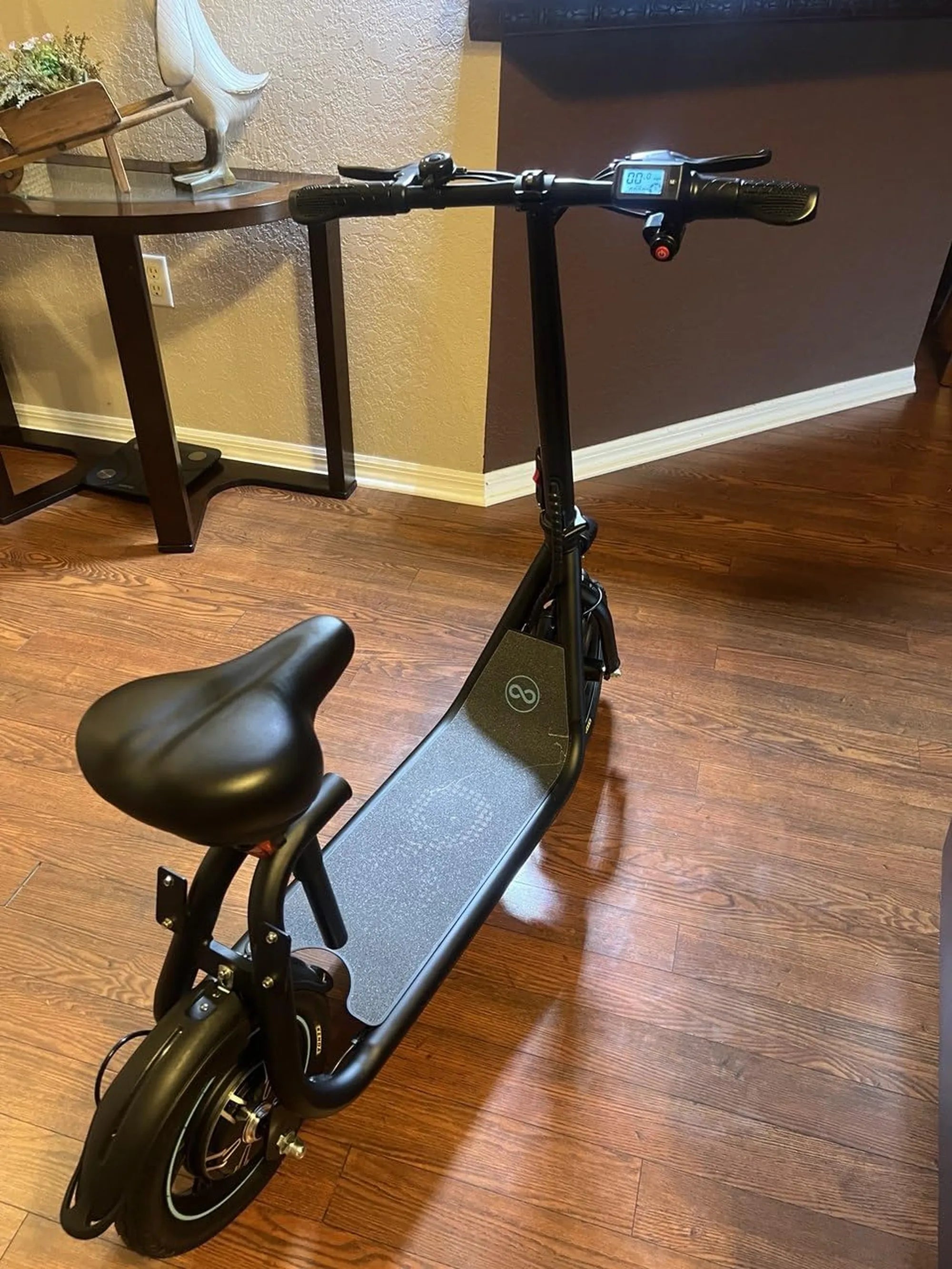
| Electric Scooter for Toddlers | Motor-powered, variable speed, often with remote parent control. | Extreme parental caution. Generally not suitable for 4-year-olds. | High speed risk, complex controls, reduces physical effort and skill development. Gyroor advocates mastering manual skills first. |
This comparison clearly shows that a stable 3-wheel kick scooter is the most appropriate and beneficial starting point. It allows the child to focus on the fundamentals of propulsion, steering, and braking without the added complexity of balancing on two wheels or managing motorized power.
Kick Scooters (Traditional vs. Lean-to-Steer)
Within the 3-wheel category, there are two main steering mechanisms: traditional and lean-to-steer. Traditional steering uses a handlebar that turns the front wheel(s) directly, similar to a bicycle. This is intuitive but requires more conscious steering input from the child.
Lean-to-steer (or lean-and-turn) mechanisms are increasingly popular for beginners. The scooter turns by the child leaning their body weight, while the handlebars may have limited independent movement. This design naturally links balance and turning, making it easier for young children to control and less prone to over-steering and sudden falls.
For a 4-year-old, a lean-to-steer 3-wheel scooter often provides the gentlest learning curve. It reinforces core balancing muscles and allows for smoother, more controlled turns. Gyroor utilizes this intelligent engineering in its beginner models to foster natural, confident riding from the very first push.
Electric Scooters for Toddlers: Are They Suitable?
The short answer is: rarely, and not without significant risk for a 4-year-old. Electric scooters introduce variables—speed, acceleration, battery management, and more complex brakes—that are inappropriate for most preschoolers. The primary goal at this age is to develop fundamental physical skills, which an electric motor bypasses.
Even models with slow speed limits and remote controls pose a higher risk. A child may accidentally activate the throttle, lose control on a slight incline, or be unable to react quickly enough to stop. The added weight of the motor and battery also makes the scooter harder to maneuver or carry if it tips.
Gyroor's philosophy centers on building a foundation of skill and safety. We recommend children fully master a manual kick scooter, developing balance, coordination, and traffic awareness, before ever considering an electric model at a much older age. The journey is as important as the destination.
Parent's Checklist: Before You Buy
Use this actionable checklist to evaluate any toddler scooter for a 4 year old. It consolidates the critical factors discussed into a quick reference guide.
- Stability: Does it have a 3-wheel design (preferably 2 front, 1 rear) and a wide, low deck?
- Adjustability: Does the handlebar height adjust easily to fit your child correctly now and for the next year?
- Braking: Is there a simple, effective rear foot brake? Test its smoothness.
- Build Quality: Is the frame made of reinforced aluminum? Does it feel solid, with no wobbly parts or sharp edges?
- Weight Limit: Does the rated capacity exceed your child's weight by at least 20-30 pounds for a safety margin?
- Wheels: Are they large (approx. 120mm) PU wheels for a smooth, grippy ride?
- Warranty: Does the manufacturer offer a comprehensive warranty (e.g., 1 year) on the frame and components?
- Brand Reputation: Is the brand known for safety standards and quality, like Gyroor with its UL-certified components and IPX5 water resistance in relevant models?
Checking each item ensures you select a scooter that is safe, durable, and developmentally appropriate, providing excellent value and peace of mind.
Frequently Asked Questions (FAQ)
Q1: What is the best scooter wheel type and size for a 4-year-old?
A: Large polyurethane (PU) wheels, approximately 120mm in diameter, are ideal. They provide superior shock absorption over sidewalk cracks and better grip on various surfaces compared to small, hard plastic wheels. This ensures a smoother, more controlled ride that boosts confidence.
Q2: How do I ensure my child consistently wears safety gear?
A: Make it non-negotiable and part of the routine. Let them choose their own helmet, knee pads, and elbow pads in a favorite color or design. Wear your own helmet if you're riding alongside them. Consistently model and enforce the rule: "No gear, no scooter." Praise them for gearing up safely.
Q3: Can learning to ride a scooter help my child learn to ride a bike?
A: Absolutely. A scooter is an excellent precursor to a bicycle. It develops the same core skills: dynamic balance, steering coordination, speed judgment, and braking. Children who are confident on a scooter often transition to pedal bikes without training wheels much faster, as they've already mastered the hardest part—balancing on two wheels.
Q4: What is the ideal weight limit I should look for?
A> Choose a scooter with a maximum weight capacity at least 40-50% higher than your child's current weight. If your child weighs 40 pounds, look for a scooter rated for 60+ pounds. This margin accounts for the dynamic forces of kicking and jumping, ensures long-term durability, and guarantees the scooter operates safely within its engineering limits.
Q5: How do I maintain and care for my child's scooter?
A: Regular maintenance is simple but crucial. Monthly, check that all bolts and fasteners are tight. Ensure the wheels spin freely and aren't worn down unevenly. Test the brake for responsiveness. Wipe down the scooter with a damp cloth to remove dirt. Avoid high-pressure water sprays. Store it in a dry place to prevent bearing corrosion.
Conclusion: Fostering Confidence on Wheels
Choosing the right toddler scooter for a 4 year old is an investment in your child's physical development, confidence, and joy. The optimal choice is a stable, durable 3-wheel kick scooter with adjustable handlebars, a reliable foot brake, and robust construction from a trusted brand. This setup prioritizes safety while unlocking the profound developmental benefits of independent mobility.
By focusing on these core principles, you provide a tool that does more than entertain—it educates the body and mind. It builds a foundation of balance and coordination that will serve your child in countless future activities. The confidence gained from mastering this skill is a gift that extends far beyond the sidewalk.
Ready to find the perfect scooter that combines safety, durability, and fun? Explore Gyroor's thoughtfully designed collection, where every model is built with the same commitment to quality that has earned the trust of over 100,000 riders. Browse the full Gyroor collection at gyroorboard.com and give your child the best start on their riding journey.
Front Wheel Tricycle Conversion Kit: The Ultimate Guide to Enhanced Stability
5th Wheel Ebike: The Ultimate Guide to Heavy-Duty Electric Cargo Transport