



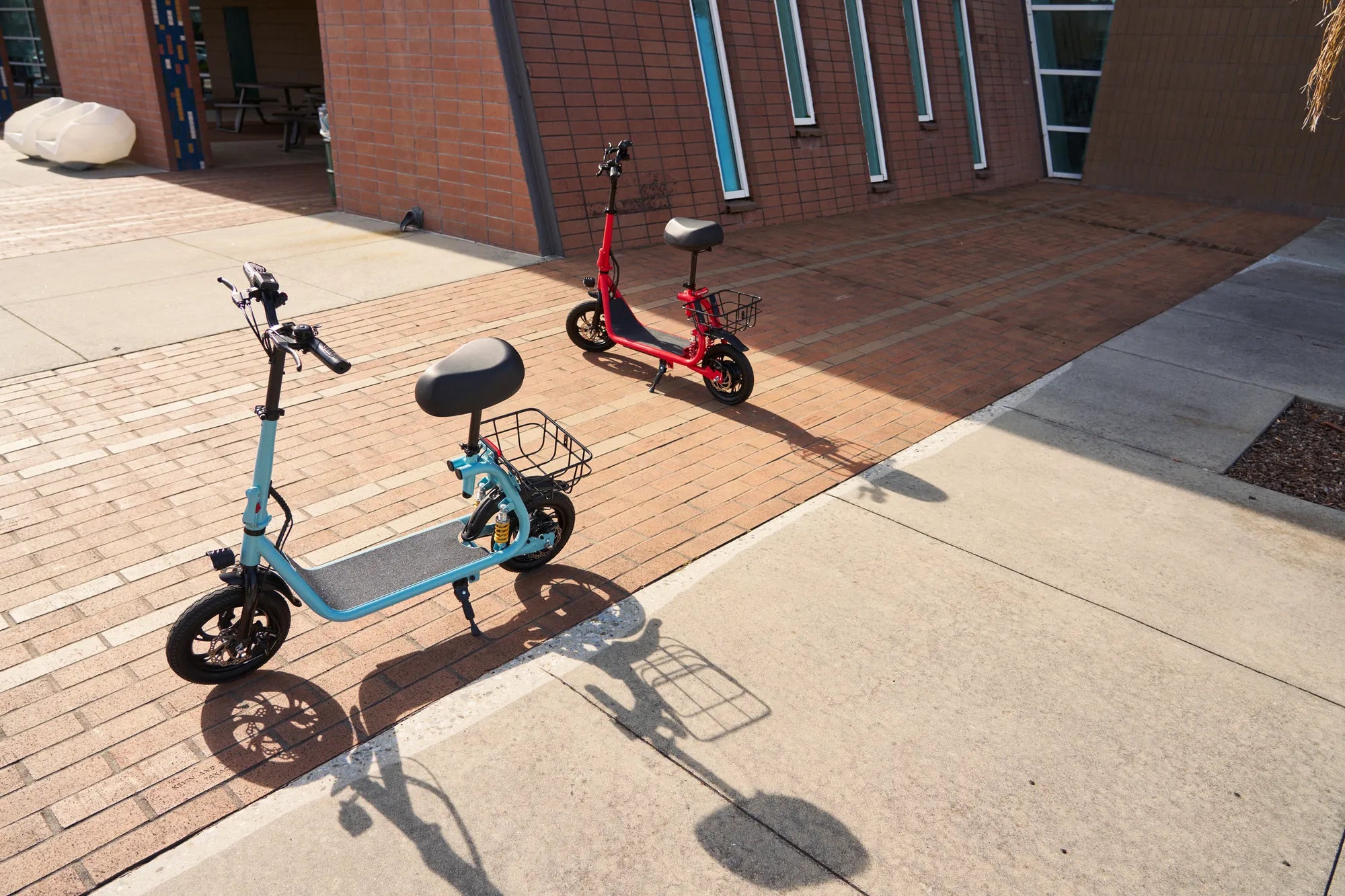
Navigating the 2025 Electric Scooter Landscape
The electric scooter market has matured beyond novelty into a legitimate segment of urban mobility. For 2025, advancements in battery safety, motor efficiency, and smart features have created a diverse array of options, making the choice more complex than ever. This guide provides a factual, specification-focused comparison to help you invest wisely.
You will learn how to interpret technical specs for real-world use, identify the right scooter category for your lifestyle, and understand the critical importance of build quality and warranty support. We move past top-speed claims to focus on daily reliability, safety certifications, and long-term value. This is your roadmap to navigating the Top Electric Scooters 2025 Comparison: The Ultimate Buyer's Guide.
Key Buying Factors for 2025: Beyond Just Speed
Choosing an electric scooter requires evaluating a matrix of interdependent features. The best model for you balances performance with practical considerations like portability, durability, and maintenance. Ignoring any single factor can lead to buyer's remorse when the scooter fails to meet daily needs.
Manufacturer claims often highlight ideal conditions. Your decision must be grounded in the reality of your weight, local terrain, climate, and storage situation. Let's deconstruct the specifications that genuinely matter for the 2025 rider.
Performance Metrics That Matter: Range, Power & Terrain
Advertised range is typically calculated using a lightweight rider on flat, smooth pavement at moderate speed. Real-world range can be 60-70% of this figure. Factors like rider weight, frequent stops/starts, hills, cold weather, and tire pressure significantly impact distance.
For a reliable commute, select a scooter with a rated range at least 50% greater than your round-trip distance. Motor power is listed in watts (W), but distinguish between nominal (sustained) and peak (burst) power. A 500W nominal motor is generally sufficient for flat urban areas, while hilly cities may require 800W or dual-motor setups for consistent climbing power.
Build, Safety, and Daily Usability
Frame material (typically aluminum alloy), welding quality, and folding mechanism robustness determine long-term durability. Braking systems are critical: disc brakes offer strong, consistent stopping power, while drum brakes require less maintenance. Electronic (regenerative) brakes supplement mechanical brakes but should not be the sole system.
Suspension (spring or hydraulic) and tire type define ride comfort. Pneumatic (air-filled) tires absorb shocks best but risk punctures. Solid or honeycomb tires are puncture-proof but transmit more vibration. For all-weather readiness, a water resistance rating of IPX5 or higher is essential, protecting against water jets from any direction.
The Battery & Warranty: Your Long-Term Investment
The battery is the scooter's most expensive and safety-critical component. Insist on UL 2271 or similar certified lithium-ion battery packs. These have passed rigorous testing for electrical, mechanical, and environmental safety. Battery lifespan is measured in charge cycles; a quality pack retains 80% capacity after 500+ cycles.
A comprehensive warranty reflects manufacturer confidence. Look for at least a 1-year warranty covering the battery, motor, and controller. Transparent customer support channels are as important as the warranty document itself. This protects your investment long after purchase.
Top Electric Scooter Categories of 2025
The market naturally segments by primary use-case. Identifying your category simplifies comparison by filtering out models ill-suited to your needs. Whether you're weaving through city traffic or exploring park trails, there's a scooter engineered for the task.
These categories are defined by a priority of features, not just a single spec. A commuter scooter prioritizes portability, while a performance model sacrifices weight for power and range. Understanding these trade-offs is key to satisfaction.
Best for Urban Commuters: Lightweight & Agile
The ideal city scooter weighs under 35 lbs for easy carrying up stairs or onto public transit. It features a one-click folding mechanism for compact storage. Target a real-world range of 12-20 miles, enough for most daily round-trips.
Key features include a bright headlight and brake light, a loud bell or horn, and sufficient suspension or tire cushioning for curb drops. Integrated app connectivity for speed modes, battery tracking, and anti-theft features adds smart convenience. An IPX5 rating ensures reliability in rain.
Best for Performance & Long-Distance: Power Riders
This category is for riders prioritizing speed, acceleration, and extended range over portability. These scooters often feature dual motors (500W+ each), large capacity batteries (15Ah+), and top speeds of 25-40 mph. Real-world range can exceed 30 miles per charge.
Build quality is paramount, with reinforced stems and decks. Dual braking systems (e.g., hydraulic disc + electronic) are mandatory for safe high-speed stops. Full suspension (front and rear) and wide, pneumatic tires provide stability and comfort on longer rides.
Best for Off-Road & Adventure: Conquering Rough Terrain
Off-road scooters are characterized by rugged, often non-folding frames, high ground clearance (5+ inches), and knobby, wide pneumatic tires (10+ inches) for traction on dirt, gravel, and grass. Powerful motors (1000W+ single or dual) provide high torque for climbing steep, uneven trails.
Robust, long-travel suspension (often hydraulic) is non-negotiable to absorb large impacts. The frame and components must have a high IP rating (IPX5 or IPX6) for mud and water resistance. These are specialized tools for adventure, not compact commuters.
Gyroor 2025 Lineup: A Closer Look at Engineered Reliability
As a leading brand trusted by over 100,000 riders, Gyroor's philosophy centers on certified safety, durable construction, and rider-focused design. Their 2025 lineup exemplifies the key buying factors, offering models that deliver reliable performance backed by a solid 1-year warranty and accessible customer support.
Each model is built with UL-certified battery packs, IPX5 water-resistant designs, and rigorously tested components. This commitment to quality control ensures riders get a vehicle that performs consistently, mile after mile. Let's examine how specific models align with the core categories.
Gyroor Z9: The Agile Urban Commuter
The Gyroor Z9 is engineered for the daily urban rider. It features a 350W peak motor, providing ample power for city hills, and a UL-certified battery offering up to 15 miles of real-world range. Weighing approximately 30 lbs with a quick-folding mechanism, it balances performance with true portability.
Its key commuter-friendly features include a front shock absorber, 8.5-inch solid tires for low maintenance, and a bright LED headlight. The IPX5 water-resistant rating means light rain won't end your ride. This model embodies the safe, reliable, and practical ethos needed for consistent city use.
Gyroor Warrior: The All-Terrain Explorer
For riders seeking adventure beyond pavement, the Gyroor Warrior is built to conquer. It boasts a high-torque 800W peak motor, tackling steep inclines and rough terrain with ease. The 10-inch pneumatic, knobby off-road tires and dual suspension system (front spring, rear hydraulic) soak up bumps for a controlled ride.
With a robust frame, digital display, and reliable disc braking system, it's designed for durability and safety in variable conditions. Like all Gyroor scooters, it incorporates a UL-certified battery and IPX5-rated construction, ensuring your exploration isn't limited by weather or worry.
The 2025 Comparison: Making Your Final Decision
With an understanding of categories and key specs, the final step is a systematic comparison of your shortlisted models. Create a simple spreadsheet or use the table template below to visualize the trade-offs. This objective side-by-side analysis will highlight the model that best matches your rider profile.
Place the highest priority on the 2-3 factors most critical to you. Is it foldability and weight? Or is it hill-climbing power and range? This prioritization will make the final choice clear.
Side-by-Spec Comparison Table Template
Use this template to evaluate competing models. Fill in the blanks with data from official manufacturer specifications for a clear, at-a-glance comparison.
| Model | Best For | Motor (Peak) | Max Range (Claimed) | Top Speed | Weight | Key Features | Warranty |
|---|---|---|---|---|---|---|---|
| Model A | Urban Commute | 350W | 18 mi | 19 mph | 28 lbs | IPX5, Solid Tires, Foldable | 1 Year |
| Model B | Performance | 800W Dual | 40 mi | 28 mph | 55 lbs | Dual Suspension, Disc Brakes | 1 Year |
| Model C | Off-Road | 1000W | 25 mi | 22 mph | 65 lbs | Knobby Tires, IPX5, High Clearance | 1 Year |
Your Personal Rider Profile: A Simple Decision Checklist
Answer these questions to define your needs before looking at any spec sheet.
- Primary Use: Daily commute, weekend fun, off-road trails, or errands?
- Round-Trip Distance: What is the maximum distance you'll need on a single charge?
- Terrain: Mostly flat, moderate hills, or steep inclines?
- Portability: Will you need to carry it upstairs or onto a bus/train frequently?
- Storage: Where will you store it at home and at your destination?
- Local Laws: What are the legal speed and power limits in your area?
- Budget: What is your total budget, including safety gear?
FAQ: Your Electric Scooter Questions, Answered
Q: Are electric scooters legal in my city?
A> Laws vary widely. Most major cities allow them on bike lanes and streets but ban them from sidewalks. Speed limits (often 15-20 mph), minimum rider age, and helmet requirements are common. Always check your local municipal transportation website for the most current regulations.
Q: How can I maximize my scooter's battery life?
A> Avoid draining the battery to 0% regularly; try to recharge when it hits 20-30%. Store the scooter in a cool, dry place, and avoid charging immediately after a hot ride. Use the manufacturer-provided charger, and don't leave it plugged in continuously for days.
Q: What safety gear is non-negotiable?
A> A properly fitted bicycle or multi-impact helmet is essential. For speeds over 20 mph, consider additional gear like knee and elbow pads, and riding gloves. A high-visibility vest or reflective strips are crucial for night riding.
Q: What does an IPX5 water resistance rating actually protect against?
A> An IPX5 rating means the scooter's electrical components are protected against water jets (6.3mm nozzle) from any direction. It can handle heavy rain and puddle splashes. It is NOT waterproof for submersion. Never ride through deep standing water.
Q: How important is after-sales service and warranty?
A> Extremely important. Electric scooters are complex vehicles. A responsive customer service team and a clear warranty that covers the battery, motor, and frame can save hundreds of dollars in repairs. Brands with established service networks offer greater long-term peace of mind.
Conclusion: Embracing Smart, Sustainable Mobility in 2025
The perfect electric scooter seamlessly integrates into your life, providing reliable, fun, and eco-friendly transportation. By focusing on certified safety features like UL-rated batteries, practical durability through IPX5 water resistance, and the security of a strong warranty, you invest in mobility that lasts.
Use this Top Electric Scooters 2025 Comparison: The Ultimate Buyer's Guide as your benchmark. Test ride if possible, prioritize your needs over flashy specs, and choose a model from a brand that stands behind its product. The future of urban transport is here—equip yourself with knowledge and ride with confidence.
Ready to explore a range of scooters built with certified safety and rider-focused design? Browse the full Gyroor collection, featuring UL-certified batteries and IPX5 water-resistant models, at gyroorboard.com.
Are Kids Electric Scooters Illegal? A Parent's Complete Legal & Safety Guide
Do Electric Scooters Work on Grass? Exploring Off-Road Capabilities