


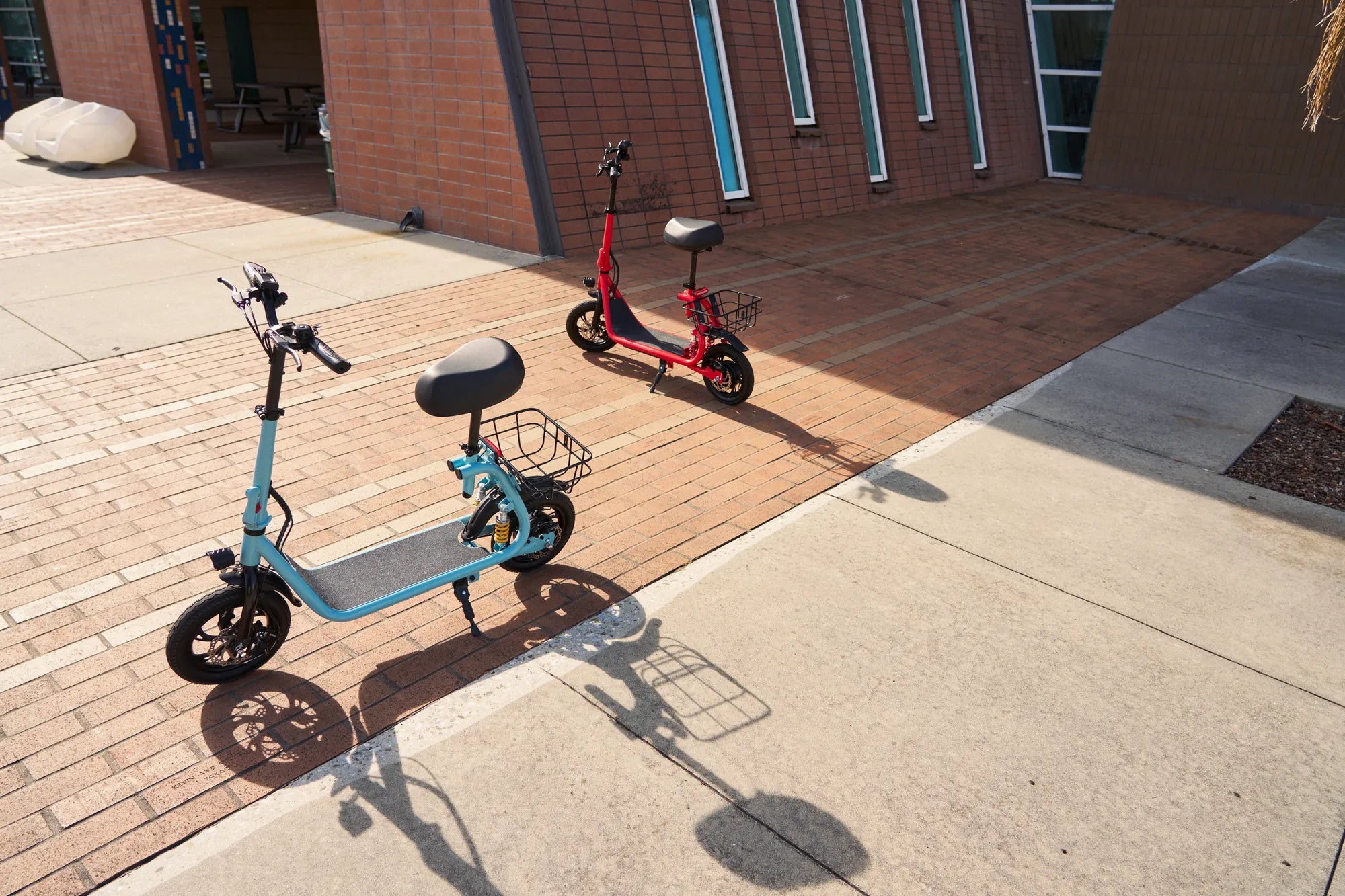
Navigating the World of Electric Scooters for Teens
Finding the right electric scooter for a teenager involves more than picking a fast or stylish model. It requires a careful balance of safety engineering, age-appropriate performance, and durable construction. This guide provides the data-driven insights parents need to make an informed choice. We focus on models that prioritize certified safety features and responsible design, ensuring rides are both enjoyable and secure.
The Top Electric Scooters for Teens 2025: The Ultimate Guide to Safe and Fun Rides cuts through marketing hype. We analyze key specifications from motor power to braking systems, emphasizing real-world safety over peak speed. Our recommendations are built on factors like battery certification, water resistance, and warranty support that truly matter for teen use.
Brands that understand family needs, like Gyroor, design with these priorities from the start. With over 100,000 riders trusting their UL-certified batteries and robust builds, such brands set a standard. This guide will help you identify scooters that meet this benchmark, whether for commuting, recreation, or light off-road adventures.
Ultimately, the right scooter can offer a teen valuable independence and an eco-friendly transport option. The goal is to empower that freedom without compromising on security. Let's explore the essential criteria that separate a passing trend from a trustworthy, long-term investment.
Key Factors for Choosing a Safe Teen E-Scooter
Selecting a scooter requires evaluating a checklist of safety and performance features. Price and aesthetics are secondary to build quality, governed speed, and verified battery safety. These factors directly influence a teen's ability to control the vehicle and its long-term reliability.
Parents should prioritize specifications that mitigate risk. This includes electronic speed limiters, dual braking systems, and durable tires. A scooter's IP water resistance rating is also crucial, as teens will inevitably encounter puddles or light rain.
Warranty and customer support are often overlooked but critical. A comprehensive warranty, like Gyroor's 1-year coverage, signals manufacturer confidence and protects your investment. Accessible support ensures any issues can be resolved quickly, keeping the scooter safe to operate.
Finally, consider the scooter's weight and portability. A model that is too heavy may be difficult for a younger teen to carry or maneuver. Folding mechanisms should be robust and easy to use, adding convenience for storage and transport.
Safety First: Understanding Speed Limits and Power
Motor power, measured in watts (W), determines a scooter's acceleration and hill-climbing ability. For most teens, a motor between 250W and 350W provides ample power for typical commutes without excessive, hard-to-control acceleration. Higher wattage often correlates with higher top speeds, which must be carefully managed.
Governed speed limits are a non-negotiable safety feature. The ideal Top Electric Scooters for Teens 2025 will have a maximum speed capped between 15 and 20 mph. More importantly, they should offer multiple speed modes (e.g., Beginner, Eco, Sport) accessible via a display or companion app. This allows parents to lock the scooter to a safer speed initially.
Acceleration curves matter. A scooter with a smooth, gradual acceleration profile is safer and more predictable for a learning rider than one with a sudden, jerky start. Look for models that highlight smooth throttle control in their technical specifications.
Power must be paired with control. A high-torque motor is only safe if the scooter also has a robust frame, wide deck for stable footing, and responsive brakes. Never evaluate motor power in isolation from these other critical safety components.
Build Quality and Durability: Withstanding Teen Use
The frame is the scooter's backbone. Aircraft-grade aluminum alloy is the industry standard for a reason: it offers an excellent strength-to-weight ratio, resisting the bumps and impacts of daily riding. Check the welding points on the stem and deck; clean, solid welds indicate quality manufacturing.
Braking systems are your primary safety mechanism. A dual-brake system—typically combining a disc brake (front or rear) with an electronic regenerative brake—provides redundant stopping power. Disc brakes offer consistent performance in varied weather, while regenerative brakes help recharge the battery slightly during use.
Tire choice affects stability and comfort. Pneumatic (air-filled) tires, often 8.5 to 10 inches in diameter, provide superior shock absorption and grip compared to solid rubber tires. They make for a smoother ride over cracks and bumps, giving the rider more control. Some models feature tubeless pneumatic tires to reduce puncture risk.
Ingress Protection (IP) ratings define a device's resistance to dust and water. For real-world teen use, a rating of at least IPX4 (splash-resistant) is advisable, with IPX5 (water jet-resistant) being ideal. Gyroor models, for example, are built to an IPX5 standard, meaning they can withstand low-pressure water jets from any direction, a key feature for durability.
Battery Safety and Certification: The Non-Negotiable
The battery is the most critical safety component. Insist on models that use lithium-ion battery packs with certification from a nationally recognized testing laboratory (NRTL). UL (Underwriters Laboratories) certification is the gold standard in North America, indicating the battery has passed rigorous tests for electrical, mechanical, and fire safety.
A Battery Management System (BMS) is an internal electronic brain that protects the battery. It monitors cell voltage, temperature, and current, preventing overcharging, over-discharging, and short circuits. A high-quality BMS is essential for battery longevity and safety, managing the 500+ charge cycles a quality battery should deliver.
Range is determined by battery capacity (measured in Watt-hours, Wh) and riding conditions. Manufacturers often list a "maximum" range under ideal circumstances. For realistic teen commuting, expect 10-20 miles per charge depending on rider weight, terrain, and speed. Teach teens to monitor battery level and avoid completely draining the battery.
Safe charging practices are part of ownership. Use only the manufacturer-provided charger and charge on a non-flammable surface in a well-ventilated area. Avoid leaving the scooter plugged in for extended periods after reaching 100%. Proper storage at a partial charge (around 50-80%) is recommended for periods of non-use.
Top Recommended Electric Scooter Models for Teens (2025)
Our curated selection for the Top Electric Scooters for Teens 2025 is based on the safety and durability factors outlined above. We compare key specifications in a detailed table to provide a clear, data-driven overview. These models represent different use cases, from daily commuting to weekend trail riding.
Each recommendation prioritizes verified safety certifications, sensible speed limits, and robust construction. We include models from Gyroor's lineup, known for their UL-certified batteries and IPX5 rating, alongside other reputable brands that meet our stringent criteria for teen use. Performance is balanced with essential protective features.
The following comparison table provides a snapshot of critical specifications. Use it as a starting point for your research, but remember to also consider the scooter's ergonomics, app connectivity for parental controls, and the availability of local service or support.
| Model & Type | Motor Power | Max Speed (Gov.) | Max Range | Key Safety Features | Ideal For |
|---|---|---|---|---|---|
| Gyroor S80 All-Terrain | 350W | 18 mph | 18 miles | UL Bat., IPX5, Dual Brakes, 10" Pneumatic Tires | Commuting & Light Trails |
| Gyroor S60 City Commuter | 300W | 16 mph | 15 miles | UL Bat., IPX5, 3 Speed Modes, Folding | Urban/School Commutes |
| Brand A Urban Glide | 250W | 15 mph | 12 miles | Dual Brakes, Kick Start, Lightweight | First-Time Riders |
| Brand B Trail Explorer | 500W | 20 mph* | 22 miles | Front Suspension, Wide Deck, High Clearance | Off-Road Adventures |
*Parental speed lock recommended via app. Note: Always verify the latest specifications and certifications directly with the manufacturer before purchase.
The All-Rounder: Best for Commuting & Recreation
For the teen who needs a reliable ride to school, friends' houses, and the park, an all-rounder is the best choice. The Gyroor S60 City Commuter exemplifies this category. Its 300W motor provides enough power for moderate hills, while its speed is capped at a sensible 16 mph, with three modes to limit it further for beginners.
This model's IPX5 water resistance means a sudden rain shower or wet pavement won't end the ride or damage components. The folding mechanism is robust and simple, making it easy to store in a locker or carry onto a bus. A bright headlight and taillight ensure visibility during early mornings or evenings.
With a realistic range of 12-15 miles, it covers most daily teen travel needs on a single charge. The deck is wide enough for stable footing, and the 8.5-inch pneumatic tires offer a comfortable ride over common urban obstacles. It strikes a balance between performance, safety, and practical portability.
When evaluating all-rounders, look for this blend of governed performance, weather resistance, and convenient design. It's the scooter that will be used most often and needs to handle the broadest range of conditions safely and reliably.
The Safety-Focused Pick: Ideal for First-Time Riders
For a teen's first electric scooter, safety features and controlled learning take absolute priority. Models in this category often have slightly lower power (250W-300W) and incorporate design elements that build rider confidence. A key feature is a "kick-to-start" function, which requires a push-off before the throttle engages, preventing accidental sudden acceleration.
These scooters emphasize stability. This includes a lower deck height for easier mounting, a longer wheelbase, and wider handlebars. Dual braking is mandatory, and bright, always-on running lights are a significant advantage for visibility. App connectivity that allows parents to set a geofence or lock the maximum speed is a highly valuable tool.
The Gyroor S60, with its beginner-friendly speed modes and UL-certified battery, is a strong contender here. The peace of mind from a 1-year warranty covering the motor, battery, and controller cannot be overstated for a first vehicle. It means any manufacturing defects will be addressed, maintaining the scooter's safety over time.
Investing in a safety-focused model from a reputable brand establishes good riding habits from day one. It allows the teen to master control and etiquette at lower speeds before potentially graduating to a more powerful model in the future.
The Off-Road Adventurer: For Trails and Rough Pavement
For teens with access to park trails, gravel paths, or uneven terrain, a more capable scooter is needed. These models, like the Gyroor S80 All-Terrain, feature enhanced suspension systems (often front spring or hydraulic), larger pneumatic tires (9-10 inches), and higher ground clearance. The motor is typically more powerful (350W+) to handle inclines.
Safety for off-road use is paramount and requires additional rider discipline. The higher potential speeds and rougher terrain make full protective gear—not just a helmet—absolutely non-negotiable. Parents should establish strict rules about approved trails and prohibit riding on technical mountain bike paths or dangerous slopes.
These scooters are generally heavier and less portable but are built to absorb impacts. The S80's IPX5 rating is crucial here, as off-road riding often involves mud, puddles, and dust. Its dual braking system provides reliable stopping power on loose or wet surfaces where traction is reduced.
Choosing an off-road model is a commitment to supervised, responsible adventure. It opens up new riding opportunities but demands greater maturity from the teen and more diligent oversight from parents to ensure it remains a source of fun, not risk.
Essential Safety Gear and Riding Etiquette
The safest scooter is ineffective without the right gear and knowledge. Safety equipment is the rider's last line of defense, while etiquette ensures they avoid dangerous situations altogether. This combination is what transforms a fun vehicle into a responsible mode of transportation.
Parents should treat gear as part of the initial purchase. Budget for a high-quality helmet, pads, and lights alongside the scooter itself. Making gear non-negotiable from the start sets the right tone for a safety-first riding culture. It should be as automatic as putting on a seatbelt.
Riding etiquette is about awareness and respect—for pedestrians, cyclists, and motorists. Teens must understand they are operating a vehicle, not a toy, and are subject to local traffic laws. A pre-ride checklist and a discussion of planned routes are good habits to establish early.
Consistent reinforcement of these rules is key. The goal is to build muscle memory for safe practices, ensuring they become second nature every time the teen steps onto the scooter, whether for a quick trip or a long adventure.
The Non-Negotiable Gear Checklist
Helmet: Must be CPSC (Consumer Product Safety Commission) certified for bicycle or multi-impact use. It should fit snugly without rocking and be replaced after any significant impact, even if no damage is visible. Full-face helmets offer superior protection for off-road riding.
Knee and Elbow Pads: These protect the joints most vulnerable in a fall. Look for hard-shell caps with adjustable straps and breathable padding. They should allow for a full range of motion without slipping.
Wrist Guards: Critical for preventing fractures and severe abrasions. In a fall, instinct leads us to put our hands out; wrist guards absorb and distribute that impact. They are a must-have, especially for new riders.
High-Visibility Elements: This includes a reflective vest, ankle bands, or clothing with integrated reflective strips. Even during the day, bright colors increase a rider's visibility to drivers. For night riding, active LED armbands or clip-on lights are essential supplements to the scooter's built-in lights.
Rules of the Road: Teaching Responsible Riding
Know and Obey Local Laws: Laws vary by city and state regarding where e-scooters can be ridden (bike lanes vs. roads vs. sidewalks), minimum age, and helmet requirements. It is the rider's responsibility to know these rules. Generally, sidewalks should be avoided in busy areas to protect pedestrians.
Ride Defensively and Predictably: Assume drivers do not see you. Use hand signals for turns and stops. Ride in a straight line, don't weave in and out of parked cars, and always check over your shoulder before changing position. Make eye contact with drivers at intersections when possible.
Environmental Awareness: Scan the path ahead for hazards like potholes, wet leaves, gravel, or cracks. Slow down before bumps. Never ride with headphones in both ears, as hearing traffic is a key part of situational awareness. Avoid riding in heavy rain, fog, or after dark unless absolutely necessary and with enhanced lighting.
Respect for Others: Yield to pedestrians, give an audible warning (a bell or a polite "on your left") when passing, and maintain a safe speed in shared spaces. Never carry a passenger; e-scooters are designed for one rider only. Park responsibly where it won't block sidewalks, ramps, or building entrances.
Parental Guidance: Maintenance, Rules, and Support
Active parental involvement is the cornerstone of safe teen e-scooter ownership. This goes beyond the initial purchase to include setting clear boundaries, performing regular maintenance checks, and knowing how to access support. Framing this as shared responsibility fosters maturity in the teen.
Establish a "scooter contract" that outlines rules, consequences, and maintenance duties. This formalizes expectations and gives both parties a clear reference point. Include the teen in simple maintenance tasks as a way to teach mechanical responsibility and deepen their understanding of the vehicle.
Keep records of the purchase receipt, warranty registration, and any service communications. Know how to contact the manufacturer's customer support. Brands like Gyroor with US-based support teams can provide faster, more relevant assistance for parts or troubleshooting.
Your role evolves from supervisor to coach. As the teen demonstrates consistent responsibility, you can gradually expand their riding privileges. This process itself is a valuable lesson in earning trust and demonstrating safe decision-making.
Setting Ground Rules and Supervision
Define clear geographic boundaries (e.g., within the neighborhood, not crossing major roads) and time limits (home before dusk). Establish weather condition rules: no riding in rain, on wet roads, or in high winds. These rules should be absolute, not suggestions.
Implement a "check-in" system for longer rides. The teen should share their planned route and estimated return time. For younger teens (13-15), initial supervised rides are crucial. Ride alongside them on a bicycle to observe their habits and comfort level before granting solo privileges.
Set rules about device usage: absolutely no phone use while riding, and no riding while distracted or upset. Discuss the dangers of showing off or racing with friends. The scooter is a vehicle, not a toy for stunts.
Regularly revisit these rules. As the teen grows older and more experienced, the rules can be adjusted collaboratively. This ongoing dialogue keeps safety at the forefront and shows that the rules are about their well-being, not just control.
Simple Maintenance for Longevity and Safety
Pre-Ride Check (Weekly): Inspect tire pressure with a gauge (refer to sidewall for PSI). Squeeze brake levers to ensure they engage firmly and aren't loose. Check that headlights, taillights, and brake lights are functional. Ensure the folding mechanism is securely locked.
Monthly Maintenance: Tighten all visible bolts and fasteners on the handlebars, stem, and deck using the provided tools. Check brake pads for wear and ensure the disc rotor is clean and straight. Wipe down the scooter to remove dirt and debris, especially from mechanical parts.
Battery Care: Follow the 80/20 rule when possible: avoid letting the battery drop below 20% or charging above 80% for daily use to prolong its lifespan. Store the scooter in a cool, dry place, away from extreme temperatures. Never charge the battery immediately after a ride; let it cool to room temperature first.
Professional Check-Up: Once a year, or if any unusual noises, vibrations, or performance issues arise, consider having the scooter inspected by a professional or contacting the manufacturer's support. Don't attempt to disassemble the motor, battery, or controller yourself.
Frequently Asked Questions (FAQs)
Q1: What is the right age for a teen to have an e-scooter?
A: There's no universal age, but maturity and local laws are key. Most reputable manufacturers recommend ages 13+. Consider the teen's physical coordination, judgment, and ability to follow rules. Start with a low-speed, safety-focused model and extensive supervised practice, regardless of age.
Q2: Are electric scooters for teens legal in my area?
A: Legality varies widely. Check your city's municipal code and state vehicle laws. Common restrictions include a minimum age (often 14-16), a maximum speed (often 15-20 mph), requirements to ride in bike lanes, and mandatory helmet use. The onus is on the rider/parent to comply.
Q3: How can I limit the scooter's speed for my child?
A> Many modern scooters offer speed-limiting features. The primary method is through multiple speed modes (e.g., Mode 1: 9 mph, Mode 2: 13 mph, Mode 3: 16 mph) selectable on the display. Some companion apps allow parents to set a permanent maximum speed lock or create geofenced areas where speed is automatically reduced.
Q4: What should I do if the scooter gets wet?
A> For scooters with an IPX4 or higher rating (like Gyroor's IPX5), light rain and puddles are fine. After riding in wet conditions, wipe the scooter down with a dry cloth, paying attention to the deck, brakes, and stem. Never submerge the scooter or charge it while it is still wet. Allow it to fully air dry before storage or charging.
Q5: How does Gyroor's warranty work, and what does it cover?
A> Gyroor offers a 1-year limited warranty on the electric scooter from the date of purchase. It covers defects in materials and workmanship for key components including the battery (UL-certified), motor, and controller. It does not cover damage from accidents, misuse, neglect, or unauthorized modifications. Warranty claims are processed through their customer support team.
Q6: Can my teen carry a backpack while riding?
A> Yes, but it must be worn securely on both shoulders and not be overly heavy or bulky. An unbalanced or heavy backpack can affect the rider's center of gravity and control. Ensure the straps are tight so the bag doesn't swing around. The teen should practice riding with it in a safe area first.
Empowering Teens with Smart, Safe Mobility
Choosing from the Top Electric Scooters for Teens 2025 is an exercise in balancing freedom with responsibility. The right model, selected with an emphasis on UL-certified batteries, governed speed, and durable construction like that found in Gyroor's lineup, provides a platform for safe independence. It’s an investment in a product designed to withstand real-world use while protecting the rider.
This guide underscores that safety is a system, not a single feature. It combines the scooter's engineered safeguards with mandatory protective gear, ingrained riding etiquette, and proactive parental oversight. When these elements align, the electric scooter transforms from a simple gadget into a valuable tool for mobility and growth.
The journey doesn't end at purchase. Ongoing maintenance, rule-setting, and open communication are what sustain safe riding habits for years. Brands that stand behind their products with strong warranties and accessible support, as Gyroor does for over 100,000 riders, become partners in this journey.
Ultimately, a well-chosen electric scooter offers more than just fun. It teaches responsibility, provides eco-friendly transportation, and grants a measured taste of independence. By prioritizing verified safety and quality from the start, you empower your teen to explore their world with confidence and security. Ready to explore models that put safety first? Browse the full Gyroor collection at gyroorboard.com.
Are Electric Scooters Okay in the Rain? Safety and Performance Explained
Electric Scooters With GPS: The Future of Smart Urban Mobility