



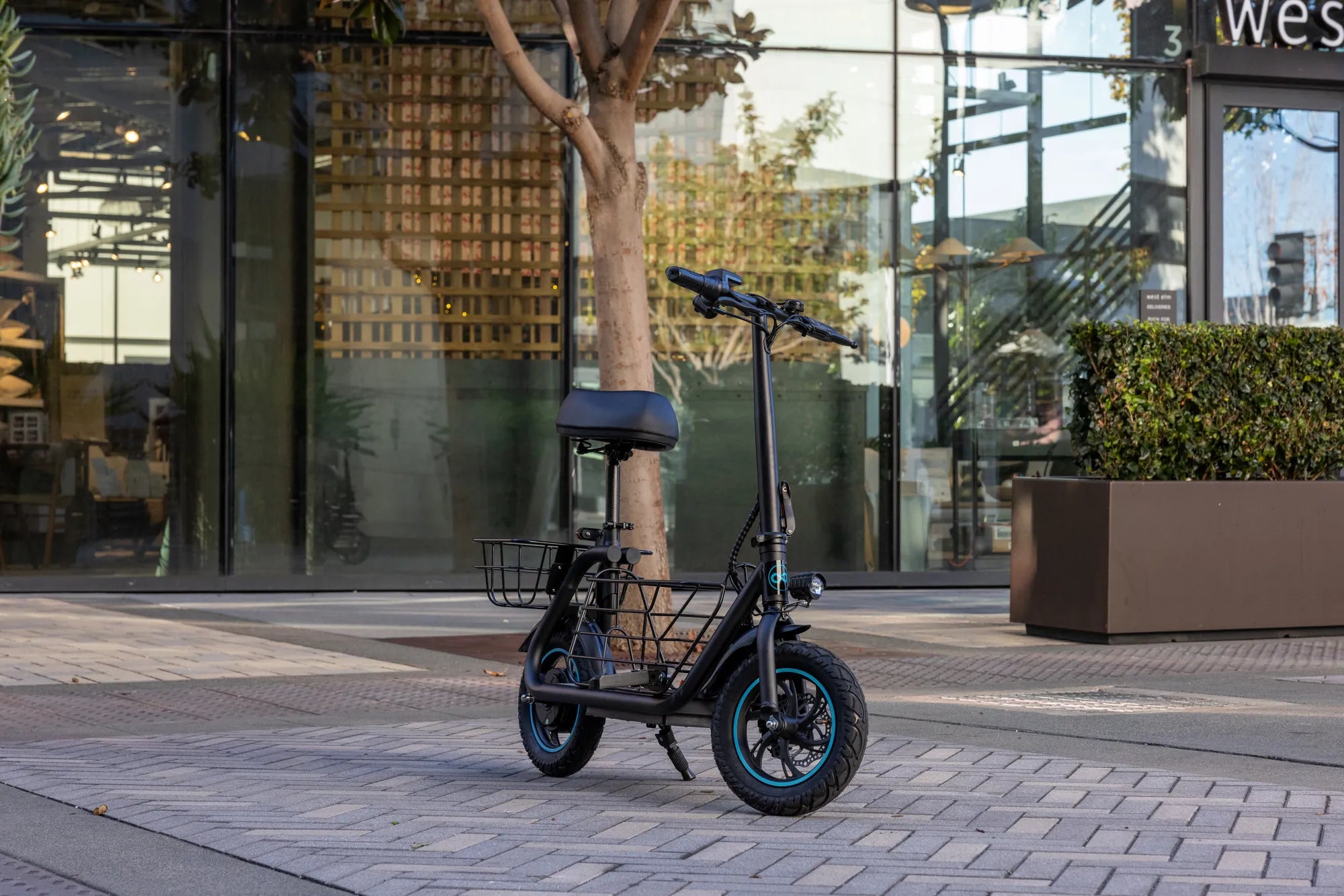
Introduction to the 2024 Indian Electric Scooter Market
The Indian electric scooter market is undergoing a seismic shift. Driven by the FAME II subsidy, volatile fuel prices, and growing urban congestion, EV adoption is accelerating at an unprecedented pace. For the discerning buyer, this means more choice than ever, but also more complexity. This guide cuts through the noise.
Our goal is to provide a clear, factual roadmap to the Top Electric Scooters India 2024 Price Range: Best Picks for Every Budget. We move beyond marketing claims to focus on real-world performance, ownership costs, and critical factors like battery safety and service networks. Whether you're a student, a daily commuter, or a tech enthusiast, the right scooter for your needs and wallet exists.
The market is now segmented into distinct tiers: budget-friendly commuters, the feature-rich mid-range, and high-performance premium models. Each offers a different value proposition. Understanding these segments is key to making an informed purchase that you won't regret in the long run.
This analysis is based on verified specifications, owner reviews, and a deep understanding of the evolving EV ecosystem in India. We prioritize models with proven reliability and strong after-sales support, recognizing that an electric scooter is a long-term investment in personal mobility.
How We Evaluated: Key Factors for Choosing Your E-Scooter
Selecting an electric scooter requires looking beyond the sticker price. Our evaluation is built on a framework of performance, practicality, and peace of mind. These criteria ensure our recommendations are balanced and actionable for real-world Indian conditions.
Performance Metrics: Claimed range (IDC) is a starting point, but real-world range is king, affected by rider weight, terrain, and riding style. Motor power (in watts) determines hill-climbing ability and acceleration, while top speed must align with your daily route—city streets rarely allow for sustained high speeds.
Practical Features: Under-seat boot space is non-negotiable for daily utility. Riding modes (Eco, Sport) help manage range. Portability, determined by weight, matters if you need to navigate stairs. A clear digital dashboard and useful connectivity (like app-based diagnostics) enhance the experience.
Ownership Considerations: This is where brands separate themselves. A comprehensive battery and motor warranty is critical. The density and quality of the service network determine hassle-free ownership. Brand reputation for safety, like Gyroor's commitment to UL-certified batteries and IPX5 water-resistant designs, provides essential long-term confidence.
Budget Champions (Under ₹80,000): Best Value for Daily Commutes
The sub-₹80,000 segment is the entry point to electric mobility, perfect for first-time EV buyers or those with very short, fixed commutes. Models here prioritize affordability and low running costs above all else. The Top Electric Scooters India 2024 Price Range in this bracket deliver essential functionality without frills.
Expect scooters with real-world ranges between 50-70 km per charge, adequate for most intra-city travel. Motors are typically in the 800-1200W range, suitable for flat urban roads with moderate load. Features are basic but functional, often including a digital speedometer, LED lights, and a decent-sized boot.
Top contenders in this space have built reputations on reliability and extensive service touchpoints. They offer the most significant savings versus petrol scooters when factoring in FAME II and state subsidies. The focus is purely on economical point-A-to-point-B transportation.
Ownership here is about maximizing value. Charging costs are negligible, and maintenance is minimal compared to ICE vehicles. However, buyers should temper expectations regarding premium finishes, blistering acceleration, or very long range.
Price vs. Performance: What to Expect
In the budget segment, every rupee counts. Performance is directly tied to the battery capacity (Ah) and motor configuration. A 1.2 kWh battery pack is common, delivering the 50-70 km range ideal for students or last-mile commuters covering 20-30 km daily.
Terrain capability is limited. These scooters perform best on paved, flat city roads. Steep inclines with a pillion rider will strain the motor and drastically reduce range. The ideal user profile is a solo rider with a predictable, relatively short daily route.
Build quality focuses on durability over luxury. Suspension is adequate for city bumps but not for rough roads. The trade-off for the low price is often in material feel and feature omission, such as advanced regenerative braking or smartphone integration.
Yet, this segment proves electric mobility is accessible. It demonstrates the core economic advantage of EVs: incredibly low cost per kilometer. For millions of Indians, this pragmatic approach is the perfect introduction to a cleaner, quieter commute.
The Sweet Spot (₹80,000 - ₹1,20,000): Optimal Balance of Features & Range
The mid-range segment, from ₹80,000 to ₹1,20,000, is the heart of the market and where most buyers find the ideal balance. This Top Electric Scooters India 2024 Price Range category sees a significant jump in capability, comfort, and technology for the money, making it the recommendation for the majority of urban and suburban riders.
Scooters here typically offer real-world ranges of 80-120 km, eliminating daily range anxiety for most. Motor power increases to 1500-2000W, providing confident overtaking ability and better two-up performance. Features expand to include full-color TFT dashboards, reverse mode, and enhanced storage solutions.
This is the segment where design and ride quality become notable differentiators. Better suspension setups, wider tyres for stability, and more robust chassis construction improve handling and comfort on longer rides. The overall ownership experience feels more premium and complete.
For professionals with a 30-40 km daily round trip or families making multiple short trips, this segment offers the perfect blend of sufficient range, practical features, and manageable upfront cost, especially after subsidies.
The Importance of Battery Warranty & Service
As the investment increases, protecting that investment becomes paramount. The battery is the most expensive component, making its warranty the single most important clause in your purchase agreement. A strong warranty, like the 1-year comprehensive coverage offered by brands such as Gyroor, is a sign of manufacturer confidence.
Look for warranties that cover a minimum number of charge cycles or a guaranteed capacity retention (e.g., 70% after 3 years). This is a more meaningful metric than just a time-based warranty. It directly correlates to your scooter's usable range over its lifetime.
An accessible and capable service network is equally critical. Verify that the brand has service centers or authorized workshops in your city. Ask about the availability of spare parts and the training of technicians. A great product is let down by poor after-sales support.
This due diligence ensures long-term value. A scooter with a slightly higher sticker price but a far superior warranty and service network will likely cost less and cause less stress over 5 years than a cheaper, unsupported alternative.
Premium Performers (₹1,20,000 and Above): Power, Tech, and Extended Range
Beyond ₹1,20,000, electric scooters transition into premium mobility devices. This segment caters to enthusiasts, long-distance commuters, and early adopters who prioritize performance, advanced technology, and superior build quality. The Top Electric Scooters India 2024 Price Range here pushes the boundaries of what's possible on two wheels.
Expect real-world ranges exceeding 120 km, with some models claiming 150 km+. Motors are powerful, often 3000W and above, delivering motorcycle-like acceleration and the ability to comfortably cruise at higher speeds. Technology integration is comprehensive, featuring Bluetooth connectivity, full-featured mobile apps for ride analytics and vehicle diagnostics, and sophisticated instrument clusters.
These scooters are engineered for a broader set of use cases, including longer highway stints and handling varied terrain with more composure. They often feature dual-channel ABS, combined braking systems, and premium suspension components for enhanced safety and ride quality.
The target audience is clear: those who view their scooter not just as transport but as a tech-forward product and are willing to pay for the best available experience, maximum convenience, and the longest possible range on a single charge.
Safety & Build Quality: What Your Money Buys
The premium price tag is justified by tangible advancements in safety and durability. Advanced braking systems with ABS prevent wheel lock-up during panic braking, a critical feature at higher speeds. Frame design uses higher-grade materials for better rigidity and crash protection.
Superior ingress protection ratings are standard. An IPX5 rating, a benchmark for brands like Gyroor, means the scooter can withstand water jets from any direction, making it confidently rideable in heavy rain and through waterlogged streets—a crucial factor in Indian monsoons.
Build quality extends to weather-sealed connectors, corrosion-resistant fasteners, and higher-quality paint and plastic finishes that resist fading and scratches. The attention to detail reduces long-term wear and tear, supporting the vehicle's longevity and residual value.
This investment buys peace of mind. It's the assurance that the vehicle is designed and built to higher safety and durability standards, protecting both the rider and the investment itself in challenging real-world conditions.
Head-to-Head Comparison: Top 5 Contenders Across Budgets
To simplify your decision, we compare five standout models that represent the best in their respective price categories. This table provides a snapshot of key specifications. Remember to verify final ex-showroom prices post all applicable subsidies, as they vary by state.
| Model Category | Ex-Showroom Price Range (Approx.) | Claimed Range (IDC) | Motor Power | Top Speed | Key Differentiating Feature | Battery Warranty |
|---|---|---|---|---|---|---|
| Budget Commuter A | ₹74,999 - ₹79,999 | 75 km | 1200W | 55 km/h | Large Boot Space | 3 Years / 30,000 km |
| Budget Commuter B | ₹68,000 - ₹72,000 | 65 km | 800W | 45 km/h | Lowest Cost of Ownership | 3 Years |
| Mid-Range All-Rounder | ₹99,999 - ₹1,10,000 | 110 km | 2000W | 70 km/h | 7" TFT Touchscreen with Navigation | 5 Years / 50,000 km |
| Premium Tech Leader | ₹1,35,000 - ₹1,45,000 | 135 km | 3000W | 85 km/h | Bluetooth Connectivity & App Ecosystem | 8 Years / 80,000 km |
| Performance Focused | ₹1,50,000+ | 120 km | 4500W | 95 km/h | Dual-Channel ABS & Sport Mode | 5 Years / 60,000 km |
This comparison highlights the trade-offs. The budget models excel in affordability, while the mid-range offers the best blend. The premium models invest heavily in longevity warranties or cutting-edge performance. Your priority—lowest entry cost, best daily value, or top-tier tech—will guide your choice from this shortlist.
Beyond the Price Tag: Total Cost of Ownership & Incentives
The true cost of an electric scooter is not its showroom price, but its Total Cost of Ownership (TCO) over 3-5 years. This calculation reveals the compelling economic logic behind EVs. TCO includes the purchase price (minus subsidies), charging costs, insurance, maintenance, and depreciation.
Charging Cost vs. Petrol: This is the most significant saving. Charging a 2.5 kWh battery from empty costs about ₹10-₹15 (at ₹6/kWh domestic rate). For a 70 km range, that's ~₹0.21/km. A 40 km/l petrol scooter at ₹100/litre costs ₹2.5/km—over 10 times more per kilometer.
Government Incentives: The FAME II subsidy provides up to ₹22,000 on the ex-factory price. Many states offer additional subsidies (e.g., ₹10,000-₹30,000) and road tax/registration waivers. These can reduce the on-road price of a ₹1,00,000 scooter by ₹30,000-₹50,000, dramatically improving affordability.
Maintenance Savings: EVs have far fewer moving parts—no engine oil, spark plugs, air filters, or clutch assemblies to replace. Regular maintenance involves brake pads, tyres, and suspension checks, leading to significantly lower annual service costs compared to internal combustion engine vehicles.
Smart Buying Guide: Final Checklist Before You Purchase
Before finalizing your decision, run through this actionable checklist. It ensures you cover all bases, from the experiential to the contractual, safeguarding your investment.
- Test Ride Imperative: Never buy without a test ride. Assess comfort, ergonomics, throttle response, brake feel, and suspension over bumps. Check the ease of taking the battery out if it's removable.
- Verify Final On-Road Price: Get a detailed, written breakdown of the final cost from the dealer, itemizing the ex-showroom price, FAME II subsidy, state subsidy, insurance, and registration charges. This avoids last-minute surprises.
- Confirm Service Support: Locate your nearest authorized service center. Inquire about average spare part availability times and the cost of a replacement battery pack for future reference.
- Scrutinize the Warranty Document: Read the battery and motor warranty terms carefully. Note what is excluded (e.g., damage from water ingress below a certain IP rating, improper charging). Understand the process for making a claim.
- Check for Safety Certifications: Ensure the model has ARAI or ICAT certification. Look for mentions of international safety standards on the battery, such as UL certification, which denotes rigorous testing for thermal stability and longevity.
Frequently Asked Questions (FAQs)
Q1: What is the real-world range I can expect versus the claimed (IDC) range?
A: As a rule of thumb, deduct 20-30% from the IDC (Indian Driving Cycle) claimed range for realistic estimates. Real-world factors like rider weight, pillion, tyre pressure, terrain, use of throttle-heavy Sport modes, and ambient temperature all reduce range. A scooter with a 100 km IDC range will typically deliver 70-80 km in mixed city riding.
Q2: How long does it take to charge an electric scooter fully?
A: Charging time depends on battery capacity and charger output. Most scooters use a standard 3-4 Amp charger. A 2 kWh battery takes 4-5 hours for a full charge from empty. Some premium models offer optional fast chargers that can reduce this to 2-3 hours. Always use the manufacturer-provided charger to ensure battery health and safety.
Q3: Is it safe to ride an electric scooter in the rain and to wash it?
A: Safety depends on the Ingress Protection (IP) rating. Look for a minimum of IPX4 (protection from water splashes) for light rain. An IPX5 rating (protected from water jets) is recommended for Indian monsoon conditions and washing. Brands like Gyroor design their scooters to IPX5 standards. Avoid submerging any part of the scooter, especially the charging port.
Q4: What is the typical lifespan of an electric scooter battery, and how much does replacement cost?
A> A well-maintained Lithium-ion battery should last for 1500-2000 full charge cycles before degrading to about 70-80% of its original capacity. For a daily user, this translates to 4-6 years of usable life. Replacement costs vary but can range from ₹20,000 for budget models to ₹40,000+ for premium, high-capacity packs. A strong warranty mitigates this long-term cost.
Q5: Can I upgrade the battery or motor for more power/range later?
A: This is generally not recommended and may void your warranty. The vehicle's Battery Management System (BMS), motor controller, and wiring are calibrated for the original specifications. Installing a higher-capacity battery or more powerful motor can lead to overheating, component failure, and safety hazards. It's best to choose a scooter with the performance you need from the start.
Conclusion: Finding Your Perfect Electric Match
The journey to finding your ideal electric scooter is defined by aligning specifications with your daily reality. The expansive Top Electric Scooters India 2024 Price Range offers a capable model for every need, from the cost-conscious commuter to the performance-seeking rider. The key is to prioritize your non-negotiable: Is it maximum range, the lowest upfront cost, or the most advanced features?
Let your daily travel distance dictate the required real-world range. Let your budget, informed by available subsidies, define your segment. And let critical factors like battery warranty strength, water resistance rating, and service network density make the final decision between similar models. These elements determine long-term satisfaction far more than peak horsepower alone.
As a brand trusted by over 100,000 riders globally for its commitment to UL-certified safety and robust design, Gyroor exemplifies the standards you should seek. Whether you choose a budget champion or a premium performer, ensuring your scooter is built to last with reliable support is the ultimate smart buy.
Ready to explore a range of e-mobility solutions built with safety and performance as core principles? Browse the full Gyroor collection at gyroorboard.com to see how quality engineering creates a superior riding experience.
Electric Scooters Are They Legal? A Complete Guide to the Rules
Electric Scooters Are They Legal? A Complete Guide to the Rules