



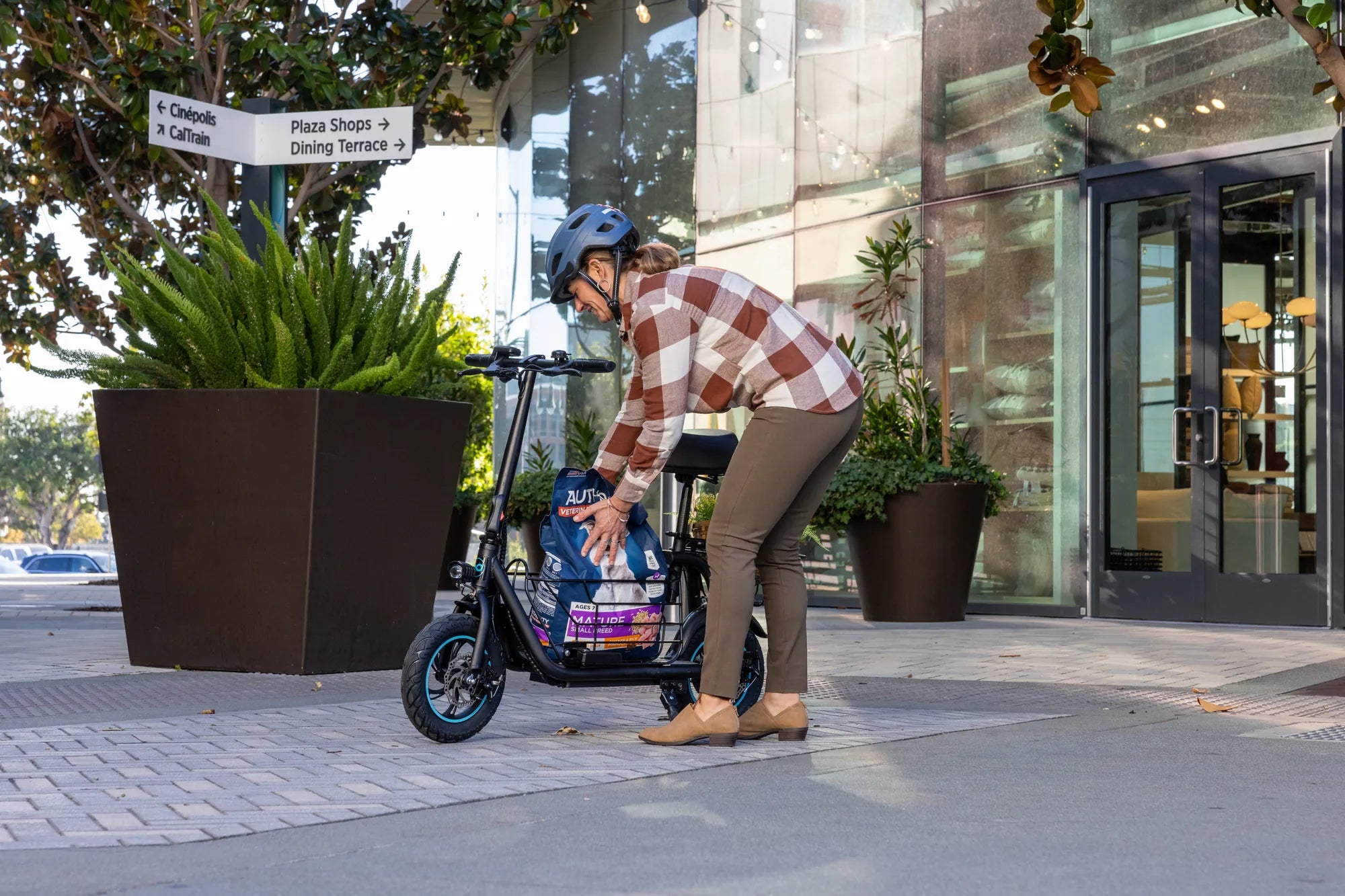
Finding the right electric scooter in India's crowded market requires moving beyond flashy ads. This guide provides the data you need to make an informed decision, balancing performance specs with real-world practicality for Indian roads, weather, and budgets. You'll learn how to evaluate range claims, understand battery safety, compare ownership costs, and identify which features matter most for your daily use.
Navigating India's Electric Scooter Revolution
The shift to electric two-wheelers in India is accelerating, driven by volatile fuel prices, supportive FAME-II subsidies, and growing urban congestion. Market sales have consistently grown over 100% year-on-year, indicating a fundamental change in consumer preference. This guide focuses on the 'why' and 'how' behind the specs, empowering you to choose a scooter that delivers long-term value and reliability.
Choosing a top-rated electric scooter in India involves more than comparing top speeds. It requires a holistic view of daily commutes, monsoon readiness, service network depth, and total cost of ownership. A model praised for performance on smooth highways may struggle with frequent potholes or require scarce specialist servicing. Our analysis prioritizes these practical, India-specific factors.
The ultimate goal is sustainable mobility that fits your life. This means matching a scooter's capabilities to your regular route distance, typical load, access to charging, and local terrain. By the end of this guide, you'll be equipped to select from the top-rated electric scooters in India with confidence, understanding the trade-offs between price, performance, and practicality.
Key Factors to Consider Before Buying an E-Scooter in India
Your decision should be anchored in concrete, measurable criteria that impact daily use. Brand loyalty is less important than how a scooter's specifications translate to your specific riding conditions. Focus on verifiable data points over marketing claims to ensure your investment pays off for years.
Budget & Running Costs: Upfront Price vs. Long-Term Savings
The ex-showroom price is just the starting point. The true cost includes registration, insurance, and potential financing interest. However, the operational savings are substantial. Compared to a petrol scooter averaging 50 km/l, an electric scooter can reduce fuel costs by 80-90%, translating to savings of ₹1,500-₹2,500 per month for an average commuter.
Government subsidies under FAME-II can reduce the upfront cost by ₹10,000 to ₹25,000, depending on the scooter's battery capacity. Some states offer additional incentives. Always calculate the post-subsidy price and compare it against the scooter's projected 5-year running cost, including electricity for charging, estimated service costs, and battery health.
Performance for Indian Conditions: Range, Speed, and Hill Climb
Manufacturer-stated range (IDC) is achieved under ideal lab conditions. For real-world urban India, deduct 20-30% to account for stop-start traffic, rider weight, use of accessories like mobile charging, and occasional air conditioning use. A scooter with a 120 km IDC range typically delivers 85-95 km in city traffic, which is sufficient for most weekly commutes.
Top speed is less critical than torque for Indian roads. Look for a motor with strong low-end torque (measured in Nm) to confidently navigate flyovers, bridges, and gradients without lag. A top speed of 60-70 kmph is adequate for city and suburban use, while ensuring compliance with regulations without compromising safety.
Battery & Charging: The Heart of Your E-Scooter
Lithium-ion batteries are the standard for top-rated models due to their higher energy density, longer lifespan (500-800 full charge cycles), and lighter weight. A key safety differentiator is certification; look for globally recognized standards like UL 2271 for the battery pack and UL 2849 for the entire electrical system, which mitigate fire risk.
Charging time and method are practical considerations. A standard 4-5 hour charge time is common. Some models offer detachable batteries for convenient indoor charging, while fixed batteries require parking near an outlet. For monsoon resilience, a minimum IP67 rating for the battery pack and IPX5 for the overall vehicle is recommended to protect against heavy rain and water splashes.
Build Quality, Safety, and After-Sales Service
Build quality must withstand diverse road conditions. Look for a robust frame, telescopic front suspension, and a rear monoshock or dual shock setup. Braking systems combining a front disc brake and a rear drum (or dual disc) offer reliable stopping power. Bright LED lighting and comprehensive digital display are essential for safety.
The availability of a widespread service network is non-negotiable. Before purchasing, verify the brand's service center presence in your city and check online reviews for part availability and technician expertise. A comprehensive warranty of at least 3 years on the battery and 5 years on the motor is a strong indicator of manufacturer confidence.
Top Electric Scooter Categories & Leading Models
The market segments into distinct categories based on price, performance, and features. The following table provides a snapshot of leading models across these categories, highlighting their key specifications for comparison.
| Category | Exemplary Model | Key Spec Highlights | Ideal For |
|---|---|---|---|
| Premium Performance | Ola S1 Pro | ~120 km range, 3.97 sec 0-40 kmph, Hyper-mode | Tech enthusiasts, long commutes |
| Premium Performance | Ather 450X | ~105 km range, excellent handling, robust app ecosystem | City riders valuing agility & tech |
| Urban Commuting | TVS iQube | ~100 km range, comfortable ride quality, trusted brand service | Daily office/college commuters |
| Urban Commuting | Bajaj Chetak | ~108 km range, premium build, metal body | Riders seeking durable, stylish commute |
| Value Champion | Gyroor G1 | UL-certified battery, IPX5 water-resist, 1-yr warranty, competitive price | Budget-conscious buyers prioritizing safety |
Premium Performance & Tech Leaders
This category is defined by top-tier specifications, advanced connectivity features, and premium pricing. Models here often boast acceleration times (0-40 kmph) under 4 seconds, real-world ranges exceeding 100 km, and feature-rich touchscreen dashboards with Bluetooth, navigation, and ride statistics.
These scooters set benchmarks for performance but require consideration of higher insurance costs and potential dependency on sophisticated electronics. They are best suited for riders who prioritize cutting-edge technology, have longer daily distances, and have access to reliable brand-specific service infrastructure.
Best for Daily Urban Commuting
Scooters in this segment prioritize a balanced mix of adequate range (70-100 km real-world), comfortable ergonomics, practical features like under-seat storage, and dependable after-sales networks. Performance is sufficient for city speeds, with focus on ride quality over outright acceleration.
Brands like TVS and Bajaj leverage their extensive existing service networks, a significant advantage. These models represent the sweet spot for most Indian commuters, offering proven reliability, lower total cost of ownership, and enough features for daily convenience without unnecessary complexity.
Value Champions: Budget-Friendly & Reliable Options
This crucial segment drives mass adoption by offering core functionality at accessible price points. The focus is on reliability, essential safety features, and meeting basic commuting needs. Expect real-world ranges of 60-80 km, simpler digital or analog dashboards, and functional design.
Here, build quality and battery safety become paramount. Brands like Gyroor enter this segment with a strong emphasis on certified safety standards, such as UL-certified battery packs and IP-rated water resistance, offering peace of mind typically associated with higher-priced models. This category is ideal for first-time EV buyers, students, and cost-sensitive riders.
Gyroor's Edge: Engineering Trust for Indian Riders
As a globally established brand with over 100,000 users, Gyroor approaches the Indian market with an engineering philosophy centered on safety and durability. Their models are designed to address specific pain points of Indian riders, particularly concerning battery reliability and all-weather operation.
Safety First: The Importance of UL-Certified Batteries
Battery safety is the foremost concern for any EV buyer. Gyroor's commitment to using UL 2271 certified battery packs means each cell and the complete battery management system (BMS) has passed rigorous tests for electrical, mechanical, and environmental stress. This certification significantly reduces the risk of thermal runaway, a critical factor for safe charging and operation in varied Indian climates.
This focus on certified components provides a layer of assurance often missing in the entry-level segment. It reflects an investment in long-term reliability, as these batteries are tested for 500+ charge cycles while maintaining performance and safety integrity.
Built for the Monsoon: IPX5 Water-Resistance Explained
An IPX5 rating means the scooter's electrical components are protected against water jets from any direction. This engineering standard ensures the scooter can handle heavy monsoon rains, wet roads, and accidental splashes from puddles without compromising electrical function or safety.
For riders across India, this is not a luxury but a necessity. It prevents corrosion, short circuits, and system failures that can strand a rider or lead to costly repairs. This level of protection is a core part of Gyroor's design, ensuring the scooter is a reliable all-weather vehicle.
Peace of Mind: Understanding the 1-Year Comprehensive Warranty
Gyroor offers a straightforward 1-year comprehensive warranty covering the battery, motor, controller, and chassis. This transparent coverage, backed by a global brand's standards, simplifies ownership. It indicates confidence in the product's durability and provides a clear recourse in the rare event of a manufacturing defect.
The warranty support structure is designed for accessibility, reducing downtime for riders. This commitment to after-sales support complements the product's built-in durability, creating a low-hassle ownership experience focused on reliable daily transportation.
The Practicalities: Registration, Insurance, and Maintenance
Owning an electric scooter involves straightforward but essential legal and upkeep responsibilities. Properly managing these ensures hassle-free riding and protects your investment over the long term.
RTO Registration Process for Electric Scooters
All electric scooters with a top speed above 25 kmph require registration with the Regional Transport Office (RTO). The dealer typically provides the necessary documents, including Form 20 (Application for Registration), Form 22 (Road Worthiness Certificate), sales invoice, and insurance papers. You will need to submit these along with address and identity proofs.
The process results in a permanent registration number and a smart card (RC). Ensure you receive this and keep it with the vehicle at all times. For lower-speed models (sub-25 kmph), registration is not required, but it's advisable to check specific state regulations.
Insuring Your E-Scooter: What You Need to Know
Third-party liability insurance is mandatory by law. It covers injuries or damage you cause to other people or property. Comprehensive insurance is highly recommended, as it also covers theft, fire, and damage to your own scooter. Premiums for electric scooters are generally 10-15% lower than for petrol equivalents due to lower risk profiles.
When insuring, declare the correct IDV (Insured Declared Value), which is the scooter's current market value. A higher IDV means a slightly higher premium but better compensation in case of total loss. Always compare policies for add-ons like zero depreciation, roadside assistance, and personal accident cover.
Easy Maintenance Tips to Maximize Scooter Life
Regular maintenance is simple but crucial. Check tire pressure every two weeks; under-inflated tires drastically reduce range. Keep the chain (if present) clean and lubricated, and periodically check brake pad wear. After riding in rain, wipe down the scooter to prevent dirt accumulation and corrosion.
For the battery, avoid completely draining it to 0%. Try to keep the charge between 20% and 80% for daily use, with a full 100% charge every few weeks for cell balancing. Store the scooter in a cool, dry place, and use only the manufacturer-provided charger. These habits can extend battery life significantly.
Your Smart Move Towards Sustainable Mobility
Selecting a top-rated electric scooter in India is a decision that blends immediate practicality with long-term economic and environmental sense. By prioritizing certified battery safety, real-world range, robust build quality, and accessible service, you invest in freedom from fuel costs and unreliable transportation. The right scooter transforms your daily commute from a chore into an efficient, enjoyable, and sustainable part of your day.
Let your specific needs—daily distance, budget, passenger requirements, and local terrain—guide your choice. The market offers compelling options across segments, from feature-rich premium models to value-focused champions that deliver core reliability. Embrace the shift with a vehicle engineered for trust and durability.
Ready to explore a range built on global safety standards and designed for Indian conditions? Browse the full Gyroor collection at gyroorboard.com to discover scooters that combine UL-certified peace of mind, IPX5 all-weather protection, and dependable performance for your journey ahead.
Frequently Asked Questions (FAQs)
1. What is the real-world range I can expect from an e-scooter in city traffic?
Expect 20-30% less than the certified (IDC) range. A scooter rated for 120 km will typically achieve 85-100 km in mixed city traffic, depending on rider weight, use of throttle, number of stops, and road gradient. For accurate planning, base your needs on this adjusted figure.
2. How long does it take to fully charge an electric scooter, and can I charge it at my office?
Most electric scooters take 4 to 6 hours for a full charge from 0-100% using a standard home charger. Yes, you can charge at your office using a regular 5A/15A socket, provided you have secure parking and permission. Many models have detachable batteries, allowing you to carry the battery indoors to charge.
3. Are electric scooters powerful enough to climb steep flyovers?
Yes, modern electric scooters with adequate torque (above 25 Nm) handle steep gradients effectively. The instant torque delivery of electric motors often provides better low-speed climb performance than comparable petrol scooters. Check the manufacturer's specified gradeability percentage, which should be above 15% for most Indian flyovers.
4. What is the difference between a detachable lithium battery and a fixed one?
A detachable battery can be unlocked and carried away for charging, offering flexibility if parking lacks a power outlet. A fixed battery is integrated into the scooter's frame, often allowing for a larger capacity and more stable design but requires parking near a charging point. Detachable batteries add convenience, especially for apartment dwellers.
5. Is the government still offering subsidies on electric two-wheelers, and how do I claim them?
Yes, the FAME-II subsidy is active. It provides up to ₹22,500 per vehicle (₹15,000/kWh, capped at 40% of vehicle cost). The subsidy is directly applied by the manufacturer at the time of purchase; you pay the subsidized ex-showroom price. The dealer handles the paperwork. Some states also offer additional incentives, which you should check with your local transport department.
Electric Scooters Derby: The Future of Urban Mobility and Fun
Are Electric Scooters Practical? A Complete Analysis of Benefits and Challenges