



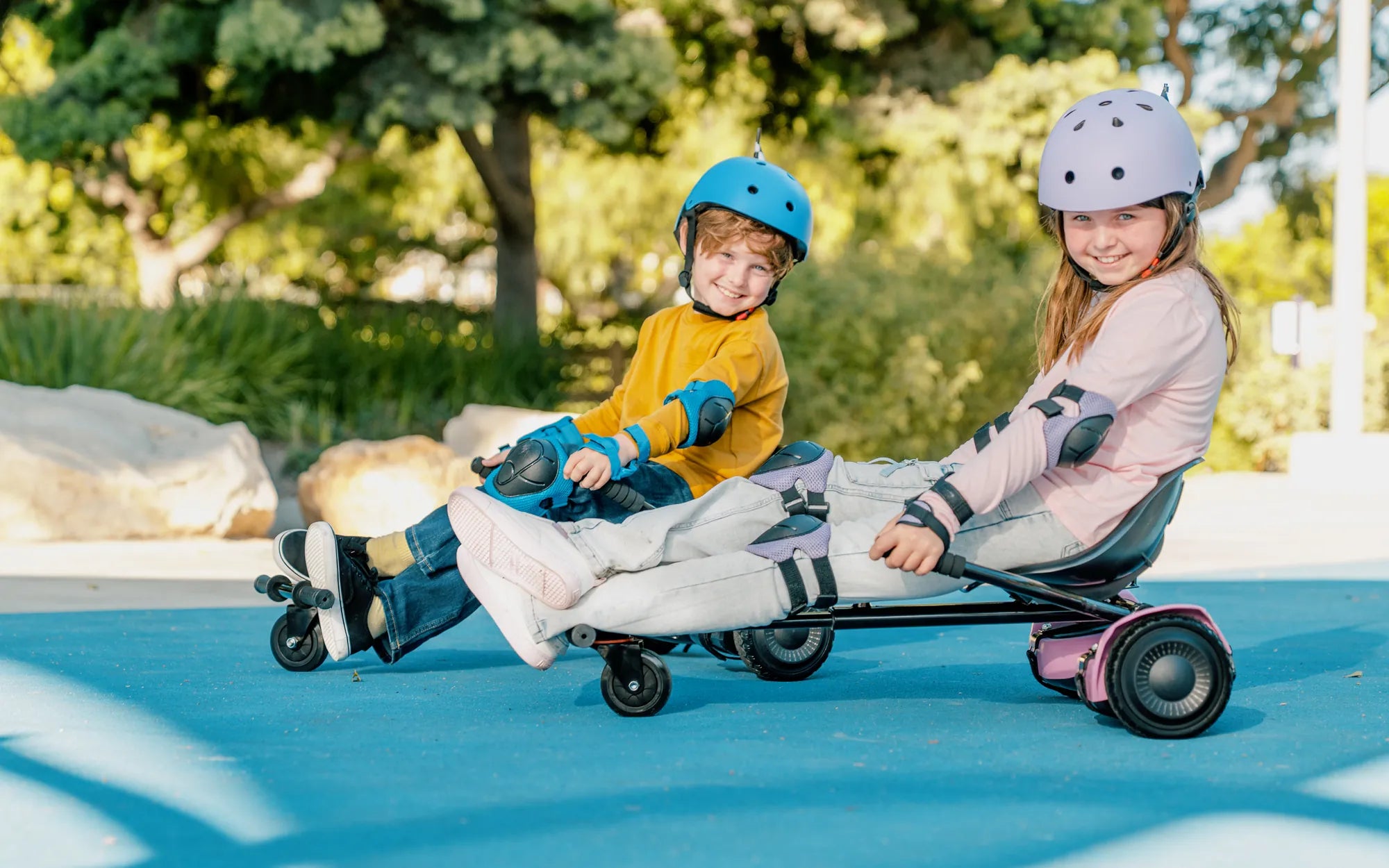
Ever dreamed of gliding effortlessly on a hoverboard but worried about the learning curve? Training hoverboards are designed to help beginners and seasoned riders alike master the art of balance and control. With the right approach, you can transform from a hesitant newbie to a confident rider in no time. Let’s dive into the world of training hoverboards and uncover the secrets to a smooth and safe ride.
What Is a Training Hoverboard?
A training hoverboard is a self-balancing scooter equipped with features that make learning easier and safer. These hoverboards often come with beginner modes, stabilizers, or even remote controls to help riders build confidence. Unlike standard models, training hoverboards prioritize safety and gradual skill development.
Why Use a Training Hoverboard?
Learning to ride a hoverboard can be intimidating, especially for first-timers. A training hoverboard minimizes the risk of falls and injuries by offering:
- Beginner Modes: Slower speeds and enhanced stability for new riders.
- Stabilizers: Optional training wheels or handles for extra balance.
- Remote Controls: Some models allow parents or trainers to adjust settings remotely.
Safety First: Essential Gear for Hoverboard Training
Before hopping on a hoverboard, ensure you’re equipped with the right safety gear. Here’s what you’ll need:
- Helmet: Protects your head in case of falls.
- Knee and Elbow Pads: Cushions joints during slips or tumbles.
- Wrist Guards: Prevents fractures or sprains when bracing for a fall.
Step-by-Step Guide to Riding a Training Hoverboard
Follow these steps to master your hoverboard safely:
- Start on a Flat Surface: Begin in an open area free of obstacles.
- Mount Carefully: Place one foot on the hoverboard, then the other while holding onto a stable object.
- Practice Balancing: Stand still and get comfortable with the board’s movements.
- Move Forward and Backward: Lean slightly forward to go ahead and backward to reverse.
- Turn Gradually: Shift your weight to one side to steer.
Advanced Techniques for Confident Riding
Once you’ve mastered the basics, try these advanced moves:
- 360-Degree Spins: Rotate in place by shifting your weight in a circular motion.
- Obstacle Navigation: Practice weaving around cones or small objects.
- Speed Control: Gradually increase speed as you gain confidence.
Common Mistakes to Avoid
Even with a training hoverboard, mistakes can happen. Avoid these pitfalls:
- Leaning Too Far: Sudden movements can cause loss of balance.
- Ignoring Terrain: Stick to smooth surfaces until you’re experienced.
- Skipping Safety Gear: Never ride without protective equipment.
Maintaining Your Training Hoverboard
Keep your hoverboard in top condition with these tips:
- Regular Charging: Avoid draining the battery completely.
- Cleaning: Wipe down the board after each use to prevent dirt buildup.
- Storage: Store in a cool, dry place away from direct sunlight.
Ready to take your hoverboard skills to the next level? With the right training hoverboard and a bit of practice, you’ll be zipping around like a pro in no time. Remember, patience and safety are key—so gear up, stay focused, and enjoy the ride!
New Hoverboard Technology: The Future of Personal Transportation
Hoverboard Scooter Price: What You Need to Know Before Buying