



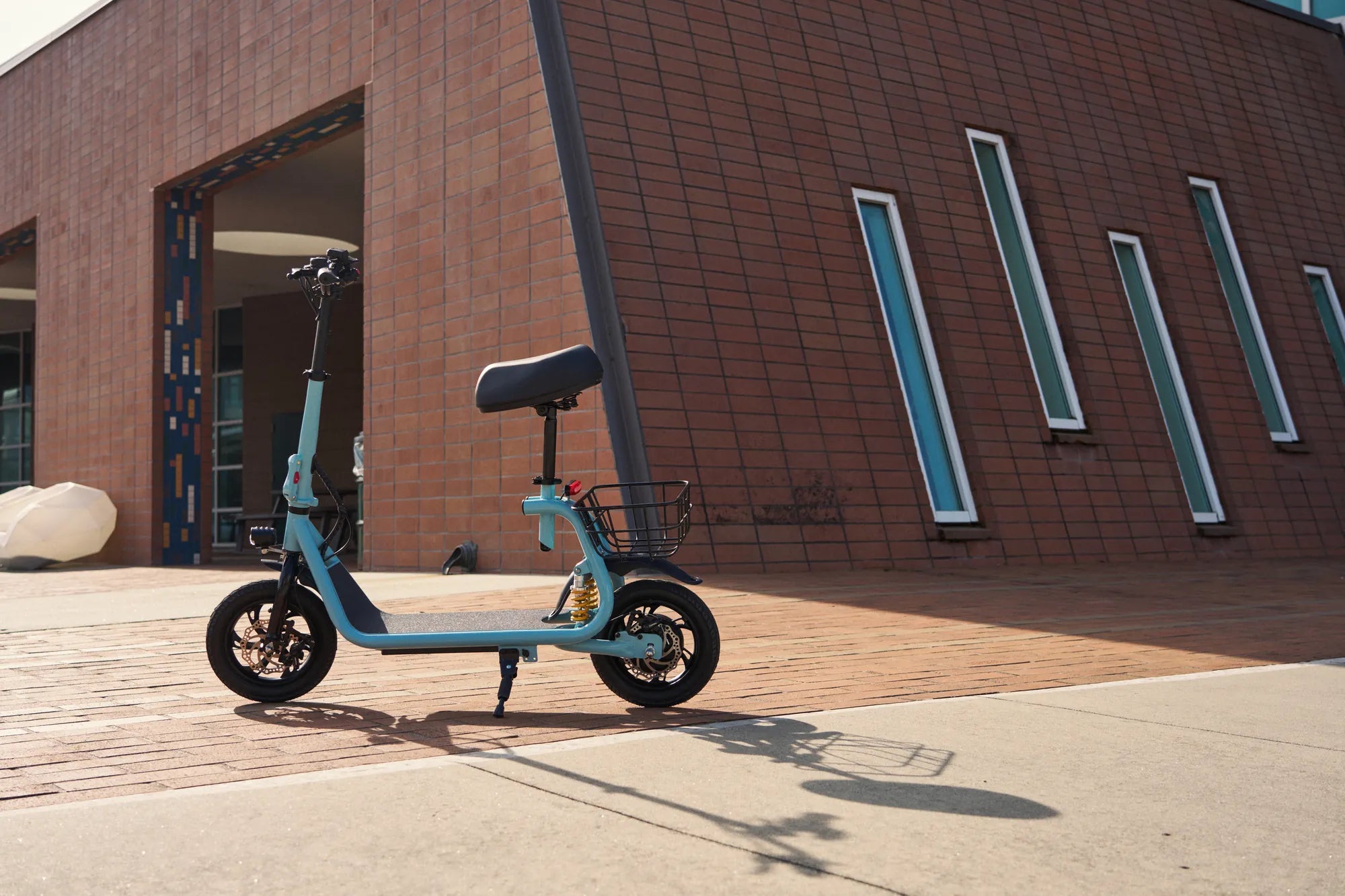
Introduction to Tricycles for 5-7 Year Olds
Selecting the right tricycle for 5-7 year old children represents a critical transition in their physical development and recreational independence. This age group has outgrown toddler trikes but may not possess the balance or confidence for two-wheel bicycles. A properly sized tricycle serves as both a developmental tool and a source of joyful outdoor activity.
Children aged 5-7 experience rapid growth in motor skills, spatial awareness, and cognitive processing. A tricycle designed for this specific age range supports these developments through structured physical activity. The stability of three wheels provides a safe platform for practicing pedaling, steering, and braking coordination without the fear of tipping over.
When evaluating a tricycle for 5-7 year old riders, parents must consider multiple factors beyond simple aesthetics. The frame must accommodate growing bodies while providing sufficient weight capacity for active children. Steering mechanisms should offer responsive control without being overly sensitive, and braking systems must balance effectiveness with ease of use.
This guide provides comprehensive analysis of tricycle features, safety considerations, and developmental benefits specifically tailored to 5-7 year old children. We'll examine how the right tricycle can build confidence, improve coordination, and create lasting positive associations with physical activity and outdoor play.
Key Features to Look For in a 5-7 Year Old Tricycle
The ideal tricycle for 5-7 year old children incorporates specific design elements that address safety, durability, and developmental appropriateness. Unlike toddler trikes, these models must withstand more vigorous use while accommodating larger physical proportions. Understanding these features ensures you select a trike that grows with your child.
Frame construction represents the foundation of any quality tricycle. Steel frames offer exceptional durability and weight capacity but may be heavier for children to maneuver. Aluminum frames provide excellent strength-to-weight ratios, making them easier for children to handle while maintaining structural integrity. Both materials should feature reinforced joints and rust-resistant finishes.
Wheel design significantly impacts ride quality and terrain capability. Larger diameter wheels (typically 12-16 inches) provide better ground clearance and smoother rides over uneven surfaces. Pneumatic (air-filled) tires offer superior shock absorption and traction but require occasional maintenance. Solid rubber tires eliminate flat tires but provide less cushioning on rough surfaces.
Braking systems require particular attention for this age group. Coaster brakes (activated by pedaling backward) offer simplicity but may confuse children transitioning to hand-brake bicycles. Hand-operated brakes provide more precise control and better prepare children for future cycling. Some models feature dual braking systems for added safety and learning flexibility.
Frame Size, Weight Capacity, and Adjustability
Proper frame sizing ensures comfortable riding posture and efficient pedaling mechanics. The seat should adjust to allow for approximately 15-20 degrees of knee bend when the pedal is at its lowest position. Handlebar height should permit a slight forward lean without causing back strain or compromising steering control.
Weight capacity specifications must exceed your child's current weight by a significant margin. Look for tricycles rated for at least 75-100 pounds to accommodate growth spurts and occasional cargo. The frame should maintain structural integrity even when subjected to the dynamic forces of active play, including sudden stops and turns.
Adjustability features extend the useful life of a tricycle. Seat posts with multiple height positions allow the trike to grow with your child over several seasons. Some premium models offer adjustable handlebar positions as well. These adjustments ensure optimal ergonomics as your child's proportions change during these rapid growth years.
Frame geometry affects both stability and maneuverability. A lower center of gravity reduces tipping risks during sharp turns. A wider wheelbase enhances lateral stability but may reduce turning responsiveness. The ideal balance depends on your child's skill level and the typical riding environment they'll encounter.
Wheel Design and Terrain Handling
Wheel composition directly influences ride comfort and terrain versatility. Pneumatic tires with inner tubes provide excellent shock absorption on sidewalks, driveways, and mild off-road surfaces. Their air-filled construction cushions vibrations that might otherwise travel through the frame to the rider. However, they require periodic pressure checks and are vulnerable to punctures.
Solid rubber or foam-filled tires eliminate maintenance concerns but offer a firmer ride. These work well on smooth, paved surfaces where vibration damping is less critical. Some advanced models feature honeycomb-style inserts that balance cushioning with puncture resistance. Consider your local terrain and maintenance preferences when choosing between these options.
Wheel size affects both stability and acceleration. Larger wheels (14-16 inches) roll more easily over obstacles and maintain momentum better on flat surfaces. Smaller wheels (10-12 inches) provide quicker acceleration and lower center of gravity but may struggle with bumps and cracks. Most 5-7 year olds benefit from the intermediate stability of 12-14 inch wheels.
Tread pattern influences traction on various surfaces. Smooth tread works well on paved surfaces, while knobby or patterned tread provides better grip on grass, gravel, or dirt. If your child will ride in multiple environments, look for an all-purpose tread design that balances performance across different surfaces without excessive rolling resistance on pavement.
Safety and Control Features
Effective braking systems represent the most critical safety feature on any tricycle for 5-7 year old riders. Hand brakes should require moderate squeeze pressure that's achievable for small hands while providing progressive stopping power. Brake levers should be appropriately sized for children's fingers and positioned for easy reach without hand repositioning.
Steering mechanisms must balance responsiveness with stability. Direct steering (where handlebars connect straight to the front wheel) offers immediate response but can be twitchy for beginners. Some models incorporate dampening or limiting mechanisms that prevent overly sharp turns. Handlebar grips should be comfortable, non-slip, and free of sharp edges or protrusions.
Visibility enhancements significantly improve safety, especially in low-light conditions. Reflective decals, wheel reflectors, and bright color schemes make children more noticeable to drivers and pedestrians. Some premium models include integrated LED lights powered by wheel-mounted generators or batteries. These features are particularly valuable if riding occurs near dawn, dusk, or in shaded areas.
Structural safety features include covered chain guards to prevent clothing entanglement, rounded edges on all metal components, and secure fasteners that resist loosening during vibration. The pedals should feature non-slip surfaces and adequate clearance from the ground during turns. All moving parts should be shielded to prevent pinching injuries to fingers or toes.
Developmental Benefits: More Than Just a Ride
A properly selected tricycle for 5-7 year old children provides substantial developmental advantages beyond simple recreation. The physical coordination required to pedal, steer, and brake simultaneously engages multiple brain regions and muscle groups. This integrated activity strengthens neural pathways that support complex motor planning and execution.
Cardiovascular health benefits from regular tricycle riding should not be underestimated. Moderate pedaling provides aerobic exercise that strengthens heart and lung function while burning excess energy. This physical outlet can improve focus during academic activities and support healthy sleep patterns. The low-impact nature of tricycle riding makes it sustainable for daily activity.
Spatial awareness development occurs naturally as children navigate their tricycles through environments with varying obstacles and terrain. They learn to judge distances, anticipate turns, and adjust speed based on environmental feedback. These skills transfer directly to pedestrian safety, sports participation, and eventual bicycle riding.
Social development opportunities emerge when children ride tricycles with peers. They practice turn-taking, develop communication skills for navigating shared spaces, and learn cooperative play. Group riding activities encourage friendship formation and provide natural settings for developing conflict resolution skills in low-stakes environments.
Building Motor Skills and Coordination
Bilateral coordination development represents one of the most significant motor benefits of tricycle riding. The alternating pedaling motion requires synchronized effort from both legs while maintaining upper body stability for steering. This cross-lateral movement pattern strengthens neural connections between brain hemispheres, supporting academic skills like reading and writing.
Proprioceptive feedback systems develop as children learn to sense their body position relative to the tricycle and environment. The pressure feedback from pedals, handlebars, and seat provides constant input about force application and balance. This body awareness translates to improved performance in sports, dance, and other physical activities.
Visual-motor integration improves as children learn to coordinate what they see with how they steer. Tracking moving objects while riding, avoiding stationary obstacles, and navigating turns all require precise eye-hand coordination. These skills directly support classroom activities like copying from boards, using scissors, and handwriting.
Endurance building occurs gradually as children extend their riding distances and durations. The incremental nature of this improvement teaches persistence and goal-setting. Celebrating small achievements like riding around the block without stopping or conquering a gentle hill builds resilience and positive self-concept related to physical challenges.
Fostering Independence and Confidence
Decision-making opportunities abound during tricycle riding as children choose directions, navigate obstacles, and regulate speed. These low-risk decisions build executive function skills that form the foundation for more complex life choices. The immediate feedback from their choices (successful navigation versus minor mishaps) creates powerful learning experiences.
Risk assessment skills develop naturally as children encounter different terrains and riding conditions. They learn to evaluate surface textures, slopes, and space constraints before committing to a path. This cautious approach to novel situations translates to safer behavior in other contexts, from playground equipment to pedestrian crossings.
Problem-solving scenarios emerge when children encounter challenges like stuck wheels, minor mechanical issues, or route obstacles. Working through these situations—either independently or with minimal adult guidance—builds resourcefulness and creative thinking. The tangible nature of tricycle-related problems makes them ideal for developing practical problem-solving approaches.
Self-efficacy development occurs as children master increasingly complex riding skills. Each new achievement—from first successful pedal strokes to navigating obstacle courses—reinforces their belief in their ability to learn and improve. This growth mindset extends beyond physical activities to academic and social domains, creating resilient learners.
Top Picks: Comparing Tricycle Styles for Different Needs
Tricycle designs vary significantly based on intended use environments and rider preferences. Understanding these categories helps match specific models to your child's personality, local terrain, and developmental goals. The following comparison examines three primary tricycle styles suitable for 5-7 year old children.
| Feature Category | Classic Cruiser | Off-Road Adventurer | Specialty/Adaptive |
|---|---|---|---|
| Primary Use Environment | Paved surfaces, sidewalks, smooth park paths | Grass, gravel, dirt trails, uneven terrain | Specific needs (balance issues, physical differences) |
| Wheel Type | Solid rubber or semi-pneumatic | Large pneumatic with knobby tread | Varies by specific design |
| Frame Material | Steel or aluminum | Reinforced steel with extra bracing | Lightweight aluminum or composite |
| Brake System | Coaster brake or simple hand brake | Dual hand brakes with progressive control | Adapted controls (lever extensions, etc.) |
| Weight Capacity | 75-100 pounds | 100-150 pounds | Varies by model |
| Key Advantage | Low maintenance, reliable performance | Terrain versatility, adventure capability | Accessibility, customized support |
The Classic Cruiser represents the most common tricycle style for 5-7 year old riders. These models prioritize simplicity, durability, and ease of use on paved surfaces. Their straightforward design minimizes maintenance requirements while providing reliable performance for daily neighborhood riding. Most feature coaster brakes that feel intuitive for children transitioning from toddler trikes.
Off-Road Adventurer tricycles incorporate features specifically designed for varied terrain. Larger pneumatic tires with aggressive tread patterns provide traction on grass, dirt, and gravel. Reinforced frames withstand the additional stresses of uneven surfaces. These models often include hand brakes for precise speed control on slopes and dual braking systems for added safety on descents.
Specialty and Adaptive tricycles address specific needs that standard designs cannot accommodate. Recumbent models offer back support for children with core strength challenges. Tandem designs allow adult assistance for riders developing coordination. Adaptive controls include modified brake levers, pedal assists, and steering dampeners for various physical considerations.
The Classic Cruiser
Classic Cruiser tricycles excel in predictable, paved environments where reliability matters more than extreme terrain capability. Their design philosophy emphasizes straightforward functionality with minimal components that might require adjustment or repair. This makes them ideal for families seeking low-maintenance outdoor toys that provide years of consistent service.
Frame designs typically feature clean lines without excessive bracing or protrusions. The simplicity reduces potential pinch points and creates an uncluttered aesthetic that appeals to both children and parents. Color options tend toward primary colors with occasional metallic or pearlescent finishes that maintain visibility while resisting fading from sun exposure.
Wheel configurations usually feature medium-diameter solid rubber tires that balance ride comfort with durability. The semi-flexible nature of quality solid rubber provides reasonable shock absorption on typical pavement imperfections while eliminating puncture concerns. Some premium models incorporate foam inserts that mimic pneumatic cushioning without maintenance requirements.
Steering systems on Classic Cruisers prioritize stability over agility. The steering axis often incorporates slight trail geometry that provides self-centering tendencies, making the tricycle want to travel straight with minimal rider input. This reduces fatigue during long rides and prevents overcorrection by inexperienced riders. Handlebar grips are typically molded rubber with palm contours for comfort.
The Off-Road Adventurer
Off-Road Adventurer tricycles transform ordinary outdoor spaces into exploration zones. Their robust construction handles the demands of backyard trails, park perimeters, and gentle natural slopes. Children who enjoy imaginative play involving exploration, treasure hunting, or adventure scenarios particularly benefit from these capable machines.
Suspension elements sometimes appear on premium off-road models, though most rely on pneumatic tire compliance for shock absorption. Front fork designs may incorporate spring mechanisms that smooth out root crossings and small rocks. Rear axle configurations maintain rigidity for efficient power transfer while allowing some flex over uneven ground.
Gearing considerations become relevant for off-road models tackling varied terrain. Some feature multiple gear ratios selectable via simple twist shifters or lever mechanisms. These allow children to maintain comfortable pedaling effort whether climbing gentle slopes or cruising on flat sections. Gear systems introduce mechanical complexity but significantly extend riding range and capability.
Storage solutions often integrate into off-road designs to support adventure play. Rear racks accommodate small backpacks, water bottles, or collected natural treasures. Some models include frame-mounted bags or handlebar baskets. These practical additions encourage longer excursions and imaginative scenarios while developing planning and preparation skills.
The Specialty Trike (Recumbent, Adaptive, etc.)
Specialty tricycles address specific physical, developmental, or preference-based needs that standard designs cannot accommodate. Recumbent models position the rider in a seated position with back support, distributing weight more evenly and reducing strain on developing spines. This configuration particularly benefits children with core strength challenges or those who fatigue quickly in upright positions.
Adaptive control systems modify standard tricycle interfaces to accommodate various physical abilities. These may include extended brake levers for children with limited hand strength, pedal straps for foot retention, or steering dampeners that reduce sensitivity for riders with coordination challenges. Some models offer interchangeable components that adjust as abilities improve.
Tandem configurations allow adult assistance while maintaining the child's sense of participation. The adult handles steering and braking from a rear position while the child pedals from the front. This setup builds confidence and skill through gradual responsibility transfer. As the child masters steering, the adult can reduce input until independent riding emerges naturally.
Therapeutic applications of specialty tricycles extend beyond recreational use. Occupational and physical therapists often incorporate adapted tricycles into treatment plans for improving coordination, building strength, and developing motor planning skills. The motivational aspect of riding often engages children more effectively than traditional therapeutic exercises.
Safety First: Essential Gear and Riding Rules
Comprehensive safety practices transform tricycle riding from a casual activity into a structured learning experience with minimized risk. While three wheels provide inherent stability compared to bicycles, active children can still reach speeds and encounter situations requiring protective measures. Implementing consistent safety protocols establishes lifelong habits that extend to future cycling activities.
Environmental assessment represents the first safety step before any riding session. Parents should walk the intended riding area to identify potential hazards like steep slopes, blind corners, drainage grates, or loose surfaces. Even familiar environments can change with weather conditions, construction, or seasonal variations. This proactive approach prevents most accidents before they occur.
Supervision guidelines vary based on child skill level and environment complexity. Beginners require direct, attentive supervision with immediate verbal guidance. As skills develop, supervision can transition to periodic checking from a distance while maintaining visual contact. Even proficient riders should have adult awareness of their location and activity, especially in unfenced areas near streets.
Emergency preparedness includes basic first aid knowledge and communication plans. Parents should carry a small first aid kit during riding sessions, especially in remote areas. Children should memorize their home address and parent's phone number, or wear identification with contact information. Establishing clear boundaries and check-in protocols ensures timely response if issues arise.
Mandatory Protective Gear
Helmet selection represents the most critical safety decision for tricycle riders. CPSC-certified bicycle helmets provide essential protection against head injuries. Proper fit requires the helmet to sit level on the head (not tilted back) with the front approximately two finger-widths above the eyebrows. Side straps should form a "V" shape under each ear, and the chin strap should be snug but comfortable.
Helmet replacement follows specific guidelines that many parents overlook. Any helmet involved in a significant impact should be replaced immediately, even if no visible damage appears. The foam liner compresses during impact, reducing future effectiveness. Additionally, helmets degrade with sun exposure and should be replaced every 3-5 years regardless of use history.
Additional protective equipment depends on skill level and riding environment. Knee and elbow pads benefit beginners practicing in areas with hard surfaces. These prevent painful scrapes that might discourage continued practice. As skills improve, children may transition to wearing pads only during challenging new maneuvers or in higher-risk environments.
Appropriate footwear prevents foot slippage and supports proper pedaling technique. Closed-toe shoes with rubber soles provide the best grip and protection. Avoid sandals, flip-flops, or shoes with slick bottoms that might slip off pedals. Clothing should be snug enough to avoid catching in moving parts but loose enough for comfortable movement.
Choosing a Safe Riding Environment
Beginner environments should feature smooth, paved surfaces with minimal slopes and clear boundaries. Driveways (with garage doors closed), tennis courts, or empty parking lots during off-hours provide ideal learning spaces. These areas offer predictable surfaces with natural boundaries that prevent wandering into unsafe areas. Avoid areas near swimming pools, steep drop-offs, or traffic.
Intermediate environments introduce gentle challenges as skills develop. Slight slopes (2-3% grade) teach speed control and braking technique. Smooth grass or packed dirt surfaces develop balance and steering adjustments for varying traction. These environments should still maintain clear boundaries and visibility, with all potential hazards identified beforehand.
Advanced environments match capable riders with appropriate challenges. Gentle trails with minor obstacles like roots or rocks develop terrain assessment skills. Long, gradual slopes build endurance and advanced braking control. Even in these environments, parents should establish turn-around points and periodic check-ins. Unknown areas should be scouted on foot before riding.
Environmental variables require constant monitoring during riding sessions. Wet surfaces significantly reduce traction for both braking and turning. Loose gravel or sand creates unpredictable steering response. Temperature extremes affect both rider endurance and equipment performance. Wind conditions influence steering effort and may blow debris into riding paths. Adjusting expectations based on these factors prevents overconfidence in changing conditions.
Parental FAQs: Your Top Questions Answered
Parents naturally have numerous questions when selecting and introducing a tricycle for their 5-7 year old child. These concerns range from practical sizing issues to developmental considerations and maintenance requirements. Addressing these questions directly provides confidence in decision-making and ensures optimal outcomes from this significant purchase.
Common themes in parental questions reveal underlying concerns about safety, value, and developmental appropriateness. Parents want assurance that their investment will provide lasting benefits rather than temporary novelty. They seek guidance balancing their child's current abilities with growth potential over multiple seasons. The following questions represent the most frequent and important inquiries from parents.
Answer accuracy matters significantly, as incorrect information could lead to safety compromises or purchasing mistakes. Responses should reference established safety standards, developmental research, and practical experience with children in this age range. When specific measurements or technical specifications are required, these should be presented clearly with explanation of their importance.
Beyond factual answers, parents appreciate guidance on implementation. How to introduce the tricycle, how to structure practice sessions, and how to troubleshoot common problems all contribute to successful adoption. This practical dimension transforms theoretical knowledge into actionable steps that create positive experiences for both children and parents.
Q1: My child is tall for their age. How do I ensure the trike fits properly?
Proper fit for taller children requires attention to both seat height and reach measurements. Begin with the seat adjusted so your child's knee maintains a 15-20 degree bend when the pedal reaches its lowest position. This ensures efficient pedaling without overextension. If the seat post doesn't extend sufficiently, consider models specifically designed for larger frames or with extended seat posts available.
Reach measurement determines comfort and control. With hands on the handlebars, your child's elbows should maintain a slight bend (approximately 10-15 degrees). This position allows effective steering control without straining shoulders or back. If the handlebars feel too close, some models offer adjustable stem length or replacement handlebars with different sweep angles.
Leg length relative to torso creates specific fitting challenges. Long-legged children may need higher seat positions that make reaching handlebars difficult. In these cases, look for models with adjustable handlebar height or consider a slightly larger frame than typically recommended. Test rides (when possible) provide the best indication of comfort before purchase.
Growth accommodation requires planning beyond current measurements. Select a tricycle with substantial adjustment range in both seat height and handlebar position. Quality models typically offer 4-6 inches of seat adjustment, which can accommodate two or more growth spurts during the 5-7 year age range. Consider your child's growth pattern when determining how much adjustment margin you need.
Q2: Is a hand brake or coaster (pedal) brake better for this age?
Brake system selection involves balancing immediate usability with developmental progression. Coaster brakes (activated by pedaling backward) offer simplicity that many children master quickly. Their intuitive operation requires minimal explanation, and the integrated design prevents accidental activation. However, coaster brakes don't translate directly to hand-brake bicycles, potentially creating a learning hurdle later.
Hand brakes provide specific developmental advantages for 5-7 year olds. They develop hand strength and coordination through progressive squeeze motions. The separate control of braking from pedaling teaches independent limb coordination. Most importantly, hand brake experience directly prepares children for bicycle riding, creating a smoother transition when they're ready for two wheels.
Dual brake systems offer a compromise solution, providing both coaster and hand brakes on the same tricycle. Children can begin with coaster braking while experimenting with hand controls at their own pace. As confidence with hand brakes grows, they naturally transition away from coaster reliance. This approach respects individual learning timelines while ensuring safety throughout the process.
Hand brake design considerations include lever size, required squeeze force, and modulation capability. Children's brake levers should be appropriately scaled for smaller hands with reach adjustment if possible. The required squeeze force should be challenging but achievable—typically 10-15 pounds of pressure provides safety without excessive difficulty. Progressive braking (slower stops with gentle pressure) teaches speed modulation skills.
Q3: Can a tricycle really help my child learn to ride a bike?
Tricycles provide foundational skills that directly transfer to bicycle riding, though the transition requires additional balance development. The pedaling motion, steering coordination, and braking control learned on a tricycle represent approximately 70% of the skills needed for bicycle riding. Children who master these elements on three wheels typically progress to bicycles with less frustration and faster success.
Balance development occurs differently on tricycles versus bicycles, but related skills still develop. Core strength improvements from maintaining upright posture on a tricycle contribute to balance capability. The steering corrections needed to maintain straight-line travel on a tricycle develop similar neuromuscular patterns used for bicycle balance. These indirect benefits accelerate later learning.
Confidence building represents the most significant contribution to future bicycle success. Children who experience mastery on a tricycle approach bicycle learning with positive expectations. They've already developed persistence through challenging pedaling hills and precise steering maneuvers. This resilience proves invaluable when facing the initial wobbliness of two-wheel balancing.
Transition strategies can bridge the remaining gap between tricycle and bicycle competence. Balance bikes (two-wheelers without pedals) develop the specific balancing skills tricycles don't address. Some children transition directly from tricycles to pedal bicycles with training wheels, then gradually raise the training wheels to develop balance. The optimal path depends on individual coordination and confidence levels.
Q4: How do I maintain and care for the tricycle?
Regular maintenance preserves safety and extends tricycle lifespan. Weekly inspections should check tire pressure (for pneumatic models), brake function, and fastener tightness. Monthly maintenance includes cleaning moving parts, lubricating the chain (if present), and checking for wear on tires, brakes, and bearings. Seasonal maintenance might involve more thorough disassembly and inspection.
Tire care varies by type. Pneumatic tires require monthly pressure checks using a low-pressure gauge (typically 20-40 PSI range). Underinflation causes difficult pedaling and increased tire wear, while overinflation reduces traction and ride comfort. Solid rubber tires need occasional cleaning to remove embedded debris and visual inspection for cracking or excessive wear.
Brake maintenance ensures consistent stopping power. For hand brakes, check that pads contact the wheel rim squarely without rubbing during normal riding. Adjust cable tension as pads wear to maintain consistent lever position. For coaster brakes, listen for grinding noises or feel for inconsistent engagement that might indicate internal wear. Most coaster brake systems are sealed and not user-serviceable.
Storage practices significantly impact longevity. Indoor storage protects against weather-related deterioration of bearings, fasteners, and paint. If outdoor storage is unavoidable, use a waterproof cover and elevate the tricycle to prevent ground moisture contact. Before long-term storage (winter months), clean thoroughly, lubricate moving parts, and slightly deflate pneumatic tires to preserve sidewalls.
Q5: What if my child shows fear or reluctance to ride?
Fear responses require patient, supportive approaches that respect the child's emotions while gradually building confidence. Begin by identifying specific fear sources through calm conversation. Common concerns include falling, going too fast, losing control, or embarrassment. Address each concern with practical solutions—protective gear for falling fears, flat practice areas for speed concerns, etc.
Gradual exposure techniques systematically build comfort through small, manageable steps. Start with simply sitting on the stationary tricycle, then progress to walking while straddling it, then gentle pushing with feet, then assisted pedaling. Each step should feel completely comfortable before progressing. Celebrate small achievements with specific praise about courage and persistence.
Modeling and peer examples provide powerful motivation. Arrange playdates with slightly older children who ride confidently. The social desire to participate often overcomes initial hesitation. Parent demonstrations (even if awkward on a small tricycle) normalize the activity and show that everyone begins as a beginner. Avoid comparisons that might increase pressure rather than reduce anxiety.
Professional assessment may be warranted if reluctance persists despite supportive efforts. Occupational therapists can evaluate underlying sensory or motor issues that might make riding particularly challenging. Sometimes what appears as fear actually stems from difficulty processing balance sensations or coordinating multiple movements. Early identification allows targeted interventions that address root causes rather than surface behaviors.
Conclusion: Finding the Perfect Fit for Lasting Fun
Selecting the ideal tricycle for 5-7 year old children requires balancing multiple factors: safety features, developmental appropriateness, durability, and enjoyment potential. The right choice provides not just immediate recreation but foundational skills that support physical, cognitive, and emotional development. This investment in active play yields returns across multiple domains of childhood growth.
Safety remains the non-negotiable priority throughout the selection and use process. From proper helmet fit to environmental assessment to regular maintenance, consistent safety practices create conditions where children can explore their capabilities without unnecessary risk. These habits establish patterns that protect them as they progress to more advanced wheeled activities.
Developmental alignment ensures the tricycle challenges your child appropriately without causing frustration. The adjustable features that accommodate growth, the braking system that matches current coordination, and the terrain capability that suits your local environment all contribute to successful adoption. When children experience mastery, they naturally seek further challenges and skill development.
The journey from hesitant beginner to confident rider represents one of childhood's memorable achievements. As a leading manufacturer of youth mobility products, Gyroor understands this developmental milestone. Our electric scooters and e-bikes for older children build upon the foundational skills developed through tricycle riding, continuing the progression toward independent mobility and outdoor adventure.
Browse the full Gyroor collection at gyroorboard.com to discover how our UL-certified batteries, IPX5 water-resistant designs, and reliable 1-year warranty support your family's active lifestyle. With over 100,000 riders across North America and Europe trusting our products, we're committed to providing safe, enjoyable mobility solutions for every stage of childhood development.
Best 3 Wheel Scooter for 8 Year Old: The Ultimate 2024 Safety & Feature Guide
How Fast Is a 125cc 2 Stroke Dirt Bike: Performance Data & Analysis