

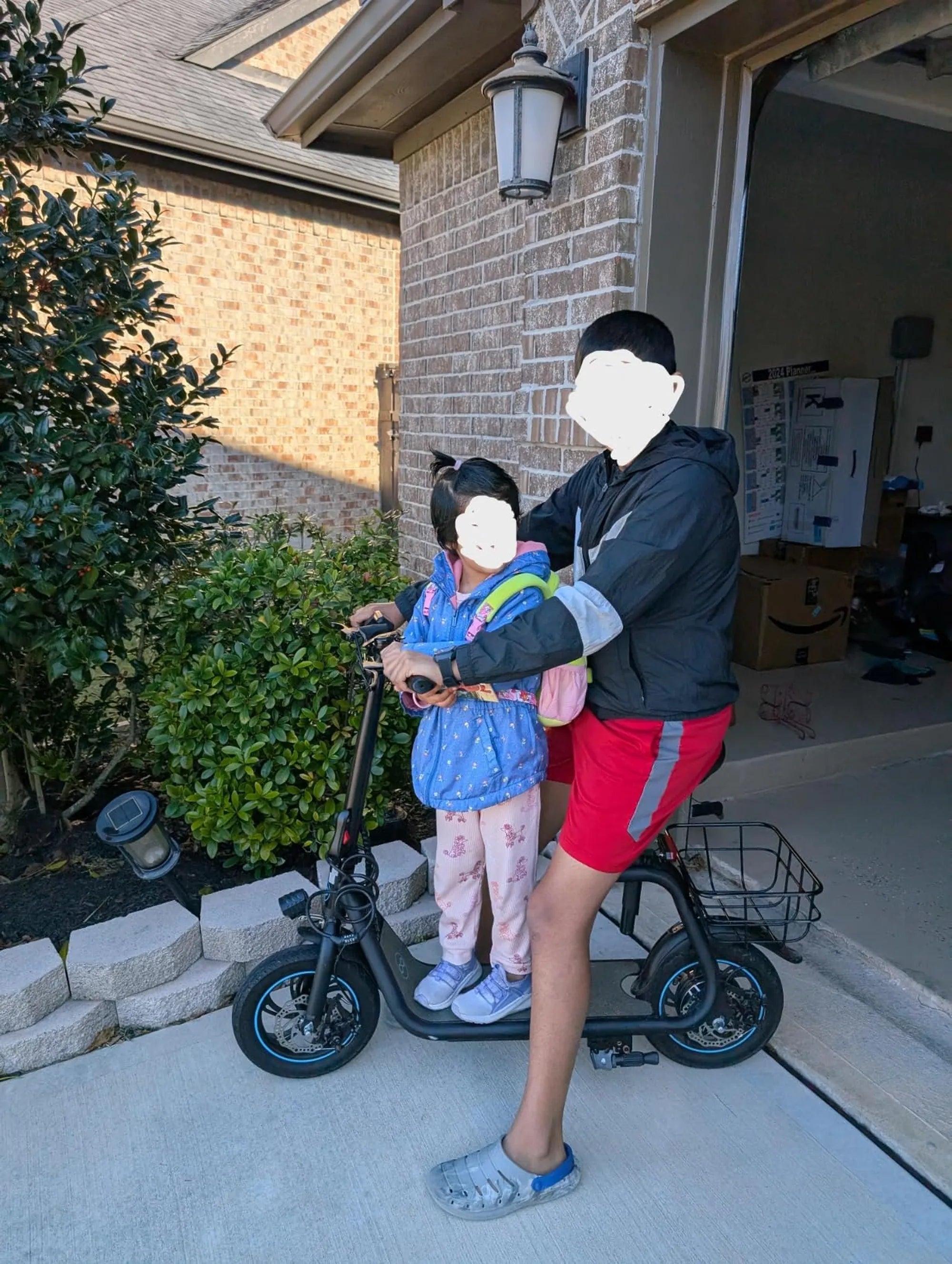
Transforming your two-wheeled ride into a stable, three-wheeled workhorse is simpler than you think. A trike frame kit offers a practical and often cost-effective path to enhanced utility and confidence on the road. This guide will provide you with a comprehensive, data-driven look at everything you need to know: from the core benefits and critical specifications to the installation process and long-term value. Whether you're a commuter seeking stability, a parent needing cargo space, or a rider prioritizing accessibility, understanding the nuances of a quality trike frame kit is the first step toward a successful conversion.
What is a Trike Frame Kit?
A trike frame kit is a conversion assembly designed to replace the rear wheel and often part of the frame of a standard bicycle or electric scooter. Its primary purpose is to convert a two-wheeled vehicle into a stable three-wheeled trike. The core components typically include a new rear axle that accommodates two wheels, a robust frame extension to support this axle, and a specialized steering or linkage mechanism to maintain proper handling.
The fundamental appeal lies in its transformative capability. Instead of purchasing a complete, often bulky and expensive trike, riders can adapt a familiar bicycle or e-scooter. This approach leverages an existing investment and allows for a high degree of customization. The kit fundamentally alters the vehicle's dynamics, shifting the center of gravity and creating a stable platform that does not require balancing at a standstill.
Kits are generally categorized by their donor vehicle type. Bicycle conversion kits are the most common, designed to fit standard diamond or step-through frames. Electric scooter and e-bike conversion kits are also available, though they require careful consideration of the motor's power, battery placement, and existing wiring harness. The design philosophy prioritizes structural integrity to handle the increased lateral forces and load capacity of a three-wheeled configuration.
Understanding this basic definition is crucial. A trike frame kit is not merely an accessory; it is a fundamental modification that changes the vehicle's classification and handling characteristics. Selecting the right kit requires matching it precisely to your donor vehicle's specifications and your intended use case, which we will explore in detail.
Key Benefits of Converting with a Trike Frame Kit
The decision to use a trike frame kit is driven by several compelling, practical advantages. Foremost is enhanced stability. A trike configuration eliminates the need to balance at low speeds or when stopped, making it an ideal solution for urban commuting, running errands, or for riders who may have concerns with balance or confidence. This stability directly translates to increased safety in stop-and-go traffic.
Secondly, trike conversions offer significantly increased cargo and passenger capacity. The extended rear axle provides a natural platform for mounting large panniers, baskets, or even a custom cargo box. Many kits are rated for loads well over 100 lbs, enabling the transport of groceries, work gear, or a child seat with ease. This utility transforms a standard bike into a practical vehicle for daily chores.
From a financial and spatial perspective, a kit presents a smart alternative. Purchasing a high-quality complete trike can be a major investment and requires substantial storage space. A trike frame kit allows you to convert a bicycle you already own and trust, often at a fraction of the cost. When not in use, the converted trike may still be more compact than many pre-built models, and the donor bike can theoretically be returned to its original state.
Finally, the conversion process itself offers a rewarding project for the mechanically inclined. It provides a deep understanding of your vehicle's geometry and components. The result is a personalized mobility solution tailored to your specific needs, whether that's a low-step cargo hauler or a stable, electrified commuter vehicle, without the compromise of an off-the-shelf design.
What to Look for in a Quality Trike Frame Kit
Not all trike frame kits are created equal. Discerning quality requires examining several key factors that directly impact safety, performance, and longevity. A poor-quality kit can lead to handling issues, premature failure, and safety hazards. Your evaluation should focus on four primary areas: compatibility, construction, steering design, and load rating.
Compatibility and Fitment
This is the single most critical factor. A kit must be explicitly compatible with your donor vehicle's wheel size (e.g., 20", 26", 700c), axle type (quick-release or solid nut), and frame geometry. The mounting points must align with your bike's rear dropouts and brake mounts. Universal kits exist but often require more adaptation and may not offer optimal alignment. Model-specific kits, while less common, provide a more seamless and secure fit.
For electric vehicle conversions, compatibility extends to the electrical system. The kit must accommodate the motor, battery placement, and controller without pinching wires or creating heat buildup. The added weight and power of an e-bike or e-scooter also demand a kit with a higher structural rating. Always consult the manufacturer's fitment guide before purchasing.
Build Quality and Materials
The kit's material and construction dictate its durability. High-tensile steel is common for its strength and affordability, but adds weight. Aluminum alloys offer a better strength-to-weight ratio but are typically more expensive. Inspect product images for clean, consistent welds—a sign of quality control. The finish should be a durable powder coat or paint to resist rust and corrosion.
Component quality matters. Look for kits that use standard, sealed bearing hubs for smooth rolling and easy maintenance. The axle itself should be a solid, machined piece, not a welded assembly. High-quality hardware (bolts, nuts) is essential, as vibration can loosen inferior fasteners. A well-built trike frame kit is an investment that will last for thousands of miles.
Steering and Handling Design
Trike steering systems define the ride feel. Lean-to-steer (or lean-steer) systems allow the main frame to tilt while the rear axle remains level, mimicking the natural leaning of a bicycle. This design offers a more intuitive ride for experienced cyclists but can have a learning curve. Direct linkage or fixed-frame systems turn the front wheel via handlebar input without leaning the frame, similar to a car. This is often preferred for pure stability and cargo hauling.
The choice impacts low-speed maneuverability and high-speed stability. Lean-steer kits generally handle better at higher speeds and feel more agile, while direct linkage kits offer supreme low-speed stability, crucial when heavily loaded. Consider your primary riding environment—tight urban spaces versus open paths—when evaluating steering design.
Load Capacity and Intended Use
Every quality kit will have a manufacturer-stated maximum load capacity. This rating includes the weight of the rider, any cargo, and the kit itself. Exceeding this limit compromises safety and voids warranties. For light errands, a 250-lb capacity may suffice. For serious cargo or passenger use, seek kits rated for 300 lbs or more.
Match the kit's intended use to your own. A kit designed for a casual cruiser may not withstand the rigors of daily commercial delivery. Check if the kit includes or supports attachments for racks, baskets, or child seats. Your use case—whether it's grocery getting, child transport, or stable commuting—should directly inform the load capacity and accessory compatibility you require.
Gyroor's Commitment to Safe & Reliable Mobility
While Gyroor specializes in complete electric scooters and e-bikes, our engineering principles are directly relevant to anyone undertaking a vehicle conversion. Safety and reliability are non-negotiable, especially when modifying a vehicle's core structure. When evaluating a trike frame kit for an electric conversion, the donor vehicle's electrical system demands particular scrutiny.
For any e-bike or e-scooter conversion, the battery is the heart of the system. Gyroor insists on UL-certified battery packs in all our products, a standard that ensures rigorous testing for fire safety, electrical stability, and longevity. When sourcing a kit, prioritize donors with similarly certified batteries to mitigate risk. The kit's design must also allow for proper battery ventilation and secure mounting.
Mobility shouldn't be fair-weather. An IPX5 water-resistant rating, a standard across Gyroor's premium models, means the vehicle's electrical components can withstand low-pressure water jets from any direction. For a trike conversion meant for daily use, ensuring the donor e-vehicle and any relocated electronics maintain a high degree of water and dust resistance is crucial for durability and all-weather readiness.
Finally, security lies in support. Gyroor provides a 1-year comprehensive warranty on all critical components, offering peace of mind to over 100,000 riders. When selecting a trike frame kit, investigate the manufacturer's warranty policy. A robust warranty on the kit's frame, axle, and hubs indicates confidence in the product's quality and protects your investment in the conversion project, ensuring long-term reliability.
Installation Guide: What to Expect
Installing a trike frame kit is a significant mechanical project that requires basic to intermediate tool proficiency. While steps vary by kit, the general process follows a logical sequence. Proper preparation is key to a safe and successful conversion. Expect to dedicate several hours to the task, and do not rush.
Begin by gathering the necessary tools. You will typically need a set of metric wrenches and socket wrenches, hex keys (Allen wrenches), a cassette removal tool and chain whip if your bike has a derailleur, cable cutters, and possibly a torque wrench for critical bolts. Ensure you have a clean, well-lit workspace. Carefully read the manufacturer's instructions from start to finish before touching any tools.
The core installation involves removing the rear wheel, derailleur, and brake caliper from your donor bike. The trike axle assembly is then fitted into the bike's rear dropouts. This is the most critical alignment step. You must ensure the axle is perfectly centered and seated securely before tightening the mounting hardware to the specified torque. Next, the chain is re-routed (often requiring a new, longer chain), and the brake system is adapted, which may involve installing a longer brake cable or a new disc brake caliper on the trike axle.
For electric conversions, the process is more complex. You must safely disconnect the battery before beginning. The motor wiring, controller, and battery mounting may need to be extended or relocated to accommodate the new frame geometry. We strongly recommend professional installation for any electrical system modifications. A certified bike or e-vehicle mechanic can ensure all connections are secure, waterproofed, and do not interfere with the moving parts of the trike frame kit, guaranteeing a safe and reliable outcome.
Trike Frame Kit vs. Pre-Built Trike: A Data-Driven Comparison
Choosing between converting with a kit and buying a complete trike is a fundamental decision. The right choice depends on your budget, mechanical skill, desired features, and attachment to your current bike. The table below breaks down the key decision factors.
| Factor | Trike Frame Kit | Pre-Built Trike |
|---|---|---|
| Cost | Typically lower upfront cost. Leverages existing bike. Potential hidden costs for tools, new chain/cables, professional install. | Higher initial investment. Cost includes a complete, warranty-backed vehicle designed as a system. |
| Customization | High. You choose the donor bike's components (gears, brakes, motor). Final product is unique. | Low to Moderate. Limited to manufacturer options and accessories. Design is fixed. |
| Installation Effort | High. Requires mechanical skill, tools, and time (4-8+ hours). Electrical conversions are complex. | None or Minimal (assembly). Delivered as a complete, tested system ready to ride. |
| Performance & Fit | Depends on donor bike quality and kit compatibility. May have handling quirks if not perfectly aligned. | Engineered as a cohesive unit. Handling, braking, and geometry are optimized by design. |
| Space & Storage | Similar footprint to donor bike, but wider. Can sometimes be converted back to two wheels. | Often larger and heavier by design. Permanent trike configuration. |
| Warranty & Support | Kit components may be warranted; donor bike warranty may be voided. Support is fragmented. | Comprehensive single warranty on the entire vehicle. Direct manufacturer support. |
Recommendation: Choose a trike frame kit if you have a high-quality donor bike you love, enjoy DIY projects, need a highly customized solution, or have strict budget constraints. Opt for a pre-built trike if you value convenience, want guaranteed performance and safety from an integrated design, lack mechanical skill, or need a vehicle with robust factory support and warranty from the outset.
Frequently Asked Questions (FAQ)
1. Is it difficult to install a trike frame kit?
Installation difficulty ranges from moderate to high. For individuals with experience maintaining bicycles—changing tires, adjusting brakes and derailleurs—the mechanical steps are manageable with patience and the right tools. However, installing the kit perfectly straight and adapting brake systems requires precision. For electric vehicle conversions involving wiring, we unequivocally recommend professional installation to ensure safety and reliability.
2. Can I convert any bicycle or e-scooter?
Not all vehicles are suitable candidates. The kit must be specifically compatible with the wheel size, axle type, and frame design. Bikes with very unique rear suspension or integrated frames may not work. Most standard hardtail mountain bikes, hybrid bikes, and cruiser bikes are good candidates. For e-scooters and e-bikes, the kit must accommodate the motor and battery placement. Always check the manufacturer's compatibility list first.
3. How does a trike conversion affect ride and speed?
The ride becomes inherently more stable but less agile. You will lose the ability to lean into corners, so you must slow down more for turns. The added weight and rolling resistance from two rear wheels will reduce acceleration and top speed slightly, and require more effort when pedaling or drain an e-vehicle's battery a bit faster. The trade-off is vastly improved stability, especially when carrying loads.
4. Is a converted trike safe for carrying children?
Safety depends entirely on the kit's rated load capacity, the security of the child seat attachment, and the overall build quality of the conversion. Only use kits rated well above the combined weight of the rider, child, and seat. The child seat must be mounted securely to the trike's frame, not the bike's original seat post. A direct-linkage steering kit is often preferred for child-carrying due to its predictable, non-leaning handling.
5. What maintenance does the trike kit require?
Beyond standard bicycle maintenance (chain, brakes, tires), pay special attention to the trike-specific components. Regularly check the tightness of all axle and frame mounting bolts, as vibration can loosen them. The wheel bearings in the two rear hubs will need periodic cleaning and re-greasing. Inspect the frame for any signs of stress or cracking, especially near welds. Keeping the wheels properly aligned is crucial for even tire wear and smooth handling.
Finding Your Perfect Fit for Confident Riding
Embarking on a trike conversion project is a commitment to creating a vehicle tailored to your specific mobility needs. The journey requires careful planning: a clear assessment of your intended use, a meticulous match between kit and donor vehicle, and an unwavering focus on quality components backed by solid warranties and safety certifications. The stability, cargo capacity, and accessibility offered by a well-executed trike frame kit conversion can be transformative, turning a standard bike or scooter into a dependable daily companion.
Remember that the cheapest option is rarely the safest or most durable. Prioritize kits with robust construction, clear compatibility, and positive user reviews. For electrified conversions, never compromise on battery safety or weatherproofing standards. Whether you tackle the installation yourself or enlist a professional, the goal is a rock-solid build that inspires confidence with every ride.
If you're inspired to explore new forms of stable, practical electric mobility without a conversion project, Gyroor offers a range of engineered-from-the-ground-up solutions. Browse the full Gyroor collection at gyroorboard.com to discover UL-certified electric scooters and e-bikes designed for reliability, performance, and peace of mind, trusted by a global community of riders.
Cargo Ebike Reviews: The Ultimate Guide to Choosing Your Utility E-Bike
Cargo Ebike Reviews: The Ultimate Guide to Choosing Your Utility E-Bike