

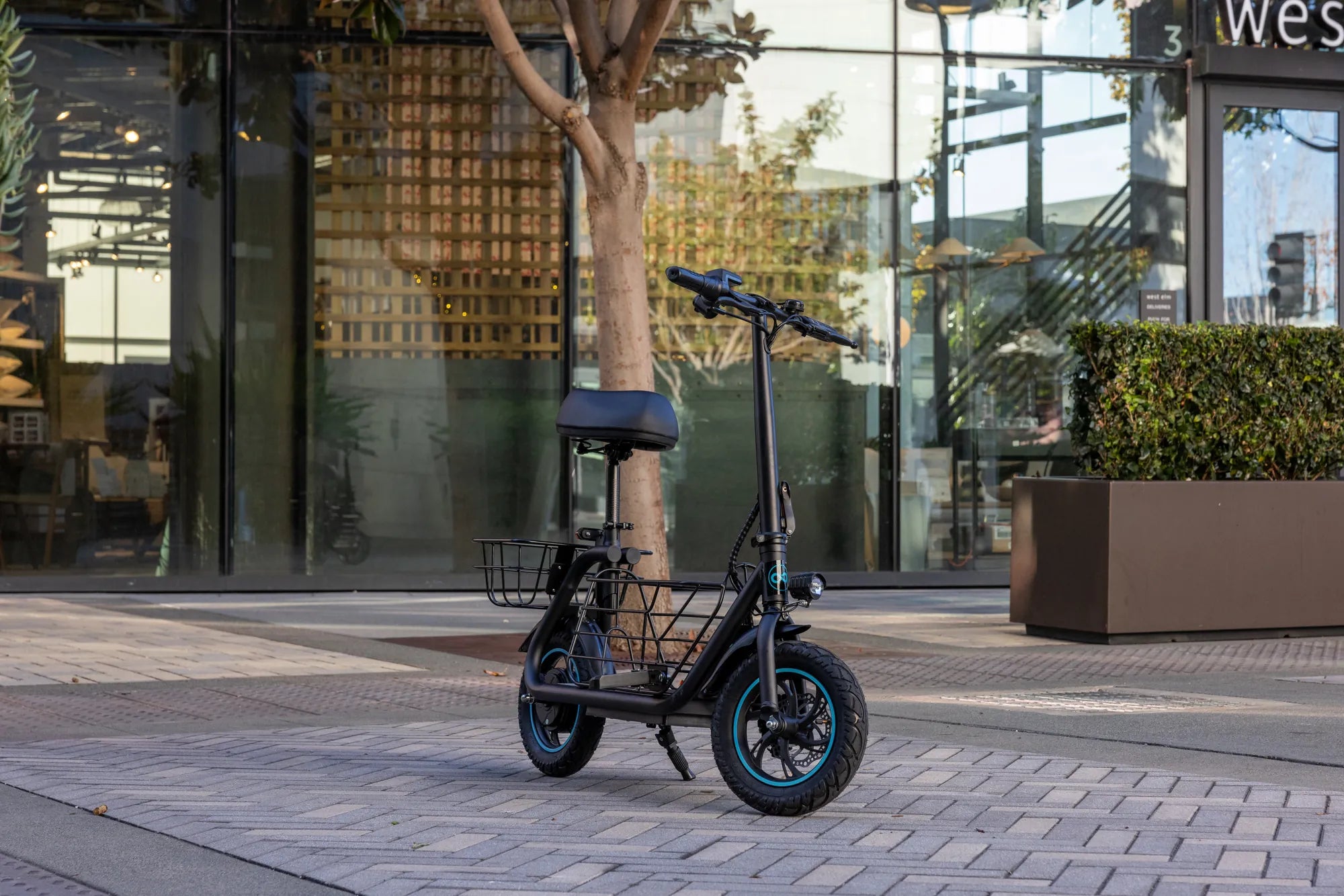
Whether you're a seasoned trike enthusiast or a newcomer to the world of three-wheeled rides, the trike frame is the backbone of your vehicle. It determines stability, durability, and overall performance. But with so many options available, how do you choose the right one? Let's dive into the essentials of trike frames and uncover what makes them tick.
What Is a Trike Frame?
A trike frame is the structural foundation of a three-wheeled vehicle, designed to support the rider, engine (if motorized), and additional components. Unlike traditional bicycle frames, trike frames are built to handle the unique stresses of three-wheeled stability, offering a wider base and reinforced construction.
Materials Used in Trike Frames
The material of your trike frame plays a critical role in its weight, strength, and longevity. Here are the most common options:
- Steel: Durable and affordable, steel frames are a popular choice for their strength and ease of repair. However, they tend to be heavier.
- Aluminum: Lightweight and corrosion-resistant, aluminum frames are ideal for those prioritizing speed and agility. They may lack the ruggedness of steel.
- Carbon Fiber: High-end and lightweight, carbon fiber offers exceptional strength-to-weight ratios but comes at a premium price.
- Titanium: Combining strength and lightness, titanium frames are durable and resistant to fatigue, though they are costly.
Design Considerations for Trike Frames
Not all trike frames are created equal. The design must align with your intended use:
- Recumbent vs. Upright: Recumbent trikes offer a laid-back riding position for comfort, while upright trikes provide a traditional bike-like experience.
- Delta vs. Tadpole: Delta trikes have two wheels at the rear, while tadpole trikes feature two wheels at the front, affecting handling and stability.
- Customization: Some frames allow for modular adjustments, enabling you to tweak the geometry for a personalized fit.
How to Choose the Right Trike Frame
Selecting the perfect trike frame depends on several factors:
- Purpose: Are you building a speed-focused racer, a cargo hauler, or a leisurely cruiser?
- Budget: Higher-end materials like carbon fiber and titanium come with a steeper price tag.
- Rider Weight and Load Capacity: Ensure the frame can support your weight plus any additional cargo.
- Terrain: Rough trails demand a sturdier frame, while smooth pavement allows for lighter materials.
Maintenance Tips for Trike Frames
To keep your trike frame in top condition, follow these maintenance practices:
- Regularly inspect for cracks, rust, or loose welds.
- Clean the frame with mild soap and water, especially after riding in harsh conditions.
- Apply protective coatings to prevent corrosion, particularly for steel frames.
- Store your trike in a dry, sheltered area to prolong its lifespan.
Customizing Your Trike Frame
For those who love a personal touch, customizing your trike frame can elevate your riding experience. Consider:
- Adding accessories like racks, fenders, or lights.
- Painting or powder-coating the frame for a unique look.
- Upgrading components like the suspension or drivetrain to match your frame's capabilities.
Ready to take your trike adventures to the next level? The right trike frame can make all the difference, blending performance, comfort, and style into one seamless ride. Don't settle for less—choose a frame that fits your vision and hit the road with confidence.
Light Commuter Ebike: The Ultimate Urban Transportation Solution
Cheap Fast Ebike: The Ultimate Guide to Affordable and Speedy Electric Bikes