


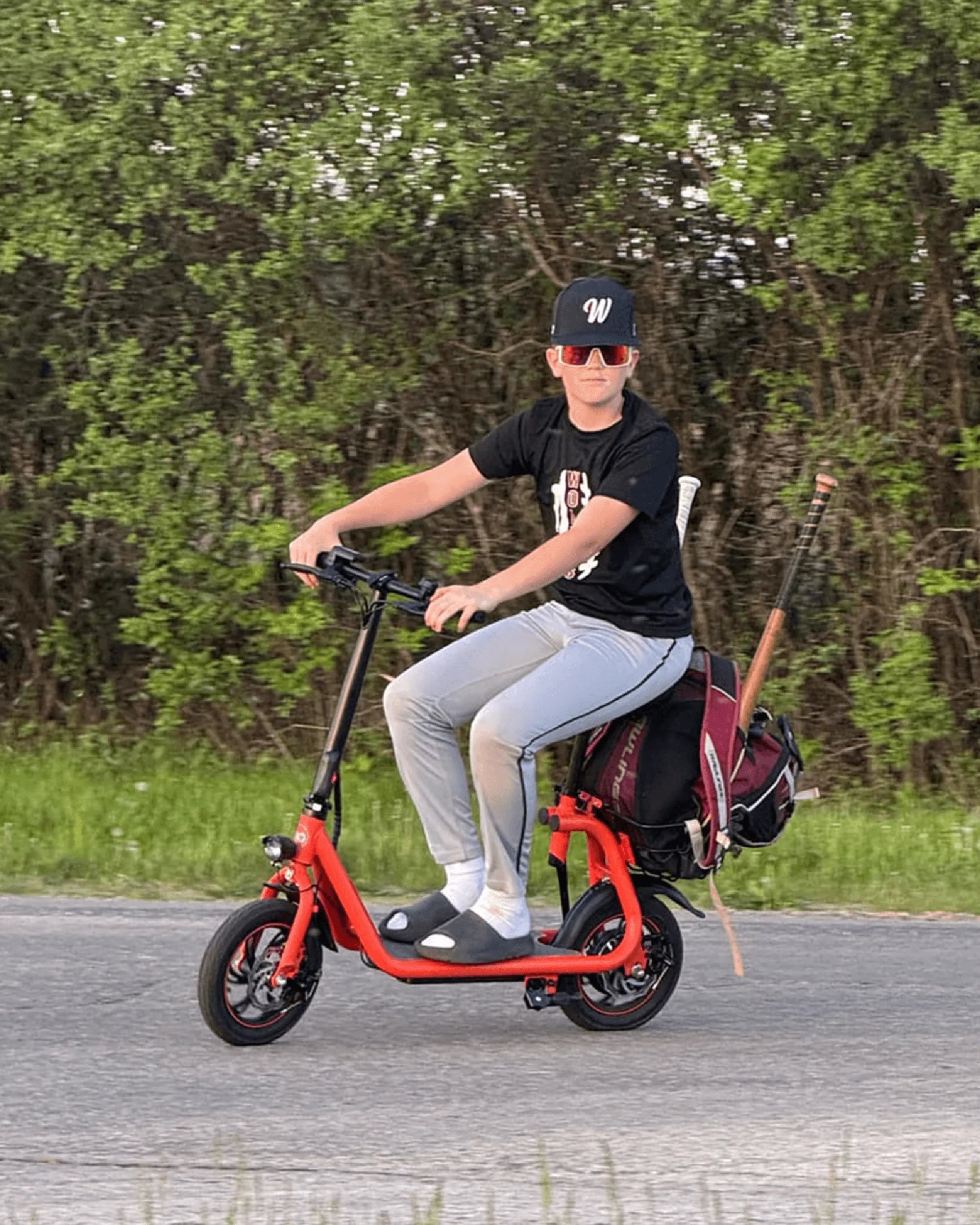
Why Two-Wheel Self-Balancing Scooters Are Taking Over the Market
Two-wheel self-balancing scooters have revolutionized personal transportation, offering a fun, eco-friendly, and efficient way to commute short distances. Whether you're a student, a professional, or just someone who loves cutting-edge gadgets, these scooters provide an unmatched blend of convenience and innovation. But with so many options available, understanding the factors that influence their price is crucial to making a smart purchase.
What Determines the Price of a Two-Wheel Self-Balancing Scooter?
The price of a two-wheel self-balancing scooter can vary widely based on several key factors:
- Battery Life and Quality: Higher-end models feature lithium-ion batteries with longer ranges and faster charging times.
- Motor Power: More powerful motors provide better speed and uphill performance but come at a higher cost.
- Build Materials: Premium materials like aircraft-grade aluminum or carbon fiber increase durability and price.
- Smart Features: Bluetooth connectivity, mobile app integration, and LED lighting add convenience and style but also raise the price.
- Brand and Warranty: Reputable brands with extended warranties often charge more for their reliability.
Budget vs. Premium: Finding the Right Balance
If you're on a tight budget, entry-level two-wheel self-balancing scooters can be found for as low as $200. These models typically have shorter battery life, basic designs, and fewer features. Mid-range options ($300-$600) offer better performance, improved battery life, and additional smart features. Premium models ($700 and above) boast top-tier components, extended warranties, and cutting-edge technology.
Where to Buy for the Best Deals
Online marketplaces often provide competitive pricing, seasonal discounts, and customer reviews to help you make an informed decision. Physical stores allow you to test the scooter before buying but may have higher prices due to overhead costs. Always compare prices across multiple platforms and check for hidden fees like shipping or assembly charges.
Maintenance Costs to Consider
Owning a two-wheel self-balancing scooter isn't just about the initial purchase price. Maintenance costs, including tire replacements, battery swaps, and occasional repairs, can add up over time. Investing in a high-quality scooter upfront can reduce long-term expenses.
Future-Proofing Your Investment
As technology advances, newer models with better features will emerge. However, a well-built two-wheel self-balancing scooter can last for years if maintained properly. Look for models with upgradable firmware or modular designs to extend their lifespan.
Ready to find the perfect two-wheel self-balancing scooter that fits your budget and lifestyle? Start exploring today and experience the future of personal transportation!
Pure Electric Scooter White: The Future of Urban Mobility
Best Rated Self Balancing Electric Scooter: The Ultimate Guide for 2024