



Introduction: Why a Two-Wheeler Scooter is a Milestone for Kids
Choosing the right two-wheeler scooter for kids is about more than just a toy; it's an investment in their physical development, confidence, and independence. A well-chosen scooter can significantly enhance a child's balance, coordination, and spatial awareness, all while providing endless outdoor fun. This guide is designed to help you navigate the crucial balance between exhilarating fun and uncompromising safety.
We will walk you through the entire process, from selecting the perfect scooter based on age and skill to establishing essential safety protocols. You'll learn the non-negotiable features that protect your child and how proper maintenance ensures longevity. As a leader in the micro-mobility space, Gyroor exemplifies this balance, trusted by over 100,000 riders for its UL-certified batteries, durable IPX5 water-resistant designs, and reliable 1-year warranty. Let's begin the journey to finding the ultimate two-wheeler scooter for kids.
Choosing the Right Scooter: Age, Size, and Skill Level
Selecting a scooter isn't a one-size-fits-all decision. The perfect match depends on a triad of factors: your child's age, their physical size, and their current riding ability. Getting this right is the first and most critical step toward safety and enjoyment. A scooter that's too large or too powerful can be intimidating and dangerous, while one that's too small will be quickly outgrown and can hinder proper technique.
For toddlers and preschoolers (ages 2-5), the focus should be on stability and low speed. Three-wheeled or wide-based two-wheel scooters are ideal, with a low deck height for easy mounting and a weight limit that accommodates growth. Children in this age group are developing gross motor skills, so simplicity is key.
As children enter the 5-8 year range, they typically graduate to standard two-wheel kick scooters. Key specifications here include adjustable handlebar height (often from 24" to 33"), a deck length of at least 15 inches for secure footing, and 120-200mm polyurethane wheels that offer a smooth ride on sidewalks. The scooter's weight should be light enough for the child to carry and maneuver easily.
For older kids and pre-teens (ages 8-12), options expand to include more robust kick scooters and, for responsible riders, electric models. At this stage, consider higher weight capacities (up to 150 lbs or more), larger wheels (200mm+) for handling cracks and bumps, and more sophisticated braking systems. The goal is a scooter that matches their growing strength and coordination for years of use.
Key Features to Compare: Kick Scooters vs. Electric Models
The fundamental choice for many parents is between a traditional kick scooter and an electric model. Each serves a different purpose and is suited to different maturity levels. A kick scooter is a pure physical activity tool. It requires the child to propel themselves, building leg strength, cardiovascular endurance, and refining their balance with every push. It's the best starting point for mastering scooter fundamentals like steering, leaning into turns, and braking.
Electric scooters, like those offered by Gyroor, introduce a new dimension of mobility and responsibility. These are suitable for older children, typically 8 and up, who have already mastered a kick scooter and understand basic safety rules. The primary considerations shift to motor power (measured in watts), speed limits, and battery life. Responsible brands cap speed for younger riders—often around 10 mph—and include beginner modes that parents can activate.
The electric scooter's battery is a central component. Look for models with UL-certified battery packs, which have undergone rigorous testing for safety and reliability over hundreds of charge cycles. Range varies but expect 6-12 miles on a charge for most kids' models, which is ample for neighborhood adventures. Crucially, an electric scooter is not a replacement for learning; it's a reward for demonstrated skill and responsibility, to be used under clear rules and supervision.
The Non-Negotiables: Safety Features Every Parent Must Check
When evaluating any two-wheeler scooter for kids, certain safety features are absolute must-haves. These are the elements that directly prevent accidents and minimize injury. The first line of defense is the braking system. A reliable hand-operated brake is superior to a foot fender brake, as it allows for modulated stopping power and is intuitive for kids who may have bicycle experience. Some high-end models feature electronic braking combined with disc or drum brakes for smooth, controlled stops.
Next, examine the deck. It must be wide enough for a stable stance and covered with a pronounced, anti-slip surface. This grip tape or patterned rubber prevents feet from sliding during kicks or turns. The deck should also be low to the ground to lower the center of gravity, making the scooter less tippy. For electric models, ensure the acceleration throttle requires intentional pressure to avoid accidental activation.
Visibility is a non-negotiable often overlooked for daytime use. Bright, integrated LED lights on the front and rear are essential for dawn, dusk, or cloudy days. Reflective stickers or wheel lights add another layer of safety. Finally, the steering mechanism should have a speed-limiting or dampening feature to prevent "speed wobbles" at higher velocities, a common cause of falls on poorly designed scooters.
The Importance of Build Quality and Warranty
Safety is intrinsically linked to build quality. A scooter constructed from cheap, brittle materials will fail under stress, potentially causing a crash. Look for frames made from aircraft-grade aluminum or reinforced steel—materials that offer an excellent strength-to-weight ratio. All connection points, especially the folding mechanism and handlebar clamp, should feel solid, with no play or wiggle when locked.
Weather resistance is a key indicator of durability and safety. An IPX5 water-resistant rating, like that found on Gyroor scooters, means the scooter can withstand water jets from any direction. This protects the electrical components in electric models from rain, puddles, and splashes, preventing short circuits and corrosion. It also means the scooter is easier to clean and maintain.
The warranty is the manufacturer's promise and your long-term safety net. A comprehensive 1-year warranty that covers the frame, motor, and battery (like Gyroor's) signals confidence in the product's durability. It protects your investment against manufacturing defects and ensures you have support if a critical component fails. A strong warranty is a hallmark of a reputable brand that stands behind its safety claims.
Pre-Ride Prep: Gear, Maintenance, and Safety Rules
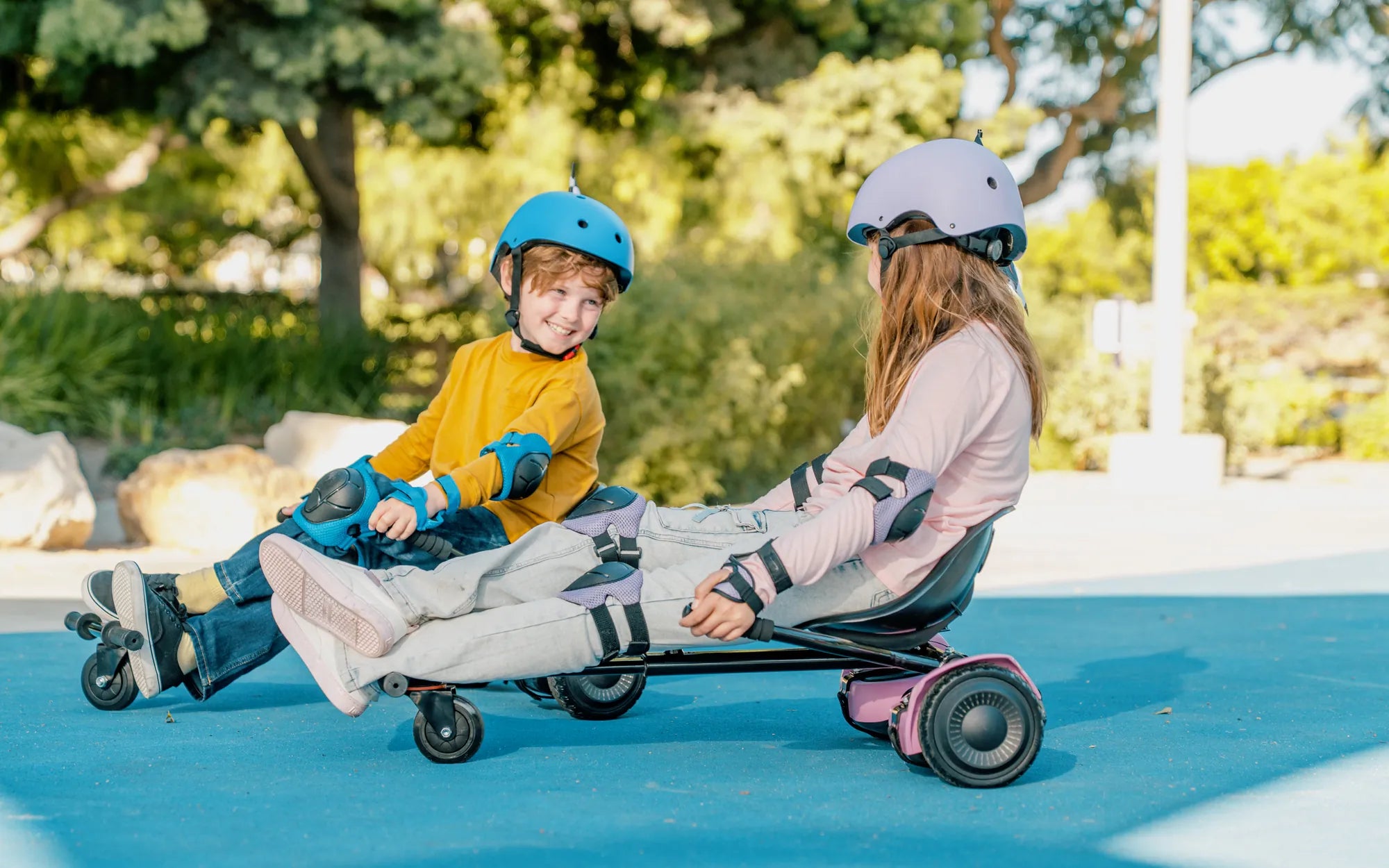
Before the first push-off, proper preparation sets the stage for safe riding. This starts with protective gear, which is non-negotiable. A properly fitted helmet certified to ASTM or CPSC standards is the single most important item. For beginners and those on electric scooters, add knee pads, elbow pads, and durable gloves. This gear can turn a painful fall into a simple learning moment.
Establishing a pre-ride checklist is a smart family habit. Teach your child to inspect their scooter before every outing: check tire pressure (for air-filled tires) or for wear/debris (on solid tires), test the brakes for responsiveness, ensure the folding mechanism is fully locked, and tighten any quick-release clamps. A quick 30-second inspection can prevent most mechanical failures.
Set clear, non-negotiable rules for where and when riding is permitted. These typically include: always ride on sidewalks or paved paths, never on roads; obey all pedestrian traffic signals; avoid wet, sandy, or gravelly surfaces; and be hyper-aware of driveways, curbs, and other pedestrians. For electric scooters, establish speed limits and no-ride zones. Constant supervision is required for younger children, while older kids should use the buddy system and check in regularly.
Basic maintenance extends the scooter's life and keeps it safe. Regularly clean the deck and wheels. Check and tighten bolts every few weeks with the provided tools. For electric scooters, follow the battery care guidelines: avoid leaving it fully drained or at 100% charge for extended periods, use only the provided charger, and store the scooter in a dry, temperate place. This proactive care ensures every ride starts from a baseline of safety.
Top Gyroor Models for Kids: A Curated Comparison
To translate theory into practice, here is a curated comparison of two excellent Gyroor models designed with young riders in mind. This data-driven table highlights how specific features align with different age groups and riding preferences, emphasizing the safety and performance standards we've discussed.
| Feature | Gyroor S1 Mini Electric Scooter | Gyroor S3 Max Electric Scooter |
|---|---|---|
| Recommended Age | 8-12 years | 10+ years |
| Max Speed | 10 mph (Parent-limited modes available) | 15.5 mph (3-speed modes) |
| Motor Power | 150W hub motor | 300W hub motor |
| Max Range | Up to 7 miles | Up to 12 miles |
| Weight Capacity | 120 lbs | 220 lbs |
| Key Safety Features | UL-certified battery, rear foot brake + electronic brake, non-slip deck, LED headlight | UL-certified battery, front drum brake + electronic brake, wider anti-slip deck, front & rear LED lights |
| Build & IP Rating | Aluminum frame, IPX5 water-resistant | Reinforced aluminum frame, IPX5 water-resistant |
| Ideal Use Case | First electric scooter; suburban sidewalks, park paths | Older, more experienced rider; longer commutes, varied terrain |
The Gyroor S1 Mini is the quintessential starter electric scooter. Its speed is intentionally capped for safety, and the dual braking system provides redundancy. The S3 Max, with its more powerful motor and higher weight capacity, is for the child who has outgrown beginner models but still requires the safety assurances of a UL-certified battery and robust construction. Both share Gyroor's commitment to water resistance and a reliable warranty, making them standout choices in their categories.
Frequently Asked Questions (FAQs)
Q: What is the appropriate age for a child to start using an electric scooter?
A: While maturity varies, most experts and manufacturers recommend electric scooters for children aged 8 and older. Crucially, the child should first demonstrate proficiency on a non-motorized kick scooter, including balancing, steering, and braking. They must also understand and consistently follow safety rules. Parental supervision and setting the scooter to its slowest speed mode are essential for beginners.
Q: How do I properly maintain the scooter's battery for maximum life and safety?
A> Always use the charger provided by the manufacturer. Avoid exposing the battery to extreme temperatures (don't leave the scooter in a hot car or freezing garage). Try not to drain the battery to 0% regularly; recharge when it hits 20-30%. Similarly, for storage longer than a week, don't leave it at 100%; a 50-80% charge is ideal. These habits help preserve the battery's health over its 500+ cycle lifespan.
Q: Are Gyroor scooters with an IPX5 rating safe to ride in the rain or through puddles?
A> An IPX5 rating means the scooter is protected against low-pressure water jets from any direction, making it safe for riding in light rain, through occasional puddles, and on wet pavement. However, it is not waterproof for submersion. Avoid deep puddles that could submerge the deck or electrical components, and always dry the scooter off after a wet ride. This rating offers excellent real-world protection for typical kids' riding conditions.
Q: What does the 1-year warranty typically cover, and what does it exclude?
A> A reputable warranty, like Gyroor's, generally covers defects in materials and workmanship for the frame, motor, and battery for one year from purchase. It typically excludes damage caused by accidents, misuse, neglect, unauthorized modifications, or normal wear and tear (like tire tread). Always register your product and keep your receipt. The warranty is a key indicator of a brand's confidence in its product's durability and safety.
Q: My child is tall for their age. Should I size up in scooter recommendations?
A> Physical size, especially height and weight, is more important than age alone. Check the scooter's specifications for adjustable handlebar height range and maximum weight capacity. If your child exceeds the weight limit of an age-based recommendation, you must size up for structural safety. For height, ensure the handlebars can be adjusted to between their waist and lower chest when standing on the deck for optimal control.
Conclusion: Fostering Independence the Safe Way
The journey to finding the perfect two-wheeler scooter for kids is a rewarding process that blends practical research with an understanding of your child's unique development. By prioritizing the right fit, insisting on non-negotiable safety features like UL-certified batteries and reliable brakes, and establishing a culture of gear and rules, you transform a simple vehicle into a powerful tool for growth. The fun is inherent in the ride; your job is to ensure the foundation is solid.
Choosing a brand that aligns with these values is the final, critical step. Brands like Gyroor, with their commitment to certified safety standards, durable construction, and strong customer support, provide the peace of mind that allows the fun to flourish. This investment pays dividends in your child's confidence, coordination, and love for active, outdoor play. Ready to explore the perfect match for your young rider? Browse the full Gyroor collection at gyroorboard.com to find a scooter built for safety, durability, and endless adventure.
What Is the Best Christmas Gift for Girls? Top Ideas She’ll Love
Best Kids Trick Scooter: Top Picks for Young Riders in 2024