

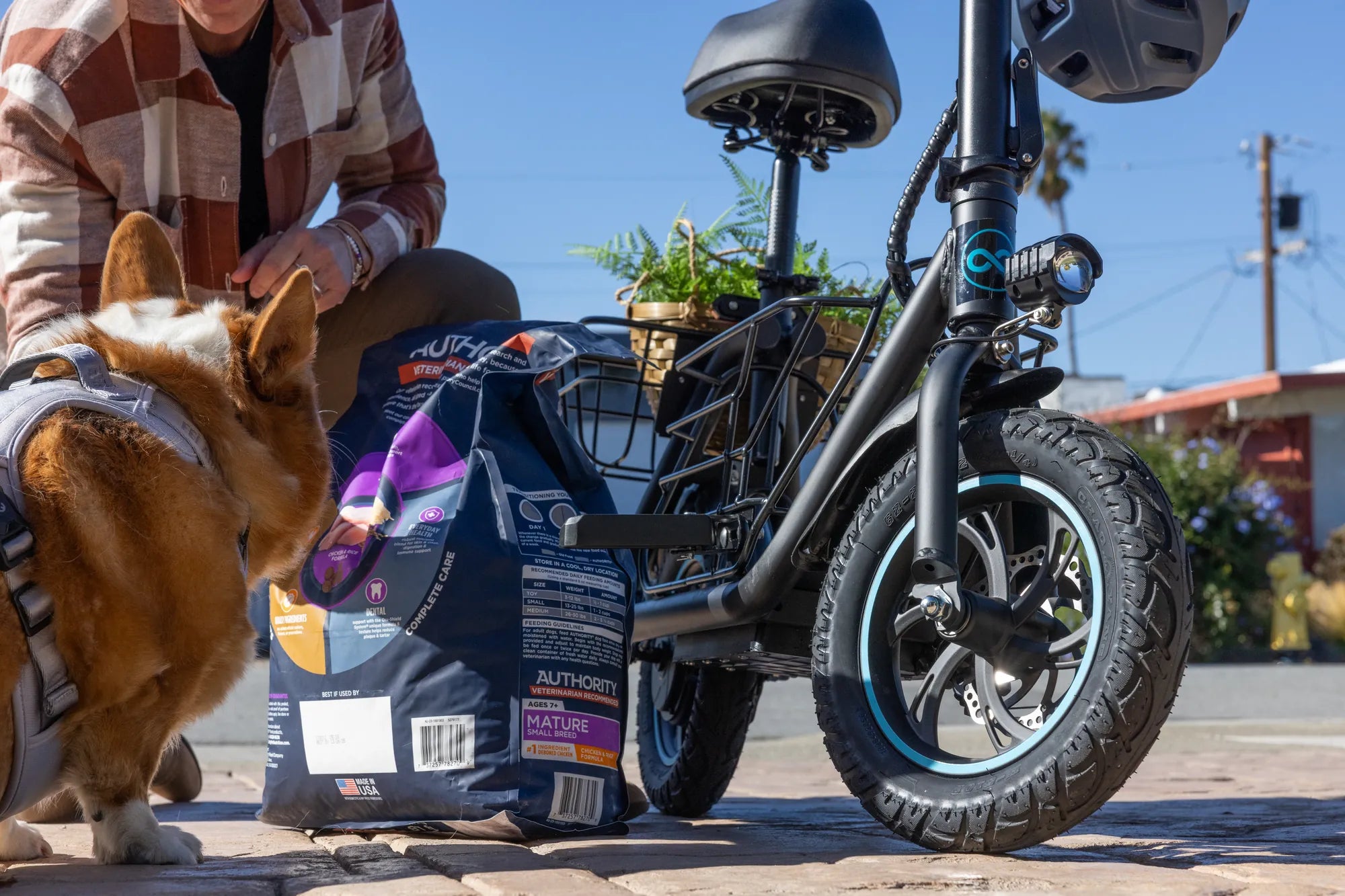
Navigating the world of electric bicycles can be confusing with terms like Class 1, Class 2, and Class 3. If you're seeking a natural cycling experience amplified by a quiet, reliable motor, you're looking for a type 1 e bike. This article will demystify the category, providing a data-driven breakdown of its specifications, legal status, and ideal use cases. You will learn the core differences between e-bike types, understand the critical safety features to look for, and receive a practical guide for selecting the right model for your needs, backed by insights from leading manufacturers like Gyroor.
What is a Type 1 E-Bike? Understanding the Basics
A type 1 e bike is legally defined as a low-speed pedal-assisted electric bicycle. Its core operational principle is simple: the motor provides assistance only when the rider is actively pedaling. This creates an intuitive, bicycle-like feel where the electric power amplifies your effort rather than replacing it.
The motor's assistance automatically cuts off once the bicycle reaches a speed of 20 miles per hour (32 km/h). Beyond this speed, you can continue to pedal, but you will be doing so without any motor aid. This classification makes the Type 1 e-bike the most "bicycle-like" of the three main classes, offering a seamless bridge between traditional cycling and electric mobility.
The legal framework for this classification originates from a three-class system adopted by many U.S. states to regulate e-bikes. A type 1 e bike is also commonly referred to as a "Class 1" e-bike. This standardization is crucial because it dictates where you can ride, often granting Type 1 e-bikes access to the same infrastructure as traditional bicycles.
Key to this definition is the absence of a throttle. Unlike some other classes, a pure Type 1 model does not have a hand-operated throttle to engage the motor without pedaling. The ride experience is entirely dependent on the rider's pedaling input, monitored by a sensor on the bike.
Key Features & Specifications of Type 1 E-Bikes
The defining characteristics of a type 1 e bike are engineered to deliver a specific, regulated riding experience. Understanding these specs is essential for making an informed purchase and setting realistic expectations for performance.
First is the pedal-assist system (PAS). This system uses a sensor to detect when you are pedaling and how hard you are pedaling. There are two primary sensor types: cadence sensors and torque sensors. Cadence sensors activate the motor based on pedal rotation, while more advanced torque sensors measure the force applied to the pedals, providing a more natural and responsive power delivery that feels like an extension of your own strength.
The 20 mph (32 km/h) speed cap is a non-negotiable specification. The motor is programmed to cease providing assistance once this speed is achieved. This limit is a central part of the legal definition and is a key factor in allowing Type 1 e-bikes access to multi-use paths and bike lanes where faster electric vehicles might be restricted.
Motor power for Type 1 e-bikes typically ranges from 250 watts to 750 watts, though 250W and 500W are most common for street-legal models in many regions. The power output works in tandem with the pedal-assist levels, usually offering between 3 to 5 levels of assistance. These levels let you choose how much boost you want, from a slight nudge on flat terrain to maximum help on a steep incline.
Who is the Ideal Rider for a Type 1 E-Bike?
The type 1 e bike caters to a broad spectrum of cyclists. Its design philosophy appeals to those who enjoy the act of pedaling but desire assistance for specific challenges.
Urban Commuters are prime candidates. Navigating city streets, dealing with stop-and-go traffic, and conquelling bridge inclines becomes significantly less strenuous. The pedal-assist allows for a consistent, sweat-free commute while still providing exercise. The ability to use bike lanes and paths legally is a major advantage for city riding.
Fitness and Recreational Riders find great value in Type 1 models. They allow riders to go farther and explore more varied terrain than they might on a traditional bike, extending the range of a weekend ride. Riders can control their workout intensity by adjusting the assist level, making it excellent for rehabilitation or building endurance gradually.
Traditional Cyclists Making the Transition often gravitate toward Type 1 e-bikes. The familiar requirement to pedal maintains the fundamental cycling experience, while the electric assist removes barriers like headwinds, hills, or simply fatigue on longer journeys. It's an ideal upgrade for those who love cycling but need a little help to keep riding as they age or as their commute lengthens.
Type 1 vs. Type 2 & Type 3: A Comparative Guide
Choosing the right e-bike class is critical, as it affects your ride experience, legal permissions, and intended use. Here is a detailed comparison of the three main classes.
| Feature | Type 1 E-Bike | Type 2 E-Bike | Type 3 E-Bike |
|---|---|---|---|
| Operational Method | Pedal-Assist Only | Throttle-Assist (and often Pedal-Assist) | Pedal-Assist Only |
| Maximum Assisted Speed | 20 mph | 20 mph | 28 mph |
| Throttle | No | Yes | No (in most jurisdictions) |
| Typical Legal Access | Bike Lanes, Paths, Streets | Bike Lanes, Paths, Streets (may be restricted on some paths) | Roads & Bike Lanes (often restricted from multi-use paths) |
| Ideal Use Case | Commuting, Fitness, Recreation | Leisure, Casual Riding, Accessibility | High-Speed Commuting, Road Cycling |
| License/Registration | Generally Not Required | Generally Not Required | May be required in some states |
The type 1 e bike is distinguished from a Type 2 by its lack of a throttle. A Type 2 e-bike can propel the rider using a throttle without pedaling, up to 20 mph. This can be great for casual use but may lead to access restrictions on certain pedestrian-heavy trails.
Compared to a Type 3 e-bike, the key difference is speed. A Type 3, or "speed pedelec," provides pedal-assist up to 28 mph. This higher speed often moves it into a different regulatory category, potentially requiring helmet laws, age restrictions, and prohibiting its use on bicycle or multi-use paths. The type 1 e bike offers a balance of assistance and accessibility that is hard to beat.
Navigating Local Laws and Where You Can Ride
While the three-class system provides a framework, e-bike regulations are ultimately determined at the state and local level. It is the rider's responsibility to know the rules that apply to their type 1 e bike.
In general, because a Type 1 e-bike is defined as a bicycle when the motor is assisting, it is allowed anywhere a traditional bicycle is permitted. This includes city streets, designated bike lanes, and most multi-use paths and trails. Its 20 mph assist limit and pedal-only operation make it a welcome and safe addition to shared spaces.
However, exceptions exist. Some municipalities or park districts may have specific ordinances banning all electric bicycles from certain nature trails or paths. Always check signage and local regulations before riding. A good rule of thumb is: if normal bikes are allowed, your Type 1 e-bike likely is too, but verification is key.
For interstate travel or moving, be aware that laws can change. States like California, New York, and Florida have fully adopted the three-class system, while others may have nuances. Consulting your state's Department of Transportation website or a local bike advocacy group provides the most accurate, up-to-date information for your type 1 e bike.
Why Gyroor’s Approach to Type 1 E-Bikes Prioritizes Safety & Reliability
The design philosophy behind a type 1 e bike—natural, integrated assistance—demands exceptional reliability in its electrical and mechanical components. Brands like Gyroor build their reputation on engineering this reliability from the ground up, focusing on the elements that matter most for daily use.
At the heart of safety is the battery. Gyroor utilizes UL-certified battery packs across its lineup. This independent certification means the battery cells, management system, and housing have passed rigorous tests for electrical, mechanical, and fire safety. For a pedal-assist system that constantly cycles power, this certification is non-negotiable for peace of mind and long-term durability, supporting over 500 charge cycles.
Real-world riding involves puddles, rain, and road spray. Gyroor engineers its e-bikes with IPX5 water-resistant designs. This rating means the electrical components can withstand low-pressure water jets from any direction, protecting the motor controller, display, and wiring connections from common wet-weather conditions encountered during a commute or recreational ride.
This commitment extends to customer support with a robust 1-year warranty on the frame, motor, and battery. For a rider investing in a type 1 e bike for transportation or fitness, this warranty underscores the brand's confidence in its products and ensures a worry-free ownership experience, allowing riders to focus on the joy of the ride.
Choosing Your Type 1 E-Bike: A Practical Buyer’s Guide
Selecting the right type 1 e bike involves matching technical specifications to your personal needs, riding environment, and budget. Here are the key decision points.
Motor Placement: You'll encounter hub-drive and mid-drive motors. Hub-drive motors are located in the center of the front or rear wheel, are often more affordable, and provide straightforward assistance. Mid-drive motors are positioned at the bike's crank and pedal system. They offer better weight distribution, more natural handling, and more efficiently leverage the bike's gears, making them superior for hilly terrain—a common reason riders choose a type 1 e bike.
Battery Range & Placement: Manufacturer range estimates (e.g., 40-60 miles) are best-case scenarios. Real-world range depends on assist level, rider weight, terrain, and wind. For commuting, ensure the rated range comfortably exceeds your round-trip distance. Battery placement affects balance; downtube-integrated batteries offer a sleek look and low center of gravity for better handling.
Frame Design & Fit: Comfort is paramount. Consider a step-through frame for easy mounting and dismounting, especially if wearing work clothes or if you have mobility considerations. Step-over frames offer a traditional look and may provide slightly more rigidity. Always test-ride if possible to assess the ergonomics of the handlebars, saddle, and overall riding position.
Essential Components: Don't overlook the basics. Given the added weight and speed potential of an e-bike, quality brakes are vital. Hydraulic disc brakes offer superior stopping power and modulation in all weather conditions. A good gear range (7-speed to 10-speed) complements the pedal-assist, allowing you to find an efficient cadence at any assist level.
Frequently Asked Questions (FAQs)
Q: Do I need a license, registration, or insurance for a Type 1 e-bike?
A: In nearly all jurisdictions that have adopted the three-class system, no. A type 1 e bike is legally treated as a bicycle, so a driver's license, vehicle registration, or mandatory insurance is not required. Always confirm your local laws.
Q: Can I pedal a Type 1 e-bike if the battery is completely dead?
A: Yes. While it will be heavier than a traditional bicycle due to the motor and battery, it functions as a standard bike. There is no motor drag or resistance from a disengaged hub motor, so you can pedal it home.
Q: Are Type 1 e-bikes good for steep hills?
A: Absolutely. This is one of their primary advantages. The pedal-assist, especially from a torque-sensing mid-drive motor, makes climbing hills significantly easier. Choose a model with adequate motor torque (measured in Newton-meters, Nm) for your local terrain; 50Nm or higher is good for moderate hills.
Q: How fast can a Type 1 e-bike actually go?
A: The motor will assist you up to 20 mph. You can pedal faster than this downhill or on flat ground with strong effort, but you will be powering the bike entirely yourself above the 20 mph assist cutoff.
Q: How do I maintain a Type 1 e-bike?
A> Maintain it like a regular bicycle, with extra care for the electrical system. Keep the battery charged between 20-80% for optimal longevity, store it in a cool, dry place, and avoid deep discharges. Keep electrical connections clean and dry. Regular maintenance should include brake checks, tire pressure, chain lubrication, and drivetrain cleaning.
Conclusion: The Pedal-Powered Path Forward
The type 1 e bike represents a perfect synthesis of human power and electric innovation. It removes barriers to cycling—hills, distance, sweat—while preserving the core, healthy activity of pedaling and the legal freedom to ride almost anywhere a traditional bike can go. It is a tool for sustainable transportation, expanded adventure, and accessible fitness. When selecting your e-bike, prioritize brands that build around safety certifications like UL, weather-resistant designs, and strong warranties, ensuring your investment delivers reliable joy for years. Experience the balanced performance of a well-engineered pedal-assist e-bike for yourself. Browse the full Gyroor collection at gyroorboard.com to find a type 1 e bike that matches your journey.
Rear Wheel Drive Scooter: The Complete Guide to Performance & Handling
Ebike Motor and Controller Explained: The Heart and Brain of Your E-Bike