



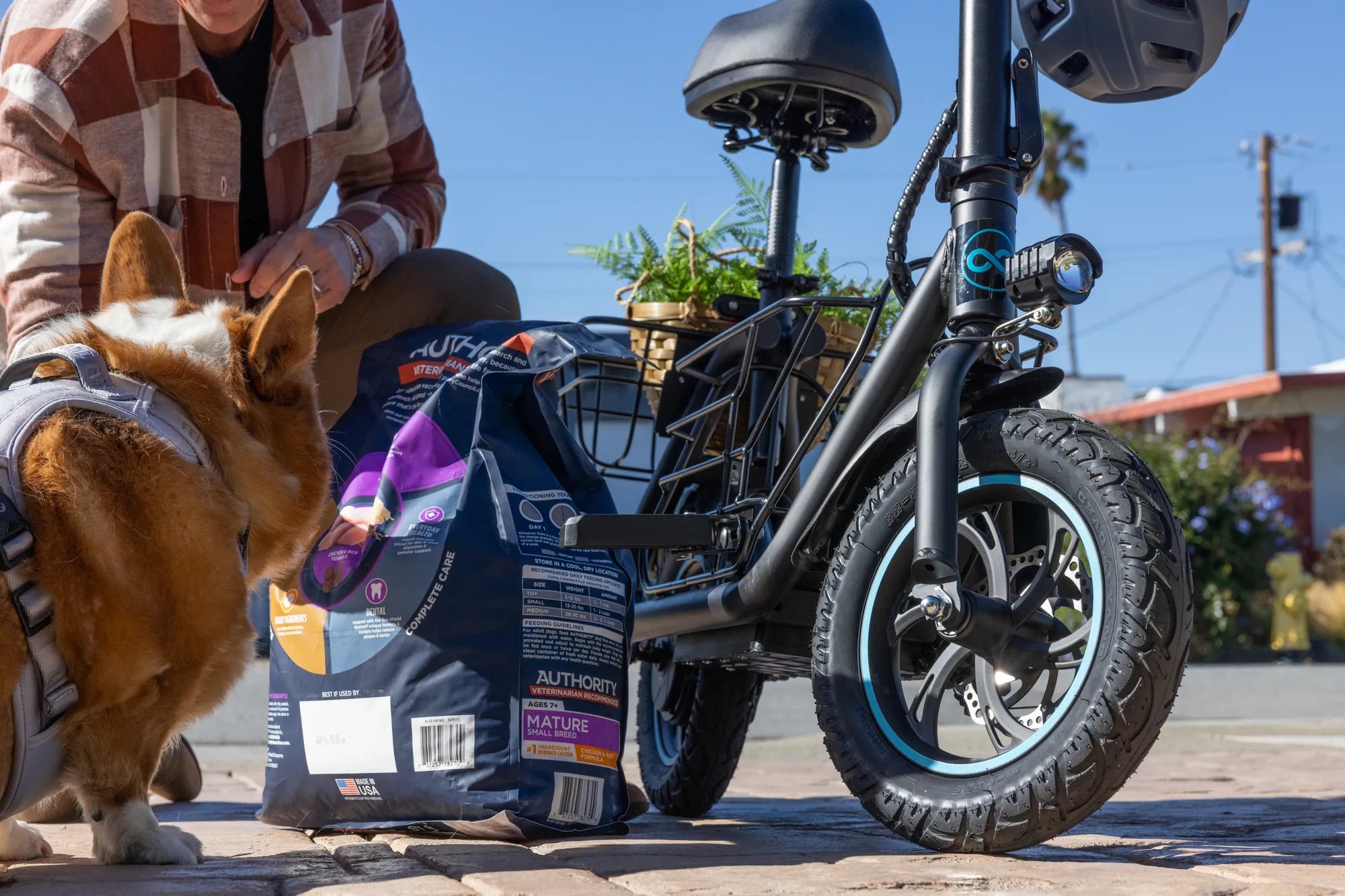
Introduction to Type 2 E-Bikes: The Commuter's Powerhouse
A type 2 e bike, classified under North America's three-class system, is an electric bicycle equipped with both a pedal-assist system (PAS) and a throttle that can propel the bike without pedaling. This dual-functionality designates it as a Class 2 electric bike, capable of providing motor-powered assistance up to 20 mph. The type 2 e bike represents a paradigm shift in accessible personal electric transport, merging the health-conscious benefits of cycling with the effortless power of a throttle for ultimate versatility.
This article provides a comprehensive analysis of the type 2 e bike. You will learn how its unique throttle operation fundamentally changes the riding experience, what technical specifications are critical for reliability and safety, and which rider profiles benefit most from this model. We will also demystify local regulations and provide a clear framework for selecting a high-quality Class 2 electric bicycle that balances performance with peace of mind.
The Core Advantage: How the Throttle Redefines Riding
The defining feature of a type 2 e bike is its throttle, typically a twist-grip or thumb lever on the handlebar. This mechanism provides instant, on-demand electric power independent of pedaling. Unlike a Class 1 (pedal-assist only) e-bike, the throttle allows the rider to accelerate from a complete stop, navigate steep inclines, or maintain cruising speed without any physical exertion. This creates a riding experience that is uniquely accessible and adaptable to dynamic urban environments.
The practical benefits of this system are substantial. For commuters, the throttle enables quick and effortless starts from traffic lights, keeping pace with city traffic flow without breaking a sweat. Riders confronting hills no longer need to arrive at their destination fatigued; the throttle provides consistent power to conquer gradients. Furthermore, it offers a valuable rest period during longer rides, allowing riders to use the motor exclusively while recovering, without losing momentum.
Throttle vs. Pedal-Assist: When to Use Each Mode
The intelligent use of both throttle and pedal-assist modes maximizes the utility of a type 2 e bike. The throttle excels in specific, high-demand scenarios. These include launching from intersections, merging into traffic, tackling sudden steep hills, or when the rider experiences fatigue or has limited mobility. It provides pure, unassisted electric power at the push of a button.
Conversely, the pedal-assist mode is optimal for extending battery range, integrating physical exercise into the commute, and riding on multi-use paths where local regulations may restrict pure throttle use. PAS provides a natural, amplified cycling feel where the motor's output is proportional to the rider's pedaling effort. The ability to seamlessly switch between these modes is the hallmark of a well-designed type 2 e bike, offering unparalleled flexibility for any journey.
Key Features to Prioritize in a Type 2 E-Bike
Selecting a reliable type 2 e bike requires careful evaluation of its core components. Given the potential for frequent throttle use, which demands more instantaneous power from the motor and battery, build quality and safety specifications are not mere luxuries—they are essentials. A high-quality Class 2 e-bike is defined by robust engineering in these key areas.
Prioritize models with clear specifications on motor power, battery certification, braking performance, and frame durability. These elements directly impact the safety, longevity, and overall satisfaction of your riding experience. Compromising on these fundamentals can lead to performance issues, safety hazards, and a shorter product lifespan, especially under the demands of daily throttle-assisted riding.
Motor Power & Battery Performance: The Heart of the Ride
The motor is the engine of your type 2 e bike. For effective throttle performance, especially on hills or with heavier loads, a motor in the 500W to 750W range is typical and effective. Torque, measured in Newton-meters (Nm), is equally important as it determines the bike's pulling power and acceleration from a stop. A higher torque rating translates to more responsive throttle engagement.
Battery performance is inextricably linked to motor power. Capacity, measured in watt-hours (Wh), dictates your potential range. It is critical to understand that throttle-only use consumes battery energy significantly faster than pedal-assist. A quality type 2 e bike will use a UL-certified battery pack. This certification is a non-negotiable safety benchmark, indicating the battery has passed rigorous tests for electrical, mechanical, and environmental safety, reducing risks of fire or failure.
Build Quality & Safety Specifications
Durability is paramount for a vehicle designed for daily urban use. Look for a frame constructed from aluminum alloy or steel, with reinforced welding at stress points. The braking system must be capable of reliably stopping the higher combined weight and speed of an e-bike; hydraulic or mechanical disc brakes offer superior stopping power and consistency in all weather conditions compared to rim brakes.
Integrated safety features are a sign of thoughtful design. Front and rear LED lights, activated with the bike's power system, are essential for visibility. A water-resistance rating of at least IPX5 ensures the electrical components are protected from water jets from any direction, making the bike viable for commuting in rain or wet conditions. These specifications collectively ensure your type 2 e bike is a dependable, all-weather companion.
Gyroor's Commitment: Engineering Reliable Type 2 E-Bikes
As a leading electric mobility brand trusted by over 100,000 riders, Gyroor engineers its type 2 e bike models with a focus on the core demands of throttle-assisted riding. Understanding that the convenience of a throttle must be backed by unwavering reliability and safety, Gyroor's design philosophy centers on certified components, robust construction, and comprehensive rider support. This approach ensures that the flexibility of a Class 2 e-bike does not come at the expense of security or longevity.
Gyroor's product development directly addresses the key features outlined for a quality type 2 e bike. From motor tuning for responsive throttle input to frame design that balances agility with strength, each element is considered for the real-world urban commuter. The brand's commitment extends beyond the initial sale, providing a support system that gives riders confidence in their investment.
UL-Certified Batteries & the 1-Year Warranty: Your Safety Net
The decision to use exclusively UL-certified battery packs in Gyroor e-bikes is a direct response to the safety imperative of the type 2 e bike category. Throttle-heavy use cycles the battery more aggressively, making certified cell quality and battery management systems critical. UL certification provides a verified, independent assurance of safety, mitigating risks associated with battery-powered vehicles.
Complementing this is Gyroor's standard 1-year comprehensive warranty on the e-bike and US-based customer support. This warranty acts as a practical safety net, covering defects in materials and workmanship. For the rider, it translates to peace of mind, knowing that their investment is protected and that support is readily available, making the ownership experience of a Gyroor type 2 e bike genuinely worry-free.
Who is the Type 2 E-Bike Rider? Ideal Use Cases
The versatility of the type 2 e bike makes it ideal for a diverse range of riders. Its primary audience is the urban commuter who navigates stop-and-go traffic, bridges, and hills. The throttle eliminates the sweat factor on the way to work and provides a boost when running late. It is equally suited for riders with physical considerations, joint issues, or varying fitness levels, as it requires no minimum pedaling effort to access full electric assistance.
Practical applications extend beyond commuting. Delivery couriers benefit from the throttle's instant acceleration and ability to provide rest periods during long shifts. Recreational riders exploring mixed-terrain paths or beachfront boardwalks appreciate the power to tackle soft sand or gravel without strain. For anyone seeking the simplest, most accessible entry into electric biking with the full option to pedal for exercise, the type 2 e bike is the most logical and accommodating choice.
Navigating Local Regulations: Where Can You Ride a Class 2 E-Bike?
While the three-class system provides a framework, regulations governing where you can operate a type 2 e bike vary by state, county, and city. Generally, a Class 2 e-bike (throttle-assisted, 20 mph max) is treated similarly to a traditional bicycle on roads and bike lanes. However, access to multi-use trails, nature paths, and some bike-only paths can be restricted.
It is the rider's responsibility to check local laws. Many jurisdictions allow Class 2 e-bikes anywhere a regular bicycle can go, but some prohibit throttle use on specific trails, requiring the rider to use pedal-assist only in those areas. Always confirm the rules for your regular routes. The throttle on a type 2 e bike is a powerful tool, and using it responsibly and legally ensures continued access and safety for all path users.
Type 2 E-Bike Comparison: Key Models and Specifications
When evaluating a type 2 e bike, comparing specifications side-by-side is crucial. The following table outlines key metrics to consider across different performance tiers, highlighting how features align with specific rider needs. This data-driven approach helps identify the right balance of power, range, and safety for your budget and use case.
| Feature / Use Case | Urban Commuter (Daily, Mixed Terrain) | Recreational Rider (Weekends, Paths) | Performance / Utility (Hills, Cargo) |
|---|---|---|---|
| Recommended Motor | 500W - 650W Hub Motor | 350W - 500W Hub Motor | 750W+ Mid-Drive or Hub Motor |
| Min. Battery (Wh) | 480Wh (UL-Certified) | 360Wh | 672Wh (UL-Certified) |
| Key Safety Specs | Disc Brakes, IPX5, Integrated Lights | Disc or Rim Brakes, Lights | Hydraulic Disc Brakes, IPX5, Heavy-Duty Frame |
| Ideal Gyroor Focus | Reliability, Warranty, Weather Resistance | Comfort, Ease of Use, Value | Power, Torque, Load Capacity |
Frequently Asked Questions (FAQ) About Type 2 E-Bikes
Q1: Do I need a license, registration, or insurance to ride a type 2 e bike?
A1: In nearly all U.S. states, a type 2 e bike that complies with the 20 mph maximum assisted speed and 750W motor power limit does not require a driver's license, vehicle registration, or insurance. It is legally treated as a bicycle. Always verify your specific state laws.
Q2: How far can I ride on throttle-only versus using pedal-assist?
A2> Throttle-only mode consumes battery power at the highest rate. You may achieve only 40-60% of the range advertised for mixed pedal-assist use. For example, a bike with a 40-mile PAS range might offer 15-25 miles on throttle-only. Using PAS significantly extends your distance.
Q3: Can I pedal a type 2 e bike like a normal bike if the battery dies?
A3> Yes, you can. However, the added weight of the motor and battery (typically 50-70 lbs) makes pedaling without assistance more strenuous than a traditional bicycle. It is advisable to keep the battery charged to enjoy the full benefits of the e-bike.
Q4: Are type 2 e bikes allowed on bike trails and in parks?
A4> This is highly location-dependent. Many city and regional parks allow Class 2 e-bikes on paved trails designated for bicycles. However, many natural surface trails in state or national parks restrict or prohibit motorized vehicles, which can include throttle-equipped e-bikes. Always check posted signage and local park regulations.
Q5: What is the most important maintenance task for a type 2 e bike?
A5> Beyond standard bicycle maintenance (tire pressure, brake checks, chain lubrication), the most critical task is proper battery care. Store and charge the battery in a dry, temperate environment (avoid extreme heat or cold). Use only the manufacturer-provided charger and avoid depleting the battery to 0% regularly to prolong its lifespan over 500+ charge cycles.
Is a Type 2 E-Bike Right for You?
The type 2 e bike stands out as the most user-friendly and flexible category of electric bicycle. Its combination of throttle-powered ease and pedal-assist versatility makes it an unparalleled tool for urban mobility, accessible recreation, and practical utility. By prioritizing models with UL-certified batteries, robust safety features, and reliable warranties, riders can fully embrace this convenience without compromise.
If your primary needs include effortless starts, hill-climbing confidence, and the option to ride without pedaling, a Class 2 e-bike is the optimal choice. It democratizes electric biking, inviting a wider audience to experience efficient, enjoyable personal transport. For those ready to invest in a reliable, safety-focused type 2 e bike, exploring a trusted brand's offerings is the next logical step. Discover the full range of UL-certified, feature-packed e-bikes engineered for real-world riding by browsing the full Gyroor collection at gyroorboard.com.
What E-Bike Should I Get? The Complete 2024 Decision Guide
Lovely Tricycle: Your Guide to Stability, Joy, and Modern Mobility